
Listen to this article
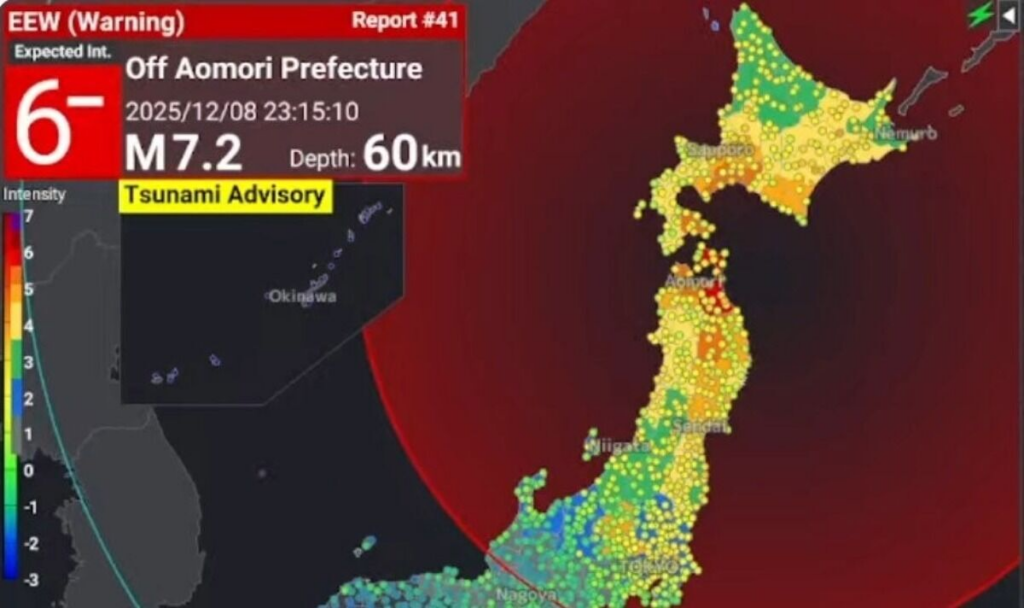
The recent Japan earthquake, registering a staggering magnitude of 7.5, has once again underscored the nation’s vulnerability to seismic disturbances. Striking off the northeastern coast near Aomori, this earthquake in Japan has led to over 30 injuries and prompted urgent evacuation measures for tens of thousands of residents. As the nation grapples with aftershocks and potential tsunami warnings Japan issued during the night, local authorities are on high alert, prepared to implement comprehensive earthquake response Japan protocols. With a well-documented history of Japan seismic activity, citizens have become adept at emergency preparedness, a critical asset in the face of such natural disasters. The latest quake serves as a poignant reminder of the ongoing risks that come with living in one of the world’s most active seismic zones.
The recent seismic event in Japan has raised serious concerns about the safety and readiness of communities in the region. Known for its tectonic intensity, northern Japan, particularly areas like Aomori, faces frequent geological upheavals that necessitate constant vigilance. As the population comes to terms with the aftermath of this quake, strategies for effective earthquake preparedness and disaster response become paramount. Authorities have swiftly acted to mitigate the risks, showcasing the robust infrastructure put in place for managing such crises. Given the frequency of earthquakes and accompanying tsunami threats, Japan’s proactive measures are essential for safeguarding lives.
Understanding the Impact of the Aomori Earthquake
The recent magnitude 7.5 earthquake that struck northern Japan has left dozens injured and significantly affected communities in the Aomori region. As the tremors reverberated through the area, reports indicated at least 30 individuals sustained injuries, with thousands evacuating their homes for safety. This earthquake is another reminder of Japan’s vulnerability to seismic activity, as the nation sees around 1,500 earthquakes annually due to its location on the Pacific Ring of Fire.
The ramifications of such seismic events underscore the importance of emergency preparedness in Japan. With evacuation orders for approximately 90,000 residents and power outages reported in 2,700 homes, local authorities are focused on providing adequate response measures. The Japan Meteorological Agency continues to monitor seismic activity closely, reassuring residents even as tsunami warnings have been lifted following the initial shock.
Japan’s Seismic Activity: A Historical Perspective
Japan’s historical relationship with earthquakes is marked by both resilience and tragedy. The 2011 earthquake, which recorded a magnitude of 9.0, serves as a sobering reminder of the destructive potential of these natural events, leading to a devastating tsunami and nearly 18,000 fatalities. Communities and local governments have since adapted their earthquake response strategies, creating a model for disaster preparedness that is continually evolving with each seismic event that occurs.
In light of ongoing seismic activity, experts caution that another major earthquake may be imminent, particularly in high-risk zones such as the Nankai Trough. A recent investigation panel estimated a 60-90% chance of a substantial quake occurring within the next three decades, which could lead to severe consequences, including extensive infrastructure damage and significant loss of life. This prospect underscores the necessity for ongoing public awareness and preparedness initiatives.
Emergency Response Strategies in Japan
The response to the recent earthquake has been prompt and organized, reflecting Japan’s comprehensive emergency management system. Prime Minister Sanae Takaichi’s comments emphasized the importance of reconfirming individual preparedness measures, such as securing furniture and developing evacuation plans. This proactive approach is crucial, as authorities warn that further tremors could occur within the next week.
The Japanese government has activated its crisis management office, coordinating rescue operations and relief efforts as part of a well-structured disaster response strategy. Agencies such as the East Japan Railway have temporarily halted services, while utility companies like Tohoku Electric Power ensured that critical infrastructure remained secure. These collective efforts demonstrate the efficiency and preparedness that is inherent to Japan’s response to natural disasters.
The Role of Technology in Earthquake Preparedness
Technology plays a vital role in enhancing Japan’s earthquake preparedness and response strategies. Advanced seismic monitoring systems provide real-time data, enabling swift assessments of earthquake magnitude and potential tsunami threats. This technology is crucial for issuing timely warnings, as demonstrated by the recent tsunami alerts issued following the Aomori earthquake.
Furthermore, mobile apps and public alert systems have made it easier for citizens to receive updates and safety instructions during seismic events. The integration of technology into disaster preparedness education empowers communities, helping individuals understand how to react and ensure their safety when an earthquake strikes.
Tsunami Warnings: A Critical Component of Earthquake Preparedness
Tsunami warnings are an integral part of Japan’s disaster preparedness framework, particularly following significant earthquakes. In the case of the recent Aomori earthquake, initial tsunami alerts were issued, prompting precautionary evacuations along the coast. Though the warnings were eventually lifted, the existence of these alerts showcases the importance of a rapid response system to safeguard lives.
Japan’s advanced tsunami warning systems are designed to swiftly inform residents in coastal areas of potential threats, minimizing risks associated with tsunami waves. This proactive approach has saved countless lives in the past, emphasizing the importance of ongoing investments in emergency communication technologies to enhance public safety during seismic events.
Lessons Learned from Past Earthquakes
Every earthquake in Japan offers valuable lessons that inform future policies and public preparedness initiatives. The catastrophic events of the 2011 earthquake and tsunami shaped the nation’s disaster response protocols, leading to enhanced building codes and community education programs. Each tremor, such as the recent one in Aomori, serves as a reminder of vulnerabilities and the need for constant vigilance.
Lessons from past seismic activity highlight the importance of adapting to new challenges and integrating advanced safety measures into public infrastructure. Communities are now better equipped to respond effectively, largely due to continuous learning derived from previous experiences with earthquakes and tsunamis.
Community Resilience in the Face of Natural Disasters
Community resilience is key to overcoming the challenges posed by earthquakes. Following the recent quake in Aomori, communities are demonstrating solidarity through volunteer efforts and support networks. Local organizations mobilize to provide assistance to those affected, showcasing the strength of community ties during distressing times.
The experience gained from past earthquakes enhances community readiness and response capabilities. Psychological support initiatives are often integrated into recovery efforts, ensuring that affected individuals receive necessary care alongside practical support like food and shelter. This holistic approach enables communities to rebound more effectively following natural disasters.
The Importance of Earthquake Drills and Education
Regular earthquake drills and education play a vital role in fostering a culture of preparedness in Japan. Schools, businesses, and communities participate in drills that simulate earthquake scenarios, enabling individuals to practice emergency procedures and evacuation routes. Such preparations equip citizens with knowledge and experience, significantly reducing panic during actual seismic events.
Educational initiatives are increasingly implemented to instill awareness about earthquake safety, reinforcing lessons on how to secure homes and respond swiftly when tremors occur. Continuous education ensures that both young and older generations remain informed, promoting an overarching culture of safety across Japan.
International Cooperation in Earthquake Preparedness
Japan often collaborates with international organizations to bolster its earthquake preparedness and response strategies. By sharing knowledge and resources with other earthquake-prone nations, Japan enhances its ability to manage and mitigate the effects of seismic events. Collaborative research initiatives facilitate the sharing of best practices in response strategies and technological advancements.
Multilateral agreements and joint exercises with countries that experience similar seismic challenges focus on enhancing disaster response protocols and resource sharing during emergencies. These partnerships highlight the global importance of preparedness and the necessity of learning from each other’s experiences in dealing with natural disasters.
Frequently Asked Questions
What is the latest news on the earthquake in Japan?
The latest earthquake in Japan was a magnitude 7.5 quake that struck northern Japan near Aomori, injuring at least 30 people and prompting the evacuation of approximately 90,000 residents. Initial tsunami warnings were issued but have since been lifted.
How often do earthquakes occur in Japan?
Japan experiences around 1,500 earthquakes annually due to its location on the Pacific Ring of Fire. This high seismic activity makes the country one of the most earthquake-prone regions in the world.
What precautionary measures should be taken during an earthquake in Japan?
During an earthquake in Japan, residents are advised to secure heavy furniture, stay indoors until the shaking stops, and have an emergency evacuation plan in place. The Japanese government emphasizes the importance of earthquake preparedness.
What does the government do in response to earthquakes in Japan?
In response to earthquakes in Japan, the government activates its crisis management office, deploys emergency response teams, and conducts assessments of damage while implementing disaster relief and rescue operations.
What were the effects of the recent Aomori earthquake?
The recent Aomori earthquake resulted in injuries to dozens, evacuation of thousands, power outages for approximately 2,700 homes, and suspension of some train services along the northeastern coast.
Are there any ongoing tsunami warnings in Japan due to the earthquakes?
Following the recent earthquake in Japan, tsunami warnings were briefly issued but have since been lifted. However, residents are encouraged to remain vigilant for potential aftershocks.
Is Japan prepared for major earthquakes based on its seismic activity?
Yes, Japan has stringent building codes and extensive earthquake preparedness initiatives in place due to its high seismic activity. Authorities continually assess risks and promote public awareness to minimize potential damage.
What is the historical significance of earthquakes in Japan?
Japan’s history is marked by significant earthquakes, including the catastrophic magnitude 9.0 quake in 2011 that triggered a tsunami, leading to over 18,000 fatalities. Such events have shaped Japan’s disaster response strategies over the years.
How does seismic activity affect infrastructure in Japan?
Seismic activity in Japan can lead to disruptions in infrastructure, including train service suspensions and power outages, as seen after the recent Aomori earthquake, which affected homes and transportation services.
What measures does Japan take for earthquake preparedness?
Japan promotes earthquake preparedness through public education campaigns, community drills, and emergency kits, encouraging citizens to be ready for potential seismic events and to secure their homes and belongings.
| Key Point | Details |
|---|---|
| Magnitude of Earthquake | 7.5, striking northern Japan. |
| Time and Depth | 23:15 local time (14:15 GMT), at a depth of 50 km (31 miles). |
| Location | Approximately 80 km off the coast of Aomori region. |
| Injuries | At least 30 people injured, thousands evacuated. |
| Tsunami Warnings | Warnings issued but lifted; waves of 70 cm (27 inches) recorded. |
| Affected Services | Train services suspended, many homes without power. |
| Government Response | Emergency measures established; damage assessment ongoing. |
| Public Advisory | Citizens advised to stay prepared for potential stronger tremors. |
| Historical Context | Japan is prone to earthquakes; major previous incidents have led to significant fatalities. |
| Future Risks | 60-90% chance of a megaquake in Nankai Trough in next 30 years. |
Summary
The Japan earthquake that hit recently has highlighted the country’s perennial battle against seismic events. This earthquake, a strong magnitude 7.5 tremor, struck northern Japan, injuring dozens and causing widespread evacuations. As Japan is situated on the Ring of Fire, it remains one of the most earthquake-prone countries globally. The government has emphasized the importance of preparedness and rapid response mechanisms to deal with the aftermath of such disasters. Authorities are closely monitoring the situation, with historical data indicating a significant risk of more powerful earthquakes in the future. The ongoing need for preparedness underscores the resilience of the Japanese people in facing natural adversities.

