
Listen to this article
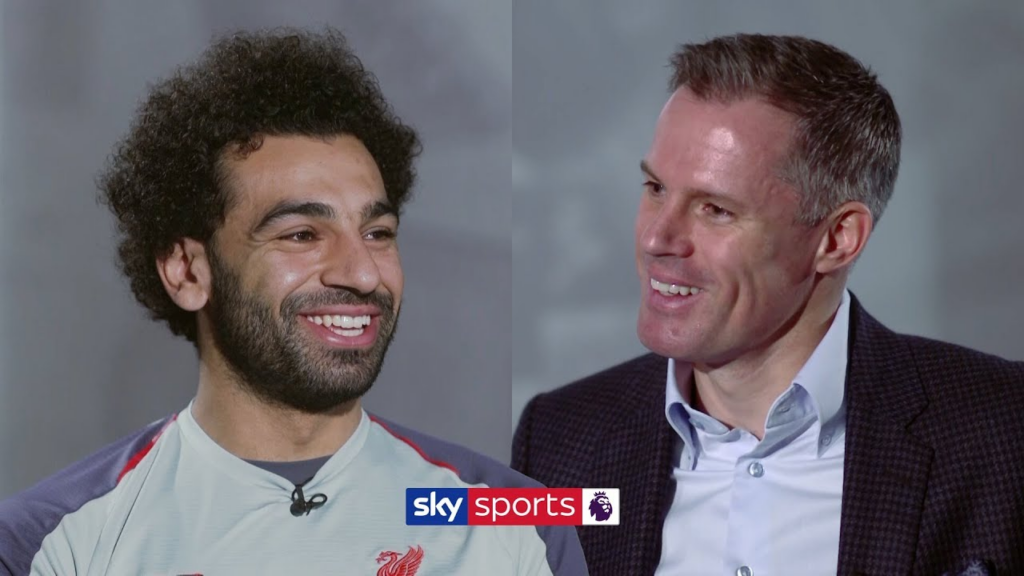
In the midst of a growing controversy, Jamie Carragher’s criticism of Mohamed Salah has sparked intense discussions within the football community. Following Salah’s comments regarding his dissatisfaction with being benched for consecutive matches, Carragher took to Sky Sports to dissect the “Salah Liverpool situation” in an eight-minute rant deemed both scathing and insightful. He articulated his belief that Salah’s remarks were a calculated move aimed at exerting pressure on the club during tough times. The Liverpool legend did not hold back, dissecting the implications of what he referred to as the “Salah benching controversy” and its potential impact on the team and its dynamics. As fans digest these revelations, Carragher’s comments, including his portrayal of Salah’s conduct in the “Carragher rant video,” raise crucial questions about player conduct and responsibility within a team framework.
The dialogue surrounding the recent comments from Liverpool superstar Mohamed Salah and Jamie Carragher’s biting critique highlights a pivotal moment in Premier League narratives. With tensions simmering over Salah’s recent benching and his public expression of discontent, Carragher has emerged as a prominent voice criticizing the approach and attitude of high-profile players. This escalating drama not only captivates Liverpool fans but also reverberates through the footballing world, as discussions shift towards broader implications within the team dynamics and management strategies. As the relationship between Salah and the club becomes increasingly strained, it brings to light issues regarding player commitment, the impact of public statements, and the nature of loyalty in the fast-paced world of professional football. The discourse reflects a growing concern among supporters about how such disputes might influence both on-field performance and Liverpool’s strategy in the transfer market.
The Fallout from Jamie Carragher’s Salah Criticism
The recent backlash against Mohamed Salah’s comments during a media interview has ignited a fierce discussion, particularly catalyzed by Liverpool legend Jamie Carragher’s insightful critique. Carragher took to Sky Sports to vocalize his disapproval, labeling Salah’s actions as disrespectful toward the club. His rant, lasting over eight minutes, highlighted the significance of timing in Salah’s statements, especially following a disappointing match result for Liverpool. This commentary draws attention to the wider implications of Salah’s remarks on the club’s morale, especially amid their ongoing struggles in the Premier League.
The tension between a player of Salah’s stature and the club’s management exemplifies the complexities of modern football, where elite athletes wield significant influence. Carragher’s assertion that Salah has publicly undermined the coaches and the club during a tumultuous period raises crucial questions about the player’s motivations. With Liverpool’s recent slump, such statements from key figures like Salah could potentially exacerbate the issues within the squad, creating distractions that could hurt team performance. Carragher’s criticism effectively underscores the need for solidarity among players, especially in challenging times.
Understanding Salah’s Position: The Liverpool Transfer Market Perspective
Salah’s discontent comes at a time when the Liverpool transfer market is under scrutiny. Fans and analysts alike speculate whether the club’s current strategy adequately supports Salah and the team’s overall ambitions. Carragher insinuates that Salah’s statements serve a dual purpose; they not only signify personal dissatisfaction but also reflect a broader critique of the club’s recruitment policies and managerial decisions. The recent comments have sparked discussions about whether Salah feels that the club has provided sufficient resources and support to compete at the highest level.
In recent seasons, Liverpool’s transfers have been polarizing, with high-profile departures and minimal impactful signings leading to increasing frustration. Carragher’s emphasis on Salah’s past achievements brings to light the contrast between individual glory and the need for collective success. For Salah, being sidelined during crucial matches raises uncertainty about his future at the club, prompting critical analysis of whether the current squad can return to its glory days. This situation raises imperative questions about the club’s direction in the transfer market and whether it aligns with the ambitions of its star players.
Carragher’s Rant Video: Analyzing the Impact on Liverpool
The virality of Carragher’s rant video has attracted widespread attention, both from fans and the media. In his critique, he underscores not just Salah’s behavior but the broader implications it might have on the squad’s cohesion. The passionate delivery of his remarks resonates with many Liverpool supporters who feel a sense of loyalty and responsibility toward the club. Carragher articulates a sentiment that many share: that every player, including Salah, needs to prioritize the team’s needs over personal accolades, particularly during trying times.
Through the rant, Carragher has inadvertently spotlighted the challenges faced by players in handling fame and performance expectations. Operating within the high-stakes environment of the Premier League often leads to emotional outbursts, but Carragher’s comments challenge Salah’s approach. As fans digest the ramifications of such public critiques, it raises the question: how should athletes balance personal ambition with team loyalty? The lasting impact of Carragher’s video goes beyond mere controversy—it invites passionate discussions about commitment, teamwork, and the responsibilities of high-profile athletes.
Salah Bench Controversy: Exploring Its Consequences
The controversy surrounding Salah’s benching has elicited varied responses from fans, analysts, and former players alike. As Carragher points out, Salah’s recent performances and his aversion to defensive responsibilities have played a significant role in the decision to bench him. This decision reflects broader strategic considerations by management, aiming to shore up defensive vulnerabilities. The benching controversy thus highlights a critical juncture for both Salah and the coaching staff, as it indicates the urgent need for tactical alignment and accountability.
Furthermore, how Salah reacts to this situation will likely shape his legacy at Liverpool. The criticism he faces from Carragher and others may serve as a wake-up call for the player to re-evaluate his role within the team dynamic. The expectation is that star players integrate their talents in a manner that uplifts the entire squad, hence it becomes crucial for Salah to consider the implications of his actions on his teammates. The discourse surrounding Salah’s benching underlines significant themes of performance pressure, expectations for elite players, and the essential nature of teamwork.
The Role of Media in Football Controversies: A Broader Perspective
The role of media in shaping public perception during high-stakes football controversies cannot be understated. Carragher’s searing critique of Salah has not only amplified the conversation around individual responsibilities but has also put a spotlight on how media narratives can influence player reputations. The mixed interpretations of Salah’s interview reveal the media’s power to frame stories that can lead to either vindication or condemnation for athletes. This interplay poses a broader question regarding the responsibility of both players and pundits in maintaining a balanced discourse.
In today’s digital age, a single statement can spark widespread debates that shape public sentiment quickly. Carragher’s commentary, while personal, resonates with many who feel that athletes have a duty not only to perform but to engage positively with the club and its supporters. The synergy between media and football highlights the potential for both to impact player morale and the club’s internal dynamics, necessitating a more thoughtful approach from both parties to promote a constructive environment.
Jamie Carragher on Salah’s Legacy: Balancing Individuality and Team Success
Negotiating the complex relationship between personal accolades and club loyalty forms a significant part of Salah’s narrative. Carragher’s remarks about Salah’s legacy firmly place the focus on how individual talents should contribute to the collective success of Liverpool. Historical comparisons with players like Messi and Ronaldo further amplify the stakes; while Salah has achieved remarkable feats in his career, the current situation necessitates that he align his ambitions with the club’s direction. Carragher’s perspective challenges not only Salah’s tactics but also elevates the expectations placed on athletes of his caliber.
As Salah continues to navigate his position amidst rising tensions, he is inevitably reminded of his contributions to Liverpool’s storied history. Carragher poignantly mentions the legacies of past Liverpool legends—highlighting that the truly great players evolve to aid their teammates and the team ethos rather than simply chase individual stats. This narrative encourages Salah to consider the broader impact of his actions and statements, urging him to embrace a multifaceted role that supports both his ambitions and the goals of Liverpool Football Club.
Managing Expectations: Salah’s Future at Liverpool
The debate surrounding Salah’s future at Liverpool has intensified as his comments and recent benching cultivated a charged atmosphere. With Carragher’s words echoing the sentiments of many fans, the pressure on Salah to adapt his approach increases significantly. The expectation for him to both contribute on the pitch and maintain a positive public persona becomes even more crucial; failure to navigate this could lead to potential transfers or a diminished legacy. Every move he makes will be scrutinized under the weight of his recent comments and public perception.
As the club grapples with its identity in the current season, Salah’s role becomes a test case for understanding how top players can influence team dynamics positively. His legacy at Liverpool is not solely tied to his goal-scoring prowess but rather how he can rally the squad and contribute to restoring the club’s fortunes. The ongoing discussions about his future thus serve as a reminder of the profound impact that public comments and personal conduct can have on a player’s standing in a loyal fanbase.
Reflecting on Salah: A Player in Transition
As Salah navigates through criticism and controversy, it’s essential to reflect on his evolution as a player. Carragher’s assertions challenge the notion that any player, no matter how talented, is immune to accountability. Salah’s past achievements and current frustration must be seen in light of his journey: transitioning from a player reviled at Chelsea to a club icon at Liverpool. This metamorphosis represents the duality of sporting success, wherein a player needs to balance past accolades with an ever-evolving present.
Transition periods for athletes often instigate self-reflection, propelling them to reconsider their roles within the squad. Salah now stands at such a crossroads where he can utilize Carragher’s critique to fuel not just personal growth but also foster stronger camaraderie with teammates. His ultimate response to this situation may very well dictate the trajectory of his career at Liverpool. The way forward demands not solely a focus on individual achievements but a commitment to advancing the collective goals of the club.
The Power of Communication in Football: Lessons from Carragher and Salah
Communication plays a pivotal role in football culture, impacting everything from team dynamics to public relations. The exchange between Carragher and Salah is illustrative of how athlete statements resonate beyond the pitch, influencing fan opinions and media narratives. Carragher’s detailed criticism serves as a reminder of the responsibility players have to communicate effectively with fans and the media. Effective communication can build strong relationships, but when mishandled, it stirs controversy and can lead to lasting damage.
In the wake of such discussions, it’s imperative for athletes like Salah to harness the power of their voices positively. Salah’s remarks about his dissatisfaction highlight the need for open communication channels, not just for self-expression but also for fostering unity within the club. Establishing dialogue that is both constructive and forward-thinking can bridge gaps and promote better understanding among players, coaches, and supporters alike. This situation emphasizes the continued relevance of effective communication in football, showcasing how it can either uplift a team or, conversely, contribute to its unraveling.
Frequently Asked Questions
What were Jamie Carragher’s comments regarding Salah’s situation with Liverpool?
Jamie Carragher criticized Salah’s comments made after Liverpool’s draw with Leeds United, expressing that Salah’s remarks were calculated and aimed at maximizing damage to his own position rather than an emotional outburst. Carragher believes Salah’s timing was intentional, potentially trying to influence the club’s management during a difficult period.
How did Jamie Carragher respond to Salah’s benching controversy?
Carragher expressed that Salah’s dissatisfaction with being benched for consecutive matches reflected poorly on him. He argued that instead of attempting to pressure the Liverpool management after poor results, Salah should focus on supporting the team during tough times, particularly when Liverpool is struggling.
What did Carragher mean by Salah ‘throwing the club under the bus’?
Carragher accused Salah of trying to undermine the club by airing grievances publicly and referring to the phrase ‘thrown under the bus’. He emphasized that Salah should be thankful for his position within the club and suggested that during challenging times, a player of his caliber should contribute positively rather than criticize.
Did Jamie Carragher think Salah should be treated differently at Liverpool due to his status?
While Carragher acknowledged Salah’s status as a world-renowned player, he argued that elite players like Salah, Messi, or Ronaldo often enjoy privileges within their clubs. He believes that while such players may feel they are pivotal for the team, they also have responsibilities to support their teammates and the club’s overall success.
What aspects of Salah’s performance did Carragher highlight during his criticism?
Carragher highlighted that while Salah is a legend at Liverpool, he should be more supportive of teammates on the pitch, particularly in assisting younger players like Florian Wirtz. He urged Salah to prioritize teamwork over individual accolades, especially during critical moments in matches.
What implications does Carragher’s criticism have for Salah’s future at Liverpool?
Carragher suggested that if Salah continues to publicly address his issues with the club and prioritizes personal stats over team success, it could jeopardize his future with Liverpool. He hopes Salah will return to form and contribute positively but expressed uncertainty about what lies ahead if Salah maintains this attitude.
How did Jamie Carragher view the relationship between Salah and Liverpool’s management?
Carragher noted that Salah has publicly expressed dissatisfaction with manager Arne Slot, suggesting that their relationship has soured. He implied that Salah’s comments could indicate a deeper rift, which Carragher believes is problematic given the club’s struggles.
What should Salah remember about his career before joining Liverpool according to Carragher?
Carragher reminded Salah that before joining Liverpool, he was regarded as a player who had not yet succeeded at Chelsea and had not won significant trophies. This perspective, according to Carragher, serves as a reminder that Salah should appreciate the support from the club, fans, and teammates rather than focusing solely on individual achievement.
Why does Jamie Carragher believe Salah’s current behavior is problematic for Liverpool?
Carragher believes that Salah’s behavior is problematic as it adds to the pressure on the club during a rough patch. By publicly declaring his discontent and making potentially damaging comments, Salah risks creating further discord which could detract from the team’s collective effort to overcome obstacles.
How might Carragher’s criticisms affect Salah’s fanbase and public perception?
Carragher’s criticisms could polarize opinions about Salah among Liverpool fans. While he acknowledges Salah’s contributions and status as a club legend, these critiques may lead to some fans reassessing their views on Salah’s commitment and attitude towards the team’s success.
| Key Point | Details |
|---|---|
| Salah’s Benchings | Salah expressed frustration over being benched for three consecutive matches during a media interview. |
| Comments on Relationship with Coach | Salah mentioned having no relationship with head coach Arne Slot and felt undermined by the club. |
| Carragher’s Response | Carragher criticized Salah’s remarks, labeling them as a tactic to manipulate the situation for personal gain. |
| Timing of the Outburst | Carragher pointed out that Salah’s comments came after a disappointing match, implying it was a strategic move. |
| Salah’s Legacy | While Carragher values Salah’s contributions, he urges the player to focus on teamwork rather than individual stats. |
| Expectations from Elite Players | Carragher suggested that top players like Salah need to balance personal ambitions with the club’s needs. |
Summary
The topic of Jamie Carragher’s criticism of Mohamed Salah highlights the tension between individual player aspirations and team dynamics. Jamie Carragher’s Salah Criticism centered on the Egyptian’s recent comments regarding his benching and relationship with the coach, portraying them as self-serving and disruptive. Carragher’s remarks serve as a reminder that while individual brilliance is celebrated, the importance of teamwork and collective effort remains paramount in football.

