Listen to this article
In a devastating series of Israeli airstrikes across the Gaza Strip, at least 28 individuals have lost their lives, raising alarm amidst ongoing tensions in the region. Reports from local authorities highlight that many casualties include women and children, exacerbating concerns over the humanitarian crisis in Gaza. The strikes, reportedly some of the most intense since the ceasefire initiated by President Trump earlier this month, targeted essential civilian shelters, including a tent housing displaced families in Khan Younis. As the Israel-Hamas conflict continues, both sides blame each other for breaching terms of the truce, contributing to a climate of fear and uncertainty. Coverage of the Gaza airstrikes in October 2023 has drawn global attention, as the civilian casualties mount and the world watches how Israel’s military actions impact the lives of everyday Palestinians.
Recent military operations involving Israeli air raids on Gaza have sparked widespread outrage and concern regarding their implications for the ongoing Israel-Hamas conflict. The strikes, which have led to significant civilian casualties in Gaza, underscore a deepening humanitarian crisis facing the region. As the situation develops, the international community is closely monitoring developments related to the October airstrikes, particularly regarding their impact on vulnerable populations displaced by violence. With multiple reports emerging from various sources, the narrative surrounding the humanitarian disaster is increasingly complex, reflecting the dire state of affairs for many Gazans caught in the crossfire. As both parties engage in hostilities, the need for immediate humanitarian intervention has never been more urgent.
Impact of Israeli Airstrikes on Civilians in Gaza
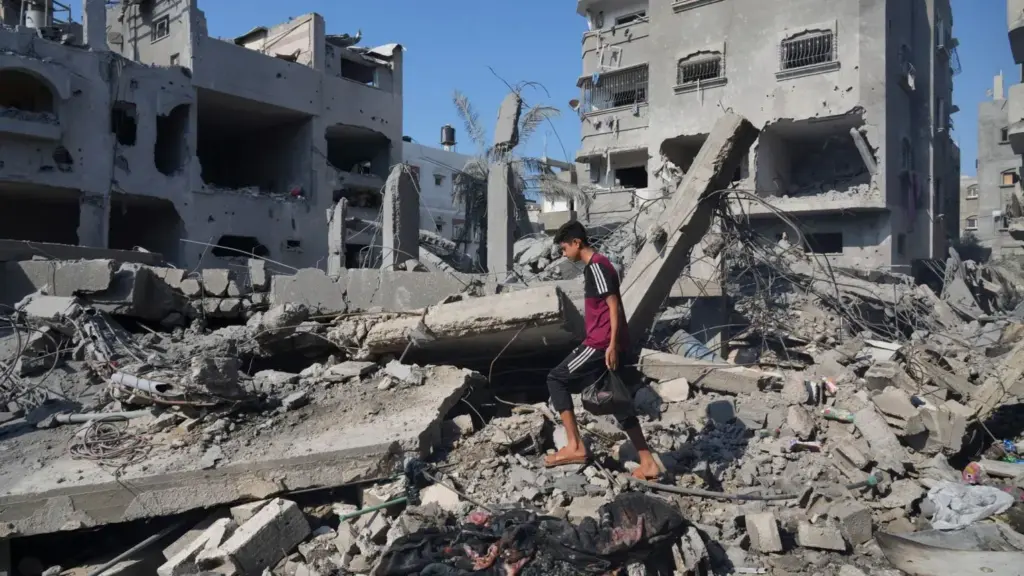
The recent series of Israeli airstrikes across the Gaza Strip has resulted in devastating civilian casualties, with authorities confirming at least 28 deaths, including women and children. Local reports have highlighted that these airstrikes are particularly intense, marking a significant escalation in hostilities since the ceasefire brokered earlier this month. The tragedy of the situation has been compounded by the targeting of a tent sheltering displaced families in Khan Younis, showcasing the indiscriminate nature of the bombardments that have struck residential areas, shelters, and even places meant for humanitarian aid.
These civilian losses underscore the dire humanitarian crisis currently unfolding in Gaza, where families are already grappling with the aftermath of prior conflicts and ongoing blockades. The situation has led to widespread terror and sorrow among the population, with many families mourning the loss of loved ones, as exemplified by the heart-wrenching accounts of victims’ relatives lamenting the death of innocent children caught in the crossfire. The international community has been urged to intervene and address the escalating violence, which threatens to exacerbate the humanitarian needs of the already vulnerable civilian population.
Frequently Asked Questions
What are the recent developments in the Israeli airstrikes on Gaza?
Recent developments indicate that on Saturday, a series of Israeli airstrikes targeted various locations across the Gaza Strip, resulting in the deaths of at least 28 individuals, including children and women. This escalation is described as one of the most intense since the truce brokered in October began.
How have civilian casualties in Gaza been affected by the Israeli airstrikes?
The Israeli airstrikes have significantly increased civilian casualties in Gaza. Since the ceasefire began, reports indicate that approximately 509 Palestinians have been killed as a result of the strikes, many of whom were non-combatants, highlighting the ongoing humanitarian crisis in the region.
What triggered the latest Israeli airstrikes in Gaza?
The latest Israeli airstrikes on Gaza were triggered by what the Israeli military termed a violation by Hamas of the ceasefire agreement. The Israeli Defense Forces (IDF) stated that their operations targeted individuals they identified as terrorists involved in Hamas’ underground infrastructure.
What is the humanitarian crisis in Gaza amidst the airstrikes?
The ongoing humanitarian crisis in Gaza is exacerbated by the recent airstrikes, leading to increased displacement, loss of civilian lives, and destruction of civilian infrastructure including shelters and medical facilities. With over 71,660 reported deaths since the conflict intensified, the need for humanitarian aid and intervention is urgent.
How did Hamas respond to the Israeli airstrikes?
Hamas condemned the Israeli airstrikes, urging international intervention and labeling the attacks as a continuation of a brutal campaign against the people of Gaza. They reported multiple casualties from the strikes and described the targeting of residential areas as a violation of human rights.
What impact have the Israeli airstrikes had on the Rafah crossing?
The recent Israeli airstrikes came just as the Rafah crossing, Gaza’s gateway to Egypt, was expected to reopen for humanitarian aid. The timing has raised concerns about the flow of necessary supplies to the Gaza Strip amid an already dire humanitarian crisis.
What are the statistics on deaths from both sides of the Israel-Hamas conflict?
The ongoing conflict has resulted in a tragic loss of life, with approximately 1,200 people reported killed in Israel following the Hamas-led attack on October 7, 2023, while over 71,660 casualties have been reported in Gaza since the escalation, amplifying the severity of the crisis.
How reliable are the casualty figures reported by the Hamas-run health ministry?
The casualty figures reported by the Hamas-run health ministry have been recognized as reliable by the UN and other human rights organizations, though Israel often disputes these figures. Despite this, international media frequently cite the health ministry’s data.
What measures can be taken to address the civilian impact of Israeli airstrikes on Gaza?
To address the civilian impact of Israeli airstrikes on Gaza, measures such as enforcing stricter rules of engagement to protect non-combatants, increasing humanitarian aid access, and pursuing diplomatic channels for ceasefires and peace negotiations are essential.
What has been the global reaction to the Israeli airstrikes in Gaza?
The global reaction to the Israeli airstrikes has been one of condemnation from multiple nations and humanitarian organizations, calling for restraint and urging Israel to reconsider its military tactics that have led to high civilian casualties.
| Category | Details |
|---|---|
| Casualties | At least 28 people killed, including children and women. |
| Impact Area | Attacks primarily concentrated in Khan Younis and Rafah. |
| Nature of Attacks | Israeli airstrikes included targeting residential shelters and military infrastructure. |
| Response to Violations | Israel claims airstrikes were responses to Hamas’s violation of ceasefire. |
| Hamas’s Reaction | Hamas condemned the strikes, calling them an act of war. |
| Conflict Background | Conflict escalated following a Hamas attack in October 2023. |
| Casualty Figures since Conflict Began | Hamas: 71,660 killed in Gaza, including 509 since ceasefire. |
| International Responses | Egypt condemned airstrikes, calls for restraint from all parties. |
Summary
The recent Israeli airstrikes in Gaza, which led to the tragic loss of at least 28 lives, highlight the ongoing conflict and humanitarian crisis in the region. With the strikes being characterized as some of the most intense since the ceasefire began, both Israel and Hamas continue to blame each other for violations. The strikes have targeted residential areas and military sites, leading to significant casualties. As the Rafah crossing prepares to reopen, the call for international intervention grows, emphasizing the need for a renewed focus on peace and resolution in the Israeli-Palestinian conflict.