Listen to this article
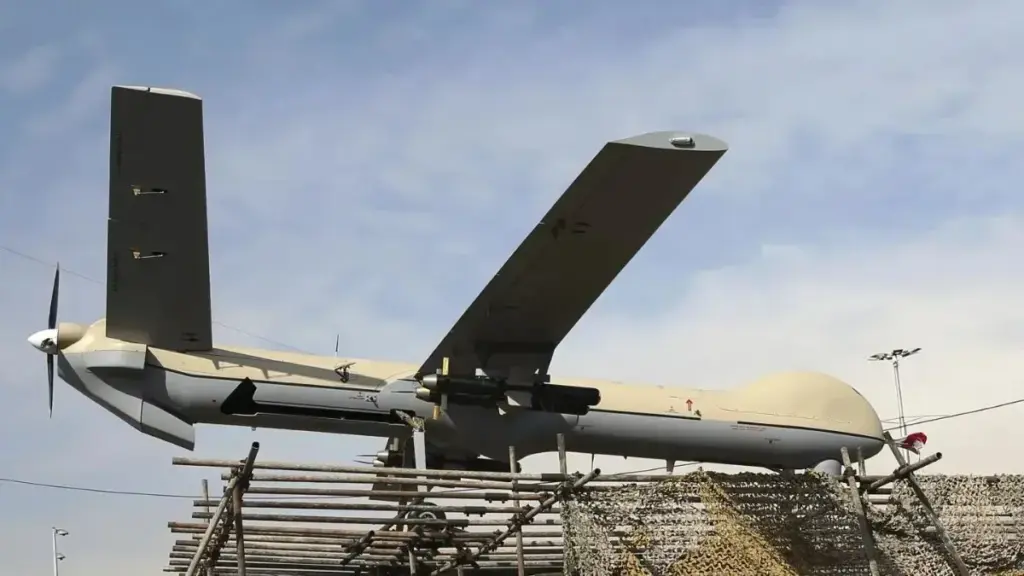
The recent Iranian drone incident has intensified military tensions between the US and Iran, underscoring the delicate nature of their relations. On Tuesday, an F-35C stealth fighter jet, deployed from the USS Abraham Lincoln, shot down an Iranian drone that was aggressively approaching the aircraft carrier in the Arabian Sea. This defensive action took place approximately 500 miles from Iran’s coast, raising alarms about the drone’s unclear intent. Thankfully, no US personnel were harmed in this encounter, yet it highlights the ongoing drone conflict in the Middle East and the precarious balance of power in the region. As the US bolsters its military presence and President Trump threatens consequences over Iran’s nuclear ambitions, incidents like this only exacerbate the fragile situation between these two nations.
In light of the recent incident involving an Iranian unmanned aerial vehicle, escalating military confrontations in the region have come to the forefront. The American response, marked by the downing of a drone near a naval carrier, reflects the ongoing strains in US-Iran relations that have defined the geopolitical landscape of the Middle East. As tensions persist, the potential for drone warfare and aerial skirmishes looms large, with both sides continuously gauging each other’s military capabilities. With a crucial dialogue planned between the US and Iran, the delicate balance between diplomacy and military action hangs in the balance, highlighting the strategic significance of maintaining secure maritime routes and averting further hostilities.
US Shoots Down Iranian Drone: A Tipping Point in Military Tensions
The recent incident where the US military shot down an Iranian drone marks a significant escalation in the ongoing military tensions between the United States and Iran. As an Iranian drone approached the USS Abraham Lincoln aircraft carrier, its aggressive trajectory triggered the response from an F-35C stealth fighter jet, which acted in self-defense to protect US personnel and equipment. This incident has drawn attention not only for the downing of the drone itself, but also for the broader implications it holds for US-Iran relations and the delicate balance of power in the Middle East. With the USS Abraham Lincoln positioned approximately 500 miles from the Iranian shore, the intent of the drone remains ambiguous, raising concerns over the increasing frequency of military encounters in the region.
As US President Trump continues to leverage military threats against Iran while promoting diplomatic negotiations, the situation remains precarious. The President’s administration has consistently stated its commitment to addressing Iranian provocations through a multifaceted approach that includes both diplomacy and military readiness. The downing of the drone sends a clear signal to Tehran that any aggressive actions in the vicinity of US forces will not be tolerated, further heightening the stakes for upcoming negotiations between the two nations.
In the backdrop of the drone incident, the overarching tension between the US and Iran can be traced to a series of events that include not only military confrontations but also years of strained diplomatic relations. The downed drone incident is indicative of an environment where military responses are frequently employed, suggesting that the potential for further conflict remains ever-present. As both sides prepare for negotiations, the events of this week serve as a stark reminder of the fraught relations that often shape discussions surrounding nuclear threats, human rights, and regional stability. Amidst this turmoil, Iran’s Supreme Leader has warned that any military action could lead to catastrophic consequences in the region, emphasizing the delicate nature of ongoing talks and the critical need for a conducive diplomatic environment.
Military Presence and Escalating Conflicts in the Middle East
The strategic military presence of the United States in the Middle East has come under renewed scrutiny following recent incidents such as the downing of the Iranian drone. As tensions escalate, the US has significantly ramped up its military deployments in the region, with the USS Abraham Lincoln serving as a focal point. The presence of such advanced military assets reflects not only America’s commitment to its allies but also its resolve to counter perceived threats from Iran and its regional proxies. With the Strait of Hormuz being a critical juncture for global oil shipping, any harassment of US vessels, as reported in a separate incident on the same day, underscores the urgency of maintaining security in this vital waterway.
These military tensions in the region are further exacerbated by ongoing geopolitical rivalries and Iran’s controversial nuclear program. As negotiations emerge on the horizon, the stakes are higher than ever, making the prospect of military confrontation a constant concern. The international community is watching closely, especially as segments of Iranian leadership showcase a willingness to confront US military actions. A miscalculation during these volatile times could spiral into larger conflicts, prompting fears of a widespread destabilization in the Middle East.
The US military’s recent actions not only highlight the need for immediate protective measures but also reflect deeper strategic interests in countering Iranian influence throughout the region. Reports suggest that Iranian military provocations, including drone operations and harassment of shipping lanes, are becoming increasingly assertive. Washington’s military readiness, characterized by the presence of aircraft carriers like the USS Abraham Lincoln, aims to deter Iran’s aggressive behavior while also reinforcing alliances with regional Gulf states wary of Tehran’s military aspirations. However, this cycle of military posturing raises critical questions about the long-term viability of US-Iran relations moving forward.
Negotiation Prospects Amid Rising Military Tensions
Amid the backdrop of escalating military tensions, recent developments indicate that both the US and Iran are still committed to pursuing diplomatic negotiations, even as incidents like the drone downing complicate conversations. White House Press Secretary Karoline Leavitt affirmed that negotiations are set to continue later this week, as the US seeks to address a number of pressing issues, including Iran’s nuclear program and ongoing human rights violations. The diplomatic pathway remains fraught with challenges; however, President Trump’s insistence on prioritizing diplomacy indicates a desire to de-escalate tensions without resorting to military conflict as a first option.
While the full details of the upcoming talks remain unclear, the White House’s commitment to engage with Iranian officials remains pivotal for both sides. The delicate nature of these discussions, compounded by public sentiments in both countries, underscores the importance of approaching negotiations with a clear recognition of the regional dynamics at play. The latest incidents serve as a stark reminder that, while diplomacy remains crucial, the potential for military incidents can significantly derail the process.
Iranian leaders, too, have expressed a willingness to engage in negotiations, contingent on creating a suitable environment for dialogue, highlighting a mutual interest in finding a resolution despite external pressures. The juxtaposition of military readiness and diplomatic outreach paints a complex picture of US-Iran relations, where both nations grapple with the implications of their actions on a regional and global scale. As talks are scheduled to take place involving various stakeholders, the strategic posturing showcased by both countries could either foster greater dialogue or escalate regressive dynamics unless deftly managed.
The Role of Allies in US-Iran Negotiations
As the United States prepares for negotiations with Iran, the involvement of regional allies becomes increasingly crucial in shaping outcomes. Countries such as Saudi Arabia, the UAE, and Oman play a significant role in the diplomatic framework intended to counterbalance Iranian influence. The inclusion of these nations in dialogues showcases the broader coalition against Iran’s nuclear ambitions and military aggressions in the region. This cooperative effort not only reinforces US interests in stability and security but also signals to Iran that its actions will be met with a unified front of regional opposition.
Ally engagement can significantly impact the negotiations, as the contrasting perspectives and vested interests of different nations may lead to varied approaches toward resolving tensions. As the US continues to consult with regional partners, the nature of these alliances will be tested against Tehran’s containment strategy, potentially impacting the likelihood of successful diplomatic outcomes. Maintaining solidarity among allies will be essential as the situation evolves, especially if Iranian provocations threaten the security dynamics in the Strait of Hormuz, which are critical to global energy supplies.
The recent downing of the Iranian drone also amplifies the need for collective security measures among US allies in response to Iranian aggression. Security collaborations, such as joint military exercises and intelligence-sharing efforts, should enhance preparations in anticipation of further threats from Iran. As regional allies and the US mutually navigate these heightened tensions, their ability to present a united stance on issues affecting stability will be instrumental in countering any Iranian efforts to exploit divisions within the coalition. Consequently, as the negotiations take shape, the role of these partnerships will serve as both a deterrent and a pivotal factor in achieving a lasting resolution to disputes.
Implications of Military Encounters on US Foreign Policy
The recent military encounter in which the US shot down an Iranian drone has far-reaching implications for US foreign policy in the Middle East. It illustrates a firm stance against perceived threats and reinforces America’s commitment to protecting its assets and personnel stationed in the region. This incident reflects a broader strategy where US military decisions are influenced by real-time threats, and a clear message is sent that aggression will be met with immediate defensive action. Moving forward, this could dictate the US approach to diplomatic relations, potentially leading to a tougher stance against Iranian provocations, especially amid ongoing nuclear discussions.
As tensions between the US and Iran continue to simmer, policymakers will have to carefully weigh the impacts of military actions against the overarching goal of negotiating peace. A military engagement that escalates conflict could undermine any progress made through diplomatic channels, ultimately complicating efforts to reach a comprehensive agreement. The duality of military readiness and diplomatic outreach sets the stage for a complex political environment where strategic decision-making will require acute awareness of both regional dynamics and internal pressures.
The US’s recent military operations also signify a shift towards a more aggressive foreign policy framework that focuses on deterrence while embracing negotiation efforts. As calls for military interventions in various scenarios arise, the nuance involved in addressing Iranian aggressions will require a balance between strength and diplomacy. The unfolding developments, including the response to the drone incident and ongoing negotiations, will shape the narrative surrounding US-Iran relations, impacting not only the immediate geopolitical landscape but also America’s long-term position and influence in the Middle East.
Iran’s Response and the Road Ahead
In the wake of the US drone incident, Iran is under mounting pressure to respond strategically to minimize the potential escalation of military actions. While Tehran has historically adopted a confrontational posture amidst provocations, the government must also consider the implications of further escalation, especially with the ongoing nuclear negotiations on the horizon. Persian Gulf states are keen observers of these developments, often advising restraint from Tehran to avoid more severe repercussions. Iran’s response mechanisms will likely involve calibrated military posturing that seeks to deter further US incursions while avoiding outright conflict that could jeopardize its political stability and international standing.
Iran’s Supreme Leader’s rhetoric emphasizes the notion of protecting national sovereignty and Iran’s vital interests in the region. Yet, with the United States armed and ready to act, Iran must navigate a precarious situation where bold declarations are matched by the realism of military power dynamics. Future Iranian strategies may leverage regional alliances and influence over non-state actors as a way to create strategic dilemmas for US policymakers in their pursuit of a comprehensive agreement.
The path forward for both the US and Iran will require a delicate balance of military readiness and diplomatic engagement. Given the historical context of US-Iran interactions, any missteps could unravel the potential for a peaceful resolution to their longstanding grievances. Furthermore, Tehran’s calculations about responding to US military dominance in the region will likely influence its willingness to engage meaningfully in the upcoming talks. As both nations prepare for what could be groundbreaking discussions, the geopolitical stakes underscore the need for a carefully calibrated approach that encompasses both military deterrence and earnest dialogue.
Understanding the Broader Regional Impact of Military Actions
The recent military actions involving the US and Iran play out against a backdrop of complex regional dynamics in the Middle East, influencing not only bilateral relations but also the larger geopolitical landscape. As the US engages in military encounters to assert its presence, neighboring countries closely monitor these developments, considering their own security ramifications. Events like the downing of the Iranian drone by the USS Abraham Lincoln highlight the fragility of peace in a region marked by competing interests, sectarian conflicts, and historical animosities that shape the interactions between various state and non-state actors.
Geopolitical alliances in the region are in flux, and Iran’s posture affects not just its relationship with the United States but also with Gulf Cooperation Council allies and other regional powers. The recent confrontation reinforces the notion that military actions can lead to broader implications, prompting nations to rethink their strategies and alliances. With energy interests at stake, security considerations, and the presence of military assets in the region, the responses by nations impacted by US-Iran interactions are crucial, as they shape the prospects for peace and stability.
Moreover, the ongoing tension and military incidents can have ripple effects beyond the immediate geography, influencing global markets, international relations, and foreign policy decisions made by other global powers. Countries that engage in trade and diplomacy with the Middle East must consider the ramifications of rising military tensions, particularly as disruptions in oil shipping routes could lead to significant economic consequences. As military encounters between the US and Iran unfold, stakeholders, including Europe, Russia, and China, must navigate a path that balances their interests with the need to promote stability in the region.
Frequently Asked Questions
What triggered the US to shoot down the Iranian drone in the recent Iranian drone incident?
The US shot down an Iranian drone as it aggressively approached the USS Abraham Lincoln aircraft carrier while operating in the Arabian Sea. The drone approached with unclear intent, prompting an F-35C stealth fighter jet to engage the drone in self-defense to protect the carrier and its crew.
How does the Iranian drone incident reflect military tensions between Iran and the US?
The Iranian drone incident underscores the heightened military tensions between Iran and the US, particularly as the US has been increasing its military presence in the Middle East amid ongoing conflicts regarding Iran’s nuclear program and its military operations in the region.
What are the implications for Iran US relations following the drone conflict?
The downing of the Iranian drone may complicate Iran US relations, as the US asserts its commitment to defending its assets. This incident arrives as negotiations are planned, indicating a critical juncture where military actions and diplomatic efforts may intertwine.
What actions did the US military take following the Iranian drone incident?
Following the Iranian drone incident, the US military affirmed that no US personnel were harmed and confirmed that the F-35C fighter jet operated in self-defense. Additionally, the US reaffirmed its commitment to defend its interests in the region amidst rising military tensions with Iran.
How has Iran responded to the downing of its drone in the incident near the USS Abraham Lincoln?
As of now, Iran has not publicly commented on the downing of its drone near the USS Abraham Lincoln. However, the incident has added another layer to the ongoing diplomatic tensions and military standoffs between Iran and the United States.
What challenges do military incidents like the Iranian drone incident pose for US diplomatic efforts?
Military incidents such as the Iranian drone incident pose significant challenges for US diplomatic efforts by escalating tensions and making negotiation environments more precarious. Diplomatic solutions may become increasingly difficult to achieve amid ongoing military confrontations.
What might be the potential consequences of the Iranian drone incident on future US military strategies?
The Iranian drone incident could lead the US to reassess its military strategies in the region, potentially increasing its defense postures and tactical readiness to prevent further aggressive actions from Iranian forces, while also impacting ongoing diplomatic discussions.
| Key Points | Details |
|---|---|
| Incident Overview | An Iranian drone was shot down by a US F-35C fighter jet near the USS Abraham Lincoln aircraft carrier. |
| Reason for Action | The drone approached the carrier aggressively with unclear intent, prompting self-defense measures. |
| No Casualties | The incident resulted in no damage to US equipment and no harm to its personnel. |
| Diplomatic Context | Talks between the US and Iran are scheduled to continue, despite escalating tensions. |
| Iran’s Reaction | No official comment from Iran on the downed drone incident; a warning by Khamenei regarding attacks. |
| US Military Presence | US is increasing military presence in the region amid heightened tensions with Iran. |
| Related Incidents | There were reports of harassment aimed at a US merchant vessel by Iran’s IRGC in the Strait of Hormuz. |
| Geopolitical Implications | The Iranian drone incident is a reflection of wider tensions between the US and Iran, affecting regional stability. |
Summary
The Iranian drone incident serves as a critical reminder of the ongoing tensions between the US and Iran. On an operational level, the US shot down an Iranian drone that approached its aircraft carrier in the Arabian Sea, emphasizing its commitment to protect its assets and personnel. This incident is invested in a larger complex web of military and diplomatic activities, including ongoing negotiations that highlight the fragile nature of US-Iran relations. As both nations navigate these turbulent waters, the potential for military engagement remains a pressing concern, with diplomatic discussions continuing to unfold.