Listen to this article
The recent decision to place Iran’s Revolutionary Guards on the terrorist listing has sent shockwaves through the international community, particularly in light of the ongoing unrest in the country. The European Union’s action, a direct response to the brutal crackdown on protesters by the Islamic Revolutionary Guard Corps (IRGC), aligns the organization with terrorist entities like al-Qaeda. This designation comes amidst widespread allegations of Iran human rights violations and highlights the bloc’s commitment to holding Tehran accountable for its actions. As EU sanctions against Iran intensify, critics argue that this move may further isolate the nation while risking diplomatic relations. The IRGC’s extensive military and financial influence makes the implications of this classification particularly significant, raising questions about the future of stability in the region and the ongoing struggle for freedom amid Iran unrest protests.
The recent classification of Iran’s Islamic Revolutionary Guard Corps as a terrorist entity marks a pivotal moment in the EU’s stance against Tehran’s aggressive military and political tactics. Known for its role in maintaining the Islamic Republic’s regime, the IRGC is now scrutinized alongside known jihadist organizations due to its involvement in violent repression and gross human rights abuses. This action underscores the European Union’s growing resolve to address Iran’s oppressive behavior, particularly in the wake of escalating protests against its government. As the EU enforces fresh sanctions against Iranian entities, this designation not only aims to mitigate the ongoing unrest but also sends a clear message about the consequences of state-sponsored violence. With the IRGC firmly listed among organizations tied to terrorism, the implications for international diplomacy and regional security could be profound.
The Impact of EU Sanctions on Iran’s Islamic Revolutionary Guard Corps (IRGC)
The European Union’s recent inclusion of Iran’s Islamic Revolutionary Guard Corps (IRGC) on its terrorism list represents a significant shift in international policy toward Iran. This decision, a direct response to Iran’s violent crackdown on anti-government protests, underscores the EU’s commitment to holding regimes accountable for human rights violations. By designating the IRGC as a terrorist organization, the EU aligns itself with other nations, including Australia and Canada, that have made similar declarations, thereby amplifying pressure on Tehran to cease its oppressive tactics.
Additionally, the sanctions imposed as a result of this designation, including travel bans and asset freezes on IRGC members and associated entities, aim to weaken the organization’s capabilities and disrupt its operational networks. Such measures reflect a broader strategy by the EU to curb Iran’s influence and promote stability in the region. The ramifications of these sanctions may not only hinder IRGC’s domestic operations but also limit its ability to extend its support to allied militias and government forces across the Middle East.
IRGC’s Role in Iran’s Domestic Repression and Its Global Influence
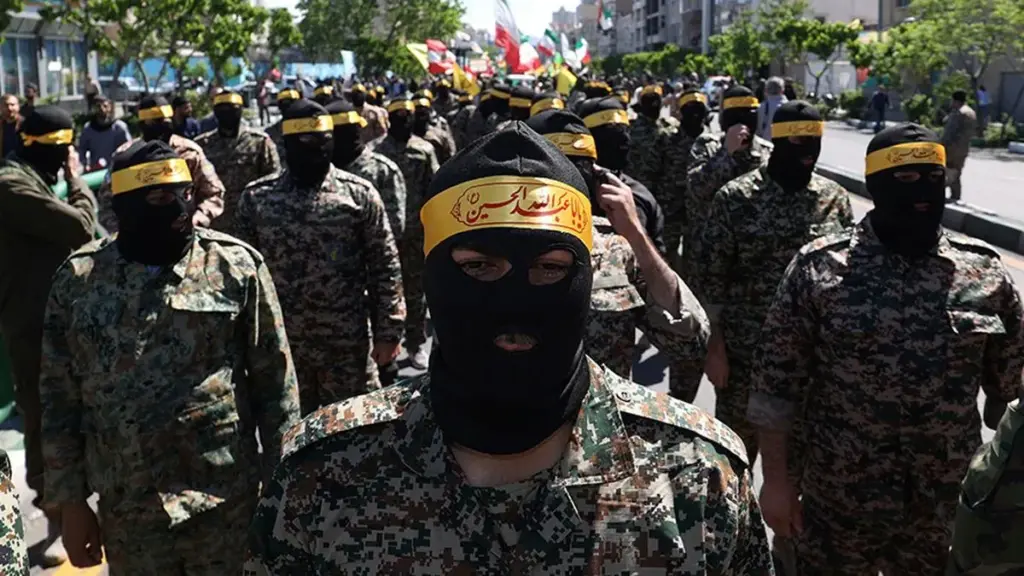
The IRGC plays a pivotal role in Iran’s internal security apparatus, directly overseeing the suppression of dissent and enforcing the Islamic Republic’s strict governance. In recent months, as protests erupted across the nation, the IRGC’s involvement became increasingly noticeable, with reports of brutal crackdowns resulting in thousands of casualties. This has drawn widespread condemnation from human rights organizations, which highlight the IRGC’s track record of violent repression as a means of stifling freedom of expression and maintaining the regime’s grip on power.
Moreover, the IRGC’s influence extends well beyond Iran’s borders. The organization actively supports various militant groups in the region, supplying them with resources and tactical training. By orchestrating such support, the IRGC seeks to project Iran’s power and counter Western interests in the area. However, with the new designation by the EU, the IRGC’s operational reach may be curtailed as sanctions begin to take effect, potentially diminishing its capacity to operate effectively on the international stage.
The European Union’s Stance on Iran’s Human Rights Violations
The European Union’s decision to sanction the IRGC represents a significant stance against human rights violations perpetrated by the Iranian regime. As protests against the government gain momentum, the EU is emphasizing the importance of protecting citizens’ rights and condemning acts of state-sponsored violence. The horrific toll of the protests, with estimates of thousands of deaths reported by both local and international organizations, has prompted the EU to reevaluate its diplomatic engagement with Iran and prioritize human rights in its foreign policy.
The EU’s actions come at a time when the world is increasingly aware of the Iranian regime’s brutal response to dissent. High-profile speeches from EU leaders underscore the need for accountability, and the collaboration with human rights organizations highlights a commitment to monitor and address ongoing violations. As the situation in Iran continues to develop, the EU’s focus on human rights will play a critical role in shaping future interactions with Tehran and in pressuring the regime to reform its oppressive practices.
Reactions to the IRGC’s Terrorist Designation and the Implications for Iran-EU Relations
The Iranian government’s reaction to the EU’s designation of the IRGC as a terrorist organization has been one of defiance and condemnation. Iranian officials have described the move as a misguided effort to undermine Iran’s sovereignty and as a failure to grasp the complexities of the region’s geopolitical landscape. This rhetoric reflects a broader narrative in Tehran that seeks to bolster national unity against perceived foreign aggression while simultaneously dismissing the legitimacy of external assessments regarding its human rights record.
Despite these tensions, European leaders have indicated that they wish to maintain open channels of communication with Iran. The IRGC’s terrorist designation, while significantly straining relations, is seen as a necessary step to hold the Iranian regime accountable for its actions. By applying sanctions and targeting key figures within the IRGC, the EU hopes to compel Iran to reconsider its approach to internal dissent and engage more constructively on the international stage.
The Humanitarian Crisis and Protest Dynamics in Iran
The brutal suppression of protests in Iran has led to a humanitarian crisis that is drawing attention from the international community. With estimates of casualties reaching alarming numbers, including thousands of deaths and injuries, the situation highlights the dire need for accountability and support for victims of state violence. Human rights organizations are tirelessly documenting these abuses, urging the EU and other international bodies to take decisive action against the Iranian authorities.
Protests in Iran frequently stem from issues such as economic hardship and political repression, leading to widespread discontent. The government, in turn, responds with increased military presence and violent crackdowns, often led by the IRGC. As the humanitarian crisis unfolds, the international community’s response, particularly through sanctions and advocacy for human rights, will be pivotal in supporting the voices of the Iranian people demanding change.
Global Perspectives on the IRGC and its Designation as a Terror Group
The designation of the IRGC as a terrorist organization has prompted varying reactions globally, reflecting the complex dynamics of international relations and regional security. While some countries, like the United States, have long classified the IRGC as a terrorist entity due to its involvement in regional conflicts and support for militant groups, others remain hesitant to implement similar measures, often due to economic and diplomatic considerations. This disparity highlights the challenges of creating a unified international stance against state-sponsored terrorism.
Recent developments, including the EU’s decision, indicate a growing acknowledgment of the IRGC’s extensive role in destabilizing the region and violating human rights. This shift may encourage other nations to reconsider their positions regarding the organization and potentially lead to a broader coalition aimed at holding the Iranian regime accountable. How countries navigate these complexities will influence global security and the effectiveness of sanctions in curtailing the IRGC’s influence.
The Future of EU-Iran Relations Post-IRGC Listing
As the European Union grapples with the recent designation of the IRGC, the future of EU-Iran relations remains uncertain. While the EU has made it clear that it stands against human rights violations and terrorism, it also recognizes the necessity of maintaining diplomatic relations with Iran to address critical geopolitical issues, such as nuclear proliferation and regional stability. Balancing these interests will be a significant challenge moving forward, particularly as tensions escalate.
In light of the new sanctions, Iran’s strategy towards engaging with the EU may shift significantly. Iranian officials have indicated a reluctance to yield to external pressure, which may stymie efforts to negotiate pivotal agreements. However, the international community’s firmness in its stance might create an environment where dialogue becomes necessary, especially as Iran faces mounting unrest domestically. The unfolding situation will test the resilience of both Iran’s leadership and the EU’s diplomatic approach.
Implications of the IRGC’s Global Influence and Its Response to Sanctions
The IRGC’s designation as a terrorist organization will undoubtedly have far-reaching implications for its global influence and operations. Financial sanctions and trade restrictions imposed by the EU will complicate the organization’s ability to fund its extensive networks comprising regional and global operations. Historically, the IRGC has thrived under sanctions by adapting and utilizing informal networks; however, the recent tightening of sanctions could compromise its flexibility and operational efficiency, especially in supporting proxy groups across the Middle East.
In response to these sanctions, the IRGC is likely to adopt defensive strategies, focusing on strengthening its domestic control and seeking alternative funding sources. The organization’s ability to project power abroad may diminish, especially if it struggles with financing its overseas endeavors. As global powers continue to apply pressure, the internal dynamics within Iran will also shift, potentially leading to changes in the IRGC’s role within the broader context of Iranian politics and society.
Concerns Over Long-Term Stability in Iran Amidst Repressive Policies
The oppressive policies enforced by the Iranian regime, particularly through the IRGC, raise serious concerns regarding long-term stability in Iran. As the government intensifies its repressive measures against dissent, there is a growing potential for increased unrest and resistance among the populace. Many Iranians feel that their voices are being silenced, and the lack of political freedom breeds discontent that could spark further protests. The recent EU sanctions may exacerbate these tensions, as economic struggles are met with violent repression.
The pathway to stability in Iran is fraught with challenges, not least due to the deep-seated issues of corruption, economic mismanagement, and entrenched human rights violations. The IRGC’s pivotal role in quelling dissent amplifies these challenges, as it is both a defender of the regime and a source of widespread fear among citizens. As international pressure mounts, the potential for a seismic shift in Iranian society could emerge, reflecting not only the aspirations for change but the resilience of the people in the face of oppression.
Frequently Asked Questions
What are the implications of the Iran Revolutionary Guards terrorist listing by the EU?
The inclusion of Iran’s Islamic Revolutionary Guard Corps (IRGC) on the EU terrorism list leads to severe sanctions against the organization and its affiliates. This includes travel bans and asset freezes aimed at dismantling their operational capacity, especially in light of the IRGC’s involvement in violent repression during Iran unrest protests.
Why did the EU decide to add the IRGC to the terrorism list?
The European Union designated the IRGC as a terrorist organization due to its role in the violent suppression of recent protests in Iran and ongoing human rights violations. This move reflects a broader stance against state-sponsored violence and aims to hold the Iranian regime accountable for its actions.
How does the IRGC’s terrorist designation affect international relations with Iran?
The terrorist designation of the IRGC complicates diplomatic relations with Iran. While some nations, such as the US and Canada, have already embedded similar designations, the EU’s action stresses the need for accountability and could potentially hinder negotiations regarding Iran’s nuclear program and other diplomatic efforts.
What has been the global response to the IRGC’s terrorist designation?
The global response has been mixed; Western nations, including the EU, Canada, and Australia, have taken a firm stance against the IRGC, condemning its actions in Iran. Conversely, some countries, like the UK, are hesitant to officially designate the IRGC, opting for a more cautious diplomatic approach.
How does the IRGC’s terrorist listing relate to human rights violations in Iran?
The listing of the IRGC as a terrorist organization is deeply connected to its alleged involvement in human rights violations, especially during the crackdown on protests. The EU’s actions aim to highlight and respond to these abuses, aligning international law and human rights objectives with actual sanctions against perpetrators.
What other countries have designated the IRGC as a terrorist group?
Apart from the European Union, the IRGC has already been designated as a terrorist organization by countries such as the United States, Canada, and Australia. These designations typically stem from the group’s alleged support for militancy abroad and domestic repression in Iran.
What does the designation of IRGC mean for protests in Iran?
The designation of the IRGC as a terrorist entity may embolden further domestic protests in Iran, as it serves as an international condemnation of the regime’s brutal repression tactics. However, it also signifies potential escalations in repressive measures by the IRGC against dissent.
Are there any sanctions associated with the IRGC’s terrorist listing by the EU?
Yes, the EU’s terrorist listing of the IRGC entails sanctions that include travel bans, asset freezes, and restrictions on financial support, aimed at crippling the operational base of the IRGC and holding it accountable for its actions against peaceful protesters.
What is the impact of the IRGC on regional stability?
The IRGC plays a significant role in influencing regional stability, as it extends Iran’s military reach through support for proxy groups. Its designation as a terrorist organization may affect Iran’s military engagements and how neighboring countries perceive threats from Iran.
| Key Point | Details |
|---|---|
| EU Terrorist Listing | The EU has officially added Iran’s IRGC to its terrorist list, marking a significant response to the violent repression of protesters in Iran. |
| International Reactions | The EU’s decision has been supported by various nations, including Australia, Canada, and the US, while criticized by Iran’s government. |
| Human Rights Concerns | There are extensive reports of human rights violations in Iran, with estimates of thousands of protester deaths resulting from IRGC actions. |
| Sanctions Imposed | The EU has also imposed new sanctions on individuals and entities linked to the IRGC following its terrorist designation. |
| IRGC’s Role and Influence | The IRGC is Iran’s prominent military force, overseeing armed operations and influencing regional dynamics through support for allied groups. |
| Global Impact | The IRGC’s terrorist listing is anticipated to affect Iran’s international relations and its ability to engage diplomatically. |
Summary
The recent inclusion of Iran’s Revolutionary Guards in the EU’s terrorist listing signifies a pivotal moment in international relations and human rights advocacy. This designation, driven by the IRGC’s violent crackdown on protesters, aligns the group with globally recognized terrorist organizations and reflects a growing consensus among Western nations to confront state-sanctioned violence. As the EU, alongside the US and other allies, pushes for accountability through sanctions and designations, the implications for Iran’s political landscape and diplomatic efforts are immense. The situation underscores the ongoing tension between global governance, human rights, and national sovereignty.