Listen to this article
The ongoing Iran protests have captured global attention as citizens rise against the oppressive rule of their government. With a rallying cry for change, the exiled leader Reza Pahlavi has urged the international community to support the demonstrators in their quest to overthrow the Iranian government. He boldly asserts that the Islamic Republic will inevitably fall, positioning himself as a significant figure in the Iranian opposition. Amidst this turmoil, the Iranian Revolutionary Guard has intensified its efforts to suppress dissent, leading to a tragic death toll exceeding 2,500 protesters, according to human rights organizations. As calls for human rights in Iran grow louder, the world watches closely, aware that the struggle for freedom could reshape the nation’s future.
In recent months, civil unrest in Iran has escalated, marking a critical moment for social change within the nation. Citizens are expressing their frustrations over a range of issues, including economic hardships and political repression, culminating in widespread demonstrations across the country. Prominent among the voices of dissent is Reza Pahlavi, who advocates for international intervention to dismantle the regime and support the beleaguered Iranian populace. This movement reflects a growing demand for fundamental human rights and a departure from autocratic governance. As hopes for reform intensify, the commitment of both the Iranian opposition and global allies could determine the fate of the nation.
Reza Pahlavi’s Call to Action for Global Support
In a bold declaration, Reza Pahlavi, the exiled son of Iran’s last king, has called for international support to aid protesters aiming to dismantle Iran’s current regime. This appeal reflects growing frustration among Iranians over governmental repression, especially as the protests escalate in both size and intensity. Pahlavi’s assertion that ‘the Islamic Republic will fall; not if, but when,’ underscores his belief in the inevitability of change within Iran, contingent upon global solidarity and action. He emphasized the need for countries to directly challenge the Iranian Revolutionary Guard, which he views as pivotal to maintaining the current oppressive structure.
During a press conference, Pahlavi outlined the critical role that international intervention could play in supporting the Iranian opposition. He articulated that such support could mitigate further loss of life among protesters, who have already suffered significant casualties. By targeting the command and control infrastructure of the Iranian Revolutionary Guard and imposing economic sanctions, global powers could create an environment that fosters change. This highlights the imperative for the international community to take decisive steps to strengthen human rights in Iran and safeguard the aspirations of its people.
The Escalation of Protests and Government Crackdowns
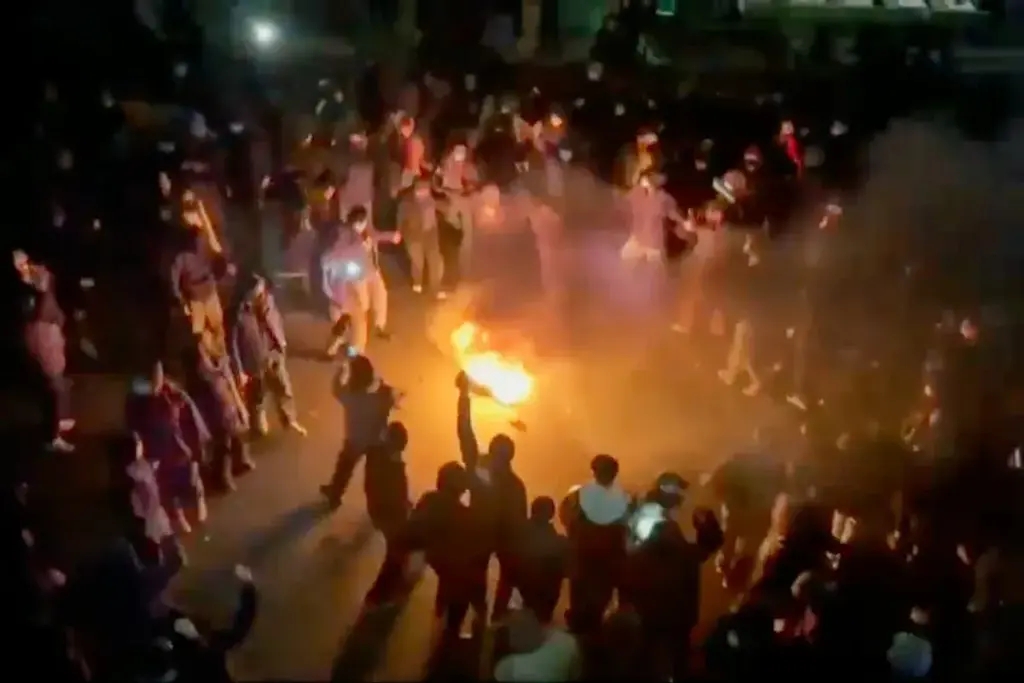
Protests in Iran, initially triggered by economic grievances, have grown into a potent movement against the clerical leadership and the broader oppressive regime. Reports reveal that over 2,500 protesters have been killed since the demonstrations began, with the government’s labeling of the protests as ‘riots’ revealing its unwillingness to acknowledge public discontent. Instead of addressing the issues raised by citizens, the Iranian authorities have employed brutal tactics to quell dissent, including violent crackdowns from the Iranian Revolutionary Guard. This increasingly heavy-handed approach fuels animosity toward the regime and bolsters the calls for a transformation in leadership.
The recent unrest has also seen protesters confront not just the government, but also call for the overthrow of Supreme Leader Ali Khamenei. Slogans such as ‘Death to the dictator’ reflect a widespread repudiation of the established order. Despite the government’s efforts to suppress these voices through an internet blackout and heavy security presence in cities like Tehran and Karaj, the sentiment for change continues to resonate among the people. The sacrifices made by protesters have drawn attention to the urgent need for global advocacy on human rights in Iran, emphasizing the fragile state of civil liberties under the current regime.
International Reactions to the Iranian Protests
Global reactions to the Iranian protests have been varied, with prominent figures like former President Donald Trump voicing support for the protesters. His warnings to Iran about potential consequences for the continued crackdown underline a significant international concern for human rights violations in the country. The international community has started to reflect on its role and responsibility to support democratic movements, which Pahlavi champions as essential for a prospective regime change in Iran. As calls for action grow louder, the question remains: how far will global leaders go in supporting the Iranian opposition?
The increasing calls for sanctions and diplomatic pressures against the Iranian government highlight a crucial intersection between international relations and humanitarian advocacy. Pahlavi’s insistence that the world must act to prevent further bloodshed echoes sentiments that have gained momentum amongst human rights organizations globally. By stepping up advocacy efforts, including the potential expulsion of Iranian diplomats and enhanced economic sanctions, the international community can demonstrate that it stands with the Iranian people fighting for their rights and freedoms.
The Role of the Iranian Revolutionary Guard in Suppressing Dissent
Central to the maintenance of the Islamic Republic’s power is the Iranian Revolutionary Guard, an institution that has not only been at the forefront of military operations but has also acted decisively against any form of dissent. The Guard’s involvement in cracking down on protests has raised significant alarms both domestically and internationally, particularly regarding accountability and the human rights violations committed during these operations. Their history of brutality is evident as they respond to protests with overwhelming force, further isolating the Iranian government from the aspirations of its citizens.
Notably, the Iranian Revolutionary Guard has been accused of recruiting fighters from foreign militias to strengthen their grip on power during this period of unrest. This tactic highlights the regime’s desperation and willingness to suppress public dissent at all costs. As the protests continue to challenge the authority of the Guard, there is a growing call for international scrutiny of their actions, and for the global community to hold them accountable. This could be a critical step not only for current activists but also for the broader movement for democratic reform in Iran.
A Vision for Change: Pahlavi’s Proposed Framework for Governance
In his discussions about the future of Iran, Reza Pahlavi has articulated a vision of governance that is grounded in democratic principles and the protection of individual freedoms. He advocates for a framework that ensures a clear separation of religion and state, allowing for a society in which diverse voices can flourish. Pahlavi’s idea of a new Iranian constitution reflects the historical desires of the Iranian people for a government that upholds their rights and dignity, creating a basis for accountability and justice.
As he ponders the leadership structures of a new Iran, Pahlavi emphasizes the importance of establishing a system that reflects the will of the people. His belief in future Iranian governance respecting territorial integrity and the autonomy of its citizens resonates with those who dream of a liberated Iran. It is crucial that the Iranian people engage in this dialogue about their future, determining their preferred form of governance amid calls for reform. Pahlavi’s vision not only serves as a political roadmap but also inspires hope for a more just and equitable society.
The Impact of Economic Hardship on Protests in Iran
Economic strife has been a significant catalyst for the current wave of protests in Iran, starting with grievances over rising living costs and currency devaluation. When shopkeepers in Tehran initiated strikes as a reaction to these issues, they sparked a broader movement that challenged the very foundations of the Iranian regime. This moment of unrest highlights the connection between economic instability and social discontent, as ordinary citizens grapple with the loss of purchasing power and dwindling resources. The ongoing protests are a testament to how deeply intertwined economic conditions are with calls for political change.
The regime’s failure to address these economic grievances has only fueled calls for the overthrow of its current leadership. As the situation worsens, the Iranian government’s response has been to exercise stronger control over its populace, dismissing protests as riots and enforcing crackdowns to stifle dissent. The situation reflects a critical moment in which economic mismanagement has collided with the aspirations of a population longing for freedom and reform. Thus, addressing economic issues will be pivotal for any future leadership seeking legitimacy in the eyes of the Iranian people.
The Consequences of Internet Blackouts During Unrest
During the recent protests in Iran, the government has imposed a near-total internet blackout, complicating international efforts to report on and support the movement. This tactic of cutting digital communications has significant implications for the organization and safety of protest movements, as well as for the transparency of information emerging from the country. It restricts not only the circulation of protest information but impedes the ability of human rights organizations to document abuses, leading to a veiling of the true scale of dissent and government repression.
Moreover, the internet blackout showcases the regime’s fear of a united and informed populace. By limiting communication, the Iranian leadership attempts to isolate its citizens from the enhancing tools of solidarity and organization that global connectivity provides. This further accentuates the urgent need for international support and technological solutions like satellite internet to empower the Iranian opposition and enable them to share their experiences and demands with the world. Recognizing these digital struggles is essential in the ongoing quest for human rights in Iran.
A Potential Path to Reconciliation and Justice in Iran
Looking ahead, the path to reconciliation and justice in Iran will necessitate acknowledging the multilayered grievances of its citizens. The involvement of various factions, including the Iranian opposition and disenchanted citizens, indicates a complex landscape that any prospective government must navigate with care. Forward-thinking discussions around transitional justice, reparations, and political reform are critical as the Iranian people seek to resolve their historical injustices, particularly following decades of state-sanctioned violence and repression.
Furthermore, establishing trust between the regime and the people will be paramount. As highlighted by Pahlavi, the responsibility lies with the Iranian populace to determine the future of their country. This dialogue must include demands for accountability, reforms that ensure the protection of civil liberties, and extensive political inclusion. Without such measures, the potential for perpetual instability remains, stifling aspirations for a free and just society. Collaborative efforts will ultimately define the trajectory of Iran’s future, reshaping its governance in alignment with the will of its people.
Frequently Asked Questions
What is the role of Reza Pahlavi in the Iran protests?
Reza Pahlavi, the exiled son of the last Iranian king, is a prominent figure in the Iranian opposition advocating for the overthrow of the Iranian government. He supports the protesters’ call for change and emphasizes the need for international assistance to strengthen their efforts against the regime.
How are the Iranian Revolutionary Guard involved in the protests?
The Iranian Revolutionary Guard is critical in suppressing the ongoing protests, utilizing force against demonstrators. Pahlavi has called for global action against the Revolutionary Guard’s leadership to help end their oppressive reign and support the protesters’ struggle for freedom.
What are the main human rights issues highlighted during the Iran protests?
The protests have exposed severe human rights violations in Iran, including the reported killings of over 2,500 protesters. Pahlavi and various human rights organizations emphasize the need for the international community to protect human rights in Iran by demanding the release of political prisoners and accounting for abuses by the government.
What demands have arisen from the Iranian opposition during the protests?
During the Iran protests, the Iranian opposition, led by figures like Reza Pahlavi, has demanded the end of Supreme Leader Khamenei’s rule, the establishment of a new constitution, and reforms that ensure individual freedoms and a separation of religion from state affairs.
How has the Iranian government responded to the protests?
The Iranian government has labeled the protests as ‘riots’ fueled by foreign adversaries and has imposed a brutal crackdown on demonstrators, including an internet blackout that hampers communication and reporting on the protests.
What impact have the Iran protests had on the international community’s view of Iran?
The Iran protests have prompted some officials in the international community, including Reza Pahlavi, to call for stronger actions against the Iranian regime, including economic sanctions and support for Iranian civil society, intensifying scrutiny over human rights abuses in Iran.
What is the current status of communication in Iran amid the protests?
Amid the Iran protests, the government has enacted a near-total internet blackout, severely restricting communication for civilians and hindering international reporting and support efforts for the protesters.
What actions has Reza Pahlavi proposed to support the Iran protests?
Reza Pahlavi has proposed that the global community apply economic pressure on the Iranian government, support the establishment of an independent communication infrastructure for activists, and hold the Iranian Revolutionary Guards accountable for their actions against protesters.
| Key Points | Details |
|---|---|
| Exiled Leaders | Reza Pahlavi, son of the last Iranian king, urges global support to overthrow the Islamic Republic. |
| Protests Background | More than 2,500 protester deaths since protests started on December 28, 2017, initially due to economic issues. |
| Government Response | The Iranian government calls the protests ‘riots’ and claims they are incited by foreign adversaries. |
| International Calls to Action | Pahlavi advocates for economic pressure, sanctions, and communication support to aid protesters. |
| Security Measures | Reports of military crackdown using foreign militia forces; tensions between U.S. and Iran remain high. |
| Future of Iran | Pahlavi proposes a new constitution that separates religion and state and promotes individual freedoms. |
| Current Protest Conditions | Ongoing internet blackout and suppression by Iranian authorities make it difficult to gather information. |
Summary
The ongoing Iran protests have become a pivotal moment for the Iranian people as they seek to challenge the oppressive regime of the Islamic Republic. Led by figures like Reza Pahlavi, there is a growing call for global support to empower protesters and facilitate change in Iran’s political landscape. Despite the severe crackdown and loss of life, the resilience of the Iranian population continues to inspire demands for freedom, democracy, and a new constitutional framework that respects individual rights. With international attention focused on Iran, the response from the world community could significantly influence the trajectory of these protests and the future of the nation.