Listen to this article
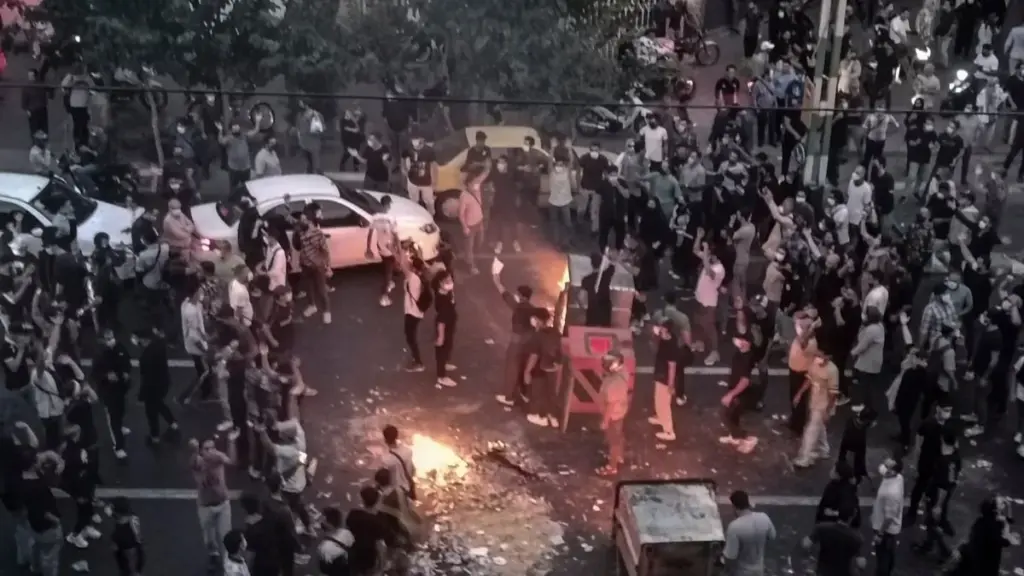
In recent weeks, Iran protests have erupted across the nation, marking a significant dissent against the government amid a spiraling economic crisis. As the unrest unfolds, reports indicate violent confrontations between anti-government protesters and security forces, exacerbating tensions in a country already fraught with internal strife. With the demonstrations now spreading to 111 cities and towns, the intensity of the protests in December 2023 highlights the pervasive discontent among the populace. This wave of civil unrest has brought the issue of violence in Iran to the forefront, rekindling memories of previous uprisings. As citizens voice their frustrations over dire economic conditions and a corrupt system, the anti-government protests in Iran raise critical questions about the future of the regime and the voices calling for change.
The ongoing turmoil in Iran showcases a fierce battle between the populace and the ruling authorities, as citizens demand urgent reforms. This wave of unrest, characterized by large-scale demonstrations and calls for political transformation, reflects deep-rooted grievances stemming from economic hardships and governmental mismanagement. Clashes between protesters and security forces have only escalated the situation, emphasizing the urgent need for dialogue amidst rising tensions. The current wave of protests, dubbed the “Iran unrest,” is reminiscent of past civil movements, highlighting a society grappling with its identity and direction. As the narrative unfolds, it will be essential to monitor how the government responds to these calls for change and the evolving dynamics within the region.
Overview of the Current Iran Protests
The ongoing protests in Iran mark a critical juncture in the nation’s struggle against economic and social injustices. Originating from a deep-rooted economic crisis, the unrest rapidly escalated into a nationwide phenomenon, impacting 111 cities and towns across Iran. The protests, which began on December 28, 2023, when citizens first voiced grievances over the plummeting value of the rial and soaring inflation rates, have since evolved into a platform for broader anti-government sentiments. Many demonstrators now express discontent not only with economic woes but also with the broader political climate in the country.
Reports indicate that the current unrest is fueled by a mix of frustration with government mismanagement, rampant inflation, and increasing repression from security forces. The violence witnessed in the protests highlights a significant societal divide, as the population demands both economic relief and political reform. Social media has played a pivotal role in galvanizing support and disseminating updates, revealing the intensity of clashes between protesters and security forces.
Violence and Clashes in Iran
In the past weeks, violent confrontations between anti-government protesters and armed forces have surged, resulting in tragic casualties on both sides. Incidents such as the shooting deaths of policemen in Lordegan have intensified the atmosphere of unrest, with government reports acknowledging at least 34 protester deaths. The clashes are characterized by chaotic standoffs, where security forces deploy tear gas and firearms against crowds, escalating tensions and fears of further violent repercussions.
The dynamics of the protests have prompted varied responses from the authorities, balancing between showcasing a willingness to engage with peaceful demonstrators and a readiness to crack down on those deemed ‘rioters.’ Such measures only amplify the prevalent fear of increased violence in Iran, showcasing the long-standing grievances that fuel these protests. The government’s approach, particularly in response to the surge in violence, will determine whether these protests breed a more profound political movement or if they will wane under oppressive force.
Economic Crisis Driving Unrest in Iran
At the heart of the protests in Iran lies a significant economic crisis, primarily caused by mismanagement and sanctions related to its nuclear activities. In recent years, the Iranian rial has experienced dramatic depreciation against the U.S. dollar, with inflation soaring to unprecedented levels. The economic hardships have not only pushed many Iranians below the poverty line but have also sparked a wave of protests, where citizens express their frustrations with a system that they believe has failed them.
As the government attempts to alleviate financial burdens by distributing small monthly allowances, the efficacy of such measures remains questionable. Many protesters argue that these measures are insufficient in the face of persistent inflation that has rendered essential goods unaffordable. The economic crisis has thus become a focal point for discontent, catalyzing protests that demand both immediate relief and long-term reform of the political and economic systems.
The Role of Social Media in the Protests
Social media has emerged as a double-edged sword during the Iran protests, serving as both a tool for organization and a platform for international awareness. Platforms like Twitter and Instagram have enabled protesters to share real-time updates, images, and videos of the events unfolding on the ground, thus circumventing media restrictions imposed by the Iranian government. This online engagement has not only fueled local solidarity but has also drawn global attention to the injustices faced by Iranian citizens.
However, the Iranian authorities have also leveraged social media to disseminate their narratives, often depicting protestors as ‘rioters’ to justify the violent clampdowns. Despite these efforts, the reality captured by social media reveals a grassroots movement fueled by existential anger toward corruption and authoritarian rule. As demonstrators continue to leverage these platforms, it remains crucial for the international community to stay informed and responsive to the unfolding situation.
International Response to Iran’s Protests
The international response to the protests in Iran has been varied, with officials from several countries voicing their support for the demonstrators while cautioning against excessive government force. The remarks from global leaders suggest a growing concern over human rights violations amid the unrest and the potential for increased violence if the Iranian government implements a severe crackdown. Specifically, former U.S. President Donald Trump’s statements hint at a possible U.S. intervention, reflecting the international stakes involved.
Moreover, countries and human rights organizations are calling for accountability concerning the deaths and injuries resulting from police actions during the protests. These international dialogues highlight a complex interplay between domestic unrest and global political interests, raising questions about how external pressures might influence the Iranian government’s decision-making. As protests continue, the legitimacy of international enforcements in protecting human rights within Iran remains a significant focal point.
Impact of Past Protests on Current Unrest
The recent protests in Iran are notably the most expansive since the upheaval following Mahsa Amini’s death in 2022. That previous wave of protests served as a powerful demonstration of widespread discontent with Iran’s ruling authorities, ultimately prompting a violent crackdown that left hundreds dead and thousands imprisoned. The memories of that brutality are still fresh in the minds of many Iranians, framing the current protests not only as a response to immediate grievances but as a continuation of a historic struggle for freedom and reform.
This historical context shapes public sentiment and expectations for the current protests, with many hoping for a more sustained movement capable of effecting real change. However, there is also the fear of repeated violence from security forces, as the last uprisings were quelled through severe measures. The legacy of previous clashes looms over the current protests, making the pathways forward both perilous and critical for the future of Iranian civil society.
Role of University Students in the Protests
University students have historically played a significant role in Iran’s protests, often at the forefront of movements calling for change and reforms. In the current unrest, students have joined forces with other demographics, embodying a youthful determination to challenge the status quo and demand a better future. Their involvement highlights the generational divide within Iranian society, where younger people are increasingly disillusioned with the political leadership.
The active participation of students not only energizes the demonstrations but also invokes hopes for a more comprehensive engagement with issues of governance and civil rights. Many students are vocal about their aspirations for a shift in the political landscape, and their engagement increases the diversity of voices demanding change. The impact of this demographic on shaping the direction and persistence of the protests could prove to be pivotal in the coming weeks.
Voices from the Protests—Demands and Slogans
The chants and slogans that echo through the streets of Iran during these protests reveal much about the aspirations and frustrations of its citizens. Phrases like “Death to the dictator” and “Long live the shah” resonate deeply among protesters who view their leaders as symbols of oppression. These demands signal a desire for systemic change rather than mere economic relief, reflecting a growing confrontation with existing political authority.
The diversity of slogans also highlights the layered nature of grievances against the regime, encapsulating calls for economic justice, political freedom, and an end to government corruption. As protests expand, these voices can unify various factions within Iranian society, presenting a solid front against the ruling elite and indicating a transformative potential within this unrest.
Government’s Response to Protests: Strategies and Tactics
In the wake of widespread unrest, the Iranian government’s response has oscillated between dialogue and suppression. Officials have publicly articulated their commitment to addressing peaceful demonstrations while simultaneously escalating their tactics against those they label as ‘rioters.’ This dual approach reflects an internal conflict within the regime regarding how to maintain control while staving off further escalations that could snowball into broader dissent.
The distribution of monthly allowances and public statements from high-ranking officials suggest an awareness of the grievances fueling protests. However, the brisk prosecution of individuals categorized as rioters indicates a preference for maintaining order through force rather than addressing the core issues. Such strategies may prevent immediate instability, but they risk deepening resentment within the populace, potentially laying the groundwork for future protests.
Frequently Asked Questions
What are the key factors driving the Iran protests in December 2023?
The December 2023 Iran protests are primarily driven by a severe economic crisis, fueled by the sharp decline of the Iranian rial against the US dollar, soaring inflation rates reaching 40%, and widespread public discontent due to government mismanagement and corruption.
How have the protests in Iran evolved since the unrest began?
Since the unrest began in December 2023, the Iran protests have spread to over 111 cities and towns, evolving from economic grievances to broader anti-government sentiments, with protesters openly challenging the authority of the Supreme Leader, Ayatollah Ali Khamenei.
What incidents of violence have occurred during the protests in Iran?
Reports of violence in Iran during the protests include armed confrontations, such as the shooting death of two policemen in Lordegan, and clashes between protesters and security forces, where both sides have resorted to live ammunition and tear gas.
What is the international community’s response to the violence in Iran?
The international community, including figures like former President Donald Trump, has expressed condemnation of the violence in Iran and has warned that any violent crackdown on peaceful protesters could provoke international intervention.
What impact did previous protests have on the current issues in Iran?
The December 2023 protests are the most extensive since the 2022 protests, which erupted after Mahsa Amini’s death in police custody. The aftermath of those protests resulted in a violent crackdown, shaping the current atmosphere of dissent and resistance within Iran.
How have the Iranian authorities reacted to the protests and unrest?
Iranian authorities have called for distinguishing between peaceful protesters and alleged rioters, with statements regarding prosecution for violent actions by demonstrators. They also introduced a monthly allowance scheme targeting economic hardship amid the protests.
What are protesters chanting during the Iran protests of December 2023?
During the December 2023 protests, demonstrators are seen chanting slogans such as ‘Death to the dictator,’ referring to Khamenei, and expressing support for the Pahlavi dynasty, reflecting a desire for political change in Iran.
What role do youth and students play in the Iran protests?
University students and youth have become significant participants in the Iran protests, quickly joining the movement and pushing the protests into a political uprising characterized by their demands for freedom and economic justice.
How many arrests have occurred during the ongoing protests in Iran?
According to reports, at least 2,200 protesters have been arrested amid the ongoing Iran protests, highlighting the government’s crackdown on dissent.
What measures is the Iranian government taking in response to the unrest?
In response to the unrest, the Iranian government has begun distributing financial assistance to alleviate economic pressures, while also promising rapid prosecution of those accused of instigating violence during the protests.
| Key Points |
|---|
| Violent clashes occurring across Iran as protests spread. |
| Protests are marking their 11th day, fueled by an economic crisis. |
| Protesters have confronted security forces; gunfire and tear gas reported. |
| 34 protesters and 4 security personnel confirmed dead amid clashes. |
| The protests began over the decline of the Iranian rial and rising inflation. |
| Slogans against the Supreme Leader and support for exiled royalty being chanted. |
| Government promises allowances to assist citizens suffering from high costs. |
| Concerns arise about severe crackdowns due to possible U.S. intervention. |
| Protests seen as the most widespread since the 2022 uprising. |
Summary
The Iran protests have escalated significantly as unrest spreads nationwide, highlighting deep-seated economic grievances and political dissent. Triggered by an economic crisis and the dramatic fall of the Iranian rial, the protests are characterized by violent confrontations with security forces and widespread public outcry against the current regime. As the situation evolves, international attention continues to focus on the potential for increased government crackdowns, while the Iranian leadership faces pressure both from within and outside the country.