
Listen to this article
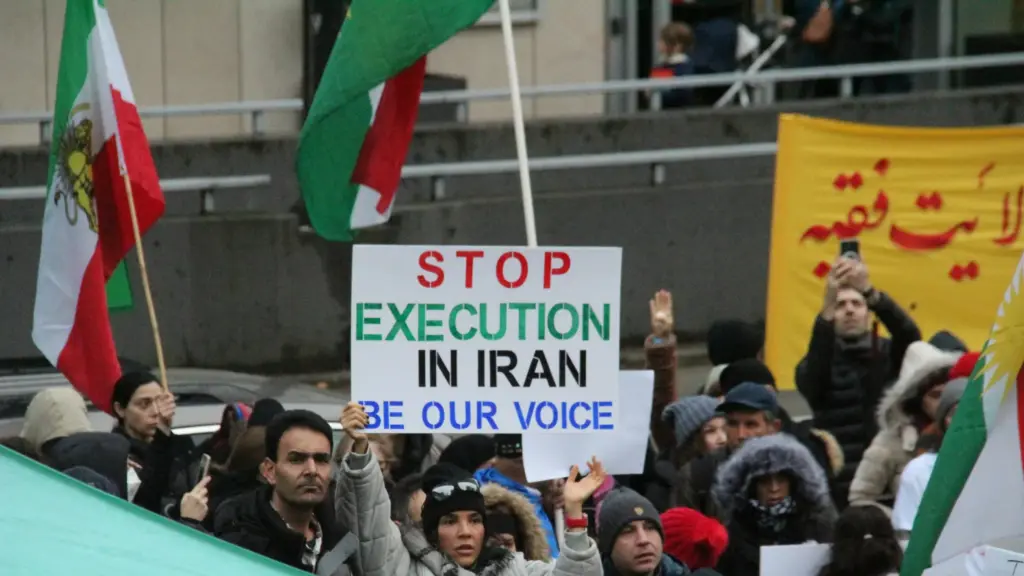
The ongoing Iran protests have ignited a wave of emotion and activism both within the nation and among the Iranian diaspora. As demonstrations escalate across cities like Tehran, a haunting atmosphere of fear and determination looms over families, such as that of Mahsa Alimardani, who anxiously await news of their loved ones’ safety amidst a government crackdown. Recent Iran protests updates have revealed ongoing clashes between demonstrators and security forces, prompting urgent calls for human rights interventions. Alimardani, along with other London-based Iranians, expresses a mix of anxiety over the dangerous realities in their homeland, while maintaining a glimmer of hope for genuine change. This complex emotional landscape underscores the significance of the Iranian protests, highlighting both the bravery of its participants and the global resonance of their struggle for freedom.
The wave of activist fervor sweeping Iran has not only rallied citizens within its borders but has also stirred the hearts of the Iranian communities abroad. This national uprising, stemming from deep-rooted grievances, resonates powerfully with the diasporic voices who fear for the safety of their families and friends still living in their homeland. Reports of systematic oppression against demonstrators fuel calls for solidarity and action, as many look to platforms like Twitter and Facebook for the latest Tehran uprising news. The ongoing struggle for basic human rights is underscored by personal stories of loss and resilience, such as that of Mahsa Alimardani, whose loved ones are caught in the turbulent tide of recent protests. As the fight for justice continues, these international connections illustrate the profound impact of the Iranian protests on a global scale.
The Current Landscape of Iran Protests
The landscape of Iran protests has shifted dramatically in recent weeks, as demonstrations have surged across major cities, reflecting the raw anger and frustration of the Iranian populace. In conversations with London-based activists, like Mahsa Alimardani, there is a palpable sense of urgency regarding the safety of family members still residing in Iran. As the nation collectively braces for a potential uprising, the humanitarian crisis and the government’s heavy-handed response have fueled fears of substantial loss and suffering, making the situation all the more precarious.
This latest wave of protests is characterized by its strength and unity, with countless citizens risking their lives to demand change. Witnesses report on the ground that the protests are not just about one single issue but encapsulate a broader desire for social justice, political reform, and basic human rights—a perspective echoed by many in the diaspora. The overarching fear is compounded by instances of violent crackdowns by state forces, further igniting concerns about the safety of loved ones entrenched in the turmoil.
Human Rights Implications of the Tehran Uprising
Human rights have become a focal point in the ongoing Iran protests, as countless individuals have bravely stood up to a regime notorious for its suppression of dissent. As organizations like Witness advocate for the rights of those protesting in Iran, the connection between activism abroad and the fight for freedom at home grows stronger. Documenting the human rights violations as they happen is essential, not only for the sake of those risking their lives in protests but also to garner international support for the movement.
The atrocities reported during these protests serve as a somber reminder of the cost of standing up against oppression. Families who have lost loved ones or who fear the unknown are often the most vocal advocates for change. This cycle of violence and defiance demonstrates that the struggle for basic freedoms is intertwined with the aspirations of the Iranian people. The narrative of the Tehran uprising must not be overlooked, as it contains crucial lessons about resilience and the quest for human rights.
The call for accountability lies at the heart of these protests, compelling both local and international communities to take a stand. As the stories of those impacted by the protests come to light globally, there is a growing need for widespread awareness and solidarity, particularly among the Iranian diaspora.
Communications Blackout: Anxiety Among Londoners
The recent communications blackout in Iran has intensified feelings of isolation among Londoners with family in the country. For activists like Mahsa Alimardani and business owners like Mohamad, the inability to connect with loved ones is overwhelming. It encapsulates a broader sense of helplessness felt by many living abroad who desperately seek news and assurances of safety for their relatives amidst ongoing protests. Their anguish highlights why the international community must work to restore communication channels and provide support to those affected.
In London, Iranian community members express a collective worry that resonates deeply within their diaspora, as they continue to grapple with the uncertainty surrounding the fate of those at home. The mere act of not being able to connect with family during such critical times serves as a powerful reminder of the risks those still living in Iran face. This black hole of information exacerbates mental and emotional distress, making advocacy for better communication not just a logistical issue, but a vital humanitarian necessity.
Impact of Protests on Iranian Families Abroad
The repercussions of the Iran protests extend beyond its borders, affecting countless families who have settled in cities like London. Individuals like Roya Pirae navigate the dual realities of grief and hope, as the current protests evoke painful memories of lost loved ones. Such personal stories illustrate how tightly woven the fabric of family ties is, impacting the emotional and psychological state of those living far from home. It is a testimony to the profound connection that transcends geographical boundaries, as these protest movements resonate deeply with the Iranian diaspora.
As families watch the events unfold from afar, they become unwilling witnesses to the struggles endured by their compatriots. The emotional toll is significant, often creating a pervasive sense of despair intertwined with a deep-seated hope for change. The strength demonstrated by those protesting in Iran inspires many abroad, reinforcing a commitment to advocacy and support for the movement. This interconnectedness illustrates that while they may be physically separated, their fights for justice and human rights are intrinsically linked.
Responses of the Iranian Diaspora to the Protests
The Iranian diaspora has responded to the protests with both solidarity and fervent calls for action. Many Iranian expatriates have mobilized to raise awareness about the unfolding crisis, utilizing social media platforms to amplify voices from within Iran. They strive to shed light on the realities of the protests, advocating for international support and intervention to prioritize human rights amidst the chaos. This grassroot initiative reflects a strong collective desire to unite the global community in support of the Iranian people.
In cities like London, community gatherings have emerged, providing a safe space for individuals to share their fears, hopes, and stories related to the protests. These gatherings serve as a crucial lifeline, facilitating discussions that promote understanding and cooperation among Iranians in the diaspora. Through shared experiences and collective activism, the Iranian diaspora not only raises awareness but also fuels the fight for freedom back home, reinforcing that their voices matter in these turbulent times.
The Role of Media in Highlighting Iran Protests
Media coverage plays an essential role in shaping the narrative surrounding the Iran protests. By documenting the stories of those who have been impacted, journalists serve as vital conduits for information, ensuring that the voices of brave protestors are amplified. This exposure not only creates awareness but also pressures international actors to respond to the ongoing crisis, fostering a climate of accountability that is crucial for reform. Moreover, coverage focused on individual stories, like that of Roya Pirae or Mahsa Alimardani, personalizes the struggle, making it relatable to audiences worldwide.
In recent coverage by outlets like the BBC, the emotional and psychological experiences of individuals affected by the protests are front and center, emphasizing that these issues extend beyond politics. The intense human side of the uprising showcases both the despair and hope that characterize this moment in Iran’s history. As media organizations continue to spotlight these narratives, the calls for justice and freedom resonate further, creating a ripple effect that challenges the international community to act compassionately and decisively.
Women’s Empowerment in the Face of Adversity
The Iran protests have notably brought the role of women to the forefront, showcasing their unwavering resilience despite severe oppression. Women like Mahsa Alimardani and Roya Pirae become symbols of strength, embodying the spirit of a generation that yearns for freedom and social justice. Their stories reveal not only the personal toll of the protests but also the collective strength that arises from unity among women in the face of adversity. This movement emphasizes the important intersection of gender and civil rights in the Iranian context.
As women take to the streets to fight for their rights, they inspire others both within and beyond Iran. The narrative of empowerment goes beyond political goals; it also encapsulates a deeper desire for societal change where women’s rights are recognized and celebrated. Global solidarity for women protesting can be seen as part of a larger movement toward gender equality and human rights, encouraging individuals everywhere to challenge authoritarian regimes that undermine the rights of women.
The Future of Iran: Hopes and Fears
As Iranians continue to protest for their rights, the future of the country remains uncertain. Activists express a cautious optimism about the potential for change, yet acknowledge the significant risks involved, especially given the violent crackdowns seen during current demonstrations. The aspirations of the Iranian people for a democratic and just society are met with fears of retaliation by the government, leading to a complicated emotional landscape. Londoners with ties to Iran, like Mohamad and Alimardani, grapple with their hopes for freedom while managing the fear of losing loved ones.
Despite the uncertainty, the resilience exhibited by protestors instills a sense of hope among those who advocate for change. The timeline may be unpredictable, but the continued commitment to activism both inside and outside Iran reflects an unwavering desire for a better future. This mix of hope and trepidation encapsulates the struggle faced by many Iranian families, reminding us that while the road to freedom may be fraught with challenges, the will to pursue it remains strong.
Frequently Asked Questions
What is the latest update on the Iran protests as of October 2023?
The latest updates on the Iran protests indicate a nationwide uprising with significant unrest in Tehran and other cities. Reports suggest that many Iranian citizens are preparing for further demonstrations, despite the risks of violence from security forces. Communication blackouts are hindering external awareness, but the determination for change remains high among protesters.
How are Londoners reacting to the news of the Iran protests?
Londoners with family in Iran are experiencing a mix of hope and anxiety in light of the Iran protests. Many, like Mahsa Alimardani, express dread for their loved ones amid potential violence, while also feeling a cautious optimism about the courage displayed by protestors calling for change.
What role do families of Iranian protestors in London play in supporting the Iran protests?
Families of Iranian protestors in London, such as Mohamad, are anxiously trying to communicate with their relatives back home in Iran during these protests. Their experiences highlight the emotional toll of being unable to connect, as many are left worrying about the safety and well-being of their loved ones.
What human rights concerns are raised during the ongoing Iran protests?
The Iran protests raise significant human rights concerns, particularly regarding the violence faced by protesters from security forces. Organizations like Witness are highlighting these issues, emphasizing the need for protection of those exercising their rights to free expression and dissent in Iran.
How does the case of Mahsa Alimardani reflect the emotional impact of the Iran protests on families abroad?
Mahsa Alimardani’s case reflects the deep emotional impact the Iran protests have on families abroad. Her discussions about her family’s preparations for the uprising reveal a blend of hope and fear, illustrating the precarious situation faced by those with relatives involved in the protests.
What historical context is important to understand the current Iran protests?
The current Iran protests can be understood in the context of past uprisings, such as the 2022 Woman Life Freedom protests, which highlighted longstanding grievances against the Iranian regime. This historical backdrop informs the urgency and interconnectedness felt by protestors and their families.
What are the implications of internet blackouts during the Iran protests?
Internet blackouts during the Iran protests have severe implications, including the inability for families to contact loved ones, as experienced by many Iranians living abroad. This digital isolation heightens anxiety, complicates reporting on the protests, and raises concerns about human rights abuses.
How have previous protests shaped the current wave of demonstrations in Iran?
Previous protests have shaped the current wave of demonstrations by laying the groundwork for ongoing activism and persistent demands for freedom. The interconnected nature of these uprisings reflects a cumulative struggle against oppression, echoing sentiments from earlier movements.
What can the international community do to support the ongoing Iran protests?
The international community can support the ongoing Iran protests by advocating for human rights, placing pressure on the Iranian government to allow freedom of expression, and providing platforms for Iranian voices to be heard globally. Solidarity events and informative campaigns can increase awareness of the situation.
What is the significance of the phrase ‘Woman, Life, Freedom’ in the context of Iran protests?
The phrase ‘Woman, Life, Freedom’ has become a rallying cry during Iran protests, symbolizing the call for gender equality, democratic rights, and a life free from oppression. It embodies the struggles faced by women and the broader population in their fight for fundamental human rights.
| Key Point | Details |
|---|---|
| Mahsa Alimardani’s Concerns | Alimardani feels anxiety for her family in Tehran amid the protests, citing their preparations for a national uprising. |
| Complex Emotions | People express mixed feelings of hope and fear regarding the protests and the risks associated with them. |
| Communication Blackout | A complete shutdown of the internet has made it difficult for families abroad to contact their loved ones in Iran, increasing their anxiety. |
| Violence Reports | There are reports of violence against protesters by security forces, leading to concerns about a rising death toll. |
| Personal Stories | Many Iranians abroad, like Mohamad and Roya Pirae, share personal struggles and the emotional toll of the protests. |
Summary
The Iran protests have generated a wave of both fears and hopes for families of Iranians living abroad, particularly in London. With reports of violence and communication blackouts, individuals like Mahsa Alimardani, Mohamad, and Roya Pirae express their anguish over being unable to contact their loved ones in Iran. Despite the anxiety and danger, there remains a sense of courage and hope among those participating in the protests, reflecting a desire for freedom and change with the potential for significant consequences.