
Listen to this article
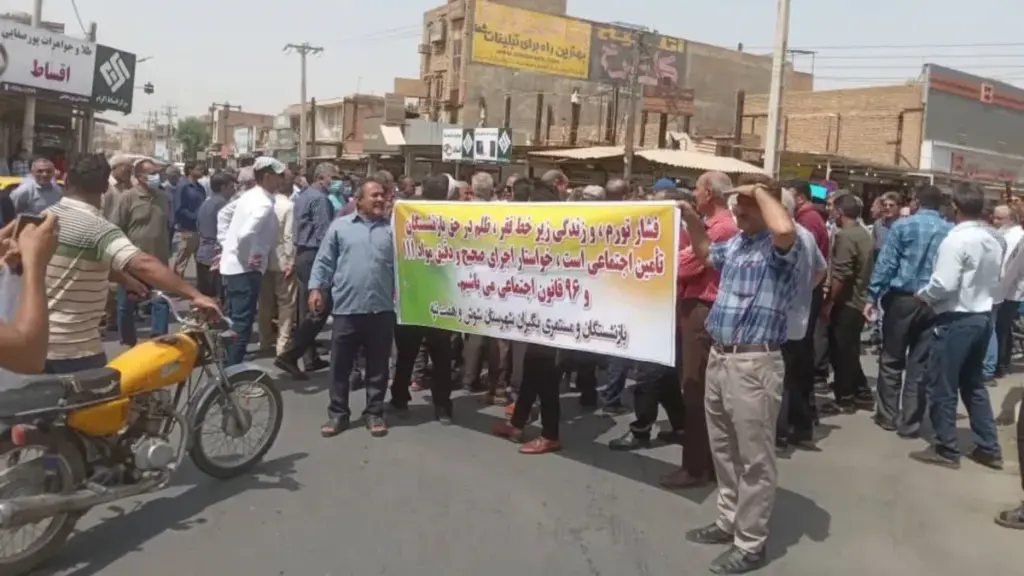
In recent weeks, Iran has witnessed widespread protests fueled by inflation and a significant currency devaluation, igniting unrest that has spread from Tehran to multiple cities. The Iranian rial’s alarming drop against the US dollar has sparked shopkeepers and citizens alike to take to the streets, demanding government accountability and change. As these anti-government protests in Iran gain momentum, videos circulated globally depict the courageous efforts of demonstrators challenging the economic crisis Iran faces today. Tehran’s unrest news is filled with images of demonstrators standing firm despite the use of tear gas by authorities attempting to suppress dissent. The international community, including US support for Iran protests, is closely monitoring the situation, signaling a pivotal moment in the nation’s socio-political landscape.
The recent wave of demonstrations across Iran signifies a growing discontent regarding the nation’s economic struggles, characterized by rampant inflation and a crumbling currency. As citizens rise up against perceived mismanagement, the unrest reflects a deeper yearning for change and accountability from the government. With significant public demonstrations in major urban centers, the call for reform resonates widely, as many citizens express their dissatisfaction with current economic policies. An outcry for justice echoes through the crowds, with individuals demanding their voices be heard amid an escalating economic crisis. Support from international actors, including public statements backing the protests, highlights the ongoing struggle for dignity and the pursuit of a brighter future amid adversity.
Iran Protests Inflation: A Deep Dive into Economic Discontent
The recent wave of protests in Iran highlights the urgent issue of inflation that has gripped the nation. Demonstrators, fueled by the dramatic decline of the Iranian rial against the US dollar, have taken to the streets demanding relief from rising prices and economic instability. This situation is not merely an isolated event; it reflects a growing discontent among Iranians who have increasingly found it difficult to afford basic necessities due to soaring inflation rates. As shops in Tehran’s Grand Bazaar began the strike that sparked these protests, the ripple effect has now reached cities nationwide, indicating widespread frustration over the government’s handling of the economy and its failure to stabilize the currency.
Amid the unrest, the government’s response has been mixed, acknowledging the protests while also attempting to suppress them. With the police deploying tear gas to control crowds, the situation has escalated, bringing global attention to Iran’s economic crisis. This unrest underscores long-standing issues of mismanagement and corruption within the Iranian government, as citizens demand accountability and tangible measures to alleviate the financial burden they face daily. As protests grow larger, the sentiment for reform and change resonates throughout the country, intensifying pressure on the government.
The Role of Currency Devaluation in Iran’s Economic Crisis
Currency devaluation has been one of the critical factors fueling Iran’s current economic crisis. The sharp decline of the rial has not only increased the cost of imported goods but has also triggered a cascade of price hikes in domestic markets. As the currency continues to lose value, confidence in the economy erodes, with shopkeepers and traders struggling to maintain their businesses. This situation has led to widespread strikes and protests, as citizens demand real and effective solutions to the economic turmoil they are facing. The government’s inability or unwillingness to stabilize the rial exacerbates public frustration and garners support for anti-government protests.
Devaluation of the currency has dire consequences beyond just inflation; it impacts the livelihoods of millions. As the cost of everyday goods skyrockets, many Iranians find themselves unable to afford basic amenities, pushing them to join the protests. The government’s promises of addressing these issues have so far failed to resonate with the populace, who are increasingly skeptical about the leadership’s capacity to effectively manage the economic crisis. With more people taking to the streets, the link between currency devaluation and civil unrest becomes undeniable as Iranians seek immediate action to reverse their economic fortunes.
Tehran Unrest: Catalyst for Broader Anti-Government Sentiment
The unrest in Tehran has become the spark for broader anti-government sentiment across Iran, illustrated by growing protests in cities like Karaj, Hamedan, and Isfahan. The protests, initially focused on inflation and currency devaluation, have evolved to encompass a broader dissatisfaction with the Iranian regime. University students and various civic groups have joined forces, raising their voices against the Supreme Leader and demanding fundamental changes to a system many deem oppressive. The chants of “Death to the dictator” signify not just discontent with economic conditions but an outright call for political reform.
As the unrest continues, it has attracted international attention and support. Figures like Reza Pahlavi, residing in exile, have publicly supported the demonstrators, amplifying their cause on the global stage. The U.S. State Department’s expressions of solidarity further embolden protesters, indicating a potential for increased external support as they seek to challenge the regime’s authority. This dynamic showcases how localized protests in Tehran can connect with a global narrative of freedom and dignity, reinforcing the urgency for governmental responsibility and transparency in financial dealings.
US Support for Iran Protests: Implications and Reactions
The U.S. government’s expression of support for the ongoing protests in Iran adds a complex layer to the situation. By praising the courage of those standing up against the regime’s oppressive policies, the U.S. positions itself as an ally to the Iranian citizens demanding change. Such endorsements from abroad may provide a psychological boost to protesters, yet they also risk escalating tensions between the U.S. and Iranian authorities. Many Iranians view American support as a double-edged sword, fearing it might empower a hostile narrative that could lead to international intervention or sanctions, further complicating an already troubled relationship.
Moreover, the U.S. administration’s focus on Iran during meetings with allies suggests that the situation in Iran may influence broader geopolitical dynamics. The discussions about potential regime change underscore the high stakes involved, highlighting how internal protests can ripple into global foreign policy considerations. While many Iranians welcome external support in their fight against tyranny, others are wary of foreign influence, recalling the controversial history of international interventions in Iran. This complex interaction illustrates the delicate balance protesters must navigate between seeking help and maintaining national sovereignty.
Economic Mismanagement in Iran: The Root of Protest
At the core of the protests is a profound discontent with economic mismanagement in Iran. Over the years, persistent economic woes have been exacerbated by a combination of poor policy decisions, corruption, and failed initiatives. Iranians have borne the brunt of these mistakes, witnessing their purchasing power erode while government officials appear to insulate themselves from the consequences of their decisions. The removal of the central bank governor in the wake of the protests indicates a recognition of these issues, but many question whether mere personnel changes will suffice to restore confidence in the economy.
The call for accountability has never been louder, as citizens increasingly demand transparency and efficiency from their leaders. They are not just protesting inflation but are fundamentally questioning the legitimacy and effectiveness of a government that has failed to provide basic economic stability. As the protests gain momentum, the challenge for the Iranian leadership will be to address these critiques credibly—implementing reforms rather than offering superficial fixes that fail to address the systemic issues driving discontent among the populace.
Strikes and Protests: A Unified Front Against Inflation
The strikes initiated by shopkeepers in Tehran’s Grand Bazaar served as a powerful catalyst for a widespread uprising against inflation in Iran. This decisive action demonstrated the power of collective economic resistance, showcasing how a unified front can effectively mobilize citizens towards demanding better conditions. Strikes not only disrupt commerce but also create a visible reminder of the people’s frustration, drawing more supporters into the fold and escalating the scale of the protests. The solidarity among merchants, workers, and students signifies a common struggle against the economic challenges plaguing the nation.
As more cities witness similar strikes, the Iranian government faces increasing pressure to respond substantively. The protests, characterized by their focus on economic grievances, represent a pivotal moment wherein various sectors of society converge to challenge the status quo. Responding to these protests requires the government not only to address immediate economic concerns but to confront deeper societal issues that have historically led to civil unrest. The power of these strikes indicates a profound desire for change, setting the stage for a potentially transformative moment in Iran’s political landscape.
The Growing Role of Social Media in Iran’s Protests
Social media has played an instrumental role in galvanizing support for the protests across Iran. Platforms like X have become essential for disseminating information, organizing demonstrations, and sharing personal accounts from the ground. Protesters leverage these tools to bypass state-controlled narratives, showcasing the reality of dissent and the economic hardships faced by ordinary Iranians. The ability to share videos and updates in real-time has not only drawn attention to the protests within Iran but also attracted a global audience, joining a chorus of voices advocating for human rights and reform.
However, the Iranian government has responded with attempts to control the narrative through censorship and internet blackouts. Such measures serve to stifle dissent and create obstacles for organizers, but they also demonstrate the regime’s fear of the power that social media holds in mobilizing public opinion. The struggle for visibility in digital spaces can significantly impact the outcome of protests, as demonstrated by the rapid spread of information regarding economic grievances and government actions. As the conflicts unfold, the interplay between social media and activism continues to shape the landscape of resistance in Iran.
International Reactions to Iran’s Economic Crisis and Protests
The international community has been closely monitoring the events unfolding in Iran, particularly in light of the ongoing economic crisis and spiraling protests against inflation. Global reactions have varied, with countries expressing support for the protesters while also urging restraint from the Iranian government in handling dissent. Diplomatic statements from various nations emphasize the importance of human rights and the need for political reforms that respond to the demands of the Iranian populace. The increased media attention and political discourse surrounding Iran’s turmoil highlight how interconnected global perspectives can influence the domestic situation.
However, the geopolitical implications of these protests extend beyond expressions of solidarity. Discussions surrounding sanctions, possible diplomatic isolation, and economic sanctions play a crucial role in shaping the future of Iran’s political landscape. The response from world powers could potentially alter the regime’s approach to managing both the economic and social discontent brewing within the country. While the protests signify a pivotal moment in Iran’s history, the international community’s engagement will be key in determining how this situation unfolds, with potential ramifications for Iran’s place on the global stage.
Frequently Asked Questions
What triggered the recent protests in Iran related to inflation and currency devaluation?
The recent protests in Iran have been primarily triggered by soaring inflation and the devaluation of the Iranian rial. As the currency hit record lows against the US dollar, shopkeepers in Tehran’s Grand Bazaar initiated strikes, which quickly escalated into larger anti-government protests across multiple cities. These demonstrations highlight public frustration over the economic crisis in Iran.
How has the Iranian government responded to the ongoing protests against inflation?
In response to the ongoing protests against inflation and economic hardships, the Iranian government has acknowledged the unrest, with President Masoud Pezeshkian stating that they will engage with representatives of the protesters. Measures are promised to address the issues at hand, and the central bank governor was relieved of his duties as part of an administrative response to the crisis.
What cities in Iran have seen unrest due to inflation and currency devaluation?
The unrest in Iran over inflation and currency devaluation has spread from Tehran to several cities, including Karaj, Hamedan, Qeshm, Malard, Isfahan, Kermanshah, Shiraz, and Yazd. This widespread discontent indicates a growing national concern regarding the economic crisis affecting the country.
What role is the US playing in relation to the Iran protests?
The US has expressed support for the ongoing Iran protests, commending the courage of demonstrators seeking dignity in the face of economic challenges. The US State Department’s Persian-language account confirmed their backing for those protesting against the government’s mismanagement and economic crisis, which includes soaring inflation and currency devaluation.
What slogans are being chanted by the protesters during the anti-government demonstrations in Iran?
Protesters during the anti-government demonstrations in Iran have been chanting slogans such as ‘Death to the dictator,’ aimed at Supreme Leader Ayatollah Ali Khamenei, and expressing support for Reza Pahlavi, the son of the late Shah. This indicates a deep dissatisfaction with the current regime amidst the economic turmoil, including inflation and currency issues.
How have university students contributed to the protests in Iran?
University students have actively joined the protests in Iran, voicing their discontent with the government through chants that criticize the regime and call for change. Their participation signifies a youthful uprising against the economic crisis, which is exacerbated by inflation and currency devaluation, thus revitalizing the anti-government sentiment.
What are the implications of the economic crisis on Iran’s political stability amid the protests?
The economic crisis in Iran, marked by rampant inflation and currency devaluation, poses significant challenges to political stability. As protests gain momentum, they can undermine the regime’s authority and lead to increased tensions within the country, potentially influencing the future of governance in Iran amidst widespread unrest.
What did President Trump say regarding the protests and economic situation in Iran?
During a recent meeting, President Trump remarked on the significant issues facing Iran, noting ‘tremendous inflation’ and a ‘bust’ economy. While he did not openly endorse regime change, he acknowledged the discontent within the country, which is crucial for understanding the international perspective on the Iran protests relating to inflation.
How are external factors influencing the protests relating to inflation in Iran?
External factors, including international responses and geopolitical dynamics, are influencing the protests in Iran. US support for the protests highlights external pressure on the Iranian regime, while regional tensions, particularly with Israel, add another layer of complexity, potentially impacting the scope and duration of the economic and political unrest in Iran.
What are the long-term consequences of the protests on Iran’s economy amidst inflation and currency issues?
The long-term consequences of the protests on Iran’s economy could lead to intensified governmental reforms, shifts in policy, or increased repression in response to public discontent over inflation and currency devaluation. Additionally, if dissatisfaction continues to grow, it could result in more significant economic fluctuations, making recovery and stability increasingly challenging.
| Key Points | Details |
|---|---|
| Protests Spread Across Cities | Protests over inflation and currency devaluation have expanded from Tehran to cities including Karaj, Hamedan, and Shiraz. |
| Origin of Protests | Initiated by shopkeepers in Tehran’s Grand Bazaar after the Iranian rial hit a record low. |
| Government Response | Iranian leadership expressed willingness to listen and engage with protesters. |
| Student Involvement | University students joined, chanting anti-government slogans and expressing support for former Shah. |
| International Attention | US supports the protests, criticizing Iranian economic management and expressing solidarity. |
| Condemnation of Protests | Iran’s Supreme Leader accuses external forces of attempting to incite unrest. |
| Economic Impact | The protests highlight severe economic issues like inflation and the devaluation of the rial. |
Summary
The Iran protests over inflation have gained significant momentum as citizens express their frustrations over rising costs and currency devaluation. Beginning in Tehran and quickly spreading to various cities, the unrest reflects a deep-seated dissatisfaction with the government’s handling of the economy. With students joining the movement and international observers expressing support, these protests indicate a critical moment in Iran’s socio-political landscape that could influence future governance and economic stability.

