
Listen to this article
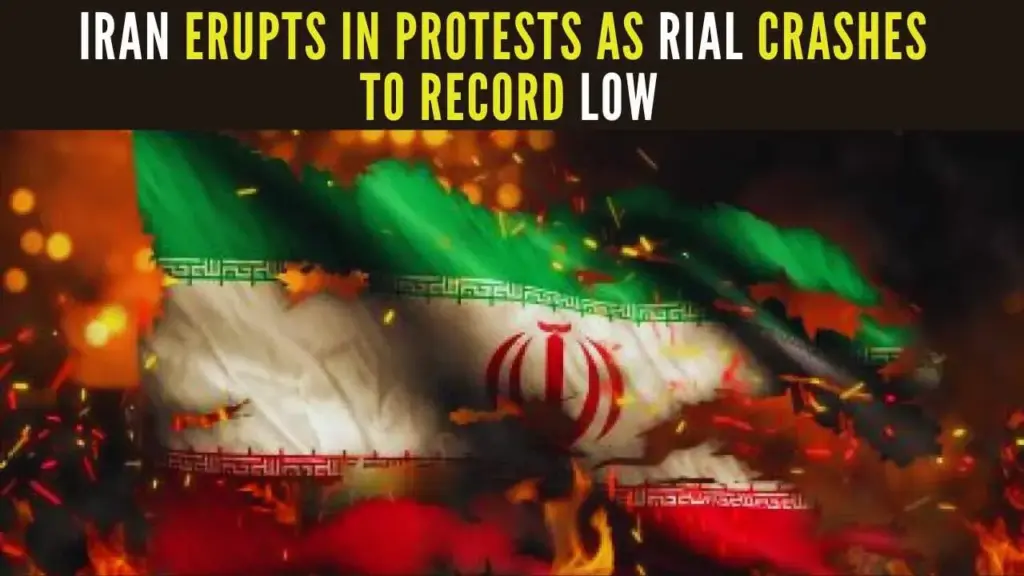
The Iran protests have erupted into significant demonstrations amid a backdrop of economic turmoil, particularly due to the rapid collapse of the Iranian currency. As frustrations grew over soaring inflation and economic hardship, protestors attempted to storm the Farsa government building, resulting in clashes that left several police officers injured. These Tehran demonstrations have not just been limited to one area, reflecting widespread discontent against the Iranian government’s handling of the crisis and the ongoing unrest within the nation. The recent upheaval echoes past protests, including those following the controversial death of Mahsa Amini, revealing a deeper unrest that continues to plague the Iranian landscape. Amid the ongoing upheaval, authorities have imposed restrictions while promising to address the grievances of the citizens, yet many remain skeptical of the government’s intentions to enact real change.
Recently, demonstrations in Iran have garnered international attention, marking a crucial moment as citizens voice their discontent over various pressing issues. Public unrest has surged across multiple cities, demonstrating the collective fury fueled by economic mismanagement and a plunging national currency. As protesters converge on locations such as the Farsa government offices, the groundswell of dissent mirrors past events, notably those sparked by societal injustices like the Mahsa Amini incident. With rising tensions throughout the urban landscape, the Iranian authorities are entangled in a balancing act, facing mounting pressure to respond to the demonstrators’ frustrations while trying to maintain control. The repeated call for fundamental reform underscores a broader narrative of resistance against oppressive governance and socio-economic challenges.
The Impact of Iran Currency Collapse on Protests
Over the past few days, the Iranian currency collapse has become a pivotal factor igniting widespread protests across the nation. The rapid devaluation of the rial against the U.S. dollar has left many Iranians frustrated and struggling to make ends meet. In Tehran, shopkeepers began protesting after yet another significant drop in currency value, expressing their anger over a financial system that has seemingly failed them. Moreover, the economic turmoil has fueled a sense of injustice that transcends the capital, leading to agitation in cities like Fasa where demonstrators attempted to storm local government buildings.
As the situation escalated, the impact of the currency crisis elicited a response from various sectors of society, particularly among students and organized labor groups. In addition to angry shopkeepers, university students soon joined the protests, amplifying the unrest across multiple regions. The Iranian government is under immense pressure to address these rising concerns, but with tight security measures instituted in Tehran and other protest hotspots, the possibility of further clashes remains high. With calls for systemic change echoing through the streets, the connection between economic factors and civic unrest cannot be overlooked.
Frequently Asked Questions
What triggered the Iran protests in 2023?
The Iran protests in 2023 were triggered by a severe currency collapse, which led to demonstrations in various cities, including Tehran. Shopkeepers and university students voiced their frustrations over the steep decline in the value of the Iranian currency against the US dollar.
How did the Iranian government respond to the Tehran demonstrations?
In response to the Tehran demonstrations, the Iranian government declared a bank holiday to quell unrest. This move was perceived by many as an attempt to suppress the protests that erupted following the currency collapse.
What happened at the Farsa government building during the protests?
During the protests in Fasa, located in the southern province of Fars, protesters attempted to storm the local government building. This led to clashes, resulting in injuries to police officers and several arrests.
Are the current protests in Iran similar to the Mahsa Amini protests?
Yes, the current protests are reminiscent of the Mahsa Amini protests in 2022, which were also marked by widespread national unrest. However, the recent demonstrations have not reached the same scale as those that followed Amini’s death in custody.
What impact did the currency collapse have on public sentiment in Iran?
The currency collapse has significantly affected public sentiment in Iran, leading to widespread frustration and anger among citizens, as demonstrated in the protests. This economic crisis has fueled chants against the clerical leadership and calls for change.
What measures are authorities taking to manage the Iranian government unrest?
To manage the Iranian government unrest, authorities have implemented tight security measures in areas where protests are concentrated. The prosecutor general has warned that any incitement of instability will be met with a decisive response, indicating a clear intent to maintain order.
| Key Points | Details |
|---|---|
| Location of Protests | Fasa in Fars Province and other cities including Tehran, Hamedan, and Lorestan |
| Trigger | Currency collapse leading to public unrest |
| Government Response | Declared bank holiday; increased security measures; acknowledgment of protester demands by President Pezeshkian |
| Casualties | Three police officers injured; four protesters arrested |
| Nature of Protests | Widespread demonstrations against clerical leadership; participation of university students and shopkeepers; chants against the regime |
| Historical Context | Protests are the largest since the 2022 protests surrounding Mahsa Amini’s death in custody |
Summary
The Iran protests have erupted in response to a significant currency collapse, leading to unrest across several cities. As demonstrators take to the streets, the government faces mounting pressure to address legitimate grievances while also attempting to manage the situation with security protocols and public holiday declarations. The involvement of students and local shopkeepers suggests a widespread dissatisfaction with the current leadership, echoing sentiments from past protests but not yet reaching that same level of intensity. Moving forward, the commitment of Iranian authorities to respond to these protests will be critical in determining the path of unrest in the country.

