Listen to this article
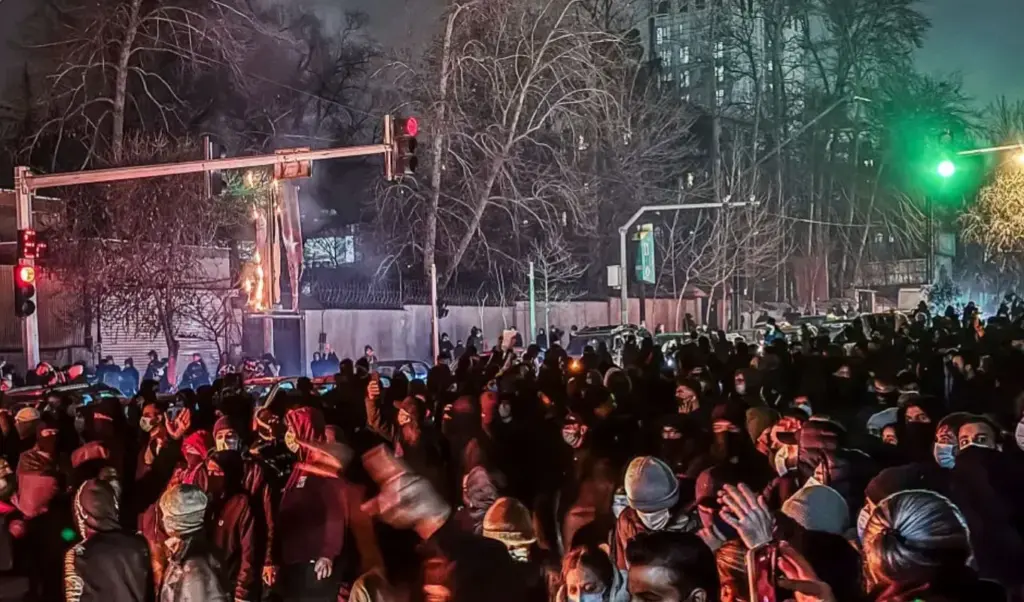
The recent protests in Iran have resulted in a devastating death toll that has shocked the world. According to reports from the Iranian Human Rights Activists News Agency, over 3,090 lives have been claimed, with the supreme leader acknowledging for the first time the brutal nature of many of these deaths. In the wake of escalating unrest, Iran has faced widespread criticism, especially with regard to human rights abuses and the violent crackdown on dissent. With a significant internet blackout across the country, accurate information about the protests has become scarce, leaving many in the dark about the situation. In a recent speech, Ayatollah Khamenei attributed these fatalities to “seditionists,” framing the protests as orchestrated attempts against his government, leading to increased tensions and calls for international response.
Recent events in the Islamic Republic have highlighted grave human rights concerns amid escalating tensions between citizens and the government. Thousands have perished during widespread unrest, prompting international condemnation and calls for accountability. As reports circulate of severe internet disruptions hampering communication, the violent repression of demonstrators has drawn comparisons to past uprisings in the region. The rhetoric from Iranian leadership, positioning the protests as foreign-backed chaos and labeling dissenters as traitors, reflects a broader struggle for power and ideology within the country. These incidents underscore the complex dynamics of protest violence in Iran and the potential implications for global political relations.
The Iran Protests Death Toll: A Gripping Overview
The ongoing protests in Iran have escalated to alarming levels, with the death toll reported to be approximately 3,090 according to the Iranian Human Rights Activists News Agency (HRANA). This alarming figure highlights the severity of the situation, while also raising questions about the Iranian government’s response to civil unrest. The acknowledgment by Iran’s supreme leader that such a high number of people lost their lives during the protests marks a chilling admission of the violence that has plagued the nation. The systematic crackdown on dissent has not only shocked the Iranian populace but has also drawn international condemnation amid warnings about human rights abuses in the country.
As the protests began in late December over economic issues, they quickly transformed into broader calls for ending the regime’s oppressive practices, exacerbated by Ayatollah Khamenei’s harsh rhetoric. He labeled the protestors as ‘seditionists,’ a term that implies treason and justifies the brutal measures taken by security forces. Reports from various sources indicate that demonstrators faced lethal force, leading to tragic consequences that have resulted in thousands of unreported deaths. The intertwining of violence and governmental suppression signifies a concerning trend that makes the situation increasingly volatile.
Ayatollah Khamenei’s Speech: A Defensive Narrative
In a recent speech, Ayatollah Khamenei attempted to frame the violent unrest and protests as a result of external interference rather than acknowledging the internal grievances of the Iranian people. He described President Trump as a ‘criminal’ while accusing America of attempting to destabilize Iran. This narrative serves to unify Khamenei’s core base by casting the protests as acts of foreign conspiracy rather than legitimate calls for reform and human rights. His declarations underscore the Iranian government’s longstanding position of attributing internal dissent to foreign meddling.
Furthermore, Khamenei’s speech avoided addressing the fundamental issues that triggered the protests, such as unemployment, inflation, and the government’s failure to manage economic crises effectively. Instead, he focused on rallying nationalist sentiments against perceived threats, thus diverting attention from the urgent demands of the protestors. This defensive posture not only reflects a fear of losing control but also suggests that the Iranian leadership is unlikely to implement reforms that could diminish their grip on power.
The Impact of Internet Blackouts on Information Flow
The Iranian government’s implementation of an internet blackout has severely restricted citizens’ ability to communicate and access information, complicating the landscape of the ongoing protests. As reported by cyber monitors like NetBlocks, connectivity was reduced to about 2% of normal levels, effectively silencing the voices of those within the country while preventing the spread of vital information to the international community. This blackout raises concerns about the transparency of events on the ground, with many reports indicating a significant underreporting of protest violence due to these restrictions.
Access to information is crucial during times of unrest, as it enables citizens to organize, share their experiences, and gain support from external entities. The blackout not only hampers domestic communication but also stifles outside pressures on the Iranian government to reassess its strategies regarding human rights. As protestors face a deadly response from security forces, the inability to broadcast their plight to the world further isolates them and impedes potential resolutions to the unrest.
Persistent Protest Violence in Iran
Over the past few months, the violent crackdown on protests in Iran has reached unprecedented levels, with security forces employing lethal measures against demonstrators. Verified reports indicate that armed forces have opened fire indiscriminately, resulting in numerous fatalities among the protesters. The brutal escalation in response tactics highlights an alarming trend of protest violence that the Iranian government appears willing to endorse to maintain control. Videos shared on social media platforms showcase horrific encounters, presenting a stark contrast to the government’s narrative of maintaining public order.
Despite the severe actions taken against protesters, the calls for reform and justice persist unwaveringly among the populace. The violence has galvanized many Iranians to intensify their resistance against the regime, further exacerbating the situation. The world watches closely as this cycle of repression and defiance unfolds, with international organizations urging accountability for the human rights violations occurring amidst these protests.
International Reactions to Iran’s Protest Dynamics
As the protests in Iran continue to escalate, international reactions have varied, with some countries calling for immediate action against the Iranian government’s human rights abuses. The US has shown particular interest in the situation, with President Trump publicly urging the protesters to maintain their fight for freedom. His administration has taken a tough stance, warning of military intervention if the Iranian security forces continue to act violently toward demonstrators. This rhetoric raises concerns about the potential for escalated US involvement, which could further complicate the already tense geopolitical climate surrounding Iran.
Responses from other countries and human rights organizations have focused on pressing Iran to adhere to international standards regarding civil liberties and the treatment of its citizens. Critical assessments of the governmental narrative surrounding the recent unrest highlight a need for transparency and accountability from Iranian authorities. This complex interplay of internal dissent and external pressure will play a crucial role in shaping Iran’s political landscape moving forward.
US Military Intervention: A Double-Edged Sword
The prospect of US military intervention in Iran raises significant ethical and strategic concerns. While some advocate for intervention as a means of supporting the Iranian people in their fight against an oppressive regime, others warn that such actions could exacerbate tensions and lead to further instability in the region. Trump’s threats of intervention, framed within the context of protecting protesters, must be carefully analyzed considering the historical consequences of military involvement in Middle Eastern conflicts.
Military solutions can often lead to unintended consequences, including loss of life and prolonged conflicts. As the world grapples with the implications of potential US intervention, a more diplomatic approach focusing on sanctions and international policy may yield better outcomes. Supporting grassroots movements within Iran through diplomatic channels could empower the people and create sustainable change without the adverse effects of military force.
Toward a Synthesis of Freedom and Security in Iran
The juxtaposition of freedom and security remains a critical point of discussion amid the ongoing unrest in Iran. While demonstrators call for greater human rights and liberties, the government continues to justify its authoritarian practices under the guise of maintaining national security. This battle between state-imposed order and the populace’s demand for autonomy highlights the broader struggle many nations face regarding governance, civil rights, and the rule of law.
To achieve a more balanced approach, Iranian authorities must consider the benefits that come with acknowledging and addressing the people’s legitimate rights. Reforming laws to enhance freedom of expression, assembly, and access to information could lead to a more stable society. Compromise is essential—both sides must engage in dialogue to foster an environment conducive to peaceful coexistence and mutual respect.
The Human Rights Crisis in Iran
The Iranian human rights crisis has become increasingly severe as reports indicate systematic violations of fundamental civil liberties. Acts of protest suppression, arbitrary arrests, and torture represent just a fraction of the abuses that have come to light during the recent unrest. With thousands dead as a result of protest violence, the international community must address these serious allegations and hold the Iranian government accountable for its actions.
Human rights organizations have raised alarms regarding the imminent dangers faced by those speaking out against the regime. The plight of political prisoners, combined with the increasing violence against peaceful demonstrators, creates an urgent need for intervention from global human rights advocates. As the situation unfolds, the need for robust support for Iranian citizens enduring oppression is more pressing than ever.
Looking Ahead: The Future of Iran’s Protests
The future of protests in Iran remains uncertain as the government continues to employ repressive tactics against dissenters. Despite the heightened risks associated with activism, the desire for change persists among the Iranian populace. The challenge now lies in sustaining momentum and unifying disparate groups under a common banner of rights and democracy. If the protests can evolve into a coherent movement with clear goals, there may be a higher chance of effecting real change.
Furthermore, the role of international support will be pivotal in shaping the future of these protests. Civil society organizations, diasporic communities, and human rights advocates must amplify the voices of the Iranian people and push for systemic changes that prioritize individuals’ rights and dignity. The next steps taken by both protestors and the government will undoubtedly influence the course of Iran’s socio-political landscape for years to come.
Frequently Asked Questions
What is the current death toll from the Iran protests?
The Iran protests death toll, as reported by the Iranian Human Rights Activists News Agency (HRANA), has reached 3,090 individuals. This tragic figure reflects the violent repression faced during the widespread protests that began over economic grievances.
How have Iranian government responses contributed to the death toll during the protests?
The Iranian government’s aggressive response to protests has been a significant factor in the Iran protests death toll. Ayatollah Khamenei described the deaths as resulting from ‘seditionists’, attributing blame to those opposing the regime, amidst acknowledged instances of deadly force used by security forces.
Did Ayatollah Khamenei provide any insights on the Iran protests death toll?
Yes, in a recent speech, Ayatollah Khamenei recognized that thousands had died during the protests, which he labeled as sedition against the state. His statements indicate a direct acknowledgement of the severe impact of the protests on human life in Iran.
How has internet blackout in Iran impacted information about the death toll?
The internet blackout in Iran has severely hindered the flow of information, making accurate reporting on the Iran protests death toll challenging. Despite the connectivity dropping to about 2% of normal levels, efforts are ongoing to verify the realities on the ground.
What role did the US play concerning the Iran protests and the death toll?
The US has expressed concern over the Iran protests death toll, with President Trump encouraging demonstrators amidst threats of military intervention if security forces continued their violent crackdown. This external pressure has influenced both internal dynamics and international perceptions of the situation.
What evidence exists regarding protest violence in Iran?
Investigations have uncovered verified videos showing security forces using deadly force against protesters, contributing to the rising Iran protests death toll. Both BBC Persian and BBC Verify have reported on these instances, underscoring the urgent human rights concerns.
Can we expect international intervention due to the rising death toll in Iran?
Given the escalating Iran protests death toll and violent government responses, there are discussions about potential international intervention. However, the complexity of geopolitical relations and Ayatollah Khamenei’s recent statements make such interventions uncertain. The situation remains fluid.
What are the implications of the US military intervention threat on the Iran protests?
The threat of US military intervention, as articulated by President Trump, influences the dynamics of the Iran protests. This external pressure adds complexity to the situation, potentially risking further escalation while highlighting concerns about the ongoing death toll and violence against protesters.
| Key Points | Details |
|---|---|
| Supreme Leader Acknowledgment | Ayatollah Ali Khamenei admitted thousands died during protests, calling some deaths ‘inhuman’. |
| Death Toll Reported by HRANA | Iranian Human Rights Activists News Agency reports 3,090 lives lost due to unrest stemming from economic issues. |
| Evolution of Protests | Protests have shifted from economic issues to demands for regime change against the supreme leader. |
| Internet Blackout | There is a near-total shutdown of internet services, making it difficult to gather accurate information. |
| International Reactions | US President Trump supports protesters and hints at military intervention if violence continues. |
| US-Iran Tensions | US State Department warns Iran against potential targeting of American bases, signaling readiness to respond forcefully. |
Summary
The Iran protests death toll has tragically reached over 3,000 as acknowledged by the supreme leader, Ayatollah Ali Khamenei. The violence, described as ‘inhuman’ in nature, has resulted in a significant loss of life amidst ongoing unrest that began over economic grievances. An internet blackout has further obscured the realities on the ground, complicating efforts to assess the situation accurately. The evolving protests that started with economic discontent are now calling for an end to the supreme leader’s rule, facing a brutal response from security forces. These developments have heightened tensions internationally, exemplified by President Trump’s support for the demonstrators and his threats of military action, contributing to a volatile atmosphere that is yet to stabilize.