
Listen to this article
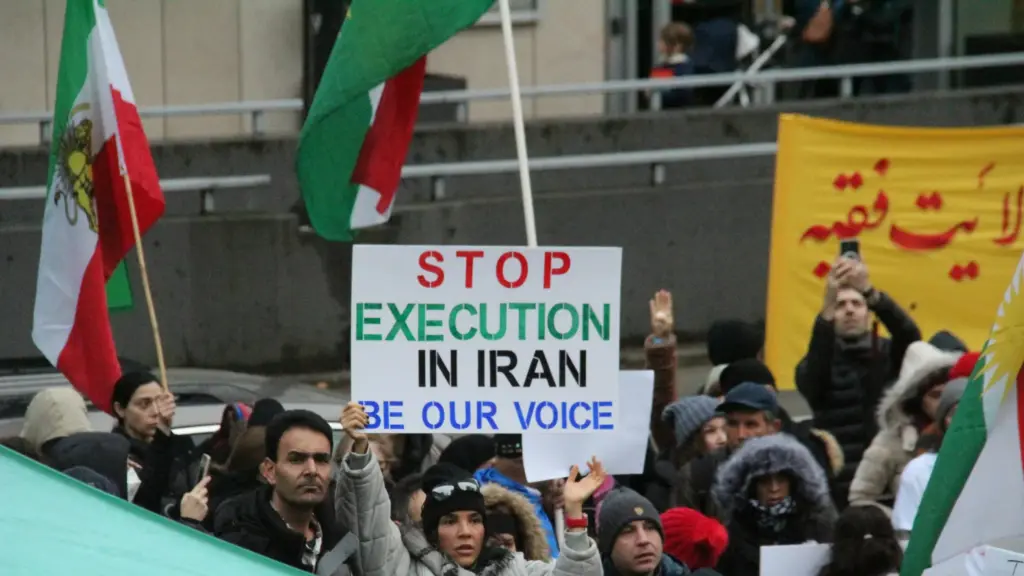
The Iran protests have erupted once again in 2023, capturing the world’s attention as demonstrators confront a violent crackdown by the government. Over the past several days, reports have emerged highlighting the fierce clashes between protesters and security forces, resulting in many casualties amidst widespread civil unrest. Eyewitness accounts and verified videos reveal the escalating brutality from the Iran government as they label protesters as enemies of the state, with fatal consequences. The protests, sparked by rampant inflation and calls for an end to oppressive clerical rule, have spread across more than 100 cities, showcasing the resilience of the Iranian people. As violence in Iran intensifies, the international community is closely monitoring human rights violations and expressing concerns over the treatment of those advocating for freedom.
In recent weeks, demonstrations have surged across Iran, marking a pivotal moment in the ongoing struggle for civil liberties and against authoritarian governance. These civil disturbances resonate with a heightened spirit of defiance among the populace, challenging the oppressive measures applied by the Iranian leadership. As tensions rise amidst a backdrop of economic despair, the government has responded with brutal force, prompting widespread condemnation for its human rights violations. The events of 2023 echo the sentiments of previous uprisings, as citizens rally against entrenched institutional corruption and demand accountability. The unrest has ignited discussions not just within Iran, but globally, regarding the need for systemic change and the protection of basic freedoms.
Understanding the Iran Protests of 2023
The Iran protests of 2023 are a significant response to the government’s oppressive policies, with citizens taking to the streets in increasing numbers. Triggered by soaring inflation and widespread dissatisfaction with the regime, protesters are voicing their demands for change across over 100 cities in Iran. Video footage and eyewitness accounts point to escalating violence as security forces clash with demonstrators, reflecting a government crackdown aimed at stifling dissent. As the protests grow more intense, a pressing concern arises regarding human rights abuses and the measures implemented by the Iran government to suppress civil unrest.
These protests echo the events of 2022, marked by the death of Mahsa Amini, which galvanized widespread outrage and activism against the Iranian regime. This year’s demonstrations have seen an even greater level of unrest, with calls to end the clerical rule of Supreme Leader Ayatollah Ali Khamenei. As international attention rises, the situation has drawn reactions from leaders around the world, further complicating the relationship between Iran and foreign governments beyond its borders. The ongoing protests are not just about economic hardship but signify a broader struggle for human rights and fundamental freedoms in Iran.
The Escalation of Violence in Iran
As the protests in Iran continue, reports of violence against civilians are escalating alarmingly. Security forces have reportedly employed lethal measures against protesters, with hundreds of casualties reported in just a few days. Eyewitnesses and various human rights organizations indicate that government tactics include not only brute force but also hostile rhetoric, framing protesters as ‘enemies of God,’ which legitimizes unfathomable violence against them. The tactics used raise serious ethical concerns about the Iranian government’s ability and willingness to uphold basic human rights standards.
Moreover, the situation has been exacerbated by restricted access to information, with the Iranian government imposing severe internet limitations to stifle communication among protesters and their supporters. This restricts media coverage and impedes the ability of humanitarian organizations to document abuses occurring on the ground. As the government engages in these increasingly violent maneuvers, protester safety remains paramount, and international reactions continue to emphasize the need for accountability from the Iran government concerning their actions against demonstrators.
The Iran Government Crackdown: A Call for Accountability
The Iran government crackdown in response to ongoing protests has sparked global condemnation. The rhetoric from top officials, likening protesters to criminals and labeling them as ‘trained agents of chaos,’ highlights a regime that is determined to maintain its grip on power at all costs. As images of violence surface, the need for accountability calls into question the legitimacy of the Iranian government in the eyes of its own citizens and the international community. This crackdown also fuels further dissent as people rally against the narrative that their voices are not only muffled but also criminalized.
In light of these developments, international organizations and human rights advocates are urging global leaders to respond firmly against the actions of the Iran government. Calls for sanctions and other diplomatic pressures have surfaced, with activists claiming that accountability is crucial for ensuring the safety of dissenters and the protection of human rights in Iran. As the civil unrest continues, the global community must remain vigilant and responsive, emphasizing that violations of human rights will not go unnoticed nor unpunished.
Human Rights Violations Amidst the Unrest
The protests in Iran have highlighted numerous human rights violations, as demonstrators face brutal crackdowns from security forces. Reports from various human rights watchdogs detail alarming trends, including extrajudicial killings, arbitrary detentions, and widespread torture of those arrested during the protests. These actions signal a severe disregard for the protection of human rights and the Iranian government’s commitment to suppressing dissent. Amid this violence, the call for greater awareness and intervention from international human rights organizations has become increasingly urgent.
Organizations like Amnesty International and Human Rights Watch are tirelessly documenting the situations on the ground, calling for immediate action to protect the rights of those protesting against the regime. Their reports reveal a grim picture where civilians, including minors, are caught in the crossfire of government repression. Heightened calls for accountability demand that the Iranian regime adheres to its obligations under international law to respect the rights of its citizens, leading to broader implications for future governance in Iran.
International Reactions to the Iran Protests
The international community’s reactions to the Iran protests have varied widely, from expressions of solidarity with the protesters to calls for aggressive sanctions against the Iranian government. Leaders like US President Donald Trump have publicly voiced support for those seeking freedom, attempting to leverage their position as a means to exert pressure on Iran. This external support has sparked discussions regarding the potential for military options, raising questions about the role of foreign intervention in domestic protests.
Additionally, stakeholders in global governance structures, including the United Nations, have expressed concern regarding the situation. Calls for investigations into human rights abuses have amplified, pushing for accountability while underlining the urgency for diplomatic solutions to the crisis. The changing dynamics of international relations may influence how the Iranian government proceeds, particularly as the civil unrest continues to draw significant attention and condemnation.
The Role of Social Media in Mobilizing Protests
Social media has emerged as a pivotal tool in the Iran protests, enabling demonstrators to organize, share information, and garner international support. Platforms like Twitter and Instagram have been instrumental in disseminating videos and testimonies that reveal the realities of violence in Iran, despite government censorship and internet shutdowns. This digital mobilization challenges the narratives pushed by Iranian authorities, allowing the world to witness the courage of Iranian citizens standing against oppression.
However, the government’s response to social media movements has been equally aggressive. Access to the internet is heavily restricted, particularly during peak protest periods, compelling activists to seek alternative means of communication. The prospect of using technology such as Starlink satellite internet has emerged as a conversation point among those determined to stay connected. This ongoing struggle highlights the balancing act of freedom of expression and the lengths to which an oppressive regime will go to stifle dissent.
The Impact of Economic Hardship on Protests
Economic hardship in Iran has fueled discontent and catalyzed the protests, exacerbating frustrations over government mismanagement and rising inflation rates. Many citizens are not only protesting against political oppression but are also rallying against a struggling economy that has severely impacted their quality of life. The relationship between economic unrest and civil protest is evident, as citizens demand not only political change but also solutions to their dire economic situations.
As protests escalate amidst these economic challenges, voices emerge that advocate for a comprehensive approach that addresses both governmental accountability and economic stability. Protesters are invoking slogans that encapsulate their experiences of both financial strain and desire for democratic reforms. The compounded nature of grievances presents a significant challenge for the Iranian regime, which must navigate both economic revitalization and pressure from a populace demanding overarching change.
The Future of Civil Unrest in Iran
The future of civil unrest in Iran is uncertain, hovering between the potential for meaningful change and the likelihood of increased repression. As protests continue, the Iranian government faces growing pressures both domestically and internationally, creating a volatile environment where both resilience and resistance are palpable. The conversation around these protests points to the possibility of more organized movements emerging, as citizens reflect on their collective experiences and grievances. Additionally, the role of youth and technology cannot be understated in predicting how this movement will evolve.
Global reactions and solidarity movements, particularly from the diaspora, may influence the course of civil unrest in Iran. If the regime remains unyielding, the schism between the people and the government may deepen, leading to more frequent and widespread protests. Ultimately, the intertwining of economic concerns with calls for human rights and political freedoms will shape the narrative of dissent in Iran, determining whether protests will result in incremental change or significant upheaval in the years to come.
Implications for Human Rights Advocacy
The ongoing protests in Iran have serious implications for the field of human rights advocacy, shining a spotlight on the urgent need for intervention and support for those facing repression. As reports of brutality against protesters surface, human rights organizations are working to document abuses and provide assistance wherever possible. The intensity of the situation necessitates a coordinated global response that includes not only condemnation of violence but also strategic support for movements striving for civil liberties and political reform.
The resonance of these protests could serve as a catalyst for greater awareness and advocacy efforts worldwide. Activists and human rights defenders may find new avenues for collaboration and support, potentially leading to enhanced strategies for addressing oppressive regimes. The importance of solidarity with Iranian protesters cannot be overstated, as their fight for dignity and freedom may inspire similar movements in other repressive environments, propelling a wider dialogue on human rights protections.
Frequently Asked Questions
What are the main causes of the Iran protests in 2023?
The Iran protests in 2023 were primarily triggered by soaring inflation, which affected many citizens’ livelihoods. Additionally, there has been widespread discontent with the clerical rule of Supreme Leader Ayatollah Ali Khamenei, leading to calls for political change. These protests have highlighted broader issues of human rights violations in Iran, including the government’s violent crackdown on dissent.
How has the Iranian government responded to the 2023 protests?
In response to the Iran protests, the government has escalated its crackdown on demonstrators, labeling them as ‘enemies of God’ and threatening severe penalties. Reports indicate that security forces have violently confronted protesters, resulting in hundreds of deaths and injuries. More than 2,500 arrests have been made since the protests began, reflecting the government’s determination to suppress civil unrest.
What role has the internet shutdown played in the Iran protests?
The Iranian government imposed an internet shutdown during the 2023 protests, severely limiting access to communication and news. This measure aimed to control the flow of information about the protests and prevent organization among demonstrators. Experts noted that this internet blackout was more extensive than previous shutdowns, impacting both international and domestic connections, making it harder for information to be verified or shared.
What is the international community’s stance on the violence in Iran?
The international community has expressed deep concern regarding the violence in Iran amid the protests. Figures like US President Donald Trump have indicated support for the protesters, emphasizing the need for freedom in Iran. Organizations such as Amnesty International have condemned the Iranian government’s use of lethal force against protesters, calling for accountability and respect for human rights.
Are there specific human rights issues related to the Iran government crackdown?
Yes, the Iran government crackdown has raised numerous human rights concerns. The use of lethal force against protesters, unlawful arrests, and the suppression of freedom of speech are critical issues highlighted by human rights organizations. Reports indicate that security forces have escalated their violence, with many deaths attributed to direct impacts from gunfire, particularly among young demonstrators.
What significance do the 2023 protests hold for Iran’s future?
The 2023 protests represent a significant moment in Iran’s civil unrest, reflecting widespread dissatisfaction with the ruling regime and continued demands for reform. The ability of these protests to unify diverse groups against the government could indicate a shift in the political landscape. Observers suggest that sustained protests could challenge the clerical establishment and potentially lead to significant changes in governance.
| Key Point | Details |
|---|---|
| Protests Response | Defiance against government crackdown; escalated violence reported. |
| Government’s Stance | Attorney General labels protesters as ‘enemies of God’; threat of death penalty. |
| US Involvement | Trump threatens military action against Iran if violence continues. |
| Protest Origins | Triggered by soaring inflation and demands for an end to clerical rule. |
| Casualties | Over 100 reported deaths; hospitals overwhelmed with injured. |
| Clashes | Videos show violent confrontations between protesters and police. |
| Internet Shutdown | Government cuts off internet access, complicating reporting. |
| Historical Context | Most extensive protests since 2022 uprising after Mahsa Amini’s death. |
Summary
The Iran protests represent a significant moment in the nation’s struggle for freedom, with demonstrators bravely confronting brutal government crackdowns. As reports of violence and unrest unfold across over a hundred cities, the protesters’ calls for change resonate deeply, challenging the clerical regime and demanding an end to oppression. The involvement of international figures, particularly from the US, adds another layer of complexity to the situation, introducing discussions of military action and support for Iranian citizens pursuing their rights. Amidst overwhelming casualties and internet censorship limiting communication, the struggle for a more democratic Iran continues to unfold.

