
Listen to this article
Iran protestors are rising up against oppression, driven by frustration over economic hardships and decades of authoritarian rule. Recent anti-regime demonstrations have spread far beyond the borders of Iran, as activists gather outside embassies worldwide, making their voices heard. The dramatic events included a protester in London who famously removed the Iranian flag from the embassy and replaced it with the historic lion and sun flag, a potent symbol of resistance. As the unrest escalates, social media has become a crucial tool for sharing information about the Iran protests, showcasing the determination and bravery of those willing to risk everything for their rights. Esteemed Iranian cultural figures and international political leaders have rallied to support the protests, condemning the regime’s violent response and urging for fundamental freedoms to be upheld.
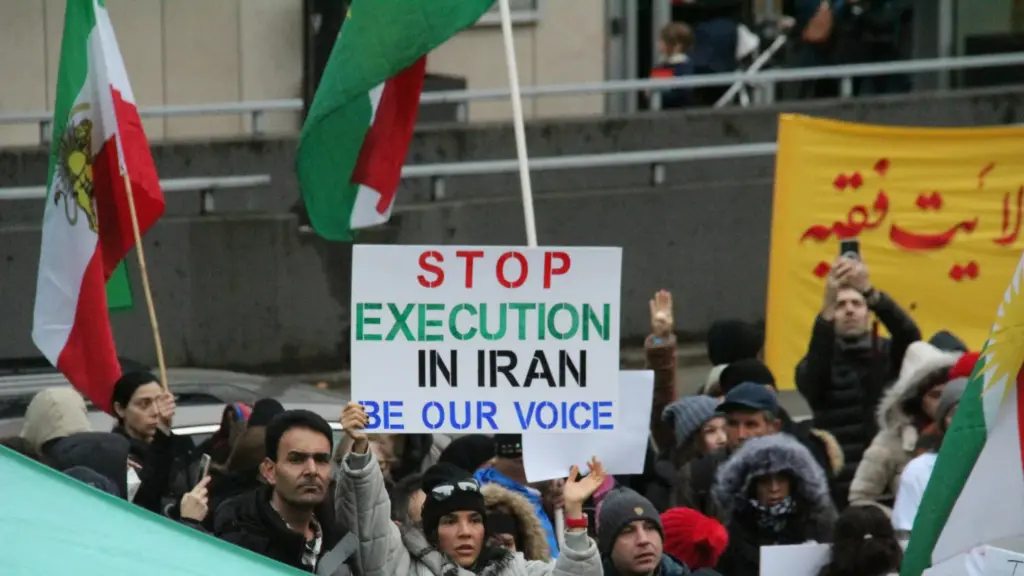
Demonstrators fighting against the Iranian regime represent a courageous collective effort to reclaim their rights and freedoms. These anti-government movements have gained traction both domestically and internationally, indicating a significant shift in public sentiment. The fervor seen in cities like Berlin, where crowds proudly waved the pre-Islamic flag, reflects the deep-rooted desire for change within Iranian society. Activists, many of whom are young women, have taken to the streets, challenging the regime’s oppressive tactics and advocating for free speech and peaceful assembly. As calls for justice and accountability grow louder, the Iranian people’s resilience continues to inspire activists around the globe.
Iran Protestors Lead the Charge Against Regime Oppression
Recent protests across Iran have become a significant symbol of resistance against the regime, with Iranian protestors at the forefront of these demonstrations. Their courage is reflected in their actions, including the dramatic removal of the Iranian flag at the embassy in London. This bold act, which involved replacing the official flag with the pre-Islamic revolution lion and sun flag, has sparked further conversations about national identity among opposition groups. Such protests not only display discontent with the current leadership but also highlight the patriotic sentiments of many Iranians who seek to reclaim their cultural heritage.
The ongoing protests have garnered international attention, particularly as they represent one of the most critical challenges the regime has faced in years. Iranian protestors rally not just domestically but also at Iranian embassies around the world, aiming to raise awareness of the increasingly authoritarian measures employed by the Iranian government, especially against dissenters. With calls for solidarity and support being echoed through social media platforms, the stories of these brave individuals resonate far beyond Iran’s borders, inspiring a global movement for change.
The Impact of Anti-Regime Demonstrations on Iranian Society
Anti-regime demonstrations in Iran have profoundly impacted the social landscape, igniting passion among the youth and prompting an awakening of political consciousness. The protests, initially ignited by economic frustrations, have evolved into a broader movement challenging the fundamental aspects of the regime’s authority. Activists and Iranian cultural figures are calling attention to issues of freedom and human rights, emphasizing that the voice of the people cannot be silenced. As the demonstrations continue, many are finding strength in unity, showing that resistance is alive and well across the nation.
Moreover, these demonstrations reflect a widespread dissatisfaction with the regime’s repression, including the imposition of internet blackouts meant to stifle communication among protestors. By openly confronting this oppression, Iranian protestors demonstrate their resolve and determination not to succumb to authoritarian tactics. The atmosphere of bravery during these protests suggests a tipping point in Iranian society, where people are more willing than ever to voice their dissent and challenge systemic injustice.
International Reactions to the Iranian Protests
International reactions to the ongoing protests in Iran have been varied, with numerous world leaders expressing solidarity with the Iranian protestors. The UK government has been vocal in its condemnation of the regime’s violent crackdown, stressing the importance of free speech and peaceful assembly. The foreign secretary, Yvette Cooper, highlighted the courage of those protesting against the Iranian authorities, particularly young women who are at significant risk. Statements from Western leaders reinforce the notion of global responsibility to support the rights of individuals to raise their voices against oppression.
Furthermore, public demonstrations in support of Iranian protestors have emerged globally, especially in European capitals. These actions underscore a collective desire for change and support for the rights of citizens in Iran. The backing of well-known figures, such as exiled crown prince Reza Pahlavi, who called for organized protests to reclaim control over their cities, has helped galvanize international attention. Each show of solidarity serves to pressure the regime, reminding leaders that the global community is watching closely.
The Role of Iranian Cultural Figures in the Protests
Iranian cultural figures have played a pivotal role in the ongoing protests, using their platforms to amplify the voices of dissent and criticize the regime’s oppressive measures. Their involvement signifies the intersection of art, activism, and politics, as these individuals leverage their influence to garner support for the protestors. Statements against internet blackouts and calls for greater freedom reflect a powerful movement toward expression and change, advocating for fundamental rights that should be afforded to all citizens.
Additionally, the participation of cultural icons in the protests helps to spotlight the rich heritage and identity that many Iranians believe is being threatened by the current regime. By promoting symbols of pre-revolution Iran, such as the lion and sun flag, cultural figures are not only reclaiming history but also inspiring the next generation to engage with their national identity actively. Their efforts underline the importance of cultural representation in political discourse, establishing a narrative that opposes oppression while fostering unity among protestors.
Online and Offline Strategies of Iranian Protestors
The Iranian protestors have utilized both online and offline strategies to effectively communicate their message and rally support. Social media platforms have become crucial for organizing protests and sharing real-time information about the demonstrations, especially in light of the regime’s attempts to shut down internet access. Through hashtags and viral posts, Iranian youths are able to connect with a global audience, showcasing videos of their protests and documenting acts of bravery, further galvanizing international support.
On the ground, the strategies of Iranian protestors are equally innovative. Organizing flash mobs at significant locations, such as Iranian embassies worldwide, allows for impactful visibility and media coverage. These offline actions serve to highlight the unity among Iranian communities and provoke discussions regarding human rights in authoritarian regimes. By combining digital savvy with grassroots activism, the protestors have amplified their voices, driving conversation and creating a fervent demand for change.
The Historical Context of the Iranian Protests
To understand the current Iranian protests, it is essential to consider the historical context that has led to years of government discontent. Since the Islamic Revolution of 1979, there has been a tumultuous relationship between the government and the people, characterized by repression, economic hardship, and ignored social rights. The protests that began on December 28 serve as a culmination of this discontent, highlighting the frustrations that have simmered over decades. Each act of defiance has roots in a complex history of authoritarian rule and cultural suppression, driving the current generation to demand change.
Thus, the protests not only strive to address immediate grievances but also to reclaim a narrative for future generations. The historical significance of these movements cannot be understated; they represent a desire to reconnect with the proud heritage of Iran that existed before the revolution and promote a future grounded in democracy, equality, and human rights. The courage of the current protestors embodies the ongoing struggle for liberation, reminding us that history shapes the fabric of social movements.
Future Implications of the Iranian Demonstrations
The future implications of the Iranian demonstrations could be profound, potentially reshaping the political landscape within the country. As protestors continue to rally for change against the oppressive regime, the likelihood of shifts in government policies increases, driven by growing domestic and international pressure. Should the demonstrations gain momentum, they could lead to significant reforms or even a fundamental restructuring of the political system, aligning more with the democratic aspirations of the Iranian people.
Moreover, if the unity among Iranian protestors continues to strengthen, supported by international solidarity, it may inspire other oppressed groups across the globe to rise against their own authoritarian regimes. The emergence of movements fueled by social media and public demonstrations could redefine future activism, leading to a greater emphasis on human rights and freedom. In this light, the protests in Iran might not only affect the nation’s future but also serve as a beacon of hope for others yearning for liberation.
Calls for International Support from Iranian Activists
Iranian activists have increasingly called for international support to amplify their struggles against regime repression. The global community’s response to these protests is vital, as it can provide moral support and diplomatic pressure on the Iranian government to respect human rights. Social media campaigns highlighting the voices of the protestors, particularly from influential international figures and organizations, serve to educate the wider public about the realities in Iran and galvanize global action.
Moreover, collaboration with international human rights organizations can provide protestors with crucial resources and strategies to sustain their movements. By fostering alliances with external entities, Iranian activists can not only ensure their messages reach a larger audience but also push for more robust responses from governments around the world. This collaborative effort is essential in holding the Iranian regime accountable for its actions and providing lasting support to those fighting for a free and just society.
Frequently Asked Questions
What sparked the recent Iran protests in 2023?
The Iran protests in 2023 were ignited by widespread anger over the country’s struggling economy and social issues. The anti-regime demonstrations have become the most significant challenge to the Iranian leadership in years, with thousands of Iranian protesters taking to the streets to voice their discontent.
What actions have protesters taken against the Iranian regime during the demonstrations?
During the demonstrations, Iranian protesters have engaged in various actions, including climbing onto the Iranian embassy in London to remove the country’s flag and replace it with the historical lion and sun flag. These acts symbolize the call for change and opposition to the current regime.
How has the Iranian government responded to the anti-regime demonstrations?
The Iranian government has responded to the anti-regime demonstrations with violent repression, leading to numerous arrests and reports of casualties among protesters. An internet blackout was implemented as a tool of repression, making it difficult for Iranian protesters to communicate and organize.
What role have Iranian cultural figures played during the protests?
Iranian cultural figures have condemned the government’s actions and the internet blackout imposed on citizens. They regard it as a blatant tool of repression against those who dare to speak out during the Iran protests, further amplifying calls for accountability and change.
What kind of support have protesters received from international figures?
International figures, including the UK Foreign Secretary Yvette Cooper, have voiced support for Iranian protesters. Cooper emphasized that individuals speaking out against the regime’s repressive measures should not face threats of violence. The UK, France, and Germany have collectively urged Iranian authorities to respect the rights of peaceful assembly.
What is the significance of the lion and sun flag for Iranian protesters?
The lion and sun flag represents historical and cultural symbolism for many Iranians and is often associated with opposition to the current Islamic regime. Its use during the Iran protests serves as a rallying point for demonstrators who seek to reclaim their identity and demand political change.
How has public opinion in Iran changed as a result of the protests?
Public opinion in Iran has shifted significantly, with many citizens expressing dissatisfaction with the government’s response to economic hardships and social injustices. The Iran protests have mobilized diverse groups, encouraging people to join the anti-regime demonstrations despite the risks involved.
What were the recent actions taken by protesters outside Iranian embassies worldwide?
Protesters demonstrated outside Iranian embassies around the world, waving the former imperial flag and carrying images of exiled figures, such as Reza Pahlavi. This global show of solidarity highlights the widespread discontent with the Iranian government and the desire for democratic reforms.
What are the long-term goals of the Iranian protesters?
The long-term goals of Iranian protesters include overthrowing the current regime and establishing a democratic government that respects human rights. Many protesters aim to take control of their towns and advocate for fundamental freedoms, such as free speech and peaceful assembly.
How has the Iranian regime portrayed the protests in official statements?
The Iranian regime has attempted to downplay the protests, emphasizing that order has been maintained. They often depict the demonstrations as foreign-instigated unrest, dismissing the grievances of Iranian protesters and framing the crackdown as a necessary measure for national security.
| Key Point | Details |
|---|---|
| Protester Action | An Iranian protester removed the Iranian flag at the embassy in London, replacing it with the pre-revolution flag. |
| Demonstrations | Protests against the regime occurred globally, including in Berlin where demonstrators showcased the former imperial flag. |
| Protest Numbers | The protest in London saw attendance between 500 and 1,000 people at peak times. |
| Government Response | UK officials expressed concern over repression and called for restraint from the Iranian regime amidst ongoing violence. |
| Human Rights | Iranian cultural figures condemned internet blackouts as tools of repression against protesters. |
| Call to Action | Reza Pahlavi urges protesters to seize control of towns and raise the pre-1979 flag during upcoming demonstrations. |
Summary
Iran protesters are bravely voicing their opposition against the regime, showcasing their demands for fundamental rights, including free speech and peaceful assembly. The recent actions at the Iranian embassy in London, including the symbolically significant removal of the regime’s flag, highlight the growing discontent among the Iranian people both domestically and abroad. As more individuals take to the streets, including in various cities across Europe, the urgency for the Iranian authorities to acknowledge and respond to these demands rises. The international community, especially countries like the UK, is closely monitoring the situation and advocating for the rights of these courageous individuals, ensuring their pleas are heard amidst the ongoing repression.