Listen to this article
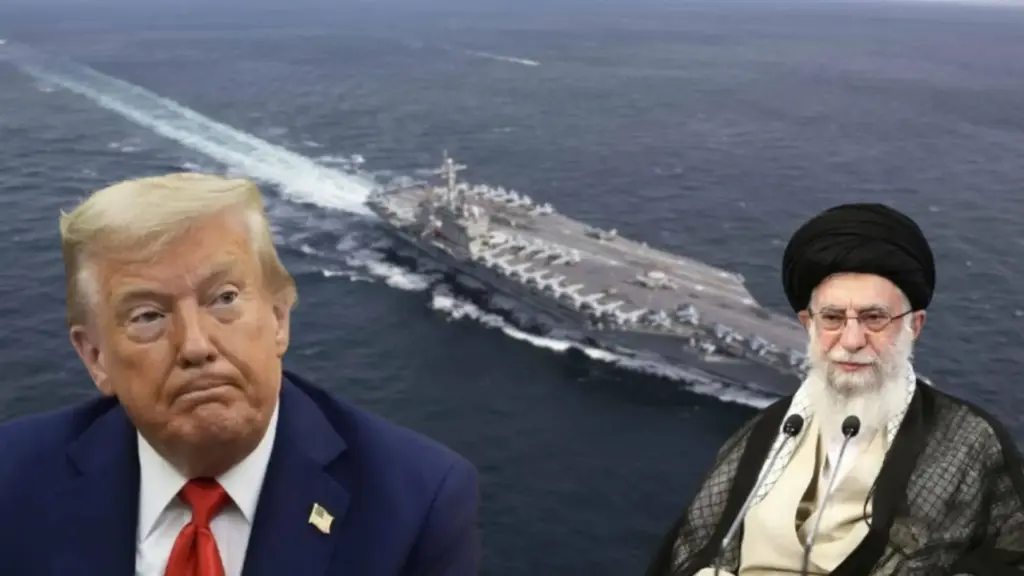
The ongoing Iran nuclear talks have become a focal point of international diplomacy, particularly with Donald Trump’s recent announcement of his “indirect” involvement in the negotiations. Set to commence in Geneva, these talks are considered pivotal for addressing concerns surrounding Iran’s nuclear program and potential sanctions relief from the United States. As news of US-Iran negotiations spreads, many are eager to see whether a compromise can be reached amidst rising tensions and military posturing in the region. Trump’s remarks highlight Iran’s apparent willingness to negotiate, contrasting sharply with his administration’s earlier hardline strategies. With the stakes high, these discussions could significantly impact Middle East diplomacy and reshape the dynamics of US military presence in Iran and beyond.
Diplomatic efforts surrounding Iran’s atomic capabilities are under intense scrutiny as high-level discussions loom in Geneva. These critical conversations involve key stakeholders aimed at mitigating nuclear proliferation risks in the region. The potential for a resolution has come into greater focus against a backdrop of fluctuating military dynamics and previous negotiations that have stuttered due to escalating threats. With notable figures such as Donald Trump hinting at a mediated agreement, observers are keenly watching for updates on Iran’s response to Western overtures. As both sides prepare to engage, the outcome could redefine future US policy and relations in the Middle East.
Trump’s Indirect Involvement in Iran Nuclear Talks
Donald Trump has made headlines by announcing his indirect involvement in the upcoming Iran nuclear talks, which are set to take place in Geneva. This statement comes at a time when the political landscape surrounding the Iran nuclear program has become increasingly complex. The President emphasized that, despite not being directly at the negotiating table, his influence will be felt, as he seeks to steer the discussions towards a positive outcome. Analysts believe that Trump’s approach could be part of a larger strategy to showcase American diplomatic efforts while maintaining a military presence in the Middle East.
The dynamics of Trump’s involvement in the negotiations raise questions about how his administration plans to balance diplomacy with the existing military tensions in the region. Previous rounds of negotiations were hampered by hardline stances from both sides. The hope is that with Trump’s indirect guidance, a new, more pragmatic approach might emerge, allowing for some concessions and ultimately paving the way for a potential agreement. However, it remains to be seen whether this strategy will yield the desired results, especially as other geopolitical factors continue to influence the discussions.
Current Updates on Iran’s Nuclear Program
As the Iran nuclear talks approach, updates on the Iranian nuclear program are critical for understanding the stakes involved. Recent statements from the Iranian foreign ministry indicate a willingness to consider dialogue, particularly in light of perceived shifts in the US stance regarding economic sanctions and nuclear capabilities. The negotiations are especially important, as both countries attempt to navigate a path towards a more stable relationship following years of tension. There is immense pressure on Iran to demonstrate its commitment to the talks by showing transparency in its nuclear activities.
In addition to addressing the nuclear program, it is crucial to recognize the broader implications of these discussions, including regional security and the potential for easing restrictions that have hampered Iran’s economy. If successful, these talks could signify a pivotal moment in Middle Eastern diplomacy, potentially influencing US Iran negotiations news for months or even years to come. The international community is watching closely, as a deal could also impact Iran’s military actions and its interactions with other regional players.
Impact of US Military Presence in Iran Talks
The military presence of the United States in the region plays a significant role in shaping the narrative around the Iran nuclear talks. Recent deployments, including aircraft carriers and warships, serve to communicate a strong US stance against perceived threats from Iran. This military buildup is not merely a show of force; it is also a strategic move that aims to leverage American power in negotiations. Statements from US officials indicate that military readiness could influence Iran’s willingness to compromise during the discussions.
However, a strong military presence can also complicate diplomatic efforts. The Iranian leadership may perceive the US military buildup as a direct threat, potentially hardening their negotiating stance. Any examination of the talks must take into account how military actions and rhetoric can affect the tone and effectiveness of diplomatic communication. Ultimately, the intertwining of military and diplomatic strategies will play a crucial role in determining the outcome of the negotiations over Iran’s nuclear ambitions.
Middle East Diplomacy: Challenges and Opportunities
Middle East diplomacy is at a crossroads, particularly as the US and Iran engage in talks regarding nuclear capabilities. The history of conflict and mistrust in the region presents significant challenges that negotiators must navigate carefully. Both sides come to the table with demands born from years of hostility, making it difficult to find common ground. However, this also creates opportunities for innovative diplomatic solutions that might not have been considered previously. Facilitators from neutral nations, such as Oman, may play a vital role in bridging the gaps between the conflicting parties.
The complex web of alliances in the Middle East further complicates the landscape of diplomacy. With various countries having vested interests in the outcome of the Iran nuclear talks, it is crucial to consider external influences when strategizing negotiations. Successful diplomacy will require a nuanced understanding of regional dynamics and the willingness to address not only Iran’s nuclear program but also its missile programs and broader regional ambitions.
The Role of International Mediators in Iran Negotiations
International mediators have increasingly become integral to Iran negotiations, as evidenced by Oman’s role in facilitating dialogue. The presence of a neutral party is essential to bridging the divide between the US and Iran, particularly given the historical tensions that exist. Mediators can help craft acceptable terms and foster an environment conducive to negotiation, enabling both parties to engage without the shadow of military threats looming over them. The involvement of third-party nations signals a commitment to finding a collaborative solution rather than relying solely on pressure tactics.
The success of mediators in these discussions may depend on their ability to earn the trust of both parties. Effective mediation requires a deep understanding of the political landscape and the unique interests of involved nations. As the Iran nuclear talks proceed, it will be crucial for mediators to remain impartial while actively working to guide both sides towards a compromise that respects Iran’s sovereignty while addressing international security concerns.
Bipartisan Support for Diplomatic Efforts with Iran
Despite the contentious nature of US-Iran relations, there is a certain level of bipartisan support for pursuing diplomatic efforts to resolve nuclear issues. Key figures from both parties recognize that a military solution may not be viable in the long term, and that diplomatic channels must be explored. This coalition of support could help empower negotiators and create a stable environment for discussions, ultimately enhancing the prospects for a successful outcome. With challenges still looming, the emphasis on collaboration and dialogue marks a shift from past hardline approaches.
The recognition of diplomacy as a viable option also reflects a broader understanding of the consequences of military conflicts in the region. Lawmakers are increasingly aware that prolonged military engagement can lead to regional instability and unintended fallout. Therefore, this bipartisan consensus might serve as a foundation upon which more substantial agreements can be formed, reinforcing the importance of dialogue in navigating complex international relations involving Iran and the United States.
Iran’s Military Posture and Reaction to US Policies
Iran’s military posture is a key aspect of its response to US policies, especially during periods of heightened tensions such as the current climate surrounding the nuclear talks. The Islamic Revolutionary Guard Corps (IRGC) exercises significant influence over Iran’s military strategies, frequently showcasing its capabilities through drills and demonstrations. Such displays are designed to project strength not only to deter perceived external threats but also to solidify domestic support for the government’s stance in negotiations. The maritime drills in the Strait of Hormuz, for instance, serve as a reminder of Iran’s strategic significance in one of the world’s major oil export routes.
As the US builds its military presence nearby, Tehran is likely to scrutinize all American moves closely. This adversarial dynamic can create a precarious situation where military posturing undermines diplomatic negotiations. Each side’s military actions could lead to miscalculations, increasing the risk of misunderstandings that might derail the diplomatic process. Therefore, while Iran demonstrates its military capability, it also faces the challenge of maintaining a diplomatic focus to ensure that its national interests are preserved in the complicated dance of international relations.
Future of US-Iran Relations Following the Talks
The outcome of the Iran nuclear talks may set the tone for the future of US-Iran relations. Successful negotiations could pave the way for a more stable relationship, potentially easing economic sanctions and fostering engagement on other pressing issues, such as regional security. Conversely, failure to reach an agreement could exacerbate tensions, leading to further military escalations and diplomatic fallout. Therefore, the stakes are high for both sides as they approach the negotiating table in Geneva.
Experts stress that rebuilding trust will be a gradual process, contingent upon mutual concessions and the willingness to engage in transparent dialogue. The international community is closely monitoring developments, understanding that the repercussions of these talks extend beyond just Iran and the United States. The future of relations in the broader Middle East lies in the balance, and successful diplomacy may lead to transformative shifts in regional dynamics.
Key Takeaways from Recent Iran Negotiations
Recent developments in the Iran nuclear talks underscore several critical takeaways for observers of international relations. Firstly, the importance of open communication and diplomatic engagement has been highlighted, as it serves as a necessary antidote to conflict. The willingness of both sides to negotiate in Geneva demonstrates that, despite past grievances, there exists a recognition of the need for dialogue to address pressing concerns surrounding nuclear proliferation.
Secondly, the role of external military postures, particularly that of the United States, cannot be understated in shaping negotiations. The presence of US forces in the region impacts the strategic calculations of Iranian leaders, influencing their approach to dialogue. Furthermore, local and international mediators play an essential role in ensuring that the discussions remain productive, aiming to facilitate movement towards a more peaceful outcome for the Middle East.
Frequently Asked Questions
What is the current status of the Iran nuclear talks involving Trump?
The Iran nuclear talks are set to begin in Geneva, with President Trump stating he will be indirectly involved. He believes that Iran is motivated to negotiate this time due to the consequences of not reaching an agreement previously.
How has the US military presence influenced the Iran nuclear negotiations?
The US military presence in the Middle East, including the positioning of aircraft carriers and destroyers, is believed to be a factor in the Iran nuclear talks. This military buildup may pressure Iran to negotiate more seriously regarding its nuclear program.
What role does Oman play in the Iran nuclear talks?
Oman is mediating the upcoming Iran nuclear talks, facilitating discussions between the US and Iran on the nuclear program and potential easing of economic sanctions.
What issues are being considered in the Iran nuclear program discussions?
The Iran nuclear talks will primarily focus on the nuclear program, but the US also wishes to address Iran’s missile stockpile and other security concerns as part of the negotiations.
Why did Trump say Iran should be more reasonable in the nuclear talks?
Trump’s statement reflects his belief that Iran should be more reasonable this time after experiencing negative consequences from a hardline stance during past negotiations regarding their nuclear program.
What are the implications of recent military activities in the Gulf on the Iran nuclear talks?
Recent US military activities, including naval drills and a buildup of forces in the Gulf, may heighten tensions and impact the dynamics of the Iran nuclear talks, potentially influencing Iran’s willingness to negotiate.
How does international diplomacy play a role in the Iran nuclear negotiations?
Middle East diplomacy is crucial in the Iran nuclear talks, as nations like Oman act as intermediaries, aiming to find a diplomatic resolution to the issues surrounding Iran’s nuclear ambitions and regional security.
What statements have Iranian officials made regarding the nuclear talks?
Iranian officials, such as Foreign Minister Abbas Araqchi, have indicated a willingness to negotiate for a fair deal but have firmly stated that they will not submit to threats, emphasizing the importance of a balanced diplomatic approach in the talks.
| Key Point | Details |
|---|---|
| Involvement of Trump | Trump expressed he will be ‘indirectly’ involved in Iran nuclear talks. |
| Location and Timing | The talks are set to begin in Geneva, Switzerland on Tuesday. |
| Iran’s Perspective | Iran believes the US stance has shifted towards a ‘more realistic position’. |
| Topics of Discussion | The talks will focus on Iran’s nuclear program and potential easing of economic sanctions. |
| US Military Position | The US has escalated its military presence in the Middle East amid ongoing tensions. |
| Comments from Trump | Trump suggested Iran is eager to negotiate to avoid severe consequences. |
| Iran’s Military Response | Iran initiated a maritime drill in the Strait of Hormuz in response to US military buildup. |
| Challenges Ahead | Secretary of State Marco Rubio warns that reaching an agreement will be difficult. |
Summary
The Iran nuclear talks represent a crucial moment in international diplomacy as Donald Trump announces his indirect involvement. Scheduled to commence in Geneva, these talks follow heightened tensions and military threats against Iran, with implications for regional security and diplomatic relations. The discussions aim to address Iran’s nuclear program and the possibility of lifting economic sanctions, which is a pivotal issue for Iran. However, both sides face significant challenges and skepticism about reaching a conclusive agreement. The upcoming negotiations will be closely monitored as they have the potential to reshape interactions between the US and Iran in the ongoing struggle over nuclear capabilities and regional stability.