Listen to this article
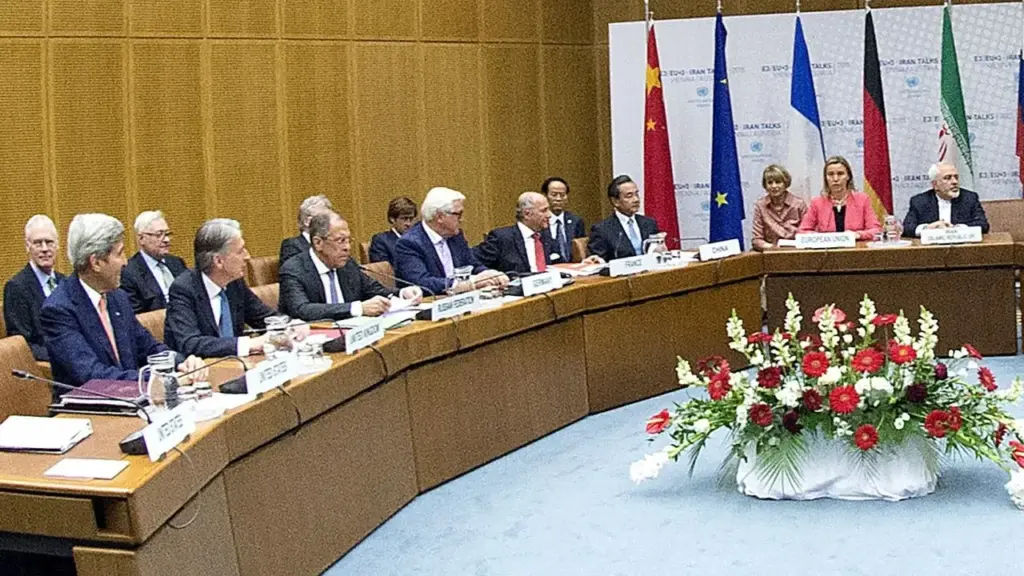
The Iran nuclear deal has emerged as a pivotal issue in the ongoing negotiations between Tehran and Washington, as both parties consider potential compromises amid a backdrop of escalating tensions. Iranian officials have made it clear that any progress hinges on the lifting of US sanctions, a point reiterated by Iran’s Deputy Foreign Minister in a recent BBC interview. Despite President Donald Trump labeling these discussions as challenging, both sides appear to find some common ground regarding the enrichment of uranium—a critical concern in the negotiations. As Tehran has expressed willingness to dilute its uranium stockpile, hope prevails that a new agreement could be crafted if the US acknowledges Iran’s demands. The stakes are high, with Iran asserting that the future of its nuclear program hangs in the balance alongside firm US expectations for significant concessions from Iran during these talks.
In the realm of international diplomacy, the negotiation efforts surrounding Iran’s nuclear ambitions have gained significant attention, emphasizing the urgency for a renewed agreement. The situation reflects a complex interplay between economic sanctions imposed by the US and Tehran’s strategic decisions regarding uranium enrichment capabilities. Discourse surrounding these talks has involved a variety of stakeholders, with statements from Iran’s foreign minister pointing toward a willingness to engage constructively. Central to these discussions is the pressing issue of US sanctions lifting, which remains a critical barrier to achieving a lasting accord. As alternative terms like ‘nuclear negotiations’ circulate in the dialogue, the future of Iran’s nuclear strategy remains uncertain, prompting both optimism and skepticism among global observers.
Iran’s Stance on the Nuclear Deal
Iran is showing readiness to make compromises regarding the nuclear deal with the United States, marking a significant shift in its approach toward negotiations. As stated by Majid Takht-Ravanchi, the Iranian deputy foreign minister, Tehran is willing to engage in discussions about its nuclear program as long as Washington expresses a genuine interest in lifting the current US sanctions. This position underscores Iran’s desire for a diplomatic solution, as opposed to the military threats that have characterized previous administrations’ tactics.
The insistence from US officials that Iran is the primary obstacle in these talks adds complexity to the situation. While President Trump has expressed a preference for a deal, his administration’s hardline stance, particularly regarding zero enrichment, complicates matters. Iran, perceiving the demand as a violation of its rights under the nuclear non-proliferation treaty, views its own uranium enrichment as a matter of national sovereignty. Therefore, any successful negotiation will require both sides to demonstrate flexibility and a willingness to bridge their divergent positions.
US Sanctions and Progress in Negotiations
The lifting of US sanctions remains a pivotal point in the negotiations between Iran and the United States. Iran’s willingness to discuss modifications to its nuclear program is contingent on the lifting of these sanctions, which have severely impacted its economy. This requirement reflects Tehran’s view that sanctions relief is not only a matter of economic necessity but is also critical for establishing a foundation of trust between the two nations. If the US is to move forward, it must consider this demand seriously, as neglecting it could stall progress.
On the other hand, the US has shown reluctance to lift sanctions without substantial concessions from Iran. Secretary of State Marco Rubio’s comments highlight an ongoing tension; while openly advocating for a deal, the Trump administration remains skeptical of Iran’s compliance with any new agreement. Thus, the pathway to lifting sanctions and reaching a nuclear deal may be fraught with obstacles unless both parties can find common ground.
Challenges Faced in Iran-US Talks
Ongoing challenges have consistently emerged during Iran’s negotiations with the United States, particularly regarding the specifics of the nuclear deal. As discussions continue, Iran’s commitment to maintaining its uranium enrichment capabilities juxtaposes against the US’s demands for complete cessation. This impasse not only demonstrates the differing national priorities but also highlights the complexity of international diplomacy regarding nuclear proliferation. Furthermore, the insistence on centering talks solely on nuclear issues reflects Iran’s strategic approach to negotiating, emphasizing the need for a focused dialogue.
The perception that talks are improving, as stated by Takht-Ravanchi, may be overly optimistic. Complicating matters is Iran’s refusal to address its ballistic missile program, which is a key concern for the US and its regional allies. Thus, while there is some progress, significant hurdles remain. Without a breakthrough on crucial aspects of the negotiations, including sanctions and military concerns, both parties may face a protracted stalemate.
Iran’s Nuclear Enrichment and Compromise Offers
Iran’s nuclear enrichment program continues to be at the forefront of discussions surrounding the prospective deal. Recently, Tehran has proposed to dilute its 60% enriched uranium as an indication of its willingness to compromise. Given that this level is alarmingly close to weapons-grade enrichment, such gestures are critical in alleviating international concerns over Iran’s nuclear intentions. However, the complexity of verifying these commitments remains a challenge, necessitating a robust framework for inspection and compliance as part of any future agreement.
Takht-Ravanchi’s statements regarding Iran’s readiness to ship its enriched uranium stockpile out of the country mirror strategies employed during the 2015 nuclear agreement. Nevertheless, the assurances surrounding the specifics of such arrangements are still pending clarification. This uncertainty raises questions about the feasibility of past agreements and the faith each side can place in the other’s commitment to the deal.
Regional Dynamics Influencing the Nuclear Negotiations
The regional dynamics in the Middle East significantly influence the nuclear negotiations between Iran and the United States. Iran’s tense relations with nations like Israel, which views Tehran’s nuclear aspirations as a direct threat, create an environment of skepticism and mistrust. As Takht-Ravanchi noted, Iran perceives its defense capabilities as crucial, particularly in light of previous aggression from both Israel and the United States. This highlights the intricate balance of power in the region, where negotiations cannot solely focus on nuclear issues without considering Israel’s security concerns.
Additionally, cooperation among regional partners, including talks facilitated by Oman and other Arab nations, illustrates the broader geopolitical implications of the Iran nuclear negotiations. These nations aim to avert potential conflicts that could destabilize the region further. Iran’s discussions with limited engagement from regional powers raise questions about collective security and the potential for diplomatic solutions amid various military pressures, thus complicating the prospects of achieving a sustainable and comprehensive nuclear deal.
The Role of Military Presence in Negotiations
The US military presence in the region has emerged as a contentious factor affecting the Iran nuclear negotiations. Iran views this military buildup as an existential threat, which intensifies its resolve to maintain its nuclear program as a form of deterrence. Takht-Ravanchi’s comments concerning the legitimacy of targeting US military bases speak to the heightened tensions surrounding these discussions. The threat of military escalation further complicates the already delicate negotiations, with Iran’s defense posture being influenced heavily by its perception of American actions.
Moreover, Trump’s reiteration of military action as an option should negotiations falter adds to the tension, signaling that diplomacy may not be the sole avenue being pursued by Washington. Safeguarding its national interests while negotiating with the US requires Iran to navigate a landscape fraught with potential escalations, which can undermine constructive dialogue. Thus, the military context of these talks cannot be sidestepped if genuine progress is to be made.
Prospects for Future Diplomatic Engagement
Looking ahead, the prospects for diplomatic engagement between Iran and the US hinge on both sides’ willingness to exhibit sincerity during negotiations. Takht-Ravanchi highlighted the importance of trust-building measures, particularly concerning US sanctions and military posturing. As the upcoming discussions in Geneva take shape, a constructive atmosphere will be crucial for moving towards a comprehensive agreement. Active participation and mutual concessions must underpin efforts to resolve outstanding issues that have impeded progress thus far.
Furthermore, the involvement of external mediators offers a strategic avenue for both parties to explore resolutions while alleviating regional tensions. The complex interplay between the nuclear discussions and wider geopolitical interests requires careful navigation. As both Iran and the US approach future negotiations, acknowledging the mutual dependencies in their position may create a pathway to a lasting agreement, one that can stabilize not just their relationship but the broader Middle East.
Implications of Past Nuclear Agreements
The legacy of past nuclear agreements, particularly the Trump nuclear agreement’s withdrawal, weighs heavily on current negotiations. The commitment made during the 2015 deal demonstrated that diplomatic approaches could yield tangible results, yet the subsequent re-imposition of sanctions by the Trump administration has led to a regression in trust. Iran’s reaction to the perceived abandon of this agreement highlights the fragility of international commitments within the nuclear discourse, raising concerns about any future agreements, particularly if the US remains reluctant to guarantee Iran’s rights under international law.
This history has contributed to a sense of skepticism among Iranian officials regarding the US’s intentions in the current climate. Observers point to the necessity of building a new framework that ensures the guarantees of the past agreements are honored, lest similar mistakes are repeated. Trust is paramount in fostering an environment conducive to compromise, and the specter of past negotiations serves as both a cautionary tale and a reference point for the current discussions.
The Impact of External Influences on the Negotiation Process
External influences, particularly the role of Israel, are significant factors complicating Iran-US negotiations. Recent statements from Iranian officials express concern over attempts by Israel to sabotage these discussions, adding another layer of complexity to an already sensitive situation. The Israeli government’s focus on Iran’s nuclear ambitions has created a backdrop of distrust, complicating America’s ability to engage with Iran from a position of neutrality or good faith.
As negotiations progress, the interplay between regional players will likely impact the outcomes significantly. If Israel continues to exert pressure on the US to adopt a more aggressive stance against Iran, it could hinder the potential for a diplomatic resolution. Conversely, if external parties can mediate to foster dialogue instead of conflict, there may be hope for a breakthrough. Hence, navigating these external influences will remain critical to any successful negotiation process.
Frequently Asked Questions
What are the main obstacles in the Iran nuclear deal negotiations?
The primary obstacles in the Iran nuclear deal negotiations involve the US insistence on zero uranium enrichment by Tehran, which Iran sees as a violation of its rights under the nuclear non-proliferation treaty. Additionally, the ongoing US sanctions significantly impact Iran’s ability and willingness to reach an agreement, with US officials emphasizing that Iran’s actions are hindering progress.
How do US sanctions lifting influence the Iran nuclear deal discussions?
US sanctions lifting is a crucial point in the Iran nuclear deal discussions, as Iran’s foreign minister has stated that compromises are possible if the US is willing to discuss lifting these sanctions. This aspect is vital for Iran to engage in meaningful negotiations regarding its uranium enrichment and other nuclear issues.
What did Trump say about the Iran nuclear deal during negotiations?
During negotiations for the Iran nuclear deal, President Trump indicated that reaching an agreement with Iran was challenging. He emphasized a preference for a deal but consistently stated his support for a position that does not allow Iran any uranium enrichment, complicating the discussions further.
How does Tehran’s uranium enrichment factor into the Iran nuclear deal?
Tehran’s uranium enrichment is a contentious issue in the Iran nuclear deal negotiations, particularly since Iran has enriched uranium to 60%, close to weapons-grade levels. The US and its allies express concerns over this development, while Iran claims it is willing to compromise and discuss its enrichment levels as part of a broader agreement involving sanctions.
What is Iran’s current stance on its ballistic missile program regarding the nuclear deal?
Iran has staunchly refused to include its ballistic missile program in the current negotiations regarding the nuclear deal. Iranian officials argue that their missile capabilities are essential for national defense, especially given the geopolitical tensions in the region and threats from Israel and the US.
What compromises has Iran indicated it might make for the nuclear deal?
Iran has shown willingness to consider compromises such as diluting its highly enriched uranium stockpile and temporarily suspending its nuclear enrichment. However, these offers are contingent on the US discussing the lifting of sanctions and addressing Iran’s security concerns.
What role does regional politics play in the Iran nuclear deal negotiations?
Regional politics significantly influence the Iran nuclear deal negotiations, with Iran expressing concerns over Israeli threats and US military presence in the area. Iranian officials are engaged in discussions with regional counterparts about de-escalating tensions and avoiding conflict, which could derail the ongoing negotiations.
Are there any recent developments in Iran’s negotiations with the US regarding its nuclear program?
Recent developments include indirect talks between Iran and the US, with positive feedback from both sides. Iran’s deputy foreign minister acknowledged that discussions in earlier rounds had moved in a positive direction, yet emphasized that the US must demonstrate sincerity and lift sanctions for a productive outcome.
How does Iran perceive the US demands in the nuclear deal negotiations?
Iran perceives US demands, particularly regarding zero enrichment, as extreme and a barrier to achieving a nuclear deal. This position is rooted in Iran’s view that it has rights under international treaties to develop a nuclear program for peaceful purposes, making it essential for US terms to be negotiable.
What impact do external actors have on the Iran deal negotiations?
External actors, especially regional players like Israel, greatly impact the Iran nuclear deal negotiations. Iran accuses Israel of undermining the talks, while also contending with US officials who insist on including Iran’s support for armed groups in any agreement. These dynamics complicate the negotiation process.
| Key Point | Details |
|---|---|
| Iran’s Readiness to Compromise | Iran is willing to consider compromises for a nuclear deal, expecting the US to discuss sanction relief. |
| US Stance | US officials state progress is hindered by Iran, not the US; Trump finds reaching a deal difficult. |
| Talks Between the US and Iran | Indirect talks occurred in Oman, with upcoming discussions scheduled in Geneva. |
| Nuclear Enrichment | Iran offers to dilute its 60% enriched uranium, but insists that zero enrichment demands are off the table. |
| Military Tensions | Trump has threatened military action if no deal is reached; Iran warns of potential chaos from conflict. |
| Regional Dynamics | Concerns that US military build-up could escalate tensions; Iran seeks regional support to avoid war. |
| Israel’s Influence | Iran accuses Israel of sabotaging negotiations and warns of retaliation for any military actions. |
| Future Outlook | Iran is cautiously optimistic about upcoming negotiations, stressing the need for US sincerity in talks. |
Summary
The Iran nuclear deal remains a complex and evolving situation as both parties express willingness to engage in dialogue. Iran’s readiness to compromise on nuclear enrichment—while insisting that the US lift sanctions—highlights the fragility of the current negotiations. As tensions rise over military threats and regional dynamics, observers are left to ponder the prospects for peace. Both sides must show genuine intention to reach a resolution, or the chances for a successful Iran nuclear deal may diminish.