Listen to this article
The Iran marathon women hijabs controversy has ignited passions throughout the nation and beyond, highlighting the ongoing struggle for women’s rights in Iran. A recent event on Kish Island saw 2,000 women participate in a marathon, yet the presence of unveiled female runners prompted swift action from authorities. Arresting two organizers, the Iranian judiciary has been swift to underline the importance of hijab laws in maintaining social norms in the country. The backlash against the unveiled participants reflects deeper societal issues, particularly in the wake of protests following the tragic death of Mahsa Amini, which intensified discussions around women’s participation in public life. As the debate rages on, the situation continues to shine a spotlight on the intersection of sports, personal freedoms, and the quest for women’s rights in Iran, reaffirming the complexities surrounding this pivotal issue.
The contentious issue surrounding the hijab during the recent marathon in Iran has drawn significant attention, particularly regarding the rights of women in the country. With overwhelming participation from female competitors, the event opened up discussions about traditional dress codes and the expectations placed by society. Unruly actions by authorities have sparked conversations about the limitations imposed on women’s liberty, echoing the broader unrest related to gender equality in the region. Consequently, the backlash against those who defied hijab laws raises important questions about individual freedoms and societal pressures in contemporary Iran. As female athletes continue to advocate for their rights, the marathon serves as a critical reminder of the struggles faced by women striving for autonomy and recognition in a predominantly patriarchal framework.
The Gender Divide in Iran’s Marathon Events
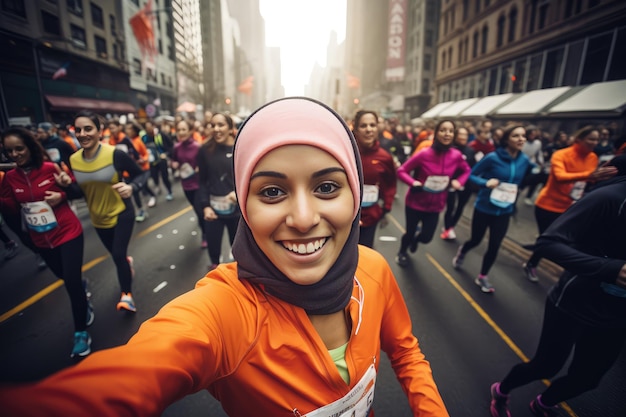
In recent years, marathon events in Iran have started to become grassroots gatherings of athletic and social empowerment, particularly for women. With the Kish Island marathon featuring an unexpected number of female competitors — around 2,000 women participated — these events represent a burgeoning yet precarious challenge to deep-seated social norms. Participants donning sports gear instead of the obligatory hijab highlight the contrast between cultural expectations and personal expression, drawing attention to the ongoing debate about women’s rights in Iran.
The presence of women in sports, particularly running events, signifies a subtle yet powerful defiance against the restrictive hijab laws in Iran. The government’s arrest of marathon organizers for allowing women to run without hijabs underscores the fragile balance between tradition and modernity. While the authorities may view this as a breach of public decency, many women see participation in such events as a legitimate expression of their rights and freedoms, emphasizing the need for change in Iran’s dress code regulations.
Challenges to Women’s Rights in Iran’s Society
Women in Iran have faced numerous challenges, particularly around the issue of dress codes as dictated by hijab laws. The Iranian regime has maintained strict guidelines regarding women’s attire, but grassroots movements are emerging that confront these restrictions. The events surrounding the Kish Island marathon exemplify this struggle, as women assert their rights to participate in sports and express themselves freely in public spaces, thus pushing against established social conventions.
This ongoing conflict has gained renewed attention in light of broader protests following the tragic death of Mahsa Amini, a young woman who died while in police custody over alleged hijab violations. The Iranian government’s harsh crackdown on defiance, as evidenced by the recent arrests of marathon organizers, showcases the authorities’ unwillingness to yield ground on women’s participation and rights. Nevertheless, women’s participation in marathon events demonstrates their resilience and determination to stand against oppressive social norms.
Even amid intense pressure from the government, women in Iran are steadily campaigning for their autonomy and rights. Events like marathons have become platforms for pushing back against the prevailing patriarchal structure within Iranian society. Increased visibility through sports not only challenges gender stereotypes but also serves to inspire other women to voice their dissent and demand change.
The Significance of the Iran Marathon for Women Athletes
The recent Kish Island marathon symbolizes a milestone in the journey towards gender equality in sports within Iran. With thousands of women participating, the event has established itself as an extraordinary occasion that reflects both the spirit of athleticism and the call for greater freedoms. For many women athletes, the marathon was not just a competition but an act of resistance against oppressive hijab laws.
For those who were able to participate without adhering to mandatory hijab regulations, the experience signifies personal empowerment and a pivotal moment in the society’s approach to women’s rights. The Iranian response to this act of individualism emphasizes the regime’s sensitivity towards women asserting their rights, suggesting that the fight against hijab enforcement is far from over. Women participating in marathons represent more than athletes; they embody the hope for a more inclusive future in Iran.
The Intersection of Sports and Activism in Iran
The intersection of sports and activism is becoming increasingly evident in Iranian society, particularly as women use platforms like marathons to challenge oppressive systems. The Kish Island marathon illustrated the way athletic events can serve as a means for women to publicly assert their rights and celebrate their identities, often in defiance of strict societal expectations. The juxtaposition of male and female participants further highlights ongoing gender disparities in sports and society.
In Iran, where women’s rights continue to be a contentious issue, the participation of women in sporting events opens up dialogue about larger social injustices. As women push against the boundaries established by hijab laws, they highlight their desire for both physical and social freedom. Such events not only advocate for gender equality within athletics but also reflect a desire for broader reforms in women’s rights across the country.
Government Response to Women Running Without Hijabs
The Iranian government’s hostile response to women participating in the marathon without hijabs illustrates an escalating crackdown on personal freedoms. Following the event, officials articulated a strong stance against violations of hijab laws, indicating a commitment to preserving traditional norms at all costs. The judiciary’s swift action against the marathon organizers demonstrates the regime’s fear of any challenges to their authority, particularly as they relate to women’s rights.
The crackdown on open defiance continues as Iranian authorities seek to quell any movements that advocate for change in social norms regarding women’s participation in public life. By labeling gatherings of women as violations of public decency, the government aims to deter others from following suit. However, these measures may backfire, as they could further ignite a collective desire for reform among women in Iran.
Social Norms and Women’s Participation in Iran
Social norms surrounding women’s participation in sports in Iran encapsulate the broader struggle for gender equality. On one hand, the participation of women in marathons demonstrates a growing defiance against patriarchal constraints; on the other hand, the backlash from the government signifies the entrenched resistance to any alterations in the status quo. The marathon on Kish Island not only challenged traditional views on women’s roles but also underscored the need for societal progress.
As women continue to push the envelope on what is socially acceptable, the response from governmental and societal institutions often reveals deep-seated fears of change. The intersection of athletic endeavors and cultural expectations raises critical questions about women’s rights and the future of personal freedoms in Iran. Ultimately, as more women participate in events like marathons, their voices will resonate louder, pushing against the confines of restrictive social norms.
The Impact of Mahsa Amini’s Death on Women’s Activism
The tragic death of Mahsa Amini has had a profound impact on women’s activism in Iran. Following her death, a surge in protests sparked a nationwide conversation about the limitations placed on women’s rights, including the enforcement of hijab laws. Amini’s story has become emblematic of the struggles faced by many women, which have further galvanized movements advocating for change, particularly in the context of sporting events.
The responses to the Kish Island marathon can be seen as reflective of the anger and frustration ignited by the circumstances surrounding Amini’s death. Events that encourage women’s participation without hijabs demonstrate a growing resistance to the status quo and echo the calls for justice and accountability. As activists continue to speak out against injustices faced by women, the narrative surrounding Amini serves as a reminder of the urgency for societal change.
Navigating Hijab Laws in Public Life
Navigating hijab laws in Iran remains a complex undertaking for women seeking to express their identities freely. The traditional expectations surrounding the hijab often clash with women’s desire to participate fully in public life, including in sports. The marathon event serves as a litmus test for these tensions, as women take a stand against enforced attire in a space intended for competition and personal achievement.
As more women challenge social norms and participate in sporting events without hijabs, the discussions around personal freedom intensify. The legal ramifications faced by organizers and participants alike illustrate the ongoing struggle as Iranian women increasingly assert their rights in defiance of restrictive laws. In navigating these laws, women are making significant strides towards reshaping public perception and advocating for greater freedoms.
Future Prospects for Women’s Rights in Iran
The future of women’s rights in Iran is heavily influenced by the actions and aspirations of women who continue to advocate for change. Events like the Kish Island marathon signify a step forward in women’s visibility not only in athletics but also in broader societal discussions surrounding rights and freedoms. As women become more vocal about their demands, the potential for reform increases, challenging existing paradigms.
However, the path to achieving greater rights is fraught with challenges, as government resistance remains strong. Continued activism is essential in maintaining momentum toward reforming hijab laws and expanding opportunities for women’s participation in public spheres. The courage displayed by women in the face of adversity will be crucial in shaping a future where gender equality and personal freedoms are recognized and respected in Iran.
Frequently Asked Questions
What happened at the Iran marathon regarding women’s hijabs?
During the Iran marathon held on Kish Island, two organizers were arrested for permitting women to participate without hijabs. Despite the participation of 2,000 women and 3,000 men, the Iranian authorities viewed the event as a challenge to strict hijab laws in Iran.
Why are women’s rights discussions relevant to the Iran marathon?
Women’s rights in Iran have gained attention, especially after the Iran marathon allowed female participants to run without hijabs. This event reflects broader social movements challenging traditional norms and advocating for women’s participation in public life.
How did Iranian authorities react to women participating in the marathon without hijabs?
Iranian officials, including the prosecutor, labeled the event a ‘violation of public decency’ and launched renewed crackdowns on non-compliance with hijab laws, emphasizing the ongoing tensions over women’s rights and personal freedoms.
What is the significance of the Iran marathon for women’s participation?
The Iran marathon symbolizes a step forward for women’s rights in Iran as it showcases the increasing visibility and participation of women in sports, despite societal pushback against non-compliance with hijab regulations.
What are hijab laws in Iran, and how do they impact women?
Hijab laws in Iran mandate that women cover their hair in public. These regulations significantly impact women’s freedom of expression and participation in social events, as evidenced by the controversy surrounding the Iran marathon.
How has the death of Mahsa Amini influenced women’s rights in Iran?
The death of Mahsa Amini, allegedly due to hijab law violations, ignited widespread protests and intensified the discourse on women’s rights in Iran, including debates surrounding the enforcement of hijab laws during events like the Iran marathon.
Are there any movements advocating for changes in hijab laws in Iran?
Yes, there are movements within Iran advocating for changes to hijab laws, fueled by events like the Iran marathon and the public response to incidents such as Mahsa Amini’s death, emphasizing women’s rights and personal freedoms.
| Key Points | ||||||
|---|---|---|---|---|---|---|
| Iran’s judiciary arrested two marathon organizers for allowing women to participate without hijabs. | The marathon on Kish Island included 2,000 women and 3,000 men, with some female athletes unveiled. | Iranian authorities view this event as a significant challenge to social norms. | The prosecutor labeled the situation as a ‘violation of public decency’. | This incident is part of a larger struggle over women’s dress and rights in Iran after Mahsa Amini’s death. | Iranian officials have announced renewed crackdowns on non-compliance with hijab laws. | The situation highlights tensions between leadership and the population regarding personal freedom and expression. |
Summary
The issue of Iran marathon women hijabs has sparked significant controversy following the arrest of marathon organizers for permitting women to compete without them. This event underscores the ongoing struggles that women in Iran face regarding personal freedoms and societal expectations, especially in light of recent societal shifts triggered by high-profile incidents such as the death of Mahsa Amini. The refusal of some women to comply with hijab laws during sporting events reflects a growing defiance against traditional norms, creating friction between conservative authorities and a populace pushing for more rights and liberties.