Listen to this article
As Iran marks the anniversary of the Islamic Revolution, a poignant reminder of its historical significance resonates, especially amid the ongoing turmoil of 2023. Just weeks after a violent crackdown on dissent, the Tehran government has rallied its supporters, painting a picture of unity and strength within the Islamic Republic. Recent coverage by the BBC highlights the stark contrast between official jubilation and the tragic reports of at least 6,490 protesters believed to have lost their lives, as noted by human rights activists in Iran. Such dissonance raises questions about the true state of public support for the government amidst widespread protests. This anniversary serves not only as a celebration of the revolution’s ideals but also as a critical juncture in assessing the resilience and legitimacy of the current regime.
Celebrating the Islamic Revolution’s anniversary, Iran showcases its historical narrative while grappling with contemporary issues facing its citizens. This milestone comes during a challenging period characterized by significant unrest and widespread demonstrations, reflecting the complex relationship between the populace and the ruling authority. With the anniversary events in Tehran attracting large crowds, the government’s efforts to reinforce its image and depict a cohesive narrative stand in sharp contrast to the plight of those affected by human rights violations. The BBC’s return to cover these celebrations, amidst stringent media restrictions, offers a critical lens into the dual realities of governmental support and public dissent. This juxtaposition highlights not only the Islamic Republic’s assertions of strength but also the relentless spirit of those advocating for change.
Iran Islamic Revolution Anniversary: A Display of Strength
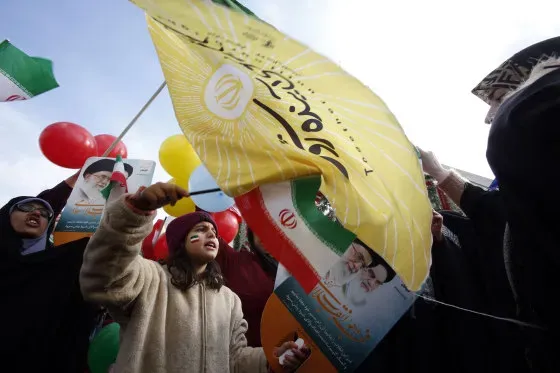
As Iran marks the 47th anniversary of the Islamic Revolution, the government has made a concerted effort to showcase its strength and authority. This year’s commemorations come in the wake of widespread protests that have reportedly seen over 6,490 individuals killed, as per estimates from human rights activists. In a time where various factions question the legitimacy of the Islamic Republic, these celebrations serve as a reminder of the regime’s resolve to maintain control. The streets of Tehran are adorned with bunting and filled with supportive crowds—an orchestrated image that the Iranian government hopes will quell dissent and reaffirm its grip on power.
Moreover, the presence of international media, such as the BBC, during this anniversary adds a complex layer to the narrative being portrayed. The BBC’s reporters, under strict guidelines that prevent coverage on Persian platforms, are tasked with providing insights into the current atmosphere in Tehran. This stringent control over information reflects the regime’s apprehension over how its image might be perceived globally, especially in light of ongoing protests and civil unrest. As such, the anniversary is not just a celebration of the past but also a strategic maneuver to counter the narratives surrounding the government’s stability and the widespread discontent among the populace.
The Role of Tehran Government Support Amidst Protests
In recent weeks, the Iranian regime has sought to rally its supporters to counteract the criticism stemming from the dissent against the Islamic Republic. Amidst a backdrop of unrest, the government’s ability to mobilize considerable crowds on the anniversary reflects a tactical response to the 2023 protests. Many government supporters view these events as a demonstration of loyalty to the regime, reinforcing perceptions of a united front against external and internal challenges. This mobilization serves not only as a counter-narrative to the protests but also as a reminder of the government’s strength and unwavering support from segments of the population.
However, the division among the populace also highlights the precarious position of the Tehran government. While significant numbers attended the revolutionary celebrations, the overwhelming sentiments expressed by human rights activists reveal a society in turmoil. Reports indicate that many Iranians, especially the youth, are disillusioned and increasingly critical of the regime’s tactics of oppression. The support displayed during these festivities must be viewed through the lens of a nation grappling with its identity and values, torn between past loyalties and the burgeoning calls for change.
Media Coverage of Iran: The BBC’s Perspective
The recent anniversary of the Islamic Revolution provided a unique opportunity for the BBC and other international media to shed light on the complexities within Iran. The organization’s restrictions in broadcasting on Persian platforms highlight the delicate balance international journalists must navigate when covering the nation. On the surface, the BBC’s design to cover celebrations in Tehran aims to capture how the government portrays itself to both domestic citizens and the international community. Yet, the underpinning narrative of crackdowns and human rights violations creates a stark contrast to the jubilant scenes being reported.
The observations made by the BBC’s chief international correspondent, Lyse Doucet, illustrate the intricacies of reporting from within Iran. The imagery of large, spirited crowds juxtaposed with the grim reality of anti-government protests invites scrutiny of the government’s portrayal versus public sentiment. Moreover, such coverage brings to the forefront the critical role of international media in highlighting issues around human rights and governmental authority. This media presence, albeit limited in influence, plays a crucial role in amplifying the voices of those silenced during the protests, ensuring that stories of both revolution and resistance penetrate the international dialogue.
Historical Significance of the Islamic Revolution
The Islamic Revolution of 1979 marks a pivotal moment in Iran’s history, representing the shift from monarchy to an Islamic Republic. This transformation was not just a political overhaul, but a cultural and ideological reformation that shaped the nation’s identity moving forward. The anniversary serves as a reminder of the revolution’s initial goals, including social justice and independence from Western influence. Celebrating these ideals allows the Tehran government to invoke a sense of pride among its supporters and frame its ongoing governance as a fulfillment of revolutionary promises.
However, the celebration of the Islamic Revolution also invites critical analysis, especially following the violent suppression of recent protests. Many view the regime’s narrative as a facade that glosses over the stark realities faced by the Iranian people today, as social freedoms are curtailed and dissent is met with brutal force. Historical reflections on the revolution stir a complex emotional landscape wherein pride and disappointment collide. As Iran commemorates its past, the dialogue surrounding the revolution’s legacy has evolved, prompting questions about the true meaning of freedom and justice in the context of today’s Iran.
Human Rights Activism in Iran: A Rising Concern
The ongoing struggle for human rights in Iran has gained significant attention, especially in light of the events leading up to the 2023 protests. Activists continue to advocate for justice, demanding accountability for the violence that has ensued during government crackdowns on dissent. The sheer number of reported deaths and incarcerations represents a stark violation of basic human rights principles, which have often been overshadowed by the government’s narrative surrounding loyalty and support for the Islamic Republic. Activists stand as beacon of hope for a future grounded in human rights, calling for an end to the repression faced by the Iranian people.
As international scrutiny intensifies, the role of these human rights activists becomes even more critical. Their voices, which often struggle against overwhelming opposition, have started to penetrate the global discourse, shedding light on the challenges faced by ordinary Iranians. The commitment to human rights advocacy not only counters the government’s portrayal during celebrations but also resonates with the ideals espoused during the Islamic Revolution. This ongoing struggle serves as a powerful reminder that the quest for dignity and justice is far from over—a testament to the resilience of the Iranian people standing up to oppression in pursuit of their rights.
Community Resilience Amidst Government Control
Despite the overarching control exerted by the Tehran government, community resilience shines through during times of unrest. The 2023 protests, marked by a significant youth presence, reveal a widespread desire for change that resonates across various strata of society. This collective movement challenges the narrative promoted during the anniversary celebrations, as the voices for reform grow louder and more passionate. Communities are banding together to amplify their demands for rights and freedoms, reflecting an increasing dissatisfaction towards the regime’s oppressive policies.
Moreover, this resilience demonstrates how the spirit of the revolution continues to live on in the hearts of many Iranians. Rather than being silenced, community gatherings and discussions have become a means of fostering solidarity and mobilizing action against oppressive measures. Every act of defiance contributes to an emerging counter-narrative that reflects a demand for transparency, justice, and accountability. The engagement of the citizenry not only embodies a rejection of subjugation but also signals to the regime that their arbitrary displays of strength cannot fully suppress the yearning for freedom.
International Reactions to Iran’s Political Landscape
The international community has been closely monitoring Iran’s political movements, particularly in light of recent events surrounding the protests and the government’s crackdown. Global agencies and foreign governments have expressed grave concern over human rights violations, urging the Tehran regime to uphold rights and freedoms promised to its citizens. The stark divide between celebratory displays during the anniversary and the tragic realities of protest casualties paints a troubling picture for foreign relations. Countries around the world are compelled to reassess their diplomatic ties and policies toward Iran, encouraging conversations about accountability and the necessity for reform.
Coverage by leading media outlets, including the BBC, catalyzes discussions about the direction of international policies on Iran. Reports detailing the human rights violations and the government’s staunch response to dissent raise awareness about the implications of supporting a regime that disregards the fundamental rights of its citizens. As advocacy for democracy and human rights spreads internationally, calls for more direct action against the Iranian government’s oppressive measures could intensify. Thus, the geopolitical navigation involving Iran evolves, potentially influencing the strategies undertaken by those aiming to support the cause of freedom within the country.
Protests as a Testament to the Iranian Spirit
The protests that have erupted in Iran serve as a powerful testament to the unwavering spirit of its people. Despite facing violent suppression, demonstrators continue to rally for their rights and freedoms. This resilient spirit reflects a growing collective consciousness among Iranians, connected deeply to the legacy of the Islamic Revolution. Those participating in these protests are not just dissenters; they are advocates for a reawakening of the revolutionary ideals of justice, equality, and human dignity that initially fueled the 1979 movement.
Furthermore, these demonstrations symbolize a commitment to enacting real change, transforming government narratives into discussions about accountability and reform. Individual acts of protest showcase the courage of ordinary citizens who are demanding a voice in their governance. The courage of these activists can inspire further movements, both within Iran and globally, highlighting the significance of civil liberties. As the world watches the landscape of Iranian activism shape and evolve, the protests become a focal point for discussions about human rights and restorative justice.
Frequently Asked Questions
What is the significance of the Iran Islamic Revolution anniversary in 2023?
The 47th anniversary of the Iran Islamic Revolution in 2023 marks an important event in Iranian history, showcasing the strength of the Islamic Republic amid recent protests. This year, it highlights the government’s resilience and support from citizens, despite facing significant challenges following the anti-government protests.
How have recent Iran protests of 2023 impacted the celebration of the Islamic Revolution anniversary?
The Iran protests of 2023 have cast a shadow over the celebrations for the Islamic Revolution anniversary. Authorities have deployed significant force to suppress dissent, and as a result, the anniversary serves to reinforce the government’s narrative of strength and unity among its supporters.
What role does BBC Iran coverage play during the Islamic Revolution anniversary?
The BBC’s coverage of the Iran Islamic Revolution anniversary is instrumental in providing an international perspective on the events in Tehran. Their presence during this significant occasion highlights both the government’s portrayal of support for the regime and the ongoing issues related to human rights in the country.
How does the Tehran government demonstrate its strength during the Islamic Revolution anniversary?
During the Islamic Revolution anniversary, the Tehran government demonstrates its strength by organizing large public displays, such as parades and rallies, to show solidarity among citizens. These events aim to project an image of unity and support for the Islamic Republic, especially following recent protests.
What do human rights activists in Iran say about the state of freedom and protest during the Islamic Revolution anniversary?
Human rights activists in Iran are critical of the government’s actions during the Islamic Revolution anniversary, citing ongoing human rights violations. Despite the government’s show of strength, activists emphasize that the repressive environment limits genuine expressions of dissent and free speech.
What is the response of international media to the Iran Islamic Revolution anniversary events?
International media, including BBC correspondents, have expressed concerns about their ability to report freely during the Iran Islamic Revolution anniversary. Restrictions on broadcasting content from Iran highlight the challenges faced by journalists in covering the complex realities of the country amidst government celebrations.
| Key Points |
|---|
| Iran commemorates the 47th anniversary of the Islamic Revolution. |
| Authorities showcase strength after recent anti-government protests. |
| Over 6,490 protesters reportedly killed according to human rights activists. |
| The BBC is visiting Tehran for the first time post-crackdown. |
| Bunting and crowds show government support for the revolution. |
| Restrictions on broadcasting apply to all international media in Iran. |
Summary
The Iran Islamic Revolution anniversary marks a significant moment in the country’s recent history, reflecting the regime’s determination to project strength while navigating domestic unrest. As Iran celebrates 47 years since the revolution, the stark contrast between governmental displays of support and troubling reports of violence against protesters illustrates the complex dynamics at play. The international media’s challenges in covering these events further highlight the regime’s ongoing restrictions and efforts to manage its image amidst critical scrutiny.