Listen to this article
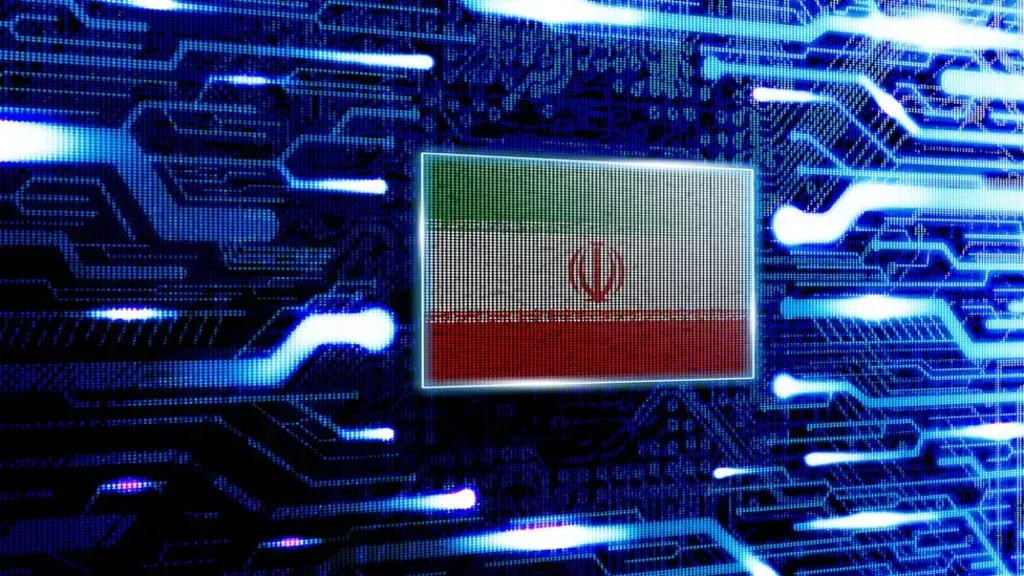
The Iran internet shutdown has plunged the nation into a period of extreme digital isolation, capturing international attention as 92 million citizens find themselves cut off from essential internet services. This unprecedented blackout, initiated by the Iranian government on January 8, aims to stifle dissent and limit scrutiny amidst ongoing protests. As access to the web dwindles, internet censorship in Iran intensifies, leading to fears of permanent restrictions on digital communication. Iranian officials, including Foreign Minister Abbas Araghchi, have justified the severance as a response to alleged “terrorist operations” fueled by outside influences. With the government tightening its grip, the impact of this internet blackout reverberates across daily life, threatening both freedom of speech in Iran and the livelihoods of countless citizens.
The ongoing situation can be viewed as a significant escalation in Iran’s efforts to enforce digital autocracy, often referred to as internet suppression or online censorship. As the Iranian populace grapples with severe connectivity issues, it becomes increasingly evident that the regime seeks to deepen its control over information and communication channels. The crackdown is not merely a matter of interrupting internet access but represents a broader agenda to impede citizens’ ability to organize, express dissent, and access diverse viewpoints. By invoking heightened security measures under the guise of national safety, the Iranian government effectively silences voices and promotes an environment of fear regarding freedom of expression. In this context, the implications of these strategies suggest a future where internet access may become a luxury reserved for the privileged few, further entrenching systemic inequalities.
The Ongoing Impact of Iran’s Internet Shutdown
Iran’s internet shutdown has led to a dramatic escalation of digital isolation for its 92 million citizens, raising profound concerns over freedom of speech in Iran. The government’s initiative to sever internet access is not just a temporary measure but a strategic maneuver to mitigate international criticism of its violent crackdowns. With all internet services halted since January 8, 2023, the impediment to communication has turned the nation into a ‘communication black hole,’ significantly limiting the flow of information and reinforcing state control.
And as reports indicate that authorities may enforce permanent restrictions, it’s evident that the implications reach beyond mere inconvenience. The long-term impact of internet blackout is already felt in various domains, particularly affecting the e-commerce sector, livelihoods, and the overall economy. Internet censorship in Iran effectively suppresses dissent and silences voices that could challenge the regime’s narratives, revealing a dire need for advocacy towards restoring both connectivity and fundamental human rights.
Understanding Iran’s Digital Isolation Strategies
Recent developments in Iran suggest a shift towards extreme digital isolation, echoing practices seen in more authoritarian regimes such as China and Russia. According to internet freedom activists at FilterWatch, the Iranian government is moving towards a tiered internet access model, potentially limiting citizens’ communication based on government-sanctioned registration. This alarming trend underlines the increasing intertwining of security considerations and communication policies, where the state takes precedence over individual rights.
Moreover, the potential implementation of a tiered system highlights the lengths to which the Iranian government is willing to go to maintain control over its population. By curating access to information and enforcing stringent measures, such as blocking VPNs and employing sophisticated surveillance techniques, the Iranian regime aims to fortify its grip on power amid regional unrest. The overarching goal seems to be not only to surveil citizens more effectively but also to ensure that dissent remains suppressed through digital means.
While Iran’s model borrows elements from existing frameworks in China and Russia, it is critical to recognize that the sociopolitical landscape in Iran differs significantly. Efforts to implement a restrictive internet framework, consonant with their anti-protest endeavors, may face internal resistance and practical limitations, ultimately defining the effectiveness of such digital isolation efforts.
The Role of International Response During the Internet Blackout
The global response to Iran’s internet shutdown encapsulates both condemnation and support for the Iranian people seeking freedom of speech. Digital rights organizations and governmental bodies around the world have expressed their concerns about internet censorship in Iran, highlighting the intersection of technology and human rights. Advocating for internet freedom not only emphasizes the critical need for accessible information but also serves as a platform for voices against oppressive regimes.
In light of the recent protests and increasing casualties reported, international entities are called to take a firmer stance against these government crackdowns. By mobilizing efforts to counteract Iran’s draconian measures—such as promoting access to satellite internet services and vocalizing support for digital rights activists—there lies an opportunity to foster resilience among Iranians in the face of overwhelming repression.
Technical Innovations Against Censorship in Iran
Despite the intense crackdown and the ongoing internet blackout, advancements in technology present potential avenues for circumventing censorship in Iran. Satellite internet services, such as those offered by Starlink, enable users to maintain connectivity even under oppressive government controls. The ability to bypass traditional terrestrial service interruptions signals hope in an environment otherwise dominated by repression and surveillance.
Moreover, the rise of mesh networks, which utilize Bluetooth technology to connect devices directly, offers alternative methods for maintaining communication among citizens. These innovations underscore the evolving landscape of digital resistance, illustrating that while the Iranian government may strive to control narratives through extreme measures, technical ingenuity and the human spirit remain formidable adversaries.
Anticipating the Future of Internet Access in Iran
The trajectory of internet access in Iran appears ominously inclined towards a model of stringent control and pervasive oversight, akin to systems implemented in other authoritarian states. Experts warn that the intersection of politics and technology will dictate the future of digital connectivity in Iran, with the potential for a ‘kill switch’ that would create an isolated online experience for its citizens. This prescient concern accentuates the need for vigilance among international observers and advocates for human rights.
As the Iranian government appears poised to cement its digital isolation strategies, the fate of internet accessibility hangs in the balance. Whether this will translate into a permanent transformation of the internet landscape in Iran remains to be seen; however, it is clear that the actions taken in the coming months will resonate for years to come. The resistance to such overwhelming control will undoubtedly continue, with both tech innovations and public advocacy playing critical roles in the bid for freedom.
Economic Consequences of Extended Internet Blackout
The prolonged internet shutdown in Iran is not only a human rights concern; it is also wreaking havoc on the economy. E-commerce, once a growing sector, is facing unprecedented challenges as businesses struggle to communicate with suppliers and customers. The isolation exacerbated by internet censorship directly impacts commerce, reducing the ability of businesses to operate effectively in an increasingly digital world.
The economic consequences extend beyond immediate market disruptions. As reports emerge of diminishing economic activity, the fear of long-term repercussions begins to surface. Economic stagnation may ensue if citizens cannot return to a state of normalcy post-shutdown, leading to widespread loss of income and employment opportunities. The Iranian government’s heavy-handed internet policies threaten to plunge the nation further into a socio-economic crisis that could have lasting implications for its populace.
The Intersection of Technology and Human Rights in Iran
As Iran grapples with the ramifications of its severe internet censorship, the intersection of digital rights and human rights becomes increasingly pronounced. The ability to communicate freely is a fundamental aspect of human rights, and the Iranian government’s pursuit of control over online spaces starkly contrasts with these principles. Advocates argue that suppressing freedom of speech through internet shutdowns not only violates international norms but also strips citizens of their dignity and autonomy.
In the face of these challenges, organizations advocating for digital freedom must work tirelessly to raise awareness of the impact of internet blackouts on civil society. By supporting initiatives aimed at upholding digital rights, stakeholders can bolster efforts towards a future where Iranians may reclaim their voices, regardless of government-imposed restrictions on their online environments.
The Call for Global Support in Digital Freedom
As the situation in Iran continues to evolve, a clarion call for international support reverberates among digital rights activists. The need for external pressure on the Iranian government to cease its internet censorship becomes increasingly dire, highlighting the significance of global solidarity in the fight for digital freedom. By amplifying the voices of the oppressed and advocating for transparency regarding internet access, international allies can play a critical role in dismantling the structures of repression.
Furthermore, the collaboration among nations, tech companies, and civil society organizations will be crucial in promoting innovations that ensure access to suppressed populations. Whether through the provision of satellite internet services or the development of tools to counter government surveillance, a united front can catalyze significant change in the region, fostering an environment where freedom of speech can thrive.
Iran’s Internet Shutdown: A Paradigm Shift in Censorship Tactics
The recent internet shutdown in Iran marks a paradigm shift in the regime’s censorship tactics, effectively instituting a model of digital control that significantly exceeds previous measures. Drawing from lessons learned during historic protest crackdowns, the Iranian government is deploying even more severe tactics to quash dissent. Authorities have demonstrated a willingness to sacrifice connectivity not merely as a response to unrest but as a systematic approach to suppress future outcries against the regime’s authoritarian practices.
This recalibration of internet access signifies a broader commitment by the Iranian government to enforce control through technological means. The ramifications of such a strategy extend into various aspects of daily life, confronting Iranians with the reality of operating under strict limitations. The struggle against these repressive tactics reflects a crucial fight for basic freedoms, igniting a fervent call for reform that resonates well beyond Iran’s borders.
Frequently Asked Questions
What is the reason behind the Iran internet shutdown?
The Iran internet shutdown was initiated by the Iranian government on January 8 to quell dissent and prevent international scrutiny amidst ongoing protests. Authorities claimed it was a response to “terrorist operations,” but many see it as a means of enforcing internet censorship in Iran.
How does the Iran internet shutdown affect freedom of speech in Iran?
The Iran internet shutdown severely limits freedom of speech by cutting off access to information and communication channels. This digital isolation hinders the ability of citizens to share their views and organize protests, effectively silencing dissent against government crackdowns.
What has been the impact of the internet blackout on Iranian citizens?
The internet blackout in Iran has drastically impacted daily life, disrupting livelihoods, especially for e-commerce and online businesses. With 92 million citizens facing connectivity loss, many have also lost vital access to news and communication, creating a communication black hole.
What are the long-term implications of Iran’s internet shutdown for digital isolation?
Experts warn that the latest Iran internet shutdown could lead to extreme digital isolation, where the government implements a tiered internet system that restricts access based on approval. This would mimic structures seen in countries like China and Russia, leading to permanent censorship.
How does the Iranian government justify the internet censorship measures?
The Iranian government justifies internet censorship by claiming it is necessary to prevent external influence and protect national security, especially amidst allegations of unrest and organized protests. These crackdowns are often portrayed as necessary to maintain order.
What technologies are being used to circumvent the internet shutdown in Iran?
Many Iranians have resorted to using Virtual Private Networks (VPNs) to bypass internet censorship. Additionally, satellite internet services like Starlink provide alternative means of connectivity, allowing some users to evade restrictions imposed by the government.
What is the international community’s reaction to the Iran internet shutdown?
The international community has expressed concern over Iran’s internet shutdown, viewing it as a violation of human rights and freedom of expression. Advocacy groups and human rights organizations continue to call for the restoration of internet access in Iran.
Will the internet access in Iran return to normal after the blackout?
Reports indicate that the Iranian government may not restore internet access in its previous form, and access could be heavily regulated or require governmental approval. Experts suggest that a hybrid system of control is being established, likely hindering full freedom of internet use.
What are the parallels between Iran’s internet policies and those of other countries?
Iran’s internet policies show significant parallels to those of China and Russia, where state censorship is deeply integrated into the online experience. These countries utilize extensive surveillance and control mechanisms to manage citizens’ access to information and communication platforms.
How can the situation of internet censorship in Iran be addressed?
Addressing internet censorship in Iran requires international pressure and support for pro-democracy activists. Encouraging the development of technologies like Low Earth Orbit satellite services and advocating for global standards on internet freedom are crucial steps towards mitigating the effects of such shutdowns.
| Key Points | Details |
|---|---|
| Internet Shutdown Duration | Iran has experienced one of its longest internet shutdowns, lasting ten days as of January 18, 2023. |
| Number of Affected Citizens | Approximately 92 million citizens in Iran were cut off from all internet services. |
| Government Justification | The Iranian government cites reasons such as terrorist operations and the need to control protests as grounds for the shutdown. |
| Internet Freedom Advocates’ Concerns | Activists warn that the shutdown could lead to ‘extreme digital isolation’ and permanent internet restrictions. |
| Economic Impact | The internet blackout has severe impacts on e-commerce and everyday livelihoods in Iran. |
| Human Rights Violations | Reports indicate over 3,300 deaths and significant arrests during protests following the shutdown. |
| Potential for State-Controlled Internet | Experts suggest that Iran may adopt a tiered internet system similar to Russia and China. |
| Future Internet Access Outlook | Future access to the global internet could be contingent upon government approval. |
| Innovations in Internet Access | Advancements in satellite internet (LEO) and resilient technologies may provide alternatives to oppressive measures. |
Summary
The Iran internet shutdown poses significant threats to personal freedoms and human rights, isolating citizens from global communication and exacerbating the crisis surrounding the ongoing protests. As the government enforces these extreme measures, the impact on the economy and society grows, leading to fears that this digital isolation may become permanent, echoing systems in countries like China and Russia. The struggle for internet freedom continues amidst these challenges.