
Listen to this article
In recent weeks, the Gulf states have found themselves under increasing threat from Iran attacks on Gulf allies, as Tehran employs a range of aggressive tactics, including drone strikes, missile barrages, and direct assaults on civilian and military targets. The United Arab Emirates (UAE) has reported hundreds of missile interceptions and drone engagements in response to the escalating hostilities, making it clear that Gulf air defenses are struggling to cope with the scale of the assault. Bahrain, too, has faced alarming incidents, including attacks on its airport, indicating a troubling shift in the conflict where civilian infrastructures become collateral damage in the confrontation with the U.S. Iran’s actions not only raise concerns over regional stability but also highlight the fragility of Iran US relations, as the Islamic Republic continues to posture itself aggressively toward its neighbors under the guise of retaliatory strikes. With each attack, we witness a heightened tension in an already volatile area, reinforcing the stakes involved for both the Gulf states and their alliances.
The recent flare-up of hostilities in the Gulf region underscores the precarious security landscape experienced by the U.S.-aligned nations, as they grapple with Iran’s escalating military aggressions. These hostilities, characterized by the use of UAVs and surface-to-surface missiles, continue to threaten not just military installations but also vital civilian hubs, heightening fears of a broader conflict. The implications of Iran’s actions reach far beyond national borders, affecting diplomatic relations and military preparedness across the Gulf. Both the UAE and Bahrain stand at the forefront of these tensions, where the intricacies of Gulf air defenses are continuously tested against a backdrop of geopolitical maneuvering and historical animosities. As these confrontations unfold, the underlying complications of Iran’s strategies reveal much about the shifting dynamics of power in this critical part of the world.
The Escalation of Iran Attacks on Gulf Allies
In recent weeks, the frequency and intensity of Iran attacks on Gulf allies, particularly the UAE and Bahrain, have escalated alarmingly. The United Arab Emirates has reported intercepting a staggering number of incoming threats, including 165 ballistic missiles and hundreds of drones. These assaults are unprecedented, showcasing the vulnerability of these cities that were not designed with defenses against aerial bombardment in mind. The fallout from such aggressive maneuvers not only affects military installations but has also led to collateral damage in civilian zones, such as airports and popular tourist destinations.
The Iranian foreign minister’s claims of targeting U.S. presence in the Gulf rather than its neighbors highlight the complexities of the regional power dynamics. Nevertheless, the reality is that their military actions have profoundly impacted the civilian population, raising questions about the efficacy of Gulf air defenses. The perception of being under siege can irrevocably alter the social fabric of these nations, pushing them to reconsider their military and diplomatic strategies when it comes to Iran.
Impact of UAE Missile Attacks on Civilian Infrastructure
The recent missile attacks on the UAE have raised significant concerns regarding the protection of civilian infrastructure. Buildings that stand as the pride of Abu Dhabi—luxurious hotels, shopping malls, and even residential areas—have become targets amid the chaos, challenging the notion of safety many residents once enjoyed. The resilience of the UAE’s air defenses is under scrutiny, as the reported efficacy in intercepting ballistic missiles cannot shield the populace from the psychological effects and stigma associated with living in a conflict zone.
Moreover, the trauma experienced by civilians during attacks, such as that reported from Bahrain, where impacts reached close proximity to busy airports, cannot be overlooked. Each incident adds to the humanitarian toll and destabilizes the region further. The implications for future tourist activity, economic viability, and public confidence in government guarantees for safety are all on the line, forcing countries to reconsider their positions vis-à-vis military alliances and their roles in regional peace efforts.
Gulf Air Defenses: Strengths and Vulnerabilities
Despite concerted efforts to bolster Gulf air defenses, recent events have revealed critical vulnerabilities in their systems. The success of Iranian drones and missiles is alarming, prompting a reevaluation of current defense strategies in nations like the UAE and Saudi Arabia. The near-constant threat from Iran necessitates improvements in technology and response capabilities, which may require increased collaboration with Western allies and a reconsideration of existing military ties.
In addition to technological upgrades, a strategic overhaul to integrate intelligence-sharing with allies could prove essential. The efficacy of air defenses comes into serious question when sophisticated threats can penetrate existing systems. One critical lesson from the ongoing attacks is that robust national defense structures cannot solely rely on reactive measures but must also include proactive political strategies to mitigate potential escalations.
Bahrain Attacks and Their Strategic Significance
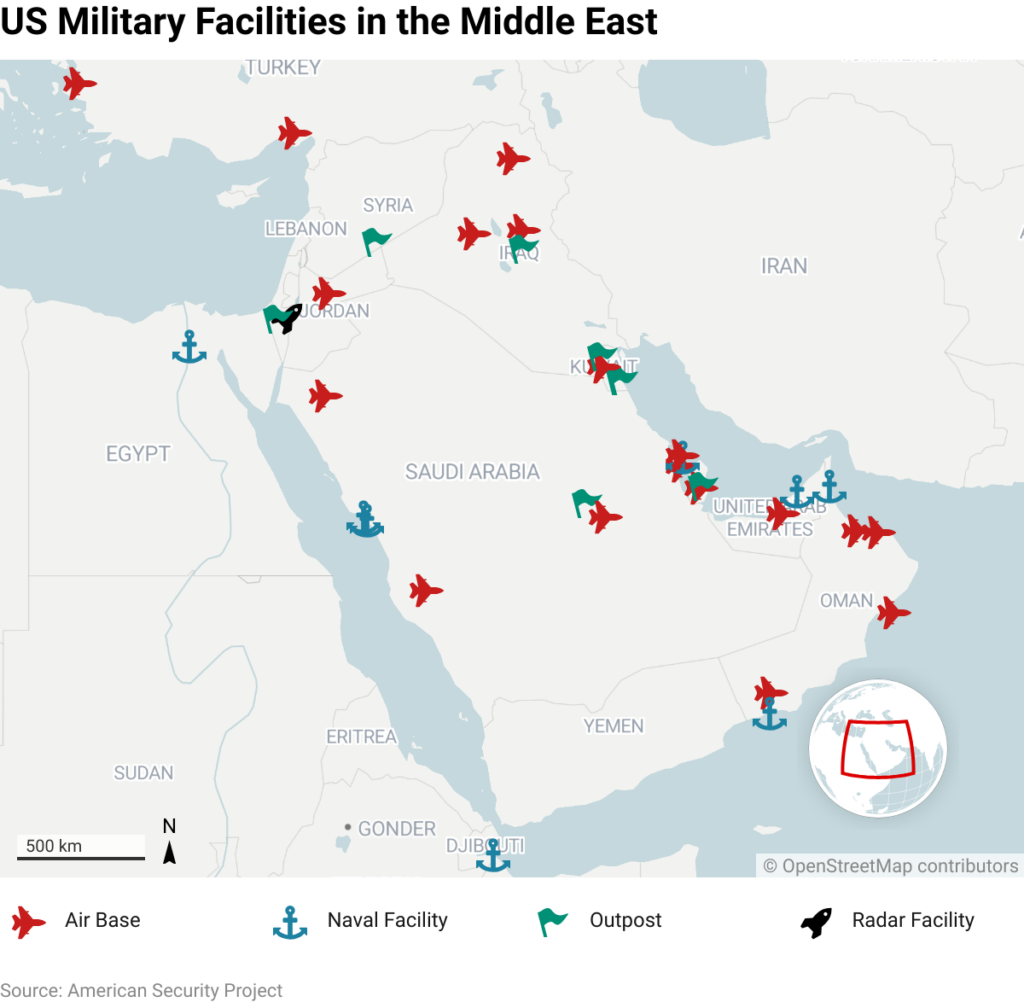
Bahrain has historically sat at the crossroads of U.S. military strategy in the Gulf and has served as a critical base for American operations. However, the recent wave of attacks from Iran is fundamentally reshaping its security landscape. As evidenced by missile strikes that targeted civilian areas, including the airport, Bahrain finds itself facing direct repercussions for its long-standing alliance with the United States. This alteration of attack focus raises serious strategic questions.
Iran’s possible reasoning behind these targeted strikes may be grounded in its desire to demonstrate power, instigate fear, and complicate the logistics of U.S. military response. Furthermore, the complicated sectarian dynamics within Bahrain, particularly the Shia/Sunni divide, may be leveraged by Iran to foment internal discord. The implications for Bahrain’s political stability could be severe, pushing the monarchy to consider reshaping its military alliances and potentially recalibrating its diplomatic posture toward Iran.
Iran-US Relations and the Gulf Tensions
The chaotic backdrop of Iran attacks on Gulf allies plays into the broader narrative of Iran-U.S. tensions, which are marked by decades of enmity intertwined with regional power plays. Each military escalation raises stakes not just for Iran and its Gulf neighbors but also for U.S. foreign policy in the Middle East. The Iranian leadership seems to view these assaults as a way to unsettle U.S. influence, targeting what they perceive as a primary threat.
As negotiations appear stalled, the possibility of escalation presents a stark reality for diplomacy in the region. The U.S. remains torn between rallying support for its allies and navigating a path that avoids further conflict. Should Iran persist in its aggressive approach, it could embolden other factions within the region that oppose U.S. influence, potentially leading to a broader conflict that spirals beyond the initial provocations.
The Role of International Diplomacy in Crisis Resolution
In the face of increasing Iran attacks on Gulf allies, the role of international diplomacy has never been more paramount. With tensions reaching alarming levels, diplomatic interventions from global powers could offer critical pathways to de-escalation. The complexities of the situation demand a nuanced approach, as simple resolutions may not suffice to appease both Iranian ambitions and U.S. security concerns in the Gulf region.
Efforts such as back-channel communications or mediating discussions involving neutral partners could assist in rebuilding trust and addressing core grievances from both sides. Whether via a renewed commitment to multilateral discussions, such as the Joint Comprehensive Plan of Action (JCPOA), or other frameworks, international diplomacy has the potential to mitigate the immediate dangers posed by Iranian military actions and set the stage for a more stable future in the Gulf.
Gulf States’ Response to Iranian Hostilities
In light of the recent barrage of Iranian attacks, Gulf states are compelled to reassess their military and political strategies to counteract these hostilities. Nations such as Saudi Arabia and the UAE have historically relied on U.S. military support; however, these attacks reveal a pressing need for indigenous development of air defense systems and increased military readiness. Collaborative efforts to strengthen regional security could mitigate potential threats posed by Iran’s advances.
Moreover, Gulf states may need to consider diplomatic overtures to other regional powers—not just the U.S.—to create a collective security mechanism that can effectively deter Iranian aggression. A united front representing Arab interests may shift the balance of power and lobby for stability in the region, emphasizing the need for ongoing collaboration to bolster security against future incursions.
Regional Security Alliances: Future Prospects
As attacks escalate, there is an urgent need for Gulf states to explore new regional security alliances that provide a cohesive response to threats posed by Iran. Traditional alliances with Western powers must evolve to include not just military partnerships but also cooperative defense strategies addressing technological advancements and intelligence sharing. The ongoing conflict highlights the limitations of existing frameworks, requiring a more dynamic approach to regional security.
Consideration of defense agreements that encompass economic and political dimensions may yield more robust security provisions. For Gulf countries, forming coalitions that bring together various stakeholders, not limited to military might, could provide comprehensive solutions to the escalating tensions and encourage stability across the region. This cooperative framework could help to ensure that Gulf states navigate the complex landscape strategically and are prepared for any future confrontations with Iran.
Addressing the Humanitarian Consequences of Conflict
The humanitarian impact of Iran attacks on Gulf allies is increasingly visible, affecting daily life for countless civilians. With missile strikes and drone attacks causing chaos in cities like Bahrain and the UAE, humanitarian organizations face dire challenges in providing assistance and ensuring safety for affected populations. The psychological toll of living under constant threat translates into profound societal implications that necessitate urgent attention.
The need for effective aid and relief measures is critical as communities grapple with the disruptions caused by the conflict. As Gulf nations pursue military enhancements and strategies to defend against Iranian aggression, equal attention must be directed toward humanitarian efforts that can restore some sense of normalcy to civilian life. Addressing the needs of those affected not only fuels recovery but also sets a foundation to foster dialogue and reconciliation in a heavily fragmented socio-political landscape.
Frequently Asked Questions
What are the recent Iran attacks on Gulf allies, particularly the UAE and Bahrain?
The recent Iran attacks on Gulf allies have included a significant number of ballistic missiles, drones, and cruise missiles launched towards the UAE and Bahrain. As reported, the UAE has intercepted 165 ballistic missiles, and Bahrain’s infrastructure, including its airport, has also been targeted, marking a notable escalation in the region’s security crisis.
How have Gulf air defenses responded to the Iranian missile threats?
Gulf air defenses, particularly in the UAE, have been actively engaged in responding to Iranian missile threats. They successfully intercepted numerous incoming missiles and drones, although some attacks have still resulted in damage to civilian infrastructure, highlighting the vulnerabilities in the air defense systems of Gulf allies.
What impact are Iran drone strikes having on Gulf nations?
Iran drone strikes are causing considerable alarm in Gulf nations, targeting both military bases and civilian infrastructure. These strikes have raised concerns among the Gulf states regarding their security and the effectiveness of their missile defense systems, as they attempt to safeguard their cities from these unprecedented aerial attacks.
What has been the reaction of Bahrain to the Iran attacks?
Bahrain has expressed strong condemnation of Iran’s attacks, particularly regarding the attacks on its airport. This response reflects the seriousness with which Bahrain is treating the ongoing threat from Iran, as these strikes have disrupted normal life and raised significant security concerns among its citizens.
How have Iran’s relations with the US influenced its attacks on Gulf allies?
Iran’s relations with the US are crucial in understanding its aggressive actions towards Gulf allies. Tehran claims that its attacks are a response to US military presence in the region and seeks to retaliate against perceived threats, which places Gulf states, allied with the US, in a precarious position given their long-standing military partnerships.
What are the long-term implications of Iran’s attacks on Bahrain and the UAE for Gulf security?
The long-term implications of Iran’s attacks on Bahrain and the UAE could reshape Gulf security dynamics. As Gulf states bolster their air defenses and reconsider their military partnerships, a new security architecture may emerge, potentially leading to a heightened arms race and increased tensions with Iran.
Will the recent Iran attacks on Gulf allies lead to a wider regional conflict?
The potential for a wider regional conflict following Iran’s attacks on Gulf allies exists, especially if retaliatory measures are taken. The situation is delicate, and miscalculations could escalate tensions, drawing in larger powers like the US and possibly leading to broader hostilities in the region.
How are Iran’s missile capabilities impacting its relationships with Gulf allies?
Iran’s missile capabilities significantly strain its relationships with Gulf allies, who view these capabilities as direct threats to their national security. The ongoing missile attacks have eroded trust and stability in the region, making it increasingly difficult for Iran to establish normal diplomatic relations with its neighbors.
| Key Points | Details |
|---|---|
| US Allies Targeted | Iran has expanded its attacks beyond military targets to include airports and civilian sites in the Gulf States. |
| Civilian Infrastructure Damage | Damage has affected civilian areas with many luxury and essential sites being hit, showcasing gaps in air defenses. |
| Iran’s Denial of Attacks | Iran claims their targets are based on US military presence rather than direct aggression against neighboring countries. |
| Future Relations | Tensions between Gulf monarchies and Iran are expected to escalate, impacting diplomatic ties for the foreseeable future. |
| Regional Power Dynamics | The military balance rests with US and Israeli forces, presenting challenges for Iran despite its missile capabilities. |
| Uncertain Resolution | The outcome of the current conflict is unpredictable, with possibilities for talks or continued military aggression. |
Summary
The ongoing Iran attacks on Gulf allies illustrate the immense security challenges faced by the UAE, Bahrain, and other regional partners. As attacks expand their scope from military bases to civilian infrastructure, a profound shift in regional dynamics is evident. Iran’s stated intentions to target US interests have posed unforeseen threats to its neighbors, compelling a reevaluation of defense measures. With increasing tensions and damaged diplomatic relations, the Gulf states find themselves in a precarious position, one that will likely dictate future interactions and stability in the region.

