Listen to this article
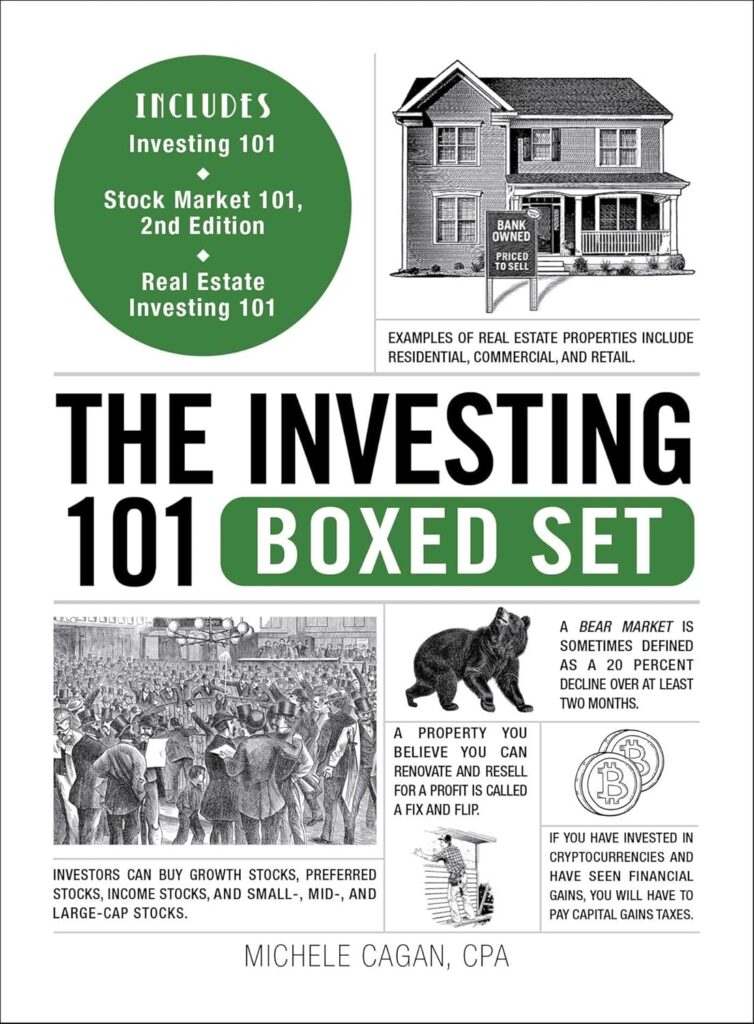
Investing 101 is a vital starting point for anyone looking to take control of their financial future. As you embark on this journey, you will uncover the secrets of wealth building through various investment avenues like stocks, bonds, and real estate. This introductory guide aims to simplify the complexities of investing, providing you with essential insights into how to make informed investment decisions. Whether you are a complete novice or just looking to refresh your knowledge, Investing 101 will equip you with the foundational concepts necessary for smart investing. Understanding the basics is the first step toward achieving financial security and growing your wealth effectively.
When it comes to the fundamentals of wealth management, learning about personal investments is crucial. This overview of financial growth strategies helps you grasp essential themes like asset allocation, market dynamics, and the importance of diversification. By familiarizing yourself with different types of investment opportunities, you position yourself to make educated choices that align with your financial aspirations. Engaging in smart financial planning will ultimately pave the way for a rewarding investment journey, ensuring you are well-prepared to navigate the stock market, real estate, and other avenues of capital growth.
Understanding the Key Concepts of Investing 101
Investing 101 encourages individuals to grasp essential concepts before diving into the market. It’s vital to differentiate between investing and saving; while saving is typically about setting aside money for immediate needs or emergencies with minimal return, investing focuses on the acquisition of assets like stocks and bonds that can significantly appreciate over time. This foundational understanding sets the stage for growing wealth and achieving financial independence.
One of the critical ideas within Investing 101 is the emphasis on risk versus reward. Every investment comes with varying degrees of risk, and typically, higher potential returns are associated with higher risks. Therefore, aspiring investors must educate themselves on how to assess their risk tolerance and make informed decisions about where to allocate their funds to balance potential gains with acceptable risks.
Setting Effective Financial Goals for Your Investment Journey
In the world of investing, establishing clear financial goals is paramount. Whether you are looking to save for a dream vacation, a new home, or your retirement, defining these goals helps shape your investment strategy. Short-term goals usually involve lower-risk assets that provide quicker returns, while medium and long-term goals may allow your investments to engage in growth-oriented strategies that capitalize on compound interest.
By defining your financial objectives, you can personalize your investing approach within the framework of Investing 101. This tailored strategy not only clarifies your timeline but also helps determine your asset allocation and risk tolerance. Consequently, setting a roadmap for your investments ensures that you stay focused and motivated to reach your financial milestones.
Exploring Different Types of Investments
A comprehensive understanding of different types of investments is essential for any investor embarking on their journey. The primary categories include stocks, bonds, mutual funds, and real estate, each with unique characteristics and risk profiles. For instance, stocks represent ownership in a company and generally offer high growth potential, while bonds provide a fixed income with lower risk. Diversifying across these asset classes can create a balanced portfolio that aligns with your financial goals.
Additionally, Investing 101 introduces investment vehicles like Exchange-Traded Funds (ETFs) and real estate investments, offering investors flexibility and exposure to various asset types. Start with familiarizing yourself with the attributes of each investment type to make informed decisions in accordance with your financial objectives and risk tolerance.
Building a Solid Investment Strategy
Crafting a robust investment strategy is the cornerstone of successful investing. One of the first components is asset allocation, which involves diversifying investments across various categories such as stocks, bonds, and real estate. This process is guided by the principle that different asset classes perform differently under various market conditions, thereby providing a buffer against volatility. As part of Investing 101, understanding how to allocate assets according to your risk tolerance and investment timeline is crucial.
Another key aspect of this strategy is diversification, which refers to spreading investments to minimize risk. By investing in a mix of asset categories and individual securities, you can reduce the potential impact of a poor-performing investment. Regularly rebalancing your portfolio is equally important, ensuring that your investment distribution remains aligned with your comfort levels and financial goals.
Navigating the Emotional Challenges of Investing
Investing is as much an emotional journey as it is a financial one. Many novices experience a rollercoaster of emotions influenced by market volatility, fear of loss, and greed. Recognizing these emotions can empower you to make rational decisions, as guided by the principles of Investing 101. Investors often struggle with biases such as overconfidence, which can skew judgment and lead to premature selling or holding onto investments longer than advisable.
Developing emotional resilience is crucial for long-term success in investing. Instead of reacting impulsively to market fluctuations, learning to adopt a long-term perspective can help mitigate stress and foster a disciplined approach to your investment strategy. Staying informed and continuously educating yourself about market trends can further anchor your decision-making process, allowing you to maintain a steady course.
Getting Started: Tips for New Investors
Starting your investment journey can feel daunting, but it doesn’t have to be. According to Investing 101, one of the best ways to start is by educating yourself; this could mean reading books, attending workshops, or following financial podcasts. Building a solid knowledge base will significantly boost your confidence as you navigate the complexities of investing.
Additionally, consider beginning your investment journey with smaller amounts. This approach allows you to become familiar with market dynamics without risking significant capital upfront. Utilize technology, such as investment apps and robo-advisors, which can simplify portfolio management and reduce fees, making investing accessible for everyone, no matter their starting point.
Frequently Asked Questions
What is Investing 101 and why is it important?
Investing 101 is a foundational guide that introduces individuals to the principles of investing, covering essential concepts like risk vs. reward and the importance of financial goals. It’s important because it equips new investors with the knowledge needed to make informed and strategic decisions to build wealth.
How do I start learning the basics of Investing 101?
To start learning the basics of Investing 101, you can read introductory books, enroll in online courses, or listen to finance-focused podcasts. Educating yourself will provide the essential knowledge and confidence needed to navigate the investment world.
What are the key differences between investing and saving in Investing 101?
In Investing 101, the key difference between investing and saving is that saving involves putting money away for short-term goals while investing involves purchasing assets like stocks and bonds with the aim of growing wealth over time, often accepting greater risks.
Why is asset allocation crucial in Investing 101?
Asset allocation is crucial in Investing 101 because it involves distributing investments across different asset categories, such as stocks and bonds, to balance risk and reward. This strategy helps optimize returns while managing potential losses.
What role does diversification play in Investing 101?
Diversification plays a vital role in Investing 101 by spreading investments across various asset types to reduce risk. A diversified portfolio helps minimize the impact of poor-performing investments on overall financial performance.
What should I keep in mind about the emotional side of Investing 101?
In Investing 101, it’s important to understand the emotional side of investing, as fear and greed can significantly influence decisions. Investors should strive for a long-term focus to manage feelings during market fluctuations and avoid impulsive actions.
| Key Topics | Details |
|---|---|
| Understanding the Basics of Investing | Difference between investing and saving, risk vs. reward, compound interest. |
| Setting Financial Goals | Define short-term, medium-term, and long-term financial goals before investing. |
| Types of Investments | Stocks, bonds, mutual funds, ETFs, real estate, retirement accounts. |
| Building an Investment Strategy | Include asset allocation, diversification, and regular rebalancing. |
| The Emotional Side of Investing | Understanding fear, greed, market volatility, and behavioral biases. |
| Getting Started with Investing | Educate yourself, start small, use technology and stay informed. |
| Patience is Key | Wealth accumulation takes time; patience is essential for success. |
Summary
Investing 101 is a crucial first step towards mastering personal finance. It empowers individuals to build wealth and reach financial objectives through informed decisions in stocks, bonds, and other assets. By understanding the fundamental principles of investing, setting clear financial goals, and crafting a robust investment strategy, anyone can embark on their financial journey. Remember, investing is a long-term endeavor that thrives on patience and continuous learning. Equip yourself with knowledge and embrace the world of investing to secure a prosperous financial future.