
Listen to this article
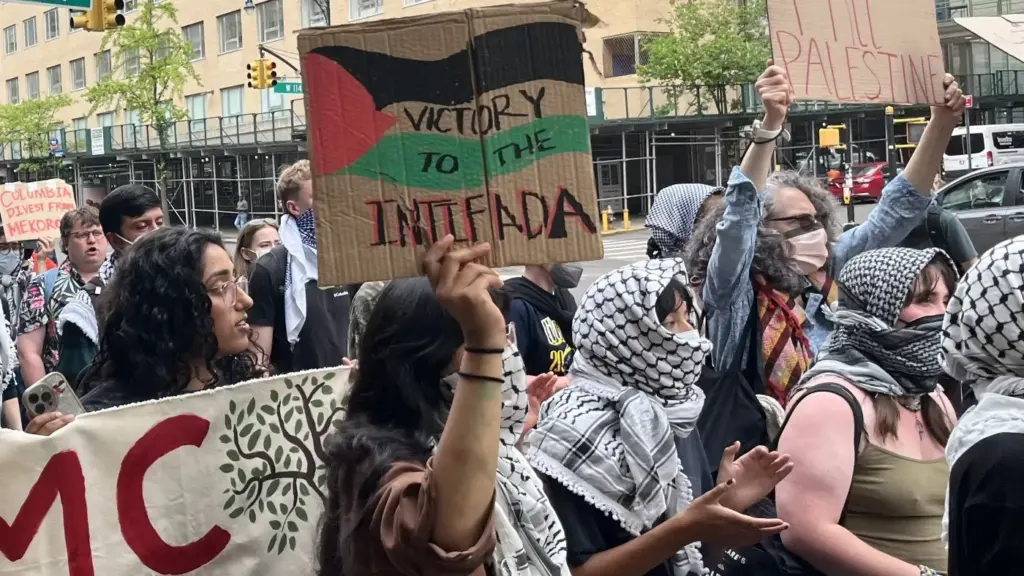
The intifada protests have emerged as a significant focal point in the ongoing struggle for Palestinian rights, sparking passionate debates across global platforms. Recent demonstrations have seen participants chanting phrases like “globalise the intifada,” which echo sentiments rooted deeply in the quest for freedom and justice. These protests, while aiming to raise awareness about the plight of Palestinians, have also raised alarms within the Jewish community, particularly regarding safety and security amidst rising tensions. Authorities, including the Metropolitan and Greater Manchester Police, have announced plans to monitor and potentially arrest individuals utilizing these chants, asserting that the context has shifted to one where words can incite violent reactions. As discussions around free speech limits intensify, the implications for both the Palestinian rights movement and community safety are becoming increasingly complex.
The recent wave of protests advocating for Palestinian rights, often referred to as uprisings, has captured global attention and ignited fierce discussions about civil liberties and community safety. These gatherings, characterized by chants urging a broader support for the Palestinian cause, prompt a nuanced examination of the balance between free expression and public order. With many activists calling for more robust protections and rights, the specter of political repression raises significant concerns about the ability to voice dissent. In light of recent violent events, there is a growing emphasis on the responsibilities of law enforcement to maintain peace while ensuring the safety of various communities. As the dialogue around these protests evolves, the impact of such movements on societal norms and legislation is becoming more apparent, revealing the underlying tensions that challenge both freedom of speech and communal safety.
Understanding the Intifada Meaning in Modern Protests
The term ‘intifada’ has its roots in Arabic, signifying a struggle or uprising. Its historical significance gained momentum during the Palestinian uprisings against Israeli occupation, particularly in 1987. Today, it is often invoked in various protests, especially those advocating for Palestinian rights. However, the use of such terminology can incite a range of interpretations; while some may see it as a legitimate call for resistance, others view it as a form of violent rhetoric against Jewish communities. This dual perception of the term highlights the complexities surrounding free speech limits in a multicultural society.
In recent times, chants of ‘globalise the intifada’ have surfaced in protests across London, raising alarms within both law enforcement and Jewish community leaders. The phrase reverberates as an urgent call for solidarity with the Palestinian cause, yet it has also been linked to incitement of violence. Understanding the nuanced meaning of ‘intifada’ is crucial for comprehending how it influences protests, shapes public opinion, and determines the legal frameworks surrounding free speech within the UK.
The Impact of Intifada Protests on Jewish Community Safety
The ongoing intifada protests have ignited significant discourse surrounding the safety of the Jewish community in the UK. Following recent violent incidents at Jewish sites, such as the attack on the Heaton Park Hebrew Congregation Synagogue, community leaders are justifiably alarmed. The police’s decision to monitor and potentially arrest individuals participating in protests that chant ‘globalise the intifada’ reflects a proactive stance aimed at ensuring Jewish safety. This measure has been met with support and criticism alike, emphasizing the delicate balance authorities must maintain between upholding free speech and protecting vulnerable communities.
Critics argue that such measures might stifle legitimate expressions of solidarity with Palestinian rights, asserting that the crackdown could infringe on democratic processes. However, supporters of the police’s actions, including the Board of Deputies of British Jews, see it as a necessary step to combat rising antisemitism and ensure the safety of their community. They assert that the connection between provocative chants and real-world violence cannot be ignored, urging for more robust enforcement to mitigate potential threats arising from these demonstrations.
The Role of Free Speech Limits in Political Protests
Free speech is a cornerstone of democratic societies, yet it often becomes a contentious topic during political protests. As the debates surrounding the police’s intervention with ‘globalise the intifada’ chants illustrate, there is a complex interplay between advocating for rights and maintaining public safety. The recent assertion by the Metropolitan Police that they will take action against individuals chanting this term raises important questions about the boundaries of free speech—especially in a context where the phrase is seen by some as a rallying cry for solidarity and by others as a potential incitement to violence.
The Palestinian Solidarity Campaign has labeled the police’s stance as a form of political repression, arguing that limits on free speech in protests undermine the democratic process. They emphasize the need for open dialogue and the protection of marginalized voices in society, particularly those advocating for Palestinian rights. The balance between safeguarding community safety and preserving free speech remains a pressing issue, pushing lawmakers and law enforcement to navigate these waters carefully while considering the broader implications of their actions.
Political Repression and Palestinian Rights Protests
The current climate surrounding protests for Palestinian rights has sparked debate about political repression and the rights of activists. As seen in the backlash from the Palestinian Solidarity Campaign against the police’s recent announcements, activists argue that such measures are aimed at suppressing legitimate dissent. They emphasize that voices calling for Palestinian rights should not be silenced through blanket bans or arrests, as these actions challenge democratic principles and the ability of communities to express their grievances.
Moreover, the significance of the historical context surrounding the term ‘intifada’ cannot be overlooked. Advocates argue that it stands for a peaceful struggle against oppression and occupation rather than a violent uprising. By framing the discourse on ‘globalise the intifada’ in this manner, activists seek to navigate complex political dynamics while challenging narratives that associate their cause with violence. This ongoing struggle illustrates the broader tensions within society regarding how political movements are perceived and treated by authorities.
Community Concerns Following the Synagogue Attack
In the aftermath of the Bondi Beach shooting and the attack on the Heaton Park Hebrew Congregation Synagogue, community safety concerns have heightened significantly. These tragic events not only led to loss of life but also instilled fear among Jewish communities, prompting leaders to call for increased protection. The Metropolitan Police and Greater Manchester Police’s decision to respond more decisively to protests that engage in inflammatory rhetoric about the intifada reflects the urgency with which they must address community apprehensions. The overarching sentiment is clear: the safety of vulnerable minorities must be prioritized.
Additionally, the juxtaposition between focusing on community safety and allowing free expression is palpable. Many Jewish leaders argue that the chants and placards advocating for global actions like ‘globalise the intifada’ could incite further violence, necessitating a robust, proactive approach to security. This has raised concerns among civil rights advocates regarding the implications for protest rights and the potential for overreach by police forces in enforcing such measures.
Increased Security Measures for Jewish Communities
In response to rising antisemitism and violent attacks against Jewish individuals and institutions, UK officials, including Prime Minister Keir Starmer, have announced increased funding for community security. The allocation of an additional £28 million for Jewish security is a direct reflection of the heightened risks faced by this community amidst ongoing tensions highlighted by protests advocating Palestinian rights. As synagogues and community centers become targets for aggression, implementing stronger protective measures is deemed necessary by many.
However, while enhanced security can provide a sense of safety, the issue of surveillance and police presence at protests has stirred debates around civil liberties. Jewish community representatives support proactive security measures but are also conscious of the potential implications these actions may have on the broader atmosphere of protest. The challenge lies in fostering a sense of safety while ensuring that individuals can freely assemble and express their political beliefs without fear of repression.
The Broader Context of Antisemitism in Society
The rising incidents of antisemitism, particularly in the context of protests advocating for Palestinian rights, have prompted calls for a deeper examination of societal attitudes. Incidents of violence and the rhetoric surrounding them have added to the longstanding stereotype that equates criticism of Israel with antisemitic sentiment. This conflation complicates discussions about free speech, as it often leads to accusations that those advocating for Palestinian rights harbor anti-Jewish bias.
Understanding the nuanced relationship between Palestinian rights activism and antisemitism is critical in fostering dialogue and combating hate. Jewish community leaders emphasize the importance of distinguishing legitimate political expression from hate speech, advocating for policies that protect both Jewish safety and the rights of protesters. The challenge ahead is addressing the root causes of antisemitism while ensuring that calls for justice and resistance remain protected within a robust legal framework.
Legal Framework Surrounding Public Order and Protests
The Public Order Act has established guidelines that govern public protests in the UK, outlining the balance between freedom of assembly and maintaining public safety. Recent developments surrounding intifada protests demonstrate the complexities involved in applying these laws, particularly in instances where slogans and chants may be perceived as inciting violence. It is vital for law enforcement to navigate these legal frameworks carefully to uphold democratic principles while responding to community concerns about safety.
As authorities declare their intent to impose conditions on protests that include contentious phrases like ‘globalise the intifada,’ it raises questions about how legal definitions of incitement are interpreted. Striking a balance between allowing free political expression and preventing harm is an ongoing and evolving challenge within the context of the UK’s legal system. The discourse surrounding public order laws will continue to shape how protests are conducted and how communities coexist amidst differing political ideologies.
Public Reaction to Police Enforcement in Protests
Public sentiment surrounding police enforcement in protests has become increasingly polarized. On one hand, some community members support the police’s crackdown on slogans perceived to incite violence, viewing it as a necessary measure to protect community safety. On the other hand, activists argue that such enforcement represents a stark infringement on free speech, particularly regarding legitimate calls for Palestinian rights. This dichotomy in public reaction underscores the broader societal tensions regarding civil liberties, safety, and the right to protest.
The recent debates following the police’s announcements have illustrated the challenges faced by law enforcement in balancing these competing interests. Activists within the Palestinian Solidarity Campaign contend that the police’s actions are part of a broader agenda to silence dissent, while advocates for Jewish safety assert that aggressive measures are essential in light of rising threats. Ultimately, the public’s reaction to these enforcement actions will likely influence future policies regarding protest rights and community safety.
Frequently Asked Questions
What is the meaning of ‘intifada’ in the context of protests?
The term ‘intifada’ is an Arabic word meaning ‘uprising’ or ‘shaking off.’ It gained prominence during the Palestinian uprising against Israeli occupation, particularly during the first intifada in 1987. In contemporary protests, particularly those related to Palestinian rights, it symbolizes resistance against perceived oppression.
Why are police forces making arrests over ‘globalise the intifada’ chants?
Police forces have announced that they will arrest individuals chanting ‘globalise the intifada’ due to concerns that such phrases could incite violence. This decision follows violent incidents affecting the Jewish community, highlighting the potential consequences of language used during protests.
How do the intifada protests affect Jewish community safety?
Intifada protests, especially when chanting phrases like ‘globalise the intifada,’ raise concerns for Jewish community safety. Police have increased security measures around synagogues and community venues in response to recent violent incidents, reflecting the heightened fears within the community.
What are the limits of free speech during intifada protests in the UK?
While free speech is a fundamental right, the UK authorities have indicated that there are limits, particularly when it concerns phrases that may incite violence, like ‘globalise the intifada.’ Police have emphasized that they will take action against such slogans during protests, citing community safety concerns.
What impact do intifada protests have on the Palestinian rights movement?
Intifada protests are significant for the Palestinian rights movement as they symbolize resistance against occupation and advocacy for Palestinian rights. However, the use of incendiary language can lead to political repression, as seen when police restrict certain chants, which activists argue undermines their right to protest.
How do public authorities respond to the use of ‘globalise the intifada’ in protests?
Public authorities, including police forces, have responded to the use of ‘globalise the intifada’ in protests by implementing stricter measures. They have announced potential arrests and increased security, stating that such chants may contribute to community tensions and violence.
What are the implications of police actions on the discourse surrounding intifada protests?
Police actions against intifada protests may create a chilling effect on free speech and political expression, particularly regarding Palestinian rights. Critics argue that these actions could further marginalize voices advocating for justice while also addressing valid concerns about public safety.
How does the public perceive intifada protests in relation to Jewish safety?
Public perception of intifada protests varies, with some viewing them as legitimate expressions of Palestinian rights, while others associate them with incitement to violence against Jewish communities. This dichotomy underlines the tensions in discourse surrounding these protests.
| Key Points |
|---|
| The Metropolitan Police and Greater Manchester Police will arrest individuals chanting ‘globalise the intifada’ during protests. |
| The decision follows a significant rise in violent acts, highlighting the police’s intent to respond to hate speech. |
| Communities expressed concerns about the implications of such chants, prompting police to increase visible patrols around sensitive sites. |
| The decision has drawn criticism from Palestinian rights activists, who believe it suppresses protest rights. |
| The Board of Deputies of British Jews supports the police intervention to prevent incitement of violence. |
| Political responses include increased funding for Jewish community security and a review of protest regulations. |
| ‘Intifada’, an Arabic term for ‘uprising’, historically relates to Palestinian resistance against Israeli occupation, causing divided interpretations in current protests. |
Summary
Intifada protests have come under scrutiny as police forces announce their intent to arrest individuals chanting ‘globalise the intifada.’ The recent increase in violent acts has prompted a decisive response aimed at addressing community concerns over hate speech. This has sparked a significant debate around the balance between maintaining public order and upholding the rights to protest. As the police take a stronger stance, reactions from various stakeholders highlight the complexities surrounding the interpretation of the term ‘intifada’ and its implications for free speech.