Listen to this article
Intermittent fasting has emerged as a popular approach to health and weight management, attracting attention for its purported benefits. This dietary strategy involves alternating between periods of eating and fasting, making it a unique contender among weight loss strategies. Many individuals are curious about intermittent fasting benefits, especially regarding its effects on metabolism and overall wellness. However, recent intermittent fasting research suggests that while the method may not produce significant weight loss compared to traditional calorie reduction methods, it could contribute to improved health outcomes. This intriguing paradox invites further exploration of how fasting and health intersect, offering insights into personalized dietary choices.
Also known as time-restricted eating, intermittent fasting is a contemporary technique that encourages individuals to consume food only during designated hours, often leading to reduced caloric intake overall. This method, along with its variations such as alternate-day fasting, has gained traction among those seeking innovative nutrition plans. Although this approach is frequently lauded for its ease of implementation, recent studies reveal mixed results regarding its efficacy in promoting significant weight loss. Alternatives to traditional dieting may prove appealing, yet it’s essential to consider the scientific evidence critically. Delving deeper into this phenomenon can shed light on its implications for better health and informed choices in an era of ever-evolving diet trends.
Understanding Intermittent Fasting: Overview and Definitions
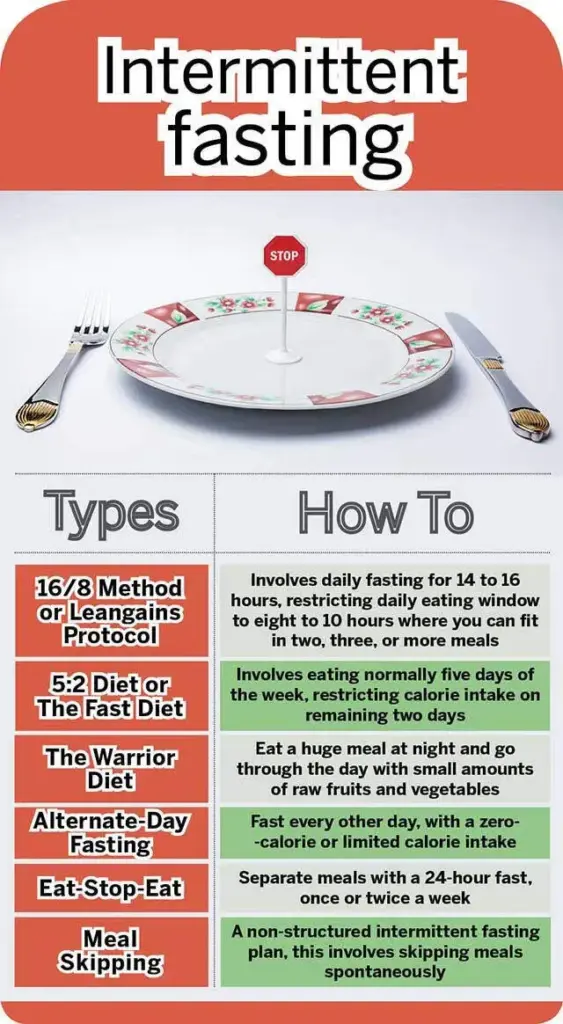
Intermittent fasting (IF) is a popular dietary strategy that alternates between periods of eating and periods of abstaining from food. Researchers have categorized IF into several models, most commonly the 16/8 method, where individuals fast for 16 hours and eat within an 8-hour window. Another popular approach is the 5:2 method, which allows for normal eating five days a week while drastically reducing calorie intake on two non-consecutive days. By implementing such strategies, many aim to enhance health outcomes and promote weight loss, although the effectiveness may vary among individuals.
While intermittent fasting has surged in popularity due to its seeming simplicity and effectiveness, scientific consensus remains cautious. Studies suggest that, while IF might help some people improve metabolic health and simplify meal planning, it does not guarantee weight loss for everyone, especially those with existing metabolic conditions. Furthermore, the physiological effects of fasting can differ between genders and individuals with varying body mass indexes (BMIs), warranting a personalized approach to dietary regulation.
Intermittent Fasting Benefits: Beyond Weight Loss
Intermittent fasting offers a range of potential health benefits that extend beyond mere weight loss. Research indicates that fasting can lead to improvements in insulin sensitivity, reduced inflammation, and enhanced cellular repair processes. These mechanisms can collectively contribute to better overall health and longevity, making IF an appealing choice for individuals looking to boost their well-being. Reports hint at a positive impact on brain health as well, suggesting that fasting may help reduce the risk of neurodegenerative diseases.
Moreover, intermittent fasting could also positively affect one’s quality of life by simplifying dietary habits and freeing up time spent on meal preparation. Instead of focusing on calorie counting or complex meal plans, individuals can concentrate on enjoying their meals within a set timeframe. Besides, the communal aspect of gathering meals during eating windows may enhance social interactions, further contributing to mental wellness. Nonetheless, it is crucial to approach IB with mindfulness and consideration for individual health needs.
Intermittent Fasting Research: An Overview of Current Findings
Recent studies exploring the efficacy of intermittent fasting reveal mixed results when it comes to weight loss. A review of 22 studies involving nearly 2,000 participants found that intermittent fasting yielded little significant weight reduction compared to traditional caloric restriction methods. This raises questions about the effectiveness of IF as a primary weight loss strategy, especially for those classified as overweight or obese. Furthermore, the diverse methodologies employed in these studies complicate the ability to draw generalized conclusions.
Although intermittent fasting may not consistently produce weight loss results, it might still contribute positively to certain physiological markers. Researchers have noted improvements in factors such as blood sugar levels and lipid profiles among participants practicing intermittent fasting. While research is ongoing, it is vital to assess these results in conjunction with lifestyle choices, including physical activity and dietary quality, to fully understand the broader implications of intermittent fasting.
Weight Loss Strategies: Comparison with Intermittent Fasting
When considering effective weight loss strategies, intermittent fasting frequently arises in discussions alongside methods like calorie counting and balanced dieting. While IF emphasizes timing rather than specific food choices, traditional weight loss approaches focus on caloric intake and nutritional content. Studies show that those who combine IF with healthy eating patterns might experience more favorable health results compared to using either strategy alone.
Additionally, integrating intermittent fasting with regular physical activity enhances potential weight loss outcomes. The combination not only fosters ongoing fat loss but also maintains muscle mass, vital for overall metabolic health. Nevertheless, adherence remains a crucial factor; individuals must select strategies that align with their lifestyles and preferences to ensure sustainability and long-term success in their weight loss journeys.
Fasting and Health: Exploring the Connections
The interplay between fasting and health encompasses various dimensions, including metabolic health, cardiovascular health, and mental well-being. Intermittent fasting has demonstrated promise in enhancing insulin sensitivity and reducing oxidative stress, both of which are pivotal in preventing chronic diseases like diabetes and heart disease. Emerging research also suggests that fasting might contribute to increased longevity by activating cellular repair mechanisms that preserve health over time.
While the potential health benefits of fasting are significant, it is crucial to approach these practices mindfully. Individuals must consider their unique health circumstances, making consultations with healthcare professionals advisable before embarking on intermittent fasting or extensive calorie restriction. Understanding body signals and nutrient needs is vital to protect against possible adverse effects and to maximize the advantages fasting can bring to overall health.
Challenges of Intermittent Fasting: What the Studies Reveal
Despite the tantalizing prospects of intermittent fasting, recent analyses highlight several challenges tied to its implementation. Research findings indicate that while some individuals might experience health improvements from fasting, the method has not proven to be universally effective for weight loss. In fact, some studies report minimal differences in results when comparing intermittent fasting to conventional dietary advice. This highlights the importance of individualized approaches to dietary habits.
Moreover, the psychological aspects of adhering to intermittent fasting can present hurdles. Potential feelings of deprivation during fasting periods may lead to binge eating during allowed times, undermining the fasting’s intended effects. It is essential that anyone considering intermittent fasting understands these challenges to promote a successful and sustainable weight management strategy.
Public Perception of Intermittent Fasting vs. Scientific Evidence
There exists a noticeable discrepancy between public enthusiasm for intermittent fasting and the scientific evidence supporting its effectiveness. Although social media buzzes with testimonials from individuals who have benefitted from fasting, critical review studies caution against overgeneralizing these experiences. Experts emphasize the necessity for further comprehensive research to validate claims about fasting’s weight loss efficacy and health improvements, underscoring that personal experiences do not substitute for scientific validation.
Furthermore, public fascination with intermittent fasting often leads to unrealistic expectations about quick weight loss solutions. Experts like Prof. Keith Frayn clearly state that there are no ‘quick fixes’ for weight loss; sustainable change comes from a balanced approach involving caloric reduction and healthy lifestyle choices. Bridging the gap between public perception and scientific understanding is vital to foster informed choices regarding dietary practices.
Intermittent Fasting and Individual Variability in Weight Loss Outcomes
Individual variability plays a significant role in the effectiveness of intermittent fasting as a weight loss mechanism. Factors such as genetics, metabolism, lifestyle, and personal preferences greatly affect how different individuals respond to various fasting protocols. Research suggests that while some may thrive on a set fasting schedule, others may find it challenging to adhere to these patterns, leading to inconsistent results.
Moreover, understanding psychological factors influencing individuals’ eating behaviors is key. Those who exhibit certain emotional eating tendencies might struggle more with the restrictive nature of intermittent fasting. Therefore, fostering a positive relationship with food while adapting intermittent fasting could help mitigate issues like binge eating and disordered eating, ultimately making fasting a more effective tool for those seeking weight loss.
The Future of Intermittent Fasting: Directions for Further Research
As the popularity of intermittent fasting continues to grow, there remains a pressing need for further research to unravel its complexities. Future studies should focus on larger, more diverse cohorts that examine the long-term effects of various intermittent fasting methods, taking into account demographic differences, such as age, gender, and baseline health status. This triangulation of data will provide more tangible insights into how fasting can be adapted for broader populations.
Moreover, future investigations should aim to clarify the differential impacts of intermittent fasting on body composition and metabolic markers, particularly among populations with varying BMIs. This can illuminate how intermittent fasting might be tailored for different weight loss strategies, maximizing its health benefits while minimizing adverse effects.
Frequently Asked Questions
What are the key benefits of intermittent fasting for health?
Intermittent fasting offers several potential health benefits, including improved metabolic health, enhanced cellular repair processes, and reduced inflammation. While studies suggest it may not be the most effective weight loss strategy, it can positively impact various body functions by promoting better blood sugar levels and heart health.
How does intermittent fasting compare to traditional weight loss strategies?
Research shows that intermittent fasting results in little to no significant weight loss compared to traditional calorie reduction methods. Despite its rising popularity, studies indicate that standard dietary advice often yields similar outcomes in weight management without the necessity of implementing fasting schedules.
Is there any recent research on intermittent fasting effectiveness?
Yes, a large review investigated 22 studies with nearly 2,000 adults, concluding that intermittent fasting does not significantly outperform standard dietary advice in facilitating weight loss. However, it acknowledges potential health benefits that warrant further exploration into its function and effects on different populations.
How does intermittent fasting impact quality of life?
The impact of intermittent fasting on quality of life remains unclear based on current research findings. While some individuals may experience health improvements, the overall evidence suggests that it brings little change in quality of life measures when compared to individuals following no dietary advice or traditional dieting.
Can intermittent fasting aid in weight management in the long term?
While many individuals claim intermittent fasting helps prevent weight gain, current evidence does not conclusively support its long-term effectiveness for weight loss. More research is required to fully understand how intermittent fasting could contribute to sustained weight management and its impact on different demographics.
| Key Points |
|---|
| Intermittent fasting may not aid in weight loss for overweight or obese individuals. |
| A review indicated intermittent fasting had little to no effect on weight loss or quality of life compared to traditional dietary advice. |
| Intermittent fasting can improve overall health by altering certain body functions, needing more evidence. |
| Popular types of intermittent fasting include time-restricted eating and alternate-day fasting. |
| Research shows variability in effectiveness based on individual differences and methodologies of studies. |
| Public perception often oversells the benefits of intermittent fasting despite weak evidence. |
Summary
Intermittent fasting has gained popularity as a weight loss strategy, yet recent research shows it may not significantly aid individuals who are overweight or obese in achieving their weight loss goals. Findings from a review of 22 studies suggest that while intermittent fasting offers little to no difference in weight loss compared to conventional dietary advice, it might still bring health benefits through positive changes in body functions. Personalization in dietary strategies is crucial as individual responses vary, highlighting the importance for doctors to adopt tailored approaches when advising patients on weight loss.