Listen to this article
Insurance premium increases in the UK have become a significant concern for consumers, affecting various types of coverage including car, home, and health insurance. With rising UK insurance costs, many individuals are left feeling the financial pinch as they navigate unexpected price hikes. Factors such as inflation, increased claims, and environmental challenges are driving up these premiums, leaving many to seek answers on how to lower insurance premiums without sacrificing coverage. This article will delve into the underlying causes behind these insurance shifts and offer insight into mitigating their impact on your finances. Understanding these trends is essential for making informed decisions about your insurance needs in this evolving market.
In recent years, the surge in insurance costs across the UK has raised alarms among policyholders, highlighting the urgent need to understand the dynamics behind these trends. This uptick in expenses can be attributed to various elements such as heightened claims, changes in market regulations, and the growing influence of climate-related events on pricing strategies. As consumers grapple with the implications of rising car insurance increases and home insurance premium rises, many are also exploring effective means of navigating the complex waters of health insurance in the UK. With persistence, individuals can uncover strategies to help lower their insurance premiums, ensuring they maintain adequate protection against unforeseen risks. This piece aims to shed light on these insurance challenges and provide practical tips for those looking to manage their liability without breaking the bank.
Understanding the Factors Behind Car Insurance Increases
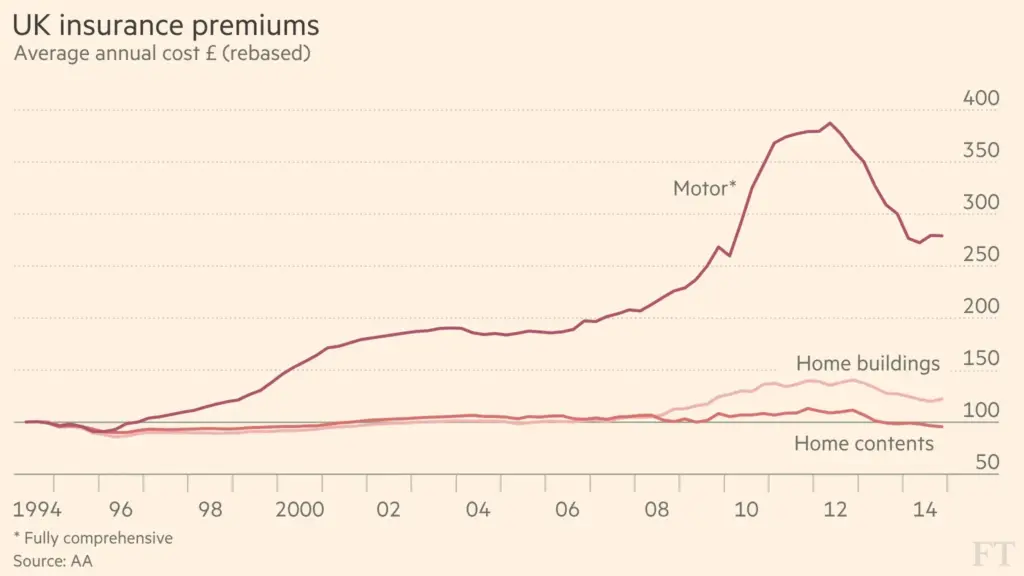
Car insurance premiums in the UK are subject to various influencing factors that have led to substantial increases in recent years. One of the primary reasons for this rise is the escalation in road traffic, which naturally leads to a higher probability of accidents. Additionally, increased repair costs stemming from advanced vehicle technology have contributed to these hikes. Modern cars, equipped with sophisticated electronics and safety features, can be expensive to repair; this cost is often passed down to consumers through increased premiums.
Moreover, insurers have reported a surge in fraudulent claims, which compound the problem of rising car insurance costs. With advanced data analytics and technology being employed to detect fraud, insurers are coping with heightened operational expenses. These added costs ultimately trickle down, creating pressure to raise premiums across the board. Drivers, especially in densely populated urban centers, are often faced with premium increases as risks are perceived to be higher in these areas, further exacerbating the situation.
The Impact of Climate Change on Home Insurance Premiums
Home insurance premiums are not immune to the broader effects of climate change, which has resulted in significant financial implications for homeowners across the UK. With more frequent and severe weather events — including floods and storms — insurance companies are increasingly experiencing higher claim amounts. This uptick in natural disasters has necessitated adjustments in premium rates, as insurers strive to cover potential liabilities associated with climate-induced damages.
In addition to the rising frequency of climate-related incidents, the costs associated with rebuilding homes have surged due to inflation in materials and labor. This situation is particularly pronounced for homes located in at-risk areas, such as those prone to flooding. As rebuilding costs escalate, homeowners may find themselves facing heightened premiums, further emphasizing the importance of understanding how climate change factors into their insurance coverage.
Health Insurance Premiums: Current Trends and Challenges
Health insurance in the UK has been under pressure, leading to continual rises in premiums. One major factor contributing to these increases is the overall surge in healthcare costs, driven by advancements in medical technology and therapies. As the demand for specialized medical care grows, insurers are compelled to raise premiums to ensure that they can meet the costs associated with these expensive services.
Additionally, the growing reliance on private healthcare due to perceived inadequacies in public health services has intensified competition among insurers, which paradoxically can drive up costs. As more individuals turn to private options for quicker access to care, insurers adjust their pricing models to navigate this growing demand, translating into higher health insurance premiums for consumers seeking coverage.
Mitigating Insurance Premium Increases in the UK
In light of the prevailing increases in insurance premiums, it’s crucial for consumers to adopt effective strategies to mitigate these rising costs. One powerful approach is to ‘shop around’ regularly, utilizing comparison websites to evaluate various insurance providers. This practice can unveil better deals that align with both coverage needs and budget considerations.
Moreover, increasing deductibles can be a useful tactic. By opting for a higher deductible, customers may significantly decrease their premium payments, but they must also be prepared to handle potentially greater out-of-pocket expenses in the event of a claim. Additionally, bundling policies, such as home and car insurance, is often incentivized by insurers, potentially resulting in considerable savings for the consumer.
The Role of Regulatory Changes in Insurance Premium Adjustments
Regulatory changes have a profound impact on insurance markets, and the UK is no exception. Following major events such as the Brexit referendum, insurers have had to reassess their strategies and pricing due to evolving regulations. These adjustments reflect an attempt to align risk assessments with new guidelines, influencing the premiums consumers ultimately pay.
Furthermore, regulatory changes aimed at protecting consumers can also paradoxically lead to higher costs for policyholders. As insurers work to comply with stricter requirements, the associated administrative costs can drive up premiums. Understanding the regulatory landscape helps consumers anticipate changes that might influence their insurance expenses, allowing them to make informed decisions.
Strategies for Lowering Your Insurance Premiums in the UK
Lowering insurance premiums is a goal shared by many consumers in the UK, and thankfully, there are several practical strategies to achieve this. One effective method involves maintaining a good credit score, as many insurers consider credit history when determining premium rates. By actively managing credit and making timely payments, consumers can enhance their standing and potentially unlock lower premium rates.
Additionally, taking advantage of available discounts can significantly reduce overall costs. Many insurers provide discounts for various reasons, including being claims-free or having safety features in your vehicle. By inquiring about potential savings and making sure to optimize these offerings, consumers can strategically manage their insurance costs while still securing adequate coverage.
Frequently Asked Questions
What factors contribute to insurance premium increases in the UK?
Several factors drive insurance premium increases in the UK, including rising claims costs due to inflation and higher repair expenses, natural disasters linked to climate change, regulatory changes post-Brexit, increased competition leading to pricing adjustments, and the impact of fraud which raises operational costs.
How can I lower my car insurance premiums in the UK?
To lower car insurance premiums in the UK, consider shopping around for better rates, increasing your deductibles, bundling policies for discounts, maintaining a good credit score, and inquiring about available discounts for being claims-free or having safety features in your vehicle.
Why are home insurance premiums rising in the UK?
Home insurance premiums in the UK are rising primarily due to increased rebuilding costs from inflation in materials and labor, heightened risks from climate-related events, and regulations impacting insurance pricing strategies.
What can I do if my health insurance costs are rising in the UK?
If your health insurance costs are rising in the UK, explore options like comparing different health insurance providers, considering a higher deductible to lower premiums, and looking for discounts related to your health or lifestyle that may apply to your policy.
Are car insurance increases related to fraud in the UK?
Yes, car insurance increases are often influenced by elevated levels of insurance fraud in the UK as insurers face higher costs from fraudulent claims, leading them to adjust premiums across the board to maintain profitability.
How often do insurance premiums increase in the UK?
Insurance premiums in the UK can increase annually based on market conditions, claims history, and changes in individual risk factors, making it essential for consumers to review their policies regularly and shop around for competitive rates.
| Factor | Description |
|---|---|
| Rising Claims Costs | Increased costs of claims due to inflation, repair costs, and medical expenses. |
| Natural Disasters and Climate Change | Extreme weather contributes to higher claims and thus increased premiums. |
| Regulatory Changes | Evolving regulations affect insurance pricing strategies. |
| Increased Competition | Competition can lead to higher premiums as providers seek profitability. |
| Fraud and Risk Management | Fraud leads to higher operational costs for insurers, resulting in increased premiums. |
| Affordable Health Care Costs | Rising demand for health insurance increases premium costs. |
| Car Insurance | Notable hikes due to increased traffic and repair costs. |
| Home Insurance | Increased rebuilding costs and climate-related risks drive up premiums. |
| Health Insurance | Surge in healthcare costs pushes premiums higher. |
Summary
Insurance premium increases in the UK reflect a complex interplay of various factors such as rising claims costs, the impacts of climate change, and regulatory modifications. These increases can significantly affect consumers, making it essential to understand both the reasons behind them and ways to manage them effectively. By being proactive—such as shopping around, understanding your policies, and taking advantage of discounts—consumers can mitigate these rising costs and ensure they receive appropriate coverage. It’s important to stay informed to make financial decisions that support both protection and affordability.