Listen to this article
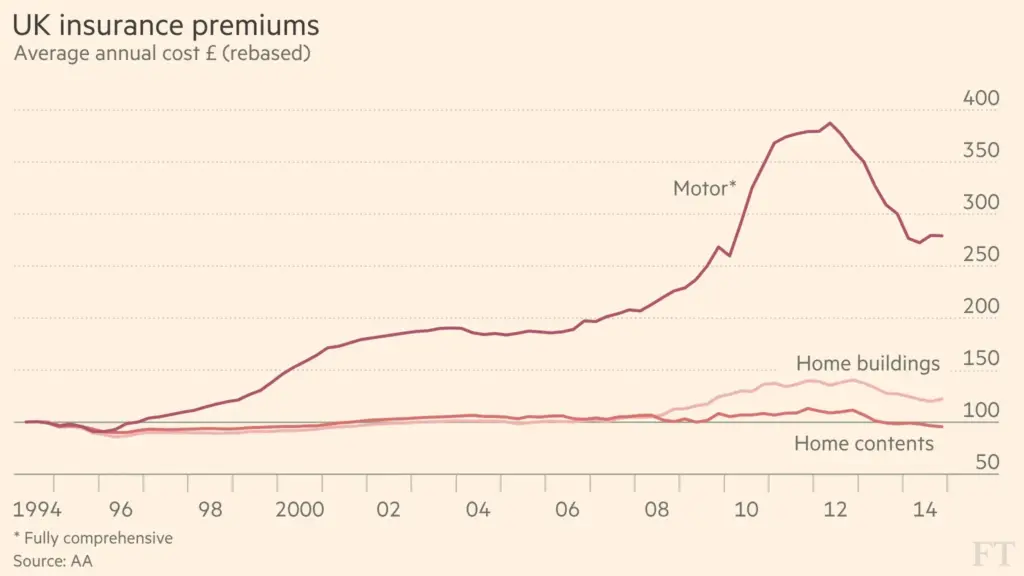
Insurance premium increases in the UK have become a concerning trend for homeowners and businesses alike, as financial pressures mount in uncertain economic times. The UK insurance market is experiencing heightened premiums driven by various factors, including inflation, increased claim frequencies, and evolving regulatory requirements. As costs rise, understanding the insurance premium rise causes becomes essential for consumers who seek stability in their coverage. Fortunately, there are effective insurance rate solutions UK policyholders can explore to help manage these rising costs. In this article, we will explore the influencing factors of insurance premiums and provide tips on how to lower insurance premiums effectively.
The upward trajectory of insurance premiums has caught the attention of many across the country, particularly amidst the current economic climate. This phenomenon illustrates a shift in how insurance pricing is dictated by market variables, making it essential for consumers to grasp the various elements affecting their coverage costs. Additionally, navigating through the intricacies of rate adjustments in the insurance landscape is crucial for policyholders facing higher costs. Understanding the effects of inflation on insurance can shed light on why increases are occurring and how individuals can protect their financial interests. With the right strategies, policyholders can adapt to this changing environment and take steps to alleviate the financial burden.
The Economic Landscape: Impact on Insurance Premiums
The economic landscape plays a significant role in shaping insurance premiums across the UK. Economic fluctuations, such as inflation and the rising cost of living, directly influence how insurance companies assess risk and determine premium rates. When inflation increases, the expenses that insurance companies incur—like repair costs and medical claims—also rise. Consequently, these companies often pass on those costs to consumers, resulting in an overall increase in insurance premiums. Understanding how these economic factors intertwine with the insurance market is essential for policymakers and consumers alike.
Moreover, the state of the UK economy can dictate the purchasing power of consumers. When economic conditions are favorable, consumers tend to spend more on insurance, but during economic downturns, they might seek lower-cost options or even choose to reduce their coverage. Therefore, it’s pivotal for individuals to stay informed about economic indicators and how they affect the insurance landscape, as this knowledge can empower them to make educated decisions regarding their insurance needs.
Understanding the Causes of Insurance Premium Rise in the UK
Various factors contribute to the insurance premium rise in the UK, and being aware of these can help consumers manage their costs effectively. One of the primary causes is the increase in claims frequency. With the rise in accidents, property damage, and unexpected events, insurance providers face more claims than ever. This increased frequency places a heavy financial burden on insurers, prompting them to raise premiums across the board to cover their costs. For policyholders, recognizing this trend emphasizes the importance of driving safely and protecting their assets.
Additionally, regulatory changes impact insurance premiums significantly. New laws may require insurance companies to expand their coverage or raise their reserve funds, increasing their operational costs. Consequently, these costs are typically transferred directly to the consumer in the form of higher premiums. Thus, it’s crucial for consumers to stay updated on any new regulations that might affect their insurance policies and overall costs, enabling them to make more informed decisions regarding their coverage.
Natural Disasters and Climate Change: Effects on Insurance Premiums
The insurance industry is profoundly affected by natural disasters and climate change, which are increasingly resulting in higher insurance premiums. With the UK witnessing more severe weather events—such as floods and storms—the cost of claims for property and business insurance has surged. Insurers, facing the reality of these increased payouts, are compelled to raise premiums to maintain financial stability. As such, individuals and businesses that live in high-risk areas may see more dramatic increases in their insurance costs, making it imperative to consider the location’s risk profile when choosing coverage.
Furthermore, policyholders can mitigate the impact of rising premiums by investing in preventive measures. For instance, enhancing the resilience of properties against climate impacts, such as flood defenses or climate-rated building materials, can not only protect investments but also potentially reduce insurance costs. Insurers are more inclined to offer lower premiums to those who proactively manage their risks in response to climate change.
Solutions for Lowering Insurance Costs in the UK
Though rising insurance premiums pose a challenge for many, various strategies can help consumers lower these costs. One effective approach is shopping around for competitive rates from different insurers. By comparing quotes, policyholders can identify the best deals and adjust their coverage accordingly. The importance of this practice cannot be overstated, as finding a more affordable insurance plan can lead to substantial savings over time.
Another practical solution is to consider increasing deductibles. A higher deductible usually results in a lower premium, allowing consumers to manage their insurance expenses more efficiently. However, it’s essential to balance this choice with financial prudence, ensuring that, in the event of a claim, the deductible amount is manageable. By evaluating these factors and making informed decisions, consumers can navigate their insurance needs effectively.
Managing Inflation’s Impact on Insurance Premiums
Inflation can have a profound effect on insurance premiums, as rising costs in goods and services directly influence the expenses insurers incur. As noted earlier, insurers often pass these increased costs onto consumers, leading to a hike in premiums. Understanding the correlation between inflation and insurance is critical for policyholders. It serves as a reminder to regularly review policy coverage and expenses, ensuring that they remain in line with current economic realities.
Additionally, consumers can look for ways to mitigate the impact of inflation on their insurance costs. Engaging with insurers about potential policy modifications or exploring options for locking in premium rates can provide financial stability in turbulent economic times. Being proactive and adaptable in these discussions can result in significant savings, allowing policyholders to maintain essential coverage without succumbing to the pressures of rising prices.
The Role of Competition in Shaping Insurance Rates
While competition in the insurance market often leads to lower premiums, it can also create volatile pricing strategies among providers. Insurers may temporarily undercut prices to attract customers, but as claims frequency increases, they may be forced to raise premiums across the board. This dynamic can create fluctuations in the market that consumers need to be aware of when selecting insurance. It’s essential for policyholders to choose reputable insurers with stable financial standings rather than simply opting for the lowest price.
Additionally, understanding how competition influences policy coverage can enable consumers to select the most suitable insurance products for their needs. By being informed of market trends, potential customer benefits, and available policies, consumers can make strategic decisions that not only save money but also secure valuable coverage. Considering the long-term implications of premium changes is key for consumers looking to navigate the complexities of the insurance landscape.
Frequently Asked Questions
What are the main causes of insurance premium increases in the UK?
Insurance premium increases in the UK can be attributed to several factors, including economic conditions like inflation, increased claim frequencies, regulatory changes, competitive market pressures, natural disasters, and fraudulent claims. Understanding these insurance premium rise causes is key for policyholders to navigate their coverage options.
How does inflation affect insurance premiums in the UK?
Inflation directly impacts insurance premiums in the UK as rising costs of repairs, healthcare, and legal services lead insurers to adjust rates accordingly. Higher claim costs resulting from inflation are a significant driver behind increasing insurance premiums, making it crucial for consumers to factor this into their budgeting.
What steps can I take to lower insurance premiums in the UK?
To lower insurance premiums in the UK, consider shopping around for competitive quotes, increasing your deductibles, taking advantage of available discounts, reviewing your coverage regularly, investing in risk management, and staying informed about market trends. These actions can help mitigate the financial impact of rising insurance costs.
Are there any long-term solutions for dealing with insurance premium increases in the UK?
Yes, long-term solutions for dealing with insurance premium increases in the UK include implementing better risk management strategies, regularly updating your policy based on life changes, and staying educated about the UK insurance market. By proactively managing your insurance, you can better anticipate and minimize premium increases.
How does competition in the UK insurance market affect premiums?
While competition in the UK insurance market generally helps to keep premiums lower, it can also lead to unsustainable price wars. Insurers may undercut each other to gain market share, which can result in higher premiums later, especially when claims rise. Understanding market dynamics is essential for consumers.
Can climate change impact insurance rates in the UK?
Yes, the effects of climate change significantly impact insurance rates in the UK. As natural disasters and extreme weather events become more frequent, insurers face increased payouts. This results in higher premiums across property insurance and other sectors impacted by environmental changes, reflecting the rising risks inherent in coverage.
| Key Factors | Description |
|---|---|
| Economic Conditions | Inflation and rising costs impact insurance premiums. |
| Increased Claims Frequency | Growing claims in motor and property sectors lead to higher premiums. |
| Regulatory Changes | New laws can increase operational costs for insurers. |
| Competition | Price wars can harm long-term stability of insurance costs. |
| Natural Disasters and Climate Change | Increased payouts for claims due to environmental factors. |
| Fraudulent Claims | Fraud drives up costs for insurers, affecting all policyholders. |
Summary
Insurance premium increases in the UK can be attributed to various factors such as economic conditions, increased claims frequency, regulatory changes, competition, natural disasters from climate change, and fraudulent claims. Consumers must be proactive to mitigate these increases by shopping around for better rates, increasing deductibles, taking advantage of discounts, and reviewing their coverage regularly. By understanding these dynamics, policyholders can navigate the complexities of their insurance more effectively and manage their expenses better.