
Listen to this article
In today’s rapidly changing economic landscape, *innovative business models* are not just buzzwords; they represent a fundamental shift in how companies operate and connect with consumers. As traditional frameworks give way to more dynamic and customer-centric approaches, businesses are exploring options like subscription models and the freemium business strategy to drive engagement and revenue. The digital economy is thriving with platforms that allow for seamless transactions between suppliers and consumers, paving the way for nimble DTC brands and growth in the gig economy. Sustainability has also influenced business innovation, prompting companies to adopt practices that promote social responsibility alongside profitability. In this blog post, we’ll dive into the various innovative business models flourishing today, highlighting key players and emerging trends that are reshaping our approach to commerce.
In the realm of entrepreneurship, fresh and creative commercial strategies are essential for fostering growth and adapting to ever-evolving consumer expectations. Terms like new business frameworks, alternate profit models, and modern commerce strategies are emerging as critical elements in the success of today’s enterprises. These approaches, including the subscription economy and crowdsourced solutions, are not only transforming how products and services are delivered but also enhancing customer experience at every turn. Companies are increasingly capitalizing on the platform economy to harness the power of collaborative networks, while socially responsible practices are ensuring that innovation aligns with sustainable development. This introduction to the diverse landscape of contemporary business strategies will offer insights into how companies navigate the complexities of the current market.
Embracing Innovative Business Models for Growth
The landscape of business is rapidly evolving, and with it comes the necessity for companies to adopt innovative business models. Businesses today must recognize that traditional approaches may no longer meet the diverse needs of modern consumers. For example, subscription services have gained immense popularity as they not only provide convenience but also foster customer loyalty through recurring revenue streams. This shift underscores the importance of embracing innovative strategies that evolve with consumer behavior. Companies that remain stagnant risk losing relevance in a dynamic marketplace.
Moreover, innovation goes beyond merely adopting new models; it involves a commitment to understanding and anticipating consumer needs. Progressive brands actively engage with their audience, employing feedback to refine their offerings. This dialogical relationship between businesses and consumers fosters trust and authenticity, key elements in a successful modern economy. To truly thrive, businesses must become agile learners, adapting their innovative models to align perfectly with market demands and societal values.
The Impact of Subscription Models on Consumer Behavior
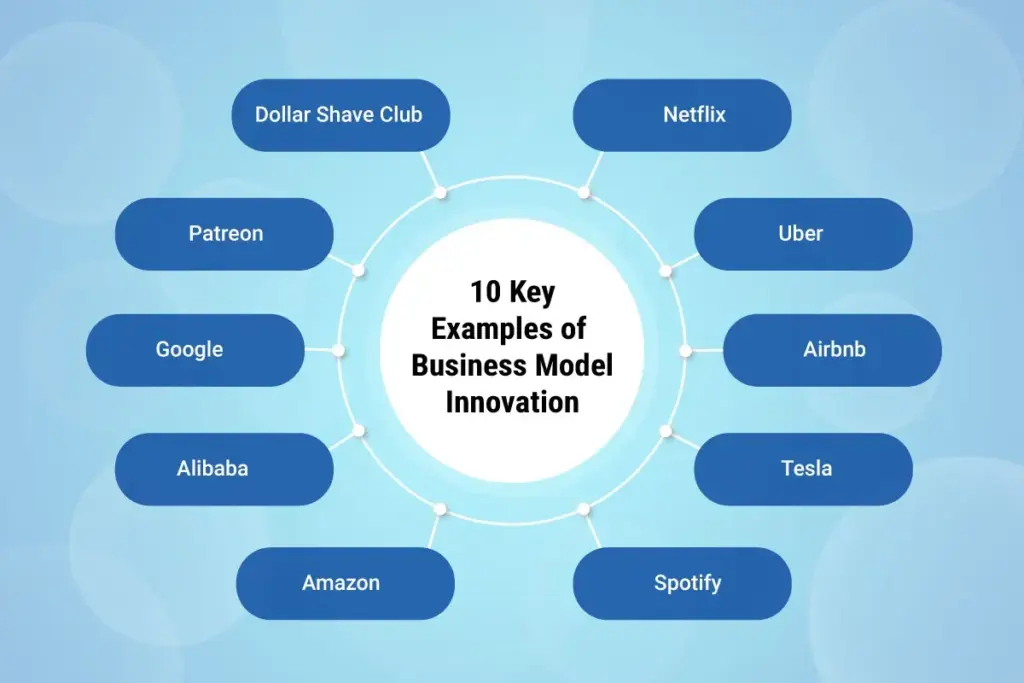
Subscription models have revolutionized how consumers access products and services, fundamentally altering buying behavior. By offering convenience, affordable pricing, and consistent quality, brands like Netflix and Spotify have set the tone for the success of subscription services across various sectors. This shift allows consumers to enjoy products without the burdens of ownership, appealing to a market that values experiences over possessions. Consequently, businesses leveraging this model find themselves not only generating steady income but also enhancing customer engagement by regularly delivering value.
However, these models also require a keen understanding of consumer preferences and behavior. Brands must continually assess subscriber feedback to evolve their offerings and keep pace with changing demands. For example, meal kit services adapt their menus based on seasonal ingredients and customer trends, ensuring they meet the evolving tastes of their clientele. The dialogical engagement between businesses and consumers in this context not only fosters loyalty but also sets the stage for identifying new growth opportunities, demonstrating the profound impact of adopting a subscription model.
Exploring the Freemium Business Model’s Effectiveness
The freemium business model has emerged as a powerful strategy for tech companies seeking to expand their user base. By offering essential services at no cost while reserving advanced features for paying customers, companies like LinkedIn and Dropbox have successfully attracted millions. This approach minimizes entry barriers for new users, enabling them to experience the platform without a financial commitment. Once consumers are engaged, companies strategically leverage their interest to upsell premium services, converting free users into regular clients.
It’s worth noting that the success of the freemium model relies heavily on the quality of the free offering. Businesses must ensure that their core features provide substantial value to foster trust and encourage users to consider paid upgrades. The dialogic approach between the business and its audience is vital here; companies need to listen and adapt based on user feedback. As competitors emerge, maintaining an innovative edge through user engagement becomes crucial to sustaining success in a saturated market.
Platform-Based Models: Redefining Market Dynamics
Platform-based business models are reshaping market dynamics by enabling direct interactions between consumers and producers. Platforms like Uber and Airbnb illustrate how technology can facilitate seamless exchanges, allowing users to monetize their assets while providing customers with unique solutions. This peer-to-peer approach not only democratizes business operations but also reduces overhead costs significantly. By fostering a community-driven marketplace, these businesses create vibrant ecosystems that thrive on shared value.
However, the effectiveness of platform-based models hinges on a thoughtful user experience. Companies need to continuously enhance their platforms to ensure they meet user expectations and encourage engagement. By prioritizing a two-way dialogue with users, businesses can gather valuable insights and adapt their services to Paul potential gaps in the market. This dynamic of interaction illustrates how platforms can cultivate loyalty and sustain competitive advantages while evolving in response to changing consumer needs.
The Importance of Sustainable and Social Business Models
Sustainability has become a central concern for modern consumers, and businesses must now align with these values to remain relevant. Companies like TOMS and Warby Parker exemplify how integrating social good into their business models can resonate with customers seeking ethical purchasing options. By championing sustainability, these brands not only contribute positively to society but also foster a loyal customer base that supports their mission, demonstrating that profit and purpose can coexist.
Moreover, this shift towards sustainability necessitates a dialogical approach where businesses engage with their communities to refine their practices and ensure genuine impact. Transparency in operations, sourcing, and labor practices builds trust, allowing consumers to feel connected to the brands they support. As society increasingly values responsibility alongside profitability, companies that embed sustainable practices into their core operations are not merely meeting a trend; they are positioning themselves for long-term success in the evolving marketplace.
The Role of Direct-to-Consumer (DTC) Brands in the New Economy
The rise of direct-to-consumer (DTC) brands signifies a pivotal shift in how businesses interact with their customers. By eliminating middlemen and selling directly through online channels, companies like Glossier and Casper can build strong relationships with their audience. This direct engagement allows brands to gain valuable insights into customer preferences, enabling them to tailor their offerings and enhance customer satisfaction. As consumers increasingly seek personalized experiences, DTC models cater to this demand effectively.
Furthermore, the DTC approach fosters a culture of transparency and authenticity, essential in today’s marketplace. By maintaining control over branding and marketing, these companies can craft narratives that resonate deeply with consumers. Engaging in dialogue through social media or customer feedback platforms amplifies this relationship, as brands can promptly address consumer concerns and adapt to evolving preferences. In the digital economy, DTC brands highlight the importance of direct relationships, establishing themselves as key players in shaping future market trends.
Harnessing the Gig Economy and Crowdsourcing for Innovation
The gig economy has revolutionized the traditional employment landscape, opening up flexible work arrangements for freelancers and businesses alike. Platforms such as Upwork and TaskRabbit connect skilled individuals with companies seeking project-based assistance, providing a solution to fluctuating labor demands. This model empowers individuals to leverage their unique talents while enabling businesses to scale quickly and efficiently without the burden of long-term hiring commitments.
Moreover, crowdsourcing is another innovative strategy that businesses utilize to tap into collective intelligence. Companies like LEGO and Starbucks actively engage their communities to gather ideas and feedback, fostering a sense of belonging among consumers. By inviting customers to participate in the innovation process, businesses not only enhance their product offerings but also strengthen brand loyalty. This dialogical engagement blurs the boundaries of traditional business models, illustrating how collaborative efforts can drive innovation and creativity.
Frequently Asked Questions
What are some examples of innovative business models in the digital economy?
Innovative business models in the digital economy include subscription models, freemium business offerings, and platform-based models. Companies like Netflix and Spotify thrive on subscriptions, while Dropbox uses a freemium model to attract users with basic free features and upsell them on premium services. Additionally, Uber and Airbnb exemplify platform-based models that connect users and service providers.
How do subscription models benefit businesses in today’s economy?
Subscription models provide businesses with consistent revenue streams and increased customer loyalty. By offering products or services on a subscription basis, companies like Dollar Shave Club can ensure regular income while providing convenience to consumers who prefer scheduled deliveries instead of one-time purchases.
What is the freemium business model and which companies use it?
The freemium business model offers basic services for free while charging for premium features. Companies like LinkedIn and Spotify utilize this model to build large user bases, encouraging upgrades to paid services as users seek enhanced functionality or additional capabilities.
In what ways do sustainable business models differ from traditional profit-focused models?
Sustainable business models prioritize social and environmental impact alongside profitability. Brands like TOMS Shoes focus on giving back, such as donating a pair of shoes for every purchase. This contrasts with traditional models that primarily emphasize financial gains, appealing to consumers seeking ethical purchasing options.
What is the role of DTC brands in the modern retail landscape?
Direct-to-consumer (DTC) brands like Glossier eliminate middlemen by selling directly to consumers, maintaining brand integrity and lowering costs. This model allows brands to leverage social media for personalized engagement, enhancing customer loyalty while providing better prices and experiences.
How does the gig economy impact innovative business models?
The gig economy, characterized by flexible work arrangements, encourages innovative business models that connect freelancers and businesses. Platforms like Upwork enable access to a diverse talent pool without traditional hiring constraints, fostering flexibility and efficiency in service delivery.
What is crowdsourcing and how do companies use it in their business models?
Crowdsourcing involves obtaining ideas, services, or content from a large group of people, often through online platforms. Companies like LEGO and Starbucks use crowdsourcing to involve customers in product development and decision-making, enhancing brand loyalty and fostering community engagement.
| Innovative Business Model | Key Features | Examples | Benefits |
|---|---|---|---|
| Subscription Model | Regular payments for continuous access to products/services | Netflix, Spotify, Dollar Shave Club | Steady revenue stream, enhanced customer retention |
| Freemium Model | Basic services for free, premium features at a cost | LinkedIn, Dropbox | Large user base, potential for upselling premium features |
| Platform-Based Model | Marketplace connecting consumers and producers | Uber, Airbnb | Lower operational costs, flexibility, peer-to-peer economy |
| Sustainable and Social Enterprises | Focus on social impact and environmental stewardship | TOMS Shoes, Warby Parker | Alignment with consumer values, responsible branding |
| Direct-to-Consumer (DTC) | Selling products directly to customers, avoiding retail channels | Casper, Glossier | Greater brand control, personalized customer experience |
| Gig Economy and Crowdsourcing | Flexible jobs for freelancers; engaging large groups for ideas | Upwork, TaskRabbit, LEGO, Starbucks | Access to diverse talents, customer engagement and loyalty |
Summary
Innovative Business Models are reshaping the landscape of today’s economy. As we’ve seen, various approaches like subscription services and direct-to-consumer strategies are not just trends but pivotal for sustained success. Would you say that adapting to these new models has become a survival tactic for businesses? Absolutely, the market dynamics demand it. And what about the rise of sustainable enterprises? It’s fascinating how consumer values are influencing purchasing decisions. Indeed, brands that prioritize social responsibility are capturing the hearts of Millennials and Gen Z. So, could embracing these innovative business models be the key to thriving amidst competition? It certainly appears that way—companies that innovate remain at the forefront, ensuring they resonate with modern consumers while achieving sustainable growth.

