Listen to this article
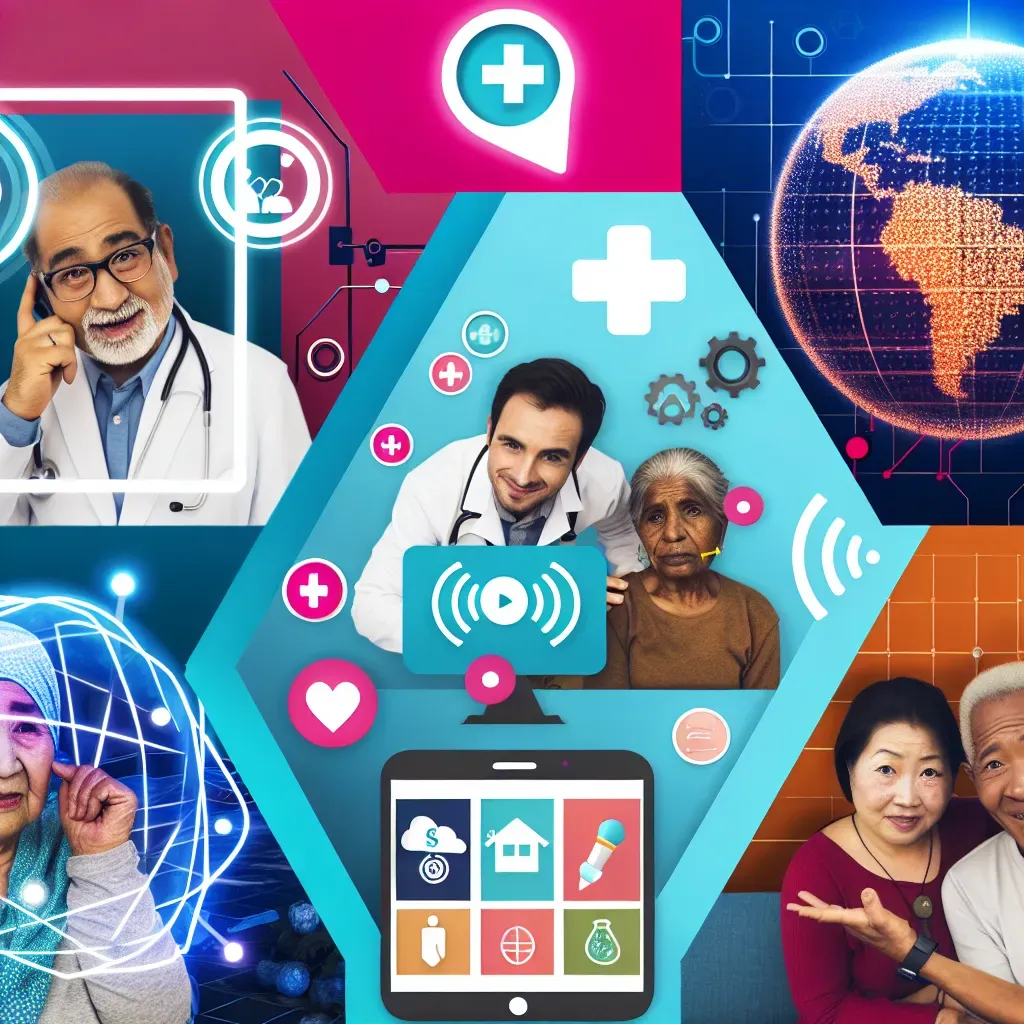
Innovations in Healthcare Delivery are redefining how we access and receive medical services across the globe. Recent advancements such as telemedicine, which leverages virtual consultations, have become vital in breaking down geographical barriers to healthcare access. Moreover, the incorporation of AI healthcare technologies is enhancing diagnostic accuracy and treatment efficacy, ultimately leading to better patient-centered care. Mobile health applications are empowering individuals to take charge of their own health by providing personalized health insights and management tools. As we explore these groundbreaking transformations, it is evident that global health partnerships are crucial in fostering collaboration and sharing innovations that enhance health outcomes for all.
The evolution of medical service provision is being accelerated by cutting-edge healthcare developments that prioritize accessibility and quality. With the rise of telehealth solutions, providers are now able to reach patients in remote areas easily, ensuring timely interventions. Artificial intelligence is also playing a pivotal role in advancing medical diagnostics, making processes more efficient and patient-friendly. Additionally, various applications designed for mobile devices are engaging users and promoting proactive health management. It is clear that collaborative efforts among international health entities are essential in pushing forward these health innovations, ultimately aiming to create a more inclusive and effective healthcare landscape.
The Rise of Telemedicine: Enhanced Healthcare Access
Telemedicine has rapidly evolved into a vital component of modern healthcare, especially highlighted during the COVID-19 pandemic. With advanced technologies enabling virtual consultations and remote monitoring, telemedicine effectively bridges the gap between patients and healthcare providers. Individuals in remote or underserved areas can now connect with specialists without the need for long-distance travel, which has been a significant barrier to quality healthcare access for many.
Furthermore, telemedicine proves to be an essential strategy for managing chronic conditions, facilitating ongoing care by keeping healthcare providers and patients connected. Studies indicate that telehealth services lead to higher patient satisfaction scores, reduced wait times, and overall improved health outcomes. The integration of artificial intelligence in telemedicine applications enhances diagnostics and patient follow-up, fostering a more comprehensive health management experience.
Artificial Intelligence in Healthcare: A New Frontier
The implementation of artificial intelligence (AI) in healthcare represents a groundbreaking shift in how diagnoses are made and treatments are prescribed. Machine learning algorithms can process vast amounts of medical data effectively, allowing for rapid analysis of patient information. AI technologies, such as image recognition, enable precise detection of medical conditions like tumors, thus significantly improving early intervention strategies and patient survival rates.
Moreover, AI’s role extends to optimizing administrative tasks within healthcare institutions. With tools that summarize patient histories and assist healthcare providers in decision-making processes, AI minimizes human error while enhancing workflow efficiency. This liberated time allows healthcare professionals to focus more on patient-centered care, thereby improving the quality of service delivered to individuals seeking medical attention.
Mobile Health Applications: Revolutionizing Patient Engagement
Mobile health applications (mHealth) have revolutionized how patients interact with their health management. These apps offer diverse functionalities, from fitness tracking to medication reminders, empowering individuals with the knowledge and resources they need to make informed health decisions. With integrated AI features, these applications can provide personalized health insights, enhancing a user’s engagement and motivation in their health journey.
For example, diabetic patients can utilize mobile apps specifically designed to monitor their glucose levels, receive dietary advice, and keep track of medication schedules. Such functionalities not only increase health literacy but also facilitate better communication between patients and healthcare providers, making it easier to address health concerns proactively and effectively.
Innovative Healthcare Delivery Models: Prioritizing Patient-Centered Care
Innovative healthcare delivery models, such as Patient-Centered Medical Homes (PCMH) and Accountable Care Organizations (ACOs), emphasize a coordinated and holistic approach to healthcare. These models aim to enhance patient experiences by fostering collaborative care among interdisciplinary teams who work together to cater to patients’ diverse health needs. This collective effort not only improves care management for complex conditions but also reduces hospital readmissions.
By focusing on value rather than volume, these evolving delivery models promise improved health outcomes. Coordinated efforts ensure that all aspects of a patient’s health are monitored, ultimately leading to a more efficient healthcare system that emphasizes long-term health and well-being over quick fixes.
Global Health Partnerships: A Collaborative Approach to Innovation
Global health partnerships play a crucial role in advancing healthcare delivery innovations across countries. By fostering collaboration among governments, NGOs, and private sectors, these partnerships can address shared health challenges more effectively. For instance, initiatives like the Global Fund to Fight AIDS, Tuberculosis, and Malaria highlight how combined resources and expertise can amplify access to healthcare for vulnerable populations.
Through international collaborations, nations can exchange best practices and innovative technologies, boosting health outcomes on a global scale. This cooperative framework encourages resilience in health systems, enabling them to adapt to emerging global health threats, thereby signalling a shift towards a more interconnected and effective approach to healthcare.
Frequently Asked Questions
What role does telemedicine play in innovations in healthcare delivery?
Telemedicine is a key innovation in healthcare delivery, especially enhanced during the COVID-19 pandemic. It provides virtual consultations and remote patient monitoring, expanding access to healthcare for patients in rural and underserved areas. By reducing waiting times and facilitating quicker access to specialists, telemedicine improves patient outcomes while also maintaining continuity of care for chronic conditions.
How is AI transforming diagnostics within innovations in healthcare delivery?
Artificial intelligence (AI) is revolutionizing diagnostics as part of innovations in healthcare delivery. AI and machine learning algorithms assist in accurate and early disease detection, significantly improving treatment outcomes. For instance, AI’s ability to analyze medical images surpasses traditional methods, enhancing early identification of critical conditions like cancer and allowing healthcare professionals to make informed decisions swiftly, thereby improving overall patient care.
In what ways are mobile health applications contributing to innovations in healthcare delivery?
Mobile health applications (mHealth) are empowering patients through personalized health management tools, thereby driving innovations in healthcare delivery. Features like medication reminders, fitness tracking, and AI-driven predictive analytics enable patients to actively engage with their health. These apps help to bridge communication gaps between patients and healthcare providers, ensuring timely interventions and supporting better health outcomes.
What is patient-centered care and how does it exemplify innovations in healthcare delivery?
Patient-centered care is an innovative healthcare delivery model that emphasizes coordinated care tailored to individual patient needs. This approach focuses on improving the patient experience by integrating teams of healthcare providers to manage complex health issues comprehensively. By prioritizing patients’ preferences and needs, this model fosters better health outcomes and encourages active participation from patients in their healthcare journey.
How do global health partnerships enhance innovations in healthcare delivery?
Global health partnerships play a critical role in enhancing innovations in healthcare delivery by fostering collaboration among governments, NGOs, and the private sector. These partnerships facilitate the sharing of best practices and technological advancements, leading to improved access to healthcare resources and services worldwide. By pooling resources and expertise, global health collaborations address widespread health challenges and support equitable healthcare solutions.
| Key Point | Description |
|---|---|
| Telemedicine | Telemedicine enhances healthcare accessibility through virtual consultations and remote monitoring, especially valuable for rural patients. |
| AI and Machine Learning | AI improves diagnostics and decision-making, analyzing medical imaging for earlier disease detection and streamlining patient management. |
| Mobile Health Applications | mHealth apps empower users with health management tools like medication reminders and glucose monitoring, improving engagement. |
| Innovative Health Delivery Models | Models like PCMH and ACOs prioritize coordinated, holistic care, enhancing patient experience and reducing hospital admissions. |
| Global Health Partnerships | Collaborations among countries and organizations foster innovation and resource-sharing to address health challenges. |
| Challenges Ahead | Despite advancements, inequities in access and cybersecurity concerns need to be addressed for inclusive healthcare. |
Summary
Innovations in healthcare delivery are fundamentally transforming how medical services are provided, making them more efficient and accessible. These advancements, ranging from telemedicine to AI, mobile health applications, and new health delivery models, aim to improve patient outcomes and broaden access to quality care. As we embrace technology to reshape healthcare, it is crucial to focus on inclusivity ensuring that vulnerable populations are not left behind. The ongoing evolution in healthcare delivery heralds a brighter future for global health, where advancements truly benefit everyone.