Listen to this article
Indonesia floods have become a major concern as the nation grapples with the devastating impact of Cyclone Senyar. Recent reports indicate that over 400 individuals are currently missing, feared trapped under landslides triggered by relentless rains on the island of Sumatra. With the death toll rising above 440, the urgency for effective flood rescue operations in Indonesia has never been more critical. Rescue efforts are underway, but many remote villages remain cut off, highlighting the challenges of disaster management faced by authorities. As the situation worsens, it is evident that Indonesia must enhance its preparedness to mitigate future disasters brought on by severe weather events.
The catastrophic flooding experienced in recent weeks has highlighted the broader challenges faced by Indonesia in terms of emergency response and recovery. As communities cope with the aftermath of Cyclone Senyar, the nation’s strategy for disaster resilience is under scrutiny. Many locals are left stranded, with reports of landslide-related casualties and an overwhelming need for aid in affected regions. The ongoing situation in Sumatra serves as a critical reminder of the environmental vulnerabilities that plague this Southeast Asian nation. Moreover, the significant rainfall has not only disrupted local life but also emphasized the interconnectedness of weather-related disasters across the region.
The Ongoing Search for Missing Persons After the Indonesia Floods
In the wake of devastating floods and landslides in Indonesia, rescue teams are diligently searching for over 400 individuals who remain unaccounted for. Reports suggest that many of these missing persons may be trapped beneath the rubble caused by this tragic event, highlighting the critical nature of flood rescue operations in Indonesia. Rescues are challenging due to the unpredictable conditions and continuous rain, exacerbated by Cyclone Senyar, which has left cities like Aceh and surrounding areas isolated.
The urgency of the situation is compounded by reports of increasing frustration among locals who have yet to receive aid. On-the-ground stories reveal that some communities are facing dire shortages of food and clean water, prompting desperate measures such as looting. With the death toll escalating, the national government and local authorities are under extraordinary pressure to enact effective disaster management strategies to assist affected regions promptly.
Impact of Cyclone Senyar and Landslides in Indonesia
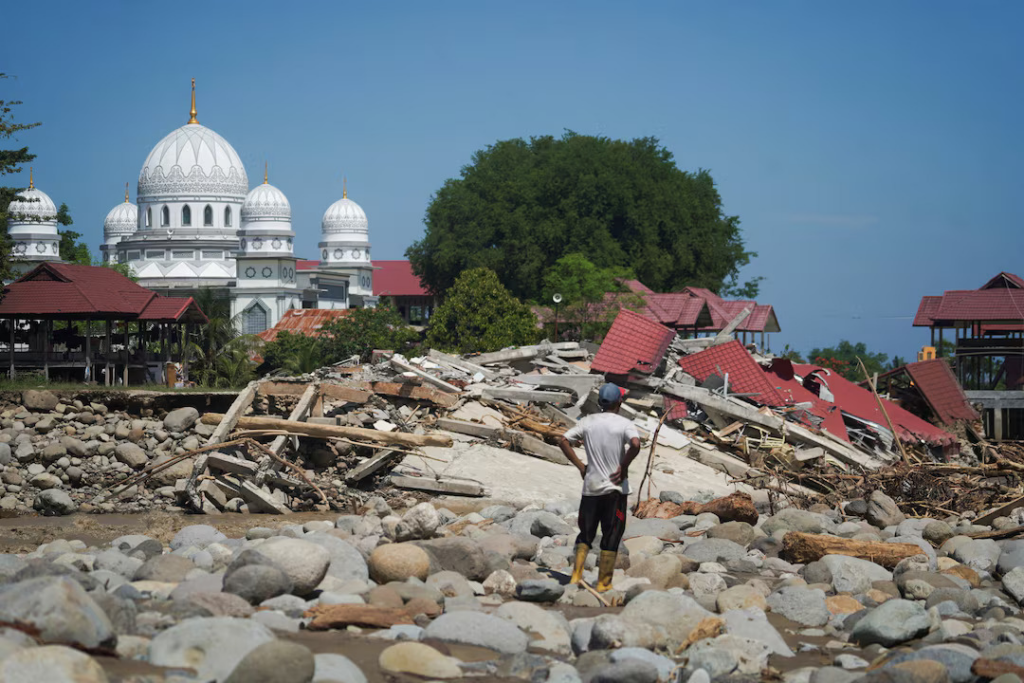
Cyclone Senyar, an unusually powerful tropical storm, has wreaked havoc across Indonesia, triggering catastrophic flooding and severe landslides. The aftermath has left significant damage in its wake, particularly in the provinces of Aceh, North Sumatra, and West Sumatra, where thousands of homes have been destroyed. Authorities are now assessing the long-term implications for these regions, including the economic and social impacts of such a devastating disaster.
The landslides have not only caused immediate loss of life but have also created ongoing risks for the affected communities. With infrastructure obliterated and landslides frequently occurring, the need for advanced plans in disaster risk reduction has never been more crucial. Relief efforts must integrate sustainable solutions to prepare for future catastrophes and to manage recovery efforts effectively, ensuring that vulnerable communities are equipped to handle similar threats.
Emergency Response and International Aid to Indonesia
As Indonesia grapples with the aftermath of the floods, the response from both local and international entities has been notable. Emergency services have been mobilized, with efforts focusing on reaching remote areas cut off by the devastating effects of Cyclone Senyar. Aid organizations have stepped in, providing medical supplies and essentials to war-torn communities that have suffered great losses.
Notably, foreign aid has begun arriving, including assistance from neighboring countries such as Malaysia. An interesting intervention has been announced by tech billionaire Elon Musk, who is offering free Starlink internet services, aimed at improving communication in the disaster-stricken regions. This technological support could enhance coordination among rescue teams, facilitating more timely responses for those in need.
The Humanitarian Crisis Following Indonesia’s Floods
The floods resulting from Cyclone Senyar have not only caused loss of life but have also triggered a major humanitarian crisis in Indonesia. Reports indicate that millions of people are affected, including those displaced from their homes and facing acute shortages of basic necessities. The dire situation has led to rising tensions as some individuals resort to stealing food and supplies to survive, raising urgent questions around law enforcement and public safety.
In addition to immediate needs, the health implications of the flooding are severe. Increased risks of waterborne diseases and the mental health effects of displacement are becoming clearer, necessitating a coordinated response from healthcare providers. Adequate disaster management strategies must adapt to these evolving challenges, ensuring that the needs of affected populations are met comprehensively.
Long-term Effects of Flooding and Landslides on Indonesia’s Ecosystem
The catastrophic flooding and subsequent landslides in Indonesia not only pose immediate human risks but also threaten the delicate ecosystems across the affected regions. The destruction of habitats and the contamination of water sources can have lasting impacts on local wildlife and biodiversity, leading to potential long-term ramifications for environmental health.
In particular, the extensive soil erosion caused by heavy rain and flooding can diminish agricultural productivity, further complicating recovery efforts. It’s crucial for disaster management frameworks to include ecological considerations, aiming to restore and protect these ecosystems in the wake of natural disasters. Sustainable farming practices and reforestation efforts can be pivotal components of rebuilding efforts after such profound disruptions.
Comparative Analysis: Flooding in Indonesia and Other Southeast Asian Nations
The flooding in Indonesia this week is a stark reminder of the broader climatic challenges faced by numerous Southeast Asian nations. Countries like Thailand, Malaysia, and the Philippines are also grappling with severe weather patterns leading to flooding, each with its own unique socio-economic contexts. Understanding the similarities and differences in response strategies can shed light on effective disaster relief practices.
While Indonesia battles the immediate effects of Cyclone Senyar, neighboring nations are experiencing their own crises, often featuring similar patterns of destruction and displacement. By sharing insights and resources among these countries, Southeast Asia can strengthen its collective resilience against future floods and climate-related disasters.
Community Resilience in the Face of Indonesia Floods
The communities affected by the floods in Indonesia are demonstrating considerable resilience as they face one of the hardest times in their history. Local leaders are stepping up to coordinate aid efforts, mobilizing neighbors and resources to provide for those in need in the absence of immediate governmental support. This grassroots response showcases the strength and determination of Indonesians to support each other through adversity.
Additionally, stories of solidarity among villagers remind us of the human capacity to unite in the face of disaster. Initiatives driven by community members often prove to be effective in ensuring that critical resources reach those who are most vulnerable. Enhancing community engagement in disaster preparedness and recovery planning is essential for future resilience in Indonesia.
Role of Technology in Disaster Management in Indonesia
The devastating flooding in Indonesia underscores the critical role of technology in modern disaster management. Innovations such as satellite mapping and real-time data collection can significantly enhance the effectiveness of emergency response efforts. As seen with Elon Musk’s contribution of Starlink services, technology is becoming an integral part of liaising with rescue operations and managing logistical challenges posed by disaster scenarios.
Moreover, social media platforms are being used to communicate urgent needs and coordinate assistance among affected populations. The ability to share information rapidly can mitigate chaos during such emergencies and ensure that aid reaches those who require it quickly. Moving forward, integrating technology into disaster planning will be key to enhancing the resilience and preparedness of communities across Indonesia.
Educational Initiatives for Natural Disaster Preparedness in Indonesia
In light of the recent floods and ongoing challenges posed by natural disasters in Indonesia, there is a pressing need for educational initiatives focused on disaster preparedness. Schools and community organizations can play a fundamental role in equipping individuals with knowledge and skills to respond effectively in emergencies. Programs that raise awareness about the risks of flooding and landslides can empower individuals to take proactive measures.
Furthermore, educational campaigns can foster a culture of preparedness, encouraging communities to develop emergency plans and survival strategies. By working together to assess local risks and establish response protocols, Indonesian communities can improve their resilience and reduce potential losses from future natural disasters.
Frequently Asked Questions
What caused the recent floods in Indonesia?
The recent floods in Indonesia were primarily triggered by Cyclone Senyar, which brought intense cyclonic rains and resulted in catastrophic flooding, particularly affecting the island of Sumatra.
How many people are reported missing due to the flooding in Indonesia?
Currently, rescuers in Indonesia are searching for at least 400 people reported missing, many of whom are believed to be buried under landslides that occurred as a result of the floods.
What areas in Indonesia are most affected by recent flooding?
The flooding has severely impacted several areas in Sumatra, particularly Aceh, North Sumatra, and West Sumatra, where homes and thousands of buildings have been submerged.
What assistance is being provided to flood victims in Indonesia?
Aid is being delivered to affected areas via air and sea, with medical supplies and essential items sent from foreign countries like Malaysia, though some villages have not yet received any assistance.
What challenges are rescue operations facing in Indonesia’s floods?
Rescue operations in Indonesia are challenged by isolated cities such as Central Tapanuli and Sibolga, where flooding has complicated access to victims. Additionally, reports of looting and unrest highlight the desperation for food and water among affected residents.
How has Cyclone Senyar impacted disaster management efforts in Indonesia?
Cyclone Senyar has significantly strained Indonesia’s disaster management efforts, leading to widespread destruction, hampering access to affected areas, and increasing the need for rapid and effective logistical support for rescue and relief operations.
Are there any ongoing rescue operations for landslide victims in Indonesia?
Yes, ongoing rescue operations are focused on locating the missing individuals believed to be trapped under landslides in various regions of Indonesia, especially after the recent flooding triggered by Cyclone Senyar.
How are local communities coping with the aftermath of Indonesia floods?
Many local communities in Indonesia are struggling to cope with the aftermath of the floods, with some residents reported to have stolen food and supplies due to inadequate external assistance and overwhelming concerns about starvation.
| Key Points | Details |
|---|---|
| Search and Rescue Operations | Rescuers are searching for 400 missing individuals, many believed buried under landslides. |
| Death Toll | The death toll on Sumatra has surpassed 440 as reported by the government. |
| Aid Challenges | Many villages still have not received assistance, and there are reports of theft for survival. |
| Foreign Aid | Medical supplies from Malaysia have reached Aceh, one of the hardest-hit provinces. |
| Impact of Cyclone Senyar | An unusual tropical storm led to landslides and flooding, affecting millions. |
| Affected Areas | Individuals reported missing in Aceh, North Sumatra, and West Sumatra. |
| Local Challenges | Central Tapanuli and Sibolga are among the isolated cities awaiting assistance. |
| Looting Incidents | There have been reports of shop break-ins as residents awaited aid. |
| Elon Musk’s Contribution | Musk announced free Starlink services to help in emergency communication. |
Summary
Indonesia floods have led to catastrophic consequences, with hundreds missing and thousands affected. The severe impact of Cyclone Senyar caused widespread destruction, prompting urgent rescue and aid operations. Despite the arrival of some foreign aid, many areas remain isolated and in dire need of assistance. The situation is critical as local residents face challenges in obtaining essential supplies amidst the devastation.