Listen to this article
Inclusive Sports have emerged as a powerful movement that emphasizes accessibility in athletics for everyone, regardless of their abilities. This essential approach encourages not just participation but also celebrates diversity in sports, making physical activity available to people with disabilities. By promoting accessible sports, communities can foster environments where all individuals enjoy the myriad benefits of exercise, such as improved mental health, social connections, and physical well-being. Through community sports programs that cater to diverse populations, we can break down barriers that traditionally hinder participation. Sports for all are not merely a concept; they are a reality that, when implemented effectively, leads to healthier and more united communities.
When discussing alternative forms of sports engagement, terms like accessible athletics and community-driven physical activities come to the forefront. These variations highlight the importance of creating equitable opportunities for participation in sports, particularly for individuals with disabilities. Adapted physical activity programs serve as a beacon of inclusivity, promoting the idea that everyone, irrespective of their background or capabilities, deserves the chance to engage in sports. By reimagining how we approach athletics and implementing strategies that prioritize inclusive practices, we can ensure that all individuals are afforded the right to experience the diverse joys of physical activity.
Understanding Accessible Sports for All
Accessible sports refer to physical activities designed to accommodate individuals with varying abilities, ensuring everyone can participate without barriers. This concept emphasizes that sports should be available to all, regardless of physical limitations. Adapted physical activity programs play a significant role in this movement, focusing on strategies that allow individuals with disabilities to engage in sports safely and enjoyably.
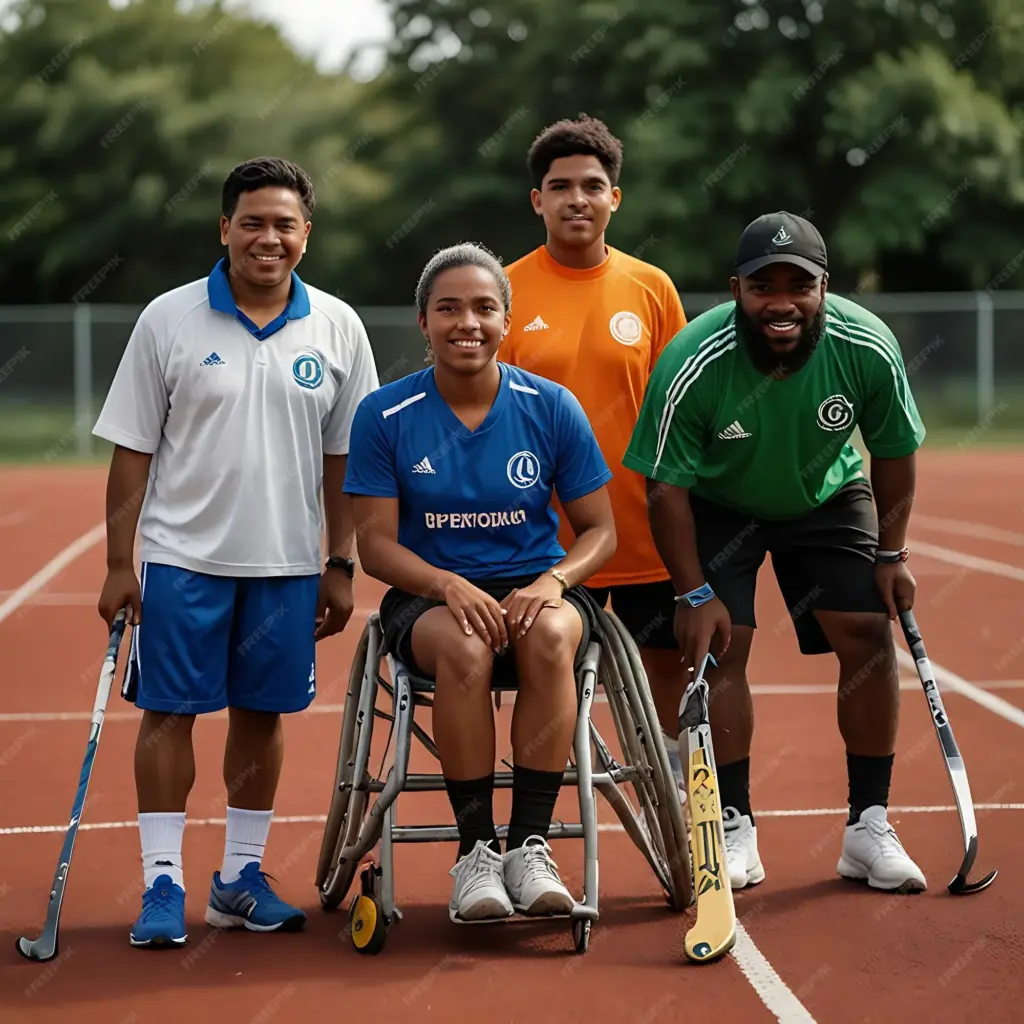
Creating inclusive sports environments involves modifying existing activities and facilities to cater to players of all abilities. This could mean providing specialized equipment, such as wheelchairs for basketball or sensory-friendly zones in stadiums for those with sensory processing issues. By prioritizing accessibility, communities can effectively promote participation and encourage a culture of acceptance and encouragement in sports.
Promoting Community Sports Programs
Community sports programs focus on bringing people together through physical activity, fostering both social interaction and individual growth. These programs often provide a platform for individuals from diverse backgrounds to engage in sports regardless of their skill level or prior experience. From local soccer leagues to adaptive swim classes, community programs are essential for promoting inclusivity in sports.
Implementing community sports initiatives can strengthen municipal bonds, enhance local economies, and foster healthier lifestyles. Engaging residents in planning and executing these programs ensures that they resonate with diverse communities and cater to their unique needs. This participatory approach not only promotes inclusivity but also empowers individuals to take ownership of their sports environment.
Furthermore, community sports initiatives often collaborate with local schools and organizations to reach underrepresented populations. These partnerships can leverage resources, potential volunteers, and facilities to create accessible sports opportunities that encourage participation from everyone, particularly those facing barriers to engagement.
The Role of Disability in Sports
Disability in sports encompasses the participation of individuals with physical or intellectual disabilities in various athletic activities. Awareness around disability in sports has been growing, challenging societal perceptions of ability and encouraging discourse on inclusivity. Programs that prioritize disabled athletes not only provide opportunities for competition but also inspire others to acknowledge and celebrate diversity in physical activity.
Moreover, the representation of athletes with disabilities in media and competition plays a crucial role in changing narratives surrounding sports participation. Visibility for these athletes can dismantle stereotypes and normalize adaptive sports, thus enhancing public understanding and acceptance. This shift contributes to broader societal change, promoting attitudes that embrace all individuals regardless of their abilities.
Adapted Physical Activity Programs in Communities
Adapted physical activity programs are essential for including individuals with disabilities in sports and ensuring they can enjoy the benefits of regular exercise. These programs are tailored to meet specific needs, offering modifications that enable everyone to participate in physical activities. Such adaptations might include varying the intensity of workouts, offering specialized equipment, or providing personalized coaching.
By implementing adapted physical activity programs, community centers can create inclusive environments that promote health and well-being. These programs not only enhance physical skills but also foster social relationships among participants. The experience of working together towards common goals can help cultivate a sense of belonging and community as well, reinforcing the benefits of teamwork and collaboration.
Breaking Down Barriers to Sports Participation
Breaking down barriers to sports participation is a critical step towards achieving inclusivity in athletics. Common obstacles such as physical inaccessibility of facilities, financial constraints, or a lack of awareness among coaches can deter individuals from participating in sports. Understanding and addressing these barriers is vital in creating equitable access to physical activity for all.
Community initiatives aimed at raising awareness about the importance of inclusive sports can play a pivotal role in catalyzing change. These initiatives often mobilize resources to improve facility access, provide financial support through grants, and train staff members on how to effectively engage with diverse populations. As these barriers begin to diminish, more individuals will feel welcomed into the sporting community.
Celebrating Diversity in Sports
Celebrating diversity in sports involves acknowledging and honoring the unique contributions of athletes from various backgrounds, including those with disabilities. This celebration can take many forms, from hosting inclusive sports events to sharing success stories of diverse athletes in local media. These practices help create an environment where every individual feels represented and valued.
By promoting diversity, communities can also help dispel myths and stereotypes often associated with disability and sports. Elevating the voices of adaptive athletes in public forums and media can challenge existing narratives and encourage broader participation. Celebrations of diversity also provide opportunities for educating the public about the importance of inclusivity, reinforcing the message that sports truly are for everyone.
Exploring the Societal Impact of Inclusive Sports
The societal impact of inclusive sports extends beyond individual health benefits and encompasses community cohesion, social inclusion, and improved mental health outcomes. When sports programs include diverse participants, they foster an environment where differences are celebrated, and cooperative relationships are built. This inclusivity can help bridge gaps between various segments of society, promoting mutual respect and understanding.
Moreover, inclusive sports contribute to the overall well-being of communities by encouraging active lifestyles among all population segments. As community members bond over physical activities, they strengthen social networks, which can translate into increased support systems and a higher quality of life. Ultimately, these positive outcomes illustrate how sports can unite people and cultivate a more inclusive society.
Leveraging Technology for Inclusive Sports Solutions
Leveraging technology in sports can enhance accessibility and participation for individuals with disabilities. Innovations such as adaptive sports equipment, virtual training programs, and apps designed to locate accessible sports facilities can significantly improve engagement levels. As technology continues to evolve, it offers new solutions that cater to diverse needs in sports.
For instance, with the rise of virtual training platforms, individuals unable to access traditional sports facilities can now participate in adapted physical activities from home. These platforms create opportunities for social interaction through virtual group classes, encouraging camaraderie despite physical distance. By embracing technology, we can broaden access to inclusive sports and ensure that everyone has a chance to partake in physical activities.
Empowering Through Education and Training in Sports
Education and training in sports are crucial for promoting inclusivity and ensuring that all individuals feel supported in their athletic endeavors. Workshops and training sessions for coaches, volunteers, and staff can equip them with the skills to adapt activities for participants of varying abilities. This investment in training can create a more knowledgeable and empathetic sporting environment.
Additionally, educating the community about the importance of inclusivity can foster enthusiasm for sports programs designed for all. As staff members become better equipped to support diverse populations, they can encourage broader participation by demonstrating adaptive techniques and supportive coaching styles. This inclusive approach enriches the sports community and empowers individuals to embrace physical activity without fear of exclusion.
Frequently Asked Questions
What are inclusive sports and how do they benefit the community?
Inclusive sports refer to physical activities that ensure equal access for everyone, regardless of ability, age, or background. They benefit the community by promoting social inclusion, health improvements, and skill development for all participants.
How can community sports programs be made more inclusive?
Community sports programs can be made more inclusive by enhancing facility accessibility, incorporating adaptive sports, providing staff training on diverse needs, and involving community feedback in program development.
What role does accessible sports play in promoting health?
Accessible sports play a crucial role in promoting health by facilitating regular physical activity for individuals with disabilities, thus lowering obesity rates, improving mental wellness, and increasing overall well-being.
What are some barriers to participation in inclusive sports?
Barriers to participation in inclusive sports include physical inaccessibility of facilities, lack of trained staff, high participation costs, and cultural attitudes that may discourage individuals from engaging.
How can I find accessible sports opportunities in my area?
To find accessible sports opportunities, check local community centers, fitness clubs, or online platforms that list adaptive sports programs and community sports initiatives designed for people of all abilities.
What types of adapted physical activity programs are available?
Adapted physical activity programs can include wheelchair basketball, inclusive yoga, adaptive swimming, and multi-sport programs tailored for individuals with varying abilities, making sports enjoyable for all.
Why is training important for staff in inclusive sports programs?
Training is vital for staff in inclusive sports programs to equip them with the skills to accommodate all participants effectively, understand adaptive techniques, and promote an empathetic and inclusive environment.
How can financial barriers be addressed in community sports programs?
Financial barriers can be addressed through scholarships, funding from local businesses, and affordable program pricing to ensure that everyone, regardless of income, can participate in community sports.
What initiatives support diversity in sports?
Initiatives that support diversity in sports include hosting inclusive sports events, highlighting diverse role models, forming partnerships with advocacy groups, and implementing mentorship programs for underrepresented athletes.
How can technology enhance inclusive sports participation?
Technology can enhance inclusive sports participation by providing virtual training resources, creating apps for accessible activity locations, and developing innovative adaptive equipment to meet diverse needs.
| Key Points | Details |
|---|---|
| Understanding Inclusivity in Sports | Inclusivity means ensuring everyone, regardless of factors like age, gender, disability, or socioeconomic status, can participate in physical activities. |
| Benefits of Inclusive Physical Activity | Health benefits, social inclusion, skill development, and community cohesion are significant advantages of promoting inclusive sports. |
| Barriers to Inclusive Sports | Physical accessibility, lack of awareness and training among coaches, affordability issues, and cultural attitudes inhibit inclusivity. |
| Strategies to Promote Inclusion | Enhancing accessibility, engaging the community, providing staff training, offering financial support, promoting diverse programs, celebrating diversity, and leveraging technology are key strategies. |
| Looking Forward | A collective effort towards inclusivity in sports can lead to richer community engagement and improved health for all. |
Summary
Inclusive Sports is essential for fostering collaboration and participation across diverse populations. As we move forward, promoting inclusive sports can significantly impact not only the individuals engaged in these activities but also the wider community. By addressing barriers and implementing strategic initiatives, we create an environment where everyone can thrive. The benefits—ranging from enhanced health to social connections—underscore the importance of inclusivity in sports. As society embraces these values, the vision of a truly inclusive sporting community becomes a reality.