
Listen to this article
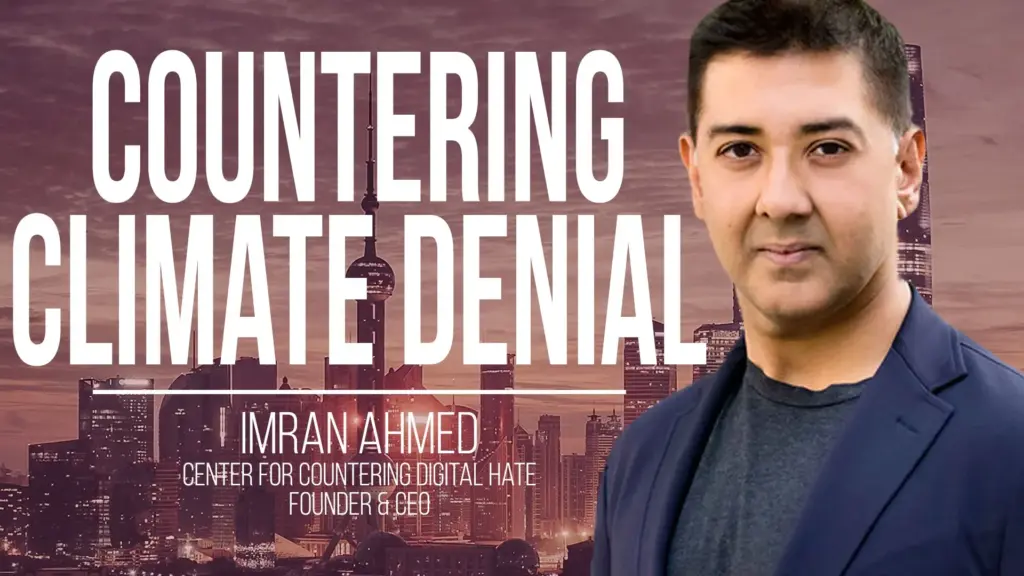
The Imran Ahmed detention case has sparked significant discussions surrounding censorship and freedom of speech in the United States. A recent ruling by a US district judge has temporarily halted the Trump administration’s attempt to detain the British activist, who has been vocal against online censorship practices. Ahmed, the founder of the Center for Countering Digital Hate, was among five individuals barred from entering the US due to allegations of pressuring tech companies to censor opposing viewpoints. This decision has drawn criticism from European leaders, as it raises crucial questions about the balance between safeguarding free speech and combating digital hate organizations. The temporary restraining order granted allows Ahmed to remain in the US, emphasizing the ongoing relevance of these legal and ethical issues in today’s digital landscape.
The legal battle surrounding the detention of Imran Ahmed highlights the growing tensions between government regulation and individual rights in the realm of online speech. As advocates for freedom of expression face renewed scrutiny, the case has illuminated the complex dynamics of political accountability in the digital age. Ahmed’s situation has become a focal point for discussions on how state actors can influence social media platforms and the potential repercussions of restricting access to dissenting voices. Furthermore, this controversy raises alarms about the implications of temporary restraining orders, particularly concerning individuals with strong ties to the US. As society navigates these narratives, the evolving legal frameworks and societal attitudes towards online content and censorship are increasingly pivotal.
Understanding the Imran Ahmed Detention Case
The Imran Ahmed detention case has garnered significant media attention due to its implications for free speech and online censorship in America. At the heart of the case is the argument surrounding the Trump administration’s use of entry bans as a tool against individuals advocating for anti-hate speech measures. Ahmed, as the founder of the Center for Countering Digital Hate, has positioned himself against digital hate organizations, aiming to bring to light issues related to digital platforms that may promote harmful rhetoric. His lawsuit underscores a crucial debate over whether the government has the right to prevent entry based on political viewpoints, particularly in the context of activism against online hate.
With the U.S. District Court granting Ahmed a temporary restraining order, the legal landscape around online censorship and freedom of speech is under scrutiny. This case not only challenges the specific actions of the Trump administration but also highlights the broader legal implications for organizations supporting freedom of expression in the digital realm. As the judge noted, the administration cannot illegally detain or deport a permanent resident like Ahmed without due process. Such actions could potentially set a precedent for how similar cases are handled in the future, particularly regarding the balance between national security concerns and the freedom to express dissenting opinions online.
The Impact of Online Censorship Policies
Online censorship policies implemented by governments have become a contentious issue globally, especially in the United States under the Trump administration. With allegations that digital platforms were being coerced into censoring dissenting voices, the debate around freedom of speech has intensified. Critics argue that these tactics aim to suppress viewpoints that challenge the status quo, while proponents believe they are necessary to protect citizens from hate speech and misinformation. The Imran Ahmed case exemplifies this strife, where an accusation of coercion raises questions about the limits of free expression versus the need for regulatory measures against harmful rhetoric.
As we witness the repercussions of these policies, the narrative expands to include discussions of digital hate organizations targeting vulnerable groups. The clash between maintaining a free digital environment and the responsibilities that come with it is ongoing and complex. Ahmed’s work in combating online hate positions him at the forefront of this crucial battle, as he works tirelessly to shield unsuspecting users, especially children, from the dangers of unchecked digital hate. Thus, the broader implications for both social media platforms and the legal frameworks governing them must be examined in light of ongoing rulings and the evolving nature of online discourse.
Legal Precedents and Free Speech
The legal precedents set by cases like Imran Ahmed’s directly impact the conversation around free speech in the digital age. Judges are increasingly finding themselves at the intersection of First Amendment rights and national policy, particularly in the context of online censorship. By issuing a temporary restraining order, the court has reinforced the notion that even those who challenge mainstream narratives deserve protection under the law. This ruling signals the judiciary’s recognition of the potential consequences of broadly implemented censorship policies that could infringe on basic rights of expression.
Furthermore, this case opens the door to deeper analysis of how freedom of speech is interpreted in an increasingly digital landscape dominated by corporations and government actions. As censorship becomes more prevalent in response to growing concerns about harmful content, the line between safeguarding the public and violating individual rights is perilously thin. Legal experts are monitoring the outcome of Ahmed’s case carefully, as it may redefine the parameters of acceptable speech on digital platforms and could offer insights into how future cases surrounding online hate and expression will be adjudicated.
The Role of Activism in Online Safety
Imran Ahmed’s role as an activist in combatting online hate places him in a critical position of influence in discussions about digital safety and freedom of speech. His commitment to protecting vulnerable communities from the dangers of online hate showcases the essential role activists play in shaping policies that govern digital interactions. Through his advocacy, Ahmed brings attention to the often-overlooked consequences of hate speech on social platforms, urging technology companies to take responsibility for the content shared on their platforms.
The evolution of social media dynamics has seen a rise in digital hate organizations that threaten public discourse and personal safety. Policies aimed at censoring this hate speech are not just administrative measures but fundamental human rights discussions. Ahmed’s activism highlights these nuances and emphasizes that free speech must come with a robust framework to protect individuals from harm, particularly marginalized communities. As the law continues to catch up with technology, figures like Ahmed present vital arguments for reform that prioritize safety without undermining freedom.
Government Response to Digital Hate
The government’s response to allegations of digital hate and the actions against activists like Imran Ahmed signifies a potentially troubling trend in how freedom of speech is regulated. Secretary of State Marco Rubio’s comments reflect an administration that views certain activist actions as threats to national security rather than legitimate endeavors to combat online hate. This framing can lead to broader implications for how dissenting opinions are treated in policy making and the concerns regarding online censorship.
As these political strategies unfold, they raise alarm over potential abuses of power under the guise of protecting citizens from harmful content. The decisions to impose bans on activists can be seen as an erosion of democratic principles, striking at the heart of freedom of speech. Continuous monitoring of this governmental response is essential to ensure that the measures put in place do not silence voices crucial for advocacy against hate speech but rather create a balanced system that upholds individual rights.
The Implications of Ahmed’s Lawsuit
The legal implications stemming from Imran Ahmed’s lawsuit against the Trump administration are profound and wide-reaching. His case may set a crucial benchmark for how permanent residents are treated under U.S. immigration laws concerning political dissent and activism. If the courts rule in favor of Ahmed, it could signal a strong message that the government cannot impose punitive measures or threats against individuals simply for their advocacy against digital hate and online censorship.
Additionally, Ahmed’s challenges reveal the critical need for a reevaluation of existing legal frameworks that govern freedom of speech in the digital space. Should the court reaffirm the right of activists to operate without fear of government reprisal, it will likely inspire similar cases that fight against censorship and uphold the values of free expression. This could catalyze a significant shift in public consciousness regarding the importance of protecting diverse viewpoints, especially in the context of modern digital communication.
Activism vs. Government Interests: A Delicate Balance
The tension between activism aimed at combating online hate and government interests raises critical questions regarding the balance of power. Imran Ahmed’s case demonstrates how activists who challenge the status quo are often met with resistance from government officials who perceive such actions as threats. This dynamic creates a landscape fraught with challenges for those who wish to advocate for free speech and safe digital spaces without facing retaliation from state authorities.
Navigating this delicate balance becomes increasingly critical as the digital landscape evolves. Activists face the dual challenge of promoting their agenda while simultaneously defending against government encroachments on their rights. The case of Ahmed and his pursuit of legal protection against detention illustrates a growing need for clearly-defined boundaries and protections for activists within U.S. law, ensuring that the fight against censorship does not come at the expense of personal freedoms.
Future of Online Censorship Legislation
The outcome of Imran Ahmed’s legal battle may very well signal a pivotal moment for future legislation surrounding online censorship in the U.S. As the courts examine the legitimacy of the actions taken against him and other activists, the potential for new laws aimed at protecting freedom of speech becomes a real possibility. A ruling favoring Ahmed could embolden lawmakers to craft policies that better safeguard individuals against arbitrary censorship and government overreach.
In addition, this case could lead to a broader examination of how digital platforms are regulated in relation to free speech. With growing scrutiny on major social media corporations for their role in facilitating digital hate, legislators might feel pressure to implement comprehensive frameworks that align freedom of speech with accountability for harmful content. The implications of such changes could significantly reshape the landscape of online communication, ensuring a more balanced approach that respects both public safety and individual rights.
The Global Perspective on Digital Activism
The Imran Ahmed case draws attention not only to U.S. domestic policy but also to the global dialogue surrounding digital activism and online censorship. As similar movements emerge worldwide, the principles upheld in this case could influence international norms concerning freedom of expression and strategies against digital hate. Countries observing this high-profile case may reconsider their own policies, fostering a more robust global coalition for protecting free speech in the digital realm.
Activists across the globe face similar challenges as Ahmed, navigating oppressive regimes that fear dissent and utilize digital censorship as a means of control. This interplay of local and global activism emphasizes that the fight for freedom of expression must be unified, demanding accountability from both governments and platforms. Ahmed’s dedication to this cause exemplifies the commitment many activists share in advocating for a safer digital environment against the backdrop of growing opposition, allowing their voices to resonate far beyond their borders.
Frequently Asked Questions
What is the significance of the Imran Ahmed detention case in relation to the Trump administration’s policies?
The Imran Ahmed detention case highlights the Trump administration’s approach towards online censorship and freedom of speech. By temporarily preventing the detention of Ahmed, a British activist and founder of the Center for Countering Digital Hate, the judge’s ruling raises questions about the administration’s tactics in handling individuals accused of coercing technology companies into censoring content.
How does the Imran Ahmed detention case relate to online censorship and free speech?
The Imran Ahmed detention case is pivotal in discussions of online censorship and freedom of speech, as it involves accusations against Ahmed of attempting to influence tech companies to limit speech. His lawsuit against the Trump administration aims to address these issues, asserting that banning him from entry compromises the rights of activists targeting digital hate organizations.
What are the implications of the temporary restraining order granted in the Imran Ahmed detention case?
The temporary restraining order in the Imran Ahmed detention case allows Ahmed to remain in the US while his legal challenges are heard, preventing the Trump administration from detaining him. This decision reflects broader concerns over governmental power in detaining individuals based on their stance against online censorship and support for freedom of speech.
Why did Imran Ahmed file a lawsuit against officials in connection with his detention case?
Imran Ahmed filed a lawsuit against officials, including those from the Trump administration, to contest the entry ban applied against him. The lawsuit addresses allegations that he coerced technology companies into censoring content, framing it as an infringement on his freedom of speech and a disproportionate reaction to his activism against digital hate organizations.
What can we learn from the reactions of European leaders regarding the Imran Ahmed detention case?
European leaders’ support for Imran Ahmed in the detention case underscores international concerns about online censorship and freedom of speech. Their defense of organizations monitoring online content emphasizes the belief that such monitoring is essential in combating digital hate and ensuring that diverse viewpoints are represented.
How does the Imran Ahmed detention case illustrate the tension between freedom of speech and online censorship?
The Imran Ahmed detention case illustrates the complex balance between freedom of speech and online censorship. Ahmed’s activism against digital hate organizations and the subsequent actions by the Trump administration reveal tensions over whether governmental actions to curb hate speech infringe on individual rights to express dissenting opinions.
What impact did the ruling in the Imran Ahmed detention case have on advocacy against digital hate organizations?
The ruling in the Imran Ahmed detention case is expected to bolster advocacy against digital hate organizations by validating the rights of activists to challenge governmental restrictions. Ahmed’s victory against potential detention serves as a significant precedent for those fighting against online censorship and advocating for freedom of speech in digital environments.
What does the response from the State Department imply about the Imran Ahmed detention case?
The State Department’s response to the Imran Ahmed detention case implies a firm stance on immigration control, suggesting that the US has the authority to deny entry to foreign individuals based on national interests. This perspective raises ongoing debates about freedom of speech and the implications of detaining activists who challenge government narratives.
| Key Point | Details |
|---|---|
| US Judge’s Ruling | A temporary restraining order was granted to prevent the detention of Imran Ahmed. |
| Background of the Lawsuit | Imran Ahmed filed a lawsuit against US officials over an entry ban related to alleged censorship activities. |
| Response from US Officials | Secretary of State Marco Rubio cited concerns over Ahmed’s influence on US technology firms as a reason for the visa denial. |
| Public Backlash | European leaders defended organizations monitoring online content following Ahmed’s case. |
| Concerns Raised by Ahmed | He fears separation from his American wife and child if detained. |
| Statements from Imran Ahmed | Expressed determination to continue his work against online hate and child protection. |
Summary
The Imran Ahmed detention case has highlighted legal and ethical concerns surrounding immigration and free speech in the United States. The temporary ruling by the US District Judge reflects a significant attempt to uphold the rights of individuals against what is viewed as punitive government action related to expressive activities. As the case unfolds, it raises crucial discussions about online censorship, the impact of international relations on US policy, and the intersection of activism and immigration law.

