
Listen to this article
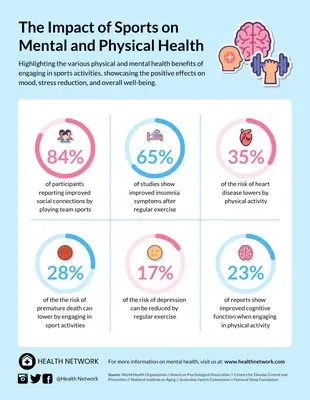
The impact of sports on mental health is a vital topic in today’s society as more individuals seek ways to enhance their well-being through physical activity. Engaging in sports not only improves physical fitness but also provides significant benefits for mental wellness. Research has shown that regular involvement in sports can lead to reduced stress levels, improved moods, and boosted self-esteem, making it essential for holistic health. Additionally, team sports and social interactions foster connections that combat loneliness and isolation, creating a sense of belonging. In this guide, we will delve into the various ways that sports and mental health intertwine, illustrating how exercise contributes not just to physical prowess but also to enhanced emotional stability and resilience.
Examining the relationship between athletic activities and psychological well-being reveals an extensive range of benefits that go beyond mere physical fitness. The holistic approach of utilizing exercise as a therapeutic tool is gaining traction, emphasizing how movement can enhance emotional stability and foster a positive mindset. By participating in organized games or individual workouts, individuals can significantly alleviate anxiety and promote feelings of joy and accomplishment. The involvement in competitive or recreational sports serves not only as a form of exercise but also as a means to build social connections, vital for maintaining mental balance. As we explore further, the advantages of incorporating physical activities into daily routines will become clear, shedding light on how such engagement can enhance overall mental wellness.
The Connection Between Sports and Mental Wellness
Engaging in sports is not merely about physical fitness; it’s also a powerful approach to enhancing mental wellness. Research indicates that individuals who participate in various sports activities experience lower levels of anxiety and stress. Exercise stimulates the production of endorphins, which improve mood and foster a sense of well-being. These feel-good hormones are crucial in aiding people to cope with daily stressors and mental challenges. By incorporating regular physical activity into their routines, individuals can significantly enhance their mental resilience.
Moreover, the psychological benefits extend beyond mere happiness. Studies have shown that consistent involvement in sports can lead to a more grounded and positive self-image. This self-improvement is correlated with setting and achieving personal goals within the context of sports. As individuals track their progress and celebrate achievements, they naturally cultivate more effective coping mechanisms for life’s challenges.
Frequently Asked Questions
What is the impact of sports on mental health?
The impact of sports on mental health is profound, with regular participation leading to reduced stress and anxiety, improved mood, and increased self-esteem. Engaging in sports helps release endorphins, which foster an overall sense of well-being.
How do team sports affect mental health and wellness?
Team sports promote social connections and a sense of belonging, which combat loneliness and isolation. The camaraderie and teamwork involved can significantly enhance mood and foster resilience against mental health challenges.
What are the benefits of sports for psychological well-being?
The benefits of sports for psychological well-being include stress reduction, improved mood, boosted self-esteem, better sleep quality, and the development of coping skills. These factors contribute to overall mental health and wellness.
Can exercise and well-being be linked to mental health improvement?
Yes, exercise and well-being are closely linked, as physical activity through sports improves mood, lowers anxiety, and enhances emotional resilience, making it a valuable tool for mental health improvement.
What role do youth sports play in mental health development?
Youth sports play a critical role in mental health development by teaching children coping skills, enhancing social abilities, and providing a healthy outlet for stress and emotions, fostering resilience from a young age.
How does physical activity through sports help with anxiety?
Physical activity through sports helps alleviate anxiety by triggering the release of endorphins, reducing cortisol levels, and providing an engaging distraction from negative thoughts and feelings.
What strategies can maximize mental wellness through sports?
To maximize mental wellness through sports, find an enjoyable sport, join a community, set realistic goals, prioritize enjoyment, and balance competition with teamwork to enhance overall engagement and satisfaction.
How does sports therapy benefit mental health?
Sports therapy benefits mental health by combining physical activity with traditional therapeutic techniques to improve emotional regulation, motivation, and skill development, thus providing a holistic approach to mental wellness.
What is the relationship between exercise and depression?
The relationship between exercise and depression is positive, as regular participation in sports has been shown to reduce depressive symptoms through social interaction, goal achievement, and the psychological benefits of physical activity.
What can individuals do to use sports for mental health improvement?
Individuals can engage in sports they enjoy, set personal goals, connect with like-minded players, and maintain a focus on fun and community, which collectively contribute to significant mental health improvements.
| Key Benefit | Description |
|---|---|
| Reduction of Stress and Anxiety | Engaging in sports reduces cortisol levels and releases endorphins, promoting relaxation and well-being. |
| Improvement in Mood | Physical activity in sports enhances happiness and lowers depressive symptoms due to social interactions and teamwork. |
| Boost in Self-Esteem and Confidence | Achieving sports goals fosters self-worth and encourages personal growth. |
| Better Sleep Quality | Engaging in sports can lead to improved sleep quality, which is essential for mental health. |
| Social Connections | Team sports create connections with others, combating loneliness and building support networks. |
| Sports as a Therapy Tool | Sports-based therapy combines physical activity with therapeutic techniques to enhance mental health. |
Summary
The impact of sports on mental health and wellness is increasingly recognized as a crucial factor in promoting overall well-being. Engaging in sports can lead to significant reductions in stress and anxiety, improvements in mood, greater self-esteem, and better social connections. Additionally, the incorporation of sports into therapeutic practices provides unique opportunities to tackle mental health challenges holistically. By participating in sports, individuals not only improve their physical health but also build a foundation for a healthier mental state, fostering resilience and social engagement. Ultimately, the journey toward mental well-being through sports is a collective one, encouraging support and camaraderie within communities.

