
Listen to this article
The impact of sports on mental health is a fascinating area that highlights the profound relationship between physical activity and psychological well-being. Engaging in sports not only offers physical benefits but also significantly enhances emotional health, providing numerous advantages such as stress relief, improved self-esteem, and social connections. Research indicates that the benefits of sports are particularly substantial in alleviating symptoms of anxiety and depression, with physical activity releasing endorphins that elevate mood. It’s clear that participation in team sports and regular exercise can act as powerful tools for individuals seeking to improve their mental health. Understanding how sports improve mental health can inspire positive changes in our lives and communities.
Exploring the intersection of physical fitness and emotional wellness offers insights into how engagement in athletic activities can shape our psychological health. The field of sports psychology focuses on understanding the benefits of physical exertion for mental clarity, resilience, and emotional stability. By examining how exercise influences our mood, reduces stress, and fosters social connections, we can appreciate the holistic approach to mental wellness. Participation in organized sports not only contributes to physical agility but cultivates important life skills that support mental health. Delving deeper into the role of exercise in combating feelings of depression, it becomes evident that the structured framework of competitive sports can provide an invaluable support system for individuals.
The Psychological Benefits of Sports Engagement
Engaging in sports provides numerous psychological benefits critical for mental health. Practicing sports regularly leads to an increase in the release of endorphins, which are chemicals in the brain known as natural mood lifters. This boost can effectively reduce feelings of depression and anxiety, creating a positive feedback loop that encourages continued participation in physical activity. Various studies have established a connection between regular physical activity and lower depressive symptoms, highlighting the role of sports in promoting better mental health outcomes.
Moreover, sports engagement fosters self-esteem and confidence by presenting opportunities for goal setting and achievement. As athletes undergo training and work towards their objectives, they experience a sense of accomplishment that significantly enhances their self-worth. This elevated confidence does not remain confined to the sports arena; it can positively influence personal relationships and professional endeavors, laying the groundwork for a fulfilling life beyond just the physical realm.
Reducing Anxiety and Depression through Exercise
The link between exercise and depression is profound, showing that regular participation in sports activities can significantly mitigate symptoms of anxiety and depressive disorders. When individuals engage in physical exercise, their bodies release endorphins, which help alleviate feelings of stress and promote an overall sense of well-being. Research supports this claim, affirming that those who consistently include physical activity in their routines tend to experience lower rates of anxiety and depression.
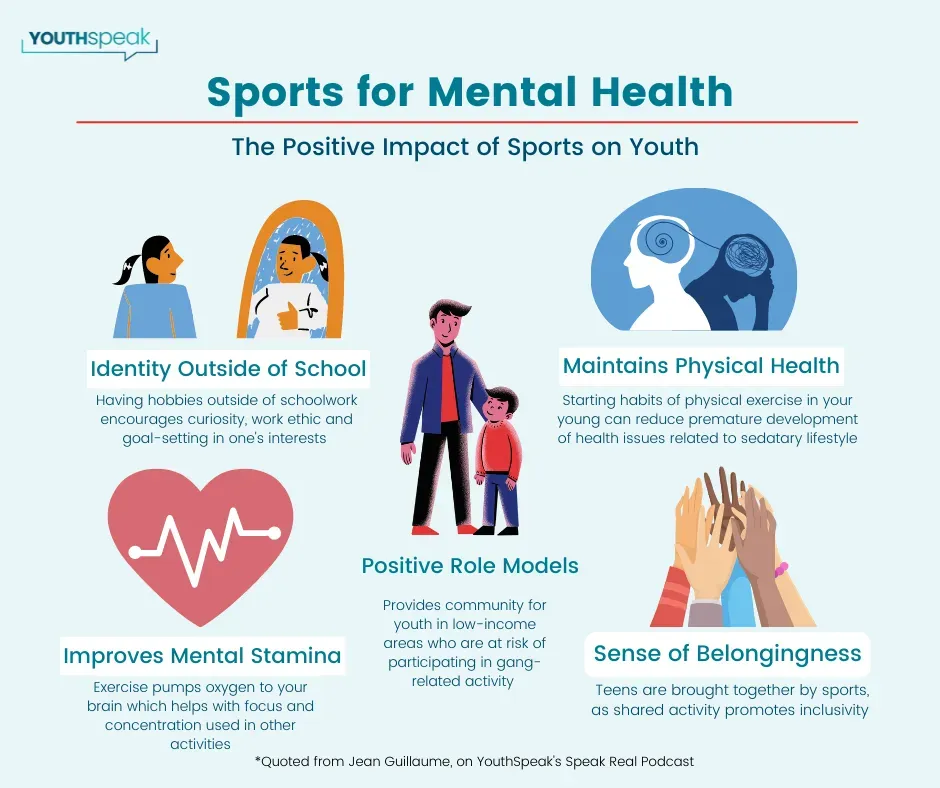
Furthermore, the social aspect of team sports plays a pivotal role in alleviating mental health issues. The camaraderie developed within a team provides a crucial support system, fostering feelings of belonging and acceptance. As players interact and develop friendships, they combat isolation, a common symptom of mental health challenges. The synergy between exercise and socialization thus emerges as a powerful antidote to anxiety and depressive thoughts.
The Cognitive Advantages of Sports Participation
Participation in sports not only benefits emotional health but also significantly enhances cognitive functioning. Physical activity increases blood flow to the brain, improving memory, concentration, and problem-solving skills. Engaging in sports requires strategic thinking and quick decision-making, stimulating the brain and enhancing overall cognitive performance. This cognitive development gained through sports is equally beneficial in academic settings and everyday life.
Additionally, the structured nature of many sports demands focus and discipline, skills that translate well into other areas of study and work. Athletes learn to set goals, overcome challenges, and think critically under pressure, all while engaging their bodies. Thus, the cognitive advantages of sports participation extend beyond the field, leading to improved mental health and performance in various life arenas.
The Social Connections Formed through Sports
One of the often-overlooked dimensions of participating in sports is the social interaction it cultivates. Team sports, in particular, create a rich environment for social connections, leading to friendships that offer emotional support. The communal aspect of sports helps individuals feel less lonely, providing a sense of community that is essential for mental well-being. Especially for those struggling with mental health issues, these social bonds can be a vital source of encouragement and understanding.
Furthermore, team sports encourage mutual support during both successes and setbacks, fostering empathy and cooperation among teammates. As athletes rely on each other for support, they develop essential social skills that can aid in their overall emotional health and resilience. These networks often extend beyond the sports field, creating lasting relationships that enrich participants’ lives and enhance their mental health.
Competitive Sports: Balancing Benefits and Pressures
Competitive sports present a unique blend of advantages and pressures that can impact mental health dramatically. On one hand, the drive to excel can foster resilience, discipline, and a strong work ethic. For many athletes, being part of a team cultivates a sense of belonging, purpose, and intrinsic motivation, which are all crucial for positive mental health outcomes. Engaging in competitive sports can therefore lead to an enhanced sense of empowerment and achievement.
Conversely, the immense pressure to perform can create significant stress, potentially leading to anxiety or even burnout. Athletes may internalize the expectation to win, which can have negative ramifications on their mental health, including the development of depression. Finding a healthy balance between striving for excellence and maintaining enjoyment in the sport is essential. Coaches and parents play a crucial role in ensuring this balance is maintained by fostering a positive environment centered around personal growth rather than just winning.
Structuring Sports Programs for Mental Health Support
Structured sports programs are essential to maximizing the mental health benefits of physical activity. Such programs, particularly in schools and community organizations, should emphasize mental health education for coaches and participants alike. By incorporating training on the signs of mental health distress and promoting open conversations about emotional well-being, these programs can create a supportive environment that nurtures athletes holistically.
Additionally, small shifts in focus from competition to participation can foster a more inclusive atmosphere. Encouraging skill development and enjoyment in sports promotes mental health by reducing anxiety related to performance. Providing regular, constructive feedback also instills confidence in athletes, allowing them to progress healthily in their physical and mental growth. In this way, sports become not only a means of exercise but a vital resource for mental health support.
Advocating for Mental Health in Sports
As awareness of the mental health consequences of sporting participation grows, it is increasingly important to advocate for policies that prioritize mental well-being in sports. Sports organizations and schools must be proactive in establishing programs that educate athletes, coaches, and parents about mental health. Awareness campaigns can encourage conversations around mental health, reduce stigma, and promote supportive practices within sports communities.
Moreover, incorporating mental health resources directly into sports curricula can make an invaluable difference. By providing athletes with tools to manage stress, develop resilience, and seek help when needed, the sporting community can create a nurturing environment that supports both physical and emotional well-being. Advocating for these changes helps ensure that sports remain a positive outlet for youth, promoting healthier lifestyles and mental health.
Taking Action: Join a Sport for Mental Well-Being
To reap the mental health benefits identified in research, individuals are encouraged to engage in sports or physical activities. Finding a sport that resonates emotionally can lead to a more fulfilling experience. Whether it’s joining a local team, participating in community fitness classes, or even trying individual sports, your mental health can significantly improve with dedicated engagement in physical pursuits.
Additionally, participating in sports offers an excellent opportunity for meeting new people and forming social connections that enhance emotional support. These interactions can be vital for mental health, mitigated by the joys and camaraderie of shared physical activity. Ultimately, by embracing sport as a regular part of one’s routine, individuals actively contribute not only to their physical health but also to a stronger, healthier state of mind.
Harnessing the Power of Sports Psychology
Sports psychology has become an integral part of understanding how to optimize performance and maintain mental health in athletes. By exploring concepts such as visualization, relaxation techniques, and maintaining focus, sports psychology can provide athletes with tools to overcome mental barriers. These strategies enable athletes to perform at their best while also supporting their mental health, reducing anxiety, and enhancing overall well-being.
Furthermore, sports psychology can empower athletes to develop a growth mindset, crucial for navigating the ups and downs of competitive environments. When athletes learn to view challenges as opportunities for growth rather than threats, they can manage pressure more effectively. This resilience is not just beneficial in sports; it also translates to everyday life, ameliorating stressors and promoting a balanced mental health approach.
Frequently Asked Questions
What are the mental health benefits of exercise through sports?
Engaging in sports provides numerous mental health benefits, including reduced symptoms of depression and anxiety, enhanced self-esteem, stress relief, improved cognitive function, and increased social connections. Regular physical activity triggers the release of endorphins, which elevate mood and promote overall emotional well-being.
How do sports improve mental health in children and adolescents?
Sports can significantly improve mental health in children and adolescents by promoting self-confidence, providing social interaction, and reducing feelings of isolation. Structured sports programs encourage teamwork, discipline, and goal-setting, fostering a sense of belonging and emotional support among peers.
Can team sports have a positive impact on mental health?
Yes, team sports positively impact mental health by enhancing social connections and providing emotional support. The camaraderie built through team activities helps combat loneliness and isolation, leading to improved mental well-being and resilience among participants.
What role does sports psychology play in mental health?
Sports psychology plays a crucial role in understanding the mental aspects of athlete performance, including motivation, anxiety management, and resilience. By applying psychological principles, athletes can enhance their focus, boost confidence, and develop coping strategies that contribute positively to their mental health.
How do sports and physical activity alleviate symptoms of depression?
Engaging in sports increases physical activity levels, leading to the release of endorphins, which can alleviate depression symptoms. Additionally, regular exercise has been linked to improved mood, reduced stress, and enhanced overall mental health, making sports an effective component of depression management.
What are the long-term mental health benefits of participating in sports?
Long-term participation in sports can lead to enduring mental health benefits such as sustained self-esteem, lower anxiety levels, improved social skills, and a greater ability to cope with stress. Regular engagement in sports cultivates lifelong habits of physical activity that contribute positively to mental well-being.
How can schools structure sports programs to benefit mental health?
Schools can structure sports programs to focus on participation, enjoyment, and skill development rather than competition, which can foster a positive environment. Incorporating mental health education for coaches and providing open communication channels can also enhance the emotional well-being of student-athletes.
What negative impacts can sports competition have on mental health?
While competitive sports can build resilience and purpose, they can also induce performance-related anxiety, stress, and potential burnout if athletes feel pressured to succeed. It’s essential for coaches and parents to balance encouragement with enjoyment to safeguard athletes’ mental health.
How can adults benefit mentally from engaging in sports?
Adults can experience various mental health benefits from engaging in sports, including stress relief, improved mood, and enhanced cognitive function. Regular participation encourages social interaction, which helps combat loneliness and boosts overall psychological well-being.
Why is it important to prioritize mental health training in sports programs?
Prioritizing mental health training in sports programs is crucial to create supportive environments that recognize athletes’ emotional needs. Educating coaches about mental health promotes early identification of struggles and fosters open discussions, ultimately enhancing athletes’ overall mental health and performance.
| Key Points | Details |
|---|---|
| Psychological Benefits | Regular sports participation reduces symptoms of depression and anxiety, boosts self-esteem, provides stress relief, enhances cognitive function, and fosters social connections. |
| Reduced Symptoms of Depression and Anxiety | Endorphin release from exercise lowers depressive symptoms as supported by research. |
| Enhanced Self-Esteem and Confidence | Achieving goals in sports builds self-worth and positively impacts other life areas. |
| Stress Relief | Participation in sports diverts attention from everyday stressors, aided by social support. |
| Improved Cognitive Function | Sports training enhances memory, attention, and problem-solving through increased blood flow. |
| Social Connections and Support | Sports cultivate friendships and emotional support networks that alleviate loneliness. |
| Role of Competitive Sports | While fostering motivation and resilience, competitive pressure can also lead to anxiety. |
| Structured Programs Importance | Programs emphasizing participation, providing mental health training, and offering support improve mental health outcomes. |
Summary
The impact of sports on mental health is profound and multifaceted, significantly influencing individuals’ psychological well-being. Engaging in sports has been shown to reduce anxiety and depression, enhance self-esteem, relieve stress, improve cognitive functions, and foster social connections. Whether through structured community programs or individual participation, sports provide a powerful avenue for promoting mental health. It’s vital for stakeholders in sports to create environments that focus on mental well-being, thereby maximizing the benefits that physical activity offers to our minds. As we explore this relationship further, it becomes evident that advocacy for mental health within sporting contexts is crucial, paving the way for a healthier society.

