
Listen to this article
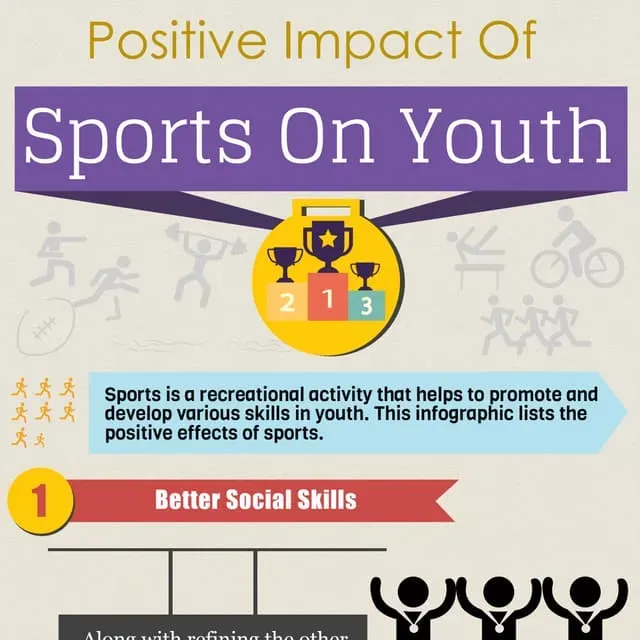
The impact of sport on youth development is profound and transformative, shaping young individuals into well-rounded and resilient members of society. Participation in youth sports goes beyond physical fitness; it serves as a critical arena for character building through competition, instilling values like teamwork, leadership, and discipline. As children engage in athletic activities, they not only improve their physical abilities but also cultivate essential life skills that help them navigate life’s challenges. The benefits of youth athletics extend into emotional and social realms, fostering a sense of community and belonging among peers. By recognizing and promoting the impact of sport on youth development, we can better support our young athletes in their journey toward becoming successful adults.
Exploring the influence of athletic endeavors on the growth of youngsters reveals numerous advantages beyond physical conditioning. Youth engagement in sports activities is vital for personal and social development, offering young people unique opportunities for learning vital skills such as cooperation and leadership through their competitive experiences. The essence of character building through competition in sports environments teaches children resilience in the face of challenges, nurturing their capabilities to deal with victories and defeats alike. Moreover, the role of teamwork in youth sports strengthens interpersonal connections, providing essential foundations for effective communication. Ultimately, understanding the broader implications of sports on youth development highlights the significance of encouraging participation in athletic programs.
Understanding Youth Sports: More Than Just Games
Youth sports encompass a variety of physical activities designed for children and adolescents. These programs provide opportunities not only for physical exercise but also for personal growth and skill development. Young athletes engage in structured activities where they learn the fundamentals of sports while fostering lifelong habits of fitness and health. More importantly, youth sports serve as a cornerstone for teaching valuable life lessons that carry into adulthood.
Moreover, participation in youth sports has been shown to contribute positively to mental health by reducing stress, increasing self-esteem, and cultivating a sense of belonging. As children engage in athletic activities, they often forge friendships and acquire social skills that serve as building blocks for their future. In essence, youth sports are an invaluable aspect of youth development, fostering a sense of community and purpose among participants.
The Essential Life Skills Gained Through Sports Participation
One of the most significant benefits of engaging in sports is the acquisition of critical life skills. Young athletes learn about commitment and accountability, understanding that regular practice and dedication are essential for personal success. This commitment not only enhances their athletic prowess but also instills a sense of responsibility that can be applied in academic and personal endeavors.
Additionally, skills such as resilience and discipline are cultivated through sports participation. Overcoming challenges and learning to cope with disappointment are vital lessons for young people. As athletes confront the highs and lows of competition, they develop a mental toughness that prepares them for real-world challenges, reinforcing the idea that persistence and hard work lead to improvement and achievement.
Building Character Through Competition: A Crucial Element
The emphasis on competition in youth sports plays a pivotal role in character development. Engaging in competitive scenarios teaches young athletes the importance of fair play, integrity, and respect for opponents. These experiences foster an understanding of the value of both winning and losing, as they learn to celebrate victories while handling defeats gracefully. Such character traits are essential for healthy sportsmanship and carry over into adulthood.
Furthermore, the lessons learned through competition are not limited to the playing field. Young athletes gain insights into their abilities, how to set personal goals, and the determination needed to reach those goals. The competitive environment pushes them to explore their limits, ultimately shaping resilient individuals who are prepared to face various obstacles in life.
The Importance of Teamwork in Youth Sports
Team sports inherently emphasize the value of teamwork and collaboration. Young athletes must learn how to work together harmoniously to achieve a common goal, which builds strong interpersonal relationships. This experience cultivates not only a sense of unity but also teaches the significance of each member’s contribution towards the team’s success.
Additionally, engaging with peers in a team setting allows youth to develop essential social skills. Through shared experiences, athletes learn to communicate effectively, resolve conflicts amicably, and support one another, skills that are vital both on and off the field. Overall, teamwork in youth sports prepares individuals to function effectively in diverse group environments throughout their lives.
Leadership Development Through Sports Engagement
Sports offer ample opportunities for young athletes to assume leadership roles, whether as team captains or through setting an example in practice. These experiences cultivate leadership qualities such as motivation, decision-making, and the ability to inspire others. Young individuals who step into leadership positions can enhance their confidence and develop a keen understanding of group dynamics.
Furthermore, engaging in competitive sports aids in honing quick decision-making skills. Athletes learn to assess situations rapidly and act in the best interest of both their own performance and their teammates’. Such experiences contribute to the development of strategic thinking, which is crucial in academic contexts and future career paths.
Enhancing Communication Skills Through Sports
Effective communication is essential in sports, as it directly impacts team performance. Young athletes learn to articulate their thoughts, strategies, and feedback, fostering an environment of open dialogue and trust. This skillset goes beyond the sports context, equipping individuals with the ability to communicate constructively in academic and professional settings.
Moreover, learning to communicate under pressure, such as during competition, builds resilience and adaptability. Athletes must convey critical information succinctly amidst the chaos of the game, which strengthens their ability to navigate through challenging situations effectively. This adaptability in communication prepares young people for diverse interactions in their future endeavors.
Social Benefits of Youth Sports Participation
Engaging in sports offers significant social benefits for young participants. As they join teams, they naturally form friendships and networks that provide emotional support and camaraderie. These social interactions are critical for the emotional and social development of young people, helping them learn the art of friendship and mutual respect.
Moreover, youth sports cultivate an inclusive environment where diversity is celebrated. Teams often comprise individuals from various backgrounds, fostering an appreciation for different perspectives. This inclusivity reinforces the importance of empathy and understanding, essential traits for building relationships in today’s interconnected world.
Instilling Values of Fair Play and Sportsmanship
Fair play and sportsmanship are key values instilled through youth sports, shaping young athletes’ moral compass. Engaging in competition teaches them to respect the rules, their opponents, and the game itself. These values become ingrained, influencing their behavior in various aspects of life.
Additionally, experiences of both winning and losing provide essential lessons in humility and self-reflection. Athletes learn to balance their pride in victory with the grace of defeat, strengthening their character. Such attitudes are invaluable as they navigate adult relationships and responsibilities, emphasizing the importance of integrity in all pursuits.
The Role of Parents in Supporting Youth Sports Participation
Parents play an essential role in fostering their children’s participation in sports. By encouraging and supporting their engagements, parents help cultivate a love for physical activity and teamwork. This involvement not only motivates young athletes but also helps strengthen family bonds as they share in the excitement of their children’s achievements.
Moreover, parental support can significantly influence a child’s self-esteem and confidence. When parents actively participate in their child’s sporting journey, from attending games to discussing their experiences, it sends a powerful message. This encouragement empowers youth to pursue their interests and strive for their goals, building a foundation for future success.
Investing in Youth Sports Programs for Future Generations
Communities must prioritize investment in youth sports programs to ensure that all children have access to these transformative experiences. By providing resources and funding, local organizations can create inclusive environments that welcome participants from varying backgrounds. Such initiatives play a vital role in promoting physical health and cultivating essential life skills among youth.
Additionally, investing in youth sports programs yields long-term societal benefits. As children grow into adults with strong character, leadership abilities, and effective communication skills, they become valuable contributors to their communities. This ripple effect underscores the importance of supporting youth sports, not just for individual athletes, but for the broader community as a whole.
Frequently Asked Questions
What is the impact of sport on youth development?
The impact of sport on youth development is profound, as it fosters essential life skills such as resilience, teamwork, leadership, and discipline. Sports provide young individuals with opportunities to face challenges and learn from competition, helping them build character and confidence.
How can youth sports promote character building through competition?
Youth sports promote character building through competition by teaching young athletes the values of fair play, sportsmanship, and respect. Facing opponents helps them understand both victory and defeat, which are critical experiences for developing resilience and a positive mindset.
What are the benefits of youth athletics for personal growth?
The benefits of youth athletics for personal growth include improved physical health, increased self-esteem, enhanced social skills, and the development of discipline. Young athletes learn to balance their commitments, which contributes to their overall character development and prepares them for future challenges.
How do sports and leadership skills intersect in youth development?
Sports and leadership skills intersect in youth development by providing young athletes with opportunities to lead their teams, make decisions, and motivate peers. These experiences cultivate leadership qualities that are beneficial in academic and career settings.
What role does teamwork play in youth sports and development?
Teamwork plays a critical role in youth sports and development by fostering cooperation and collaboration among young athletes. Working towards a common goal enhances communication skills and builds a sense of community, essential for thriving in both personal and professional environments.
What social benefits do youth gain from participating in sports?
Participating in sports offers significant social benefits for youth, including the development of friendships, support networks, and improved social skills. Team environments encourage communication and empathy, which are vital for emotional growth and inclusivity.
How does participation in youth sports build resilience in young athletes?
Participation in youth sports builds resilience by challenging young athletes to cope with setbacks, such as losing games or failing to achieve personal goals. Learning to recover from these failures fosters a strong belief in their abilities and encourages perseverance.
In what ways do youth sports enhance communication skills?
Youth sports enhance communication skills by requiring athletes to express strategies, support teammates, and engage in discussions during competitions. These interactions help develop effective communication, which is essential for successful relationships in all areas of life.
Can you explain the importance of discipline in youth sports?
Discipline in youth sports is important as it teaches young athletes to commit to regular practice, balance their time, and remain dedicated to their goals. This discipline helps them cultivate responsibility and strong work ethics, which positively influence other aspects of their lives.
How do youth sports foster a culture of inclusivity?
Youth sports foster a culture of inclusivity by encouraging participation from individuals of all skill levels. This environment promotes diversity and camaraderie, helping young athletes appreciate differences and develop values of respect and acceptance essential for their future.
| Key Points | Description |
|---|---|
| Building Character Through Competition | Sports teach resilience, discipline, fair play, and sportsmanship through competition. |
| Enhancing Teamwork and Communication Skills | Team sports promote collaboration, improve interpersonal relationships, and enhance communication skills. |
| Leadership Development | Participation in sports cultivates leadership qualities and enhances decision-making skills. |
| Social Benefits of Youth Sports | Sports foster social connections, empathy, and inclusivity among young people. |
Summary
The impact of sport on youth development is profound and multifaceted. Through engaging in sports, young individuals not only enhance their physical fitness but also cultivate essential life skills that shape their character and help them navigate societal challenges. In competitive settings, youth learn valuable lessons about resilience and discipline, which are crucial for personal growth. Additionally, participation in team sports promotes collaboration and communication, instilling teamwork and leadership qualities that are vital in both academic and future professional environments. Encouraging youth participation in sports cultivates well-rounded individuals who are more equipped to contribute positively to society. Therefore, fostering a supportive environment for youth athletics is a crucial investment in the future leaders of our communities.

