
Listen to this article
The impact of remote work has reshaped the landscape of traditional business operations, particularly in the wake of the COVID-19 pandemic. As countless organizations shifted to remote work models, understanding this transformation became essential for maintaining productivity and efficiency. Employees have experienced newfound flexibility, enabling them to balance work-life commitments better than before. However, while the remote workforce demonstrates notable remote work benefits, it also presents distinct remote work challenges that businesses must navigate. As we delve into this evolving topic, we will assess how these changes influence not only operational strategies but also team dynamics and employee satisfaction.
In recent years, the rise of telecommuting has transformed how organizations function in the modern era. Known as flexible working arrangements, these setups allow employees to perform their tasks from various locations, blending personal and professional life seamlessly. This shift towards distributed teams opens up opportunities for businesses to optimize their operations while tapping into a global workforce. However, despite the advantages these arrangements bring, they also introduce complexities in maintaining effective communication and nurturing a cohesive corporate culture. As we explore this shift, it will be interesting to see how companies adapt their strategies to thrive amidst this evolving employment landscape.
Understanding the Benefits of Remote Work
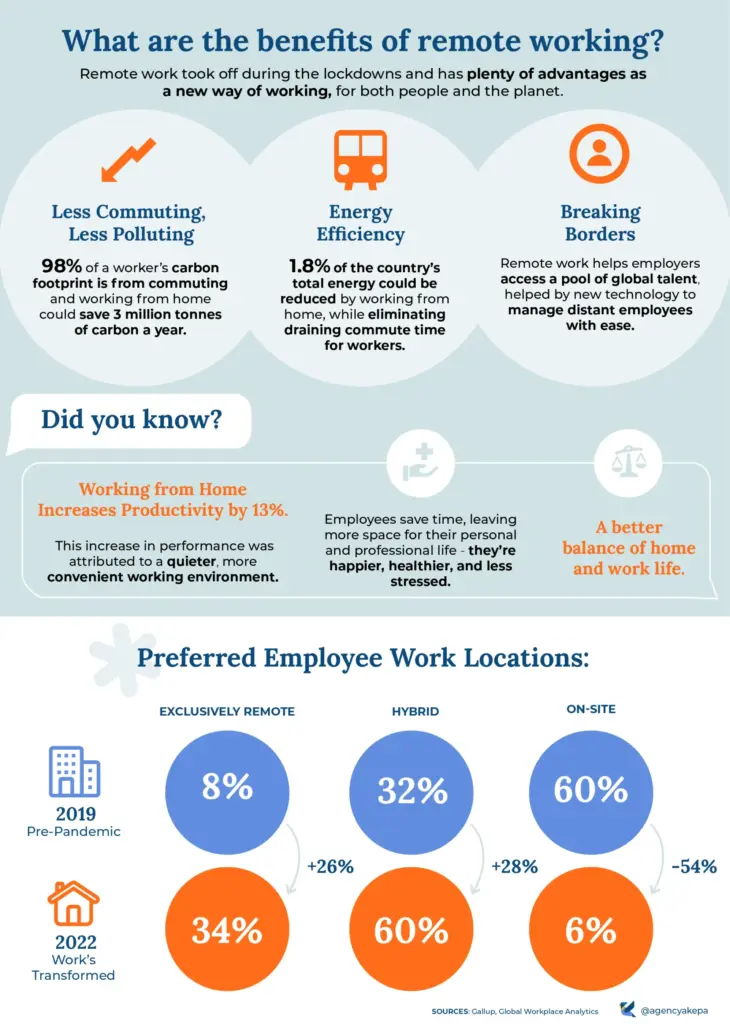
Remote work presents several advantages that can greatly enhance employee performance and overall business efficiency. One of the most significant benefits is flexibility. Employees have the autonomy to manage their schedules, which allows them to align their work hours with personal commitments. This flexibility contributes to an improved work-life balance, resulting in greater job satisfaction, lower stress levels, and a potential reduction in employee turnover rates. Businesses that cultivate this environment often see increased loyalty from their remote workforce, ultimately enhancing their operational resilience.
Additionally, remote work can lead to substantial cost savings for companies. With fewer employees in physical office spaces, organizations can cut down on expenses such as rent, utilities, and office supplies. These savings can be redirected towards employee development initiatives or business growth projects, fostering innovation. Companies that embrace remote work not only benefit financially but also create a more sustainable business model that thrives on innovation and adaptability.
Productivity in Remote Work: The New Paradigm
When discussing productivity in remote work, it’s crucial to understand that the outcomes can vary widely across different industries and tasks. Some studies indicate that remote workers exhibit higher productivity levels compared to their office-bound peers, with remote work environments often free of traditional office distractions. This enhanced focus can lead to improved work quality and efficiency, allowing employees to complete tasks in a timely manner. Businesses that leverage these productivity gains can achieve more significant output without increasing overhead costs.
However, it’s essential to recognize that remote work also poses challenges for maintaining productivity. Managers may struggle to monitor performance effectively without face-to-face interactions. This lack of direct oversight can create uncertainties regarding accountability, potentially affecting employee morale and motivation. To combat this, companies should consider incorporating performance metrics and regular check-ins, fostering a culture of trust and transparency that encourages employees to take initiative and pride in their contributions.
Challenges of Remote Work: Navigating Communication Barriers
While remote work offers numerous benefits, it also brings significant challenges, particularly in communication. In traditional office settings, informal interactions can lead to spontaneous idea generation and collaboration, whereas remote work often relies on structured digital communication. This reliance can result in misunderstandings, delayed responses, and a sense of isolation among team members. For businesses to overcome these hurdles, it is vital to invest in effective communication tools and establish clear guidelines to facilitate better interactions.
Moreover, fostering an open environment where employees feel comfortable sharing their thoughts and concerns is critical. Businesses should encourage regular virtual meetings and brainstorming sessions to promote a sense of unity and collaboration among their remote teams. By addressing communication barriers proactively, companies can ensure their remote workforce remains engaged and connected, mitigating feelings of disconnection that can arise in virtual settings.
Remote Workforce Management: Strategies for Success
Managing a remote workforce requires a different approach compared to traditional management methods. Managers must adopt new strategies to ensure that teams remain cohesive and productive while working from disparate locations. One crucial strategy involves setting clear expectations and performance goals. When employees understand what is expected of them and how their work contributes to the larger organizational objectives, they are more likely to stay motivated and aligned with the company’s mission.
Additionally, regular feedback is vital in a remote setting. Frequent check-ins not only help managers stay updated on employee progress but also provide opportunities for professional development. Companies that prioritize employee growth through constructive feedback and support create a culture of continuous improvement, leading to higher employee satisfaction and retention rates within their remote workforce.
Reimagining Company Culture in a Remote Work Environment
Company culture is essential for driving employee engagement and satisfaction. However, remote work poses challenges to maintaining a strong organizational culture due to the lack of physical presence. To combat this, organizations must implement intentional strategies to cultivate a positive culture that fosters connection and collaboration among remote employees. This can include virtual team-building activities, recognition programs, and opportunities for employees to share successes and challenges.
Furthermore, emphasizing core values and mission within digital communications can help reinforce a sense of belonging among remote workers. Businesses can encourage team members to participate in discussions around these values, thereby creating a shared sense of purpose. By actively promoting a strong company culture, organizations can mitigate the isolation often felt in remote settings, ensuring that employees remain engaged and committed to their roles.
The Role of Technology in Enhancing Remote Work Productivity
Technology plays a critical role in enabling remote work and enhancing productivity. Collaboration tools like Zoom and Slack facilitate real-time communication, enabling teams to work together effectively regardless of location. These platforms not only support daily interactions but also provide spaces for brainstorming and project updates, ensuring that everyone stays on the same page. Companies that leverage these technological advancements can significantly improve their business operations, allowing for smoother workflows and increased efficiency.
Additionally, project management software such as Trello and Asana allows teams to organize tasks, set priorities, and monitor progress in a centralized manner. This transparency boosts accountability and reduces the potential for miscommunication. By integrating these technology solutions into their operations, businesses can maintain high productivity levels even in a remote work setting, ensuring that teams remain agile and responsive to changing demands.
Frequently Asked Questions
What are the primary benefits of remote work for business operations?
The benefits of remote work for business operations include increased flexibility and work-life balance, significant cost savings, and access to a wider talent pool. This flexibility allows employees to work according to their schedules, enhancing job satisfaction and productivity. Moreover, businesses can reduce overhead costs, allowing them to reinvest savings into growth initiatives.
How does remote work improve productivity in business operations?
Remote work has been shown to improve productivity in business operations, with studies indicating that remote workers may be up to 13% more productive than their office-bound counterparts. This increase can be attributed to fewer distractions, a more comfortable work environment, and the ability to customize their work schedules.
What challenges do businesses face with remote work?
While remote work offers numerous advantages, it also presents challenges including communication barriers and difficulties in maintaining company culture. Companies may struggle with misunderstandings due to reliance on digital communication and find it challenging to foster a sense of belonging among remote employees.
How can technology enhance remote work capabilities in business operations?
Technology plays a crucial role in enhancing remote work capabilities within business operations. Tools such as Slack and Zoom facilitate communication and collaboration among remote teams, while project management software like Asana and Trello helps streamline task assignments and progress tracking, ensuring productivity is maintained.
What impact does remote work have on company culture?
The impact of remote work on company culture can be significant, potentially leading to feelings of isolation among employees. To mitigate this effect, organizations should actively promote engagement and connection through virtual team-building activities and regular check-ins to reinforce company values and mission.
How should businesses monitor productivity in a remote work environment?
To effectively monitor productivity in a remote work environment, businesses should focus on establishing clear goals and expectations instead of relying solely on direct supervision. Implementing regular performance reviews and utilizing productivity tracking tools can help managers assess employee output and foster accountability.
Why is prioritizing mental health important in a remote workforce?
Prioritizing mental health is essential in a remote workforce as employees may experience feelings of loneliness and stress due to isolation. Businesses can support their remote workforce by offering wellness programs, mental health resources, and fostering a culture of openness, which can lead to improved morale and productivity.
| Key Point | Details |
|---|---|
| The Shift to Remote Work | Remote work’s acceptance increased due to the pandemic, forcing businesses to adapt. |
| Advantages of Remote Work | Flexibility, cost savings, and access to a wider talent pool. |
| Challenges of Remote Work | Communication barriers, risks to company culture, and monitoring productivity. |
| Role of Technology | Tools like Slack, Zoom, and project management software support remote work. |
| Reimagining Business Operations | Invest in training, cultivate a trust-based culture, and prioritize mental health. |
Summary
The impact of remote work has reshaped the landscape of business operations significantly. In our discussion, we explored the dual nature of remote work, highlighting that while it enhances flexibility, it simultaneously poses challenges in communication and company culture. Thus, making the most of remote work requires a strategic balance between leveraging technological tools and fostering an inclusive, well-connected corporate environment.

