
Listen to this article
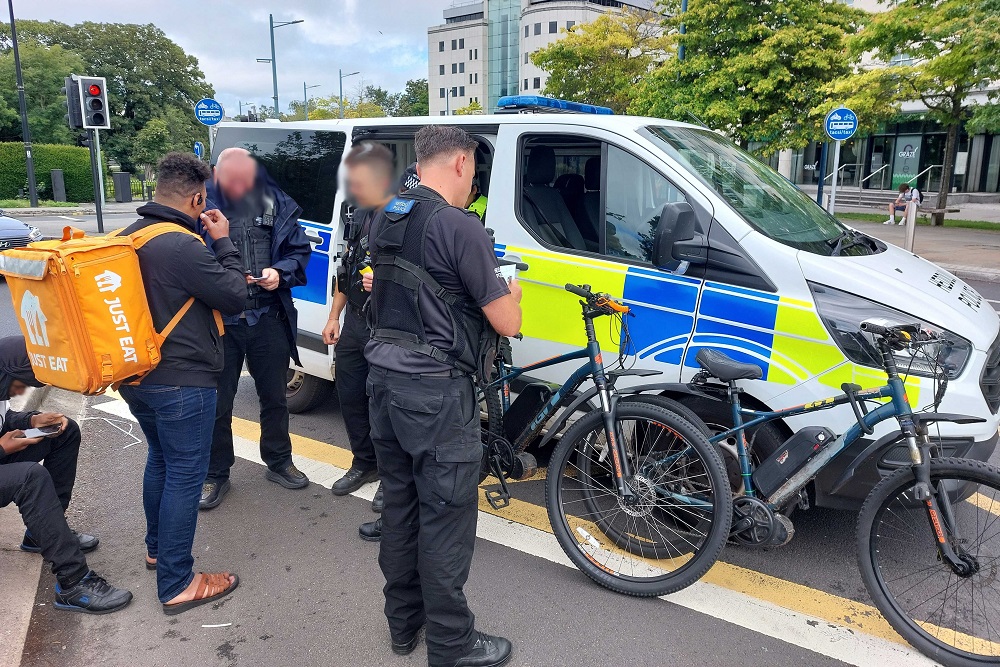
Illegal e-bikes are becoming a significant concern in London, where police recently confiscated seven of these hazardous vehicles alongside three e-scooters. Collaborating closely with Hounslow Council, law enforcement aims to remove unsafe electric vehicles from the streets, as many illegal models exceed the legal speed limit of 15.5 mph, with one reported to reach a shocking 60 mph. This alarming trend highlights the urgent need for better electric bike safety measures and stricter compliance with London transport laws. The Metropolitan Police’s ongoing enforcement actions are vital to ensure that all e-scooter regulations are adhered to, protecting both riders and pedestrians. As the problem escalates, the community calls for action to combat these dangerous illegal e-bikes and prioritize public safety.
The rise of unauthorized electric bicycles, often referred to as illicit e-bikes, presents a pressing issue in urban areas, particularly in the capital. These vehicles, which frequently violate safety regulations, can be alarmingly fast and have led to increasing calls for stricter legislation. In response, local authorities, including Hounslow Council, are working tirelessly alongside the police to monitor and regulate such unsafe electric vehicles. The collaborative efforts aim to reform electric bike safety protocols and enforce compliance with the current e-scooter regulations established by London transport authorities. As communities strive to create safer streets, understanding the implications of these unregulated vehicles on public safety is more crucial than ever.
The Growing Concern of Illegal E-Bikes in London
The rise of illegal e-bikes has become a pressing security concern for urban areas like London, where unregulated electric vehicles pose potentially dangerous situations for both riders and pedestrians. The recent confiscation of seven illegal e-bikes and three e-scooters by the Metropolitan Police highlights the urgent need for stricter regulations. Many of these vehicles are modified to reach excessive speeds, greatly exceeding the legal limit of 15.5 mph, making them unsafe for public roads.
Law enforcement, in collaboration with local councils such as Hounslow, is taking immediate action to address this issue. Councillor Katherine Dunne aptly states that illegal e-bikes endanger lives, emphasizing the need for compliance with electric bike safety standards. With increasing incidents of reckless riding and accidents, it is crucial for riders to understand the importance of adhering to London transport laws to ensure the safety of everyone.
E-Scooter Regulations: Navigating the Legal Landscape
E-scooter regulations have become an essential part of London’s transport framework, particularly as the popularity of electric vehicles grows. The provision of electric scooters on public roads is subject to strict guidelines to manage safety and environmental concerns. Recent actions, including the confiscation of unsafe e-scooters, reflect the culmination of efforts by Hounslow Council and the Metropolitan Police to maintain safe public spaces.
Compliance with e-scooter regulations is vital to ensure that electric-powered vehicles do not become another avenue for unsafe transportation in busy urban settings. The enforcement of these regulations not only protects riders from potential harm but also mitigates risks to pedestrians. As the government develops new legislation, the emphasis will likely increase on the proper use of responsibly designed, safe electric vehicles that align with the vision of a well-regulated urban transport system.
Illegal E-Bike Operations and Their Impact on Public Safety in Hounslow
Illegal E-Bikes: A Threat to Safety?
Illegal e-bikes equipped with high-powered motors present significant threats to public safety, often leading to severe accidents and injuries. These bikes, many of which are designed without safety precautions, can accelerate to speeds that endanger both the riders and others on the road. The recent actions of the police in Hounslow to confiscate these illegal vehicles highlight the city’s commitment to tackling this pervasive issue.
The message from law enforcement and local authorities is clear: ridership must be safe and compliant with existing transport laws. The dangers posed by unregulated e-bikes cannot be overstated. As Councillor Dunne noted, these vehicles often operate outside of legal parameters, emphasizing the need for riders to be educated about the laws surrounding their use and the significant risks involved with riding illegally modified electric bikes.
Collaborative Efforts Between Council and Police
The partnership between Hounslow Council and the Metropolitan Police is pivotal in ensuring that illegal e-bikes do not trouble the streets of London. The recent spot checks conducted by authorities reveal a proactive approach to identifying and confiscating unsafe electric vehicles. Together, they aim to diminish the presence of illegal e-bikes, significantly enhancing safety for all road users.
This collaboration underscores the local governance’s commitment to public safety and responsible transportation. The push for new legislation and enhanced powers is a crucial step toward formulating comprehensive strategies against illegal modifications and unregulated electric vehicles. Such consolidated efforts strengthen the community against unsafe practices while promoting the proper use of legal electric bikes that meet safety standards.
Future Legislation on Electric Bikes and E-Scooters
With the increasing prevalence of illegal e-bikes and e-scooters, there is a compelling need for enhanced legislation on electric vehicles within London. Local councils are calling for urgent government action to develop new regulatory frameworks that ensure public safety on the roads. Addressing the issues surrounding unsafe electric vehicles is essential in delivering a transportation system that prioritizes wellbeing over accessibility.
This proposed legislation could introduce stricter requirements for electric bikes and scooters, ensuring all vehicles comply with safety standards regarding speed and motor capacity. Additionally, it is essential that the government supports councils like Hounslow in their crackdown efforts, reinforcing the enforcement of existing laws to safeguard the community against the dangers of illegal e-bikes and enhance overall electric bike safety.
Understanding Electric Bike Safety Standards
Electric bike safety standards have become increasingly significant in discussions surrounding urban transportation. Legal requirements dictate that e-bikes must not exceed certain power outputs and speed limits, which aim to protect users and pedestrians alike. The recent confiscation of high-speed e-bikes serves as a stark reminder of the importance of complying with these safety regulations.
Riders must educate themselves on the specifications outlined by local transport authorities to ensure compliance. Failure to adhere not only endangers the individual but also undermines the safety of the community. Advocating for electric bike safety standards through community engagement and education is critical to reducing incidents related to illegal e-bikes—ensuring the streets remain accessible and safe for everyone.
Hounslow’s Stand Against Unsafe Electric Vehicles
Hounslow’s proactive stance against unsafe electric vehicles highlights its commitment to ensuring the safety of its residents. With local authorities taking measurable actions against illegal e-bikes and e-scooters, the importance of this initiative cannot be understated. By removing dangerous vehicles from the streets, they’re contributing to a broader movement aimed at enhancing public safety in urban settings.
As Councillor Katherine Dunne indicated in press statements, the cooperation between the council and the police reflects a unified approach to combatting the growing risks posed by unregulated electric bikes. Continuous engagement with the community will be essential in fostering awareness about the hazards associated with illegal practices and the necessity for lawful compliance in electric bike operations.
Community Awareness and Responsible Riding
Community awareness is vital in addressing the challenges posed by illegal e-bikes and ensuring safe riding practices. Educational initiatives led by local councils can empower riders to make informed decisions regarding the use of electric vehicles. Encouraging responsible riding and adherence to electric bike safety guidelines can significantly help mitigate risks associated with high-powered, unregulated bikes.
Building a culture of safety within the community is paramount. Through workshops, informational brochures, and public awareness campaigns, residents can be better equipped to understand their responsibilities while riding e-bikes. Promoting a sense of accountability among riders contributes to a safer environment, where both riders and pedestrians can coexist harmoniously within busy urban landscapes.
The Role of Transport for London in Regulating Electric Vehicles
Transport for London (TfL) has a crucial role in managing the regulations surrounding electric vehicles in the city. Their recent decisions to prohibit all electric-powered bikes and scooters from services due to fire hazards reveal the increasing concern regarding safety. Ensuring that only compliant and safe electric vehicles operate within London is part of their broader goal to facilitate secure transport systems for all.
Collaboration with local councils is integral to TfL’s strategy in enforcing these regulations effectively. As they navigate the complexities of integrating electric bikes and e-scooters into existing transport laws, engaging with the community remains key to addressing public concerns. By prioritizing safety through comprehensive regulations and collaborative efforts, TfL can play an instrumental role in shaping the future landscape of urban mobility.
Frequently Asked Questions
What constitutes an illegal e-bike under London transport laws?
Under London transport laws, an illegal e-bike is defined as any electric bike that exceeds the legal speed limit of 15.5mph or is equipped with an unregulated motor. These bikes can pose significant risks to public safety, leading to increased scrutiny and enforcement actions by authorities such as the Metropolitan Police and Hounslow Council.
How does Hounslow Council address the issue of illegal e-bikes?
Hounslow Council actively collaborates with the Metropolitan Police to conduct spot checks and crackdowns on illegal e-bikes and unsafe electric vehicles. Their joint operations aim to remove these dangerous vehicles from the streets to ensure public safety and uphold electric bike safety regulations.
What are the dangers associated with illegal e-bikes?
Illegal e-bikes, especially those with powerful motors or capable of exceeding safe speed limits, pose dangers not only to riders but also to pedestrians and other road users. The lack of regulation and oversight increases the likelihood of accidents, prompting authorities to promote strict adherence to e-scooter regulations and the use of compliant electric bikes for safer travel.
Why did Transport for London ban electric-powered bikes and scooters?
Transport for London banned electric-powered bikes and scooters from its services mainly due to concerns over fire hazards and public safety. The prevalence of illegal e-bikes with unsafe batteries and high-performance capabilities significantly contributed to this decision, emphasizing the need for stricter regulations on e-bike usage throughout the city.
What should riders do to ensure their e-bikes are legal and safe?
Riders should ensure their e-bikes comply with legal standards, such as not exceeding the maximum speed of 15.5mph and having regulated motor power. It is also crucial to keep up with updates from local councils like Hounslow Council regarding electric bike safety measures and ensure that all components, especially batteries, meet safety regulations.
What actions can local councils take against illegal e-bikes and unsafe electric vehicles?
Local councils, such as Hounslow Council, can implement stricter enforcement measures, conduct regular inspections, and collaborate with police forces to remove illegal e-bikes from the streets. They can also advocate for new legislation to strengthen regulations surrounding electric bikes and promote safer community practices.
What are the repercussions for riding an illegal e-bike?
Riding an illegal e-bike can result in confiscation of the vehicle by police, fines, and potentially legal action depending on the severity of the violation. Authorities, including the Metropolitan Police and Hounslow Council, are increasingly vigilant in enforcing laws to ensure compliance and public safety.
| Key Point | Details |
|---|---|
| Confiscation of Illegal E-bikes | Police confiscated seven illegal e-bikes and three e-scooters in West London. |
| Legal Speed Limits | One illegal e-bike could reach speeds over 60mph, significantly exceeding the legal limit of 15.5mph. |
| Public Safety Concerns | Many seized bikes had powerful motors, posing risks to riders and the public. |
| Transport for London Response | Transport for London banned all electric bikes and scooters from its services due to fire hazards. |
| Partnership with Authorities | Metropolitan Police and Hounslow Council conducted spot checks in areas like Chiswick High Road. |
| Call for Legislative Action | Local councils urged the government to create new laws addressing illegal e-bikes and unsafe batteries. |
| Statements from Officials | Councillors and police emphasize collaborative efforts to ensure public safety. |
Summary
Illegal e-bikes pose a significant threat to public safety, as evidenced by the recent confiscation of seven illegal e-bikes and three e-scooters in West London. The collaboration between the police and local councils highlights the urgency of addressing this growing problem. With unregulated e-bikes reaching dangerous speeds and equipped with risky motors, it is essential to enforce existing laws and introduce new legislation to protect both riders and the community.