Listen to this article
ICE deployment at the Winter Olympics is set to play a crucial role in bolstering security efforts for the upcoming games in Italy, which commence on February 6. The U.S. immigration agency, known for its controversial actions, will provide support during this prominent international event, aiming to address potential risks from transnational criminal organizations. The involvement of ICE agents has sparked debate and concern among Italian officials, especially following recent events, including two fatal shootings involving the agency in Minnesota. While U.S. representatives assure that all operations will remain under Italian authority, local sentiment has questioned the presence of U.S. agents in light of heightened security and political tensions. As the countdown to the Winter Olympics begins, the spotlight on U.S.-Italy relations and Winter Olympics security intensifies, with many wondering how this deployment will affect both the games and the involved nations’ partnership.
The presence of U.S. immigration enforcement at the Winter Olympics signifies an interesting overlap of international collaboration and security measures, especially in a country like Italy. As the games approach, the deployment of ICE agents to assist with safety operations raises key discussions around diplomatic security and the implications for U.S.-Italy cooperation in law enforcement. While Italian authorities stress their control over security protocols, the involvement of American federal agents has drawn parallels to recent law enforcement controversies, such as the Minnesota shootings, and concerns about public order. This intersection of American agency participation within Italy poses questions not only about safety during the festivities but also about the broader impact on bilateral relations. Observers are keen to see how this situation develops and affects local sentiments towards U.S. interventions on foreign soil.
ICE Deployment at Winter Olympics: A Response to Security Concerns
As the Winter Olympics approach, the decision by the U.S. immigration agency, specifically Immigration and Customs Enforcement (ICE), to deploy agents to Italy has stirred considerable concern and controversy. The Winter Olympics, beginning on February 6, serves as a significant platform not only for athletic prowess but also for international security collaboration. ICE’s involvement, intended to bolster U.S. security operations, comes in the wake of heightened scrutiny from both American and Italian governments amidst rising concerns about transnational criminal activities that could impact the Games.
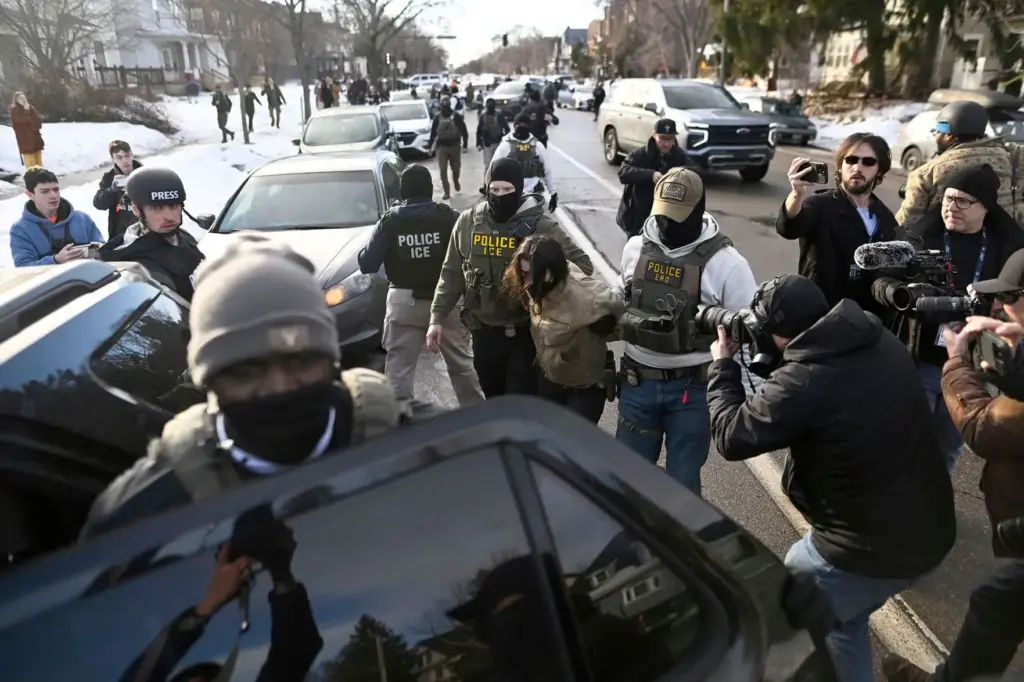
Italian officials, including Milan’s mayor Beppe Sala, have openly criticized the presence of ICE in Italy. Their apprehensions stem from recent incidents in Minneapolis, where ICE agents were involved in two fatal shootings, leading to fears about their policing methods. While ICE insists that all security operations will remain under Italian authority and that there will be no immigration enforcement outside the U.S., the historical context of their previous actions raises alarms within the host nation. This has ignited a debate about the extent of U.S.-Italy relations and the balance between international security cooperation and local public safety.
Controversy Surrounding ICE Presence During the Olympics
The announcement of ICE’s deployment has not only reignited discussions about immigration and security but also intensified emotions around the ongoing relationship between the United States and Italy. Some political figures in Italy have underscored the tension surrounding U.S. immigration policies following the controversial actions of ICE agents in the past, particularly those seen in cases like the Minnesota shootings. The statement made by Italy’s Interior Minister Matteo Pantedosi, which appeared to downplay the implications of U.S. agency involvement, did little to quell public discontent as images of distressing incidents in Minneapolis surfaced.
Critics of the government’s handling of ICE’s presence argue that the situation reflects a lack of transparency and could potentially lead to negative impacts on guests during the Winter Olympics. With the growing alarm and accusations of an encroachment on Italian sovereignty, calls for clarity and firm communication regarding the extent of ICE’s role have become paramount. Moreover, the symbolic nature of the Olympics is at stake, as the event is expected to highlight cooperation and unity among nations, not division or distrust.
Public Outcry Against ICE’s Role in Winter Olympics Security
Public sentiment in Italy concerning ICE’s presence during the Winter Olympics has been overwhelmingly critical, especially following reports highlighting the agency’s activities back home. The tragic occurrences in Minneapolis, particularly the fatal shooting of Alex Pretti, have raised red flags about the conduct and accountability of ICE agents. As citizens visualize U.S. immigration officers on their streets, fears emerge that previous violent encounters could replicate during international events, potentially jeopardizing not just public dependence on security forces but also the spirit of the Olympics.
Amidst this outcry, various advocacy groups and public figures are leveraging media channels to voice their opposition. They argue that the involvement of ICE, an agency associated with aggressive immigration enforcement, does not align with the democratic principles that Italy espouses. Commentators have noted that the mayor of Milan’s outspoken remarks about the potential threat posed by ICE underlines a broader aversion towards militarized law enforcement in civil spaces. The upcoming Olympics could thus become not only a showcase of athletic excellence but also a battleground for discussions on security and civil liberties.
The Role of U.S. Agencies in International Events
The deployment of ICE agents to assist in security operations during the Winter Olympics reflects a longstanding practice where various U.S. federal agencies are called upon to provide support during significant international events. Historically, American agencies have worked with host nations to mitigate risks from crimes and terrorism. The current involvement of ICE, particularly during a time of scrutiny over its methods, poses questions regarding the appropriateness and effectiveness of such support, especially when considering public safety and international relations.
The collaboration between ICE and the Italian government during the Winter Olympics indicates a multilayered approach to manage security risks. Still, such engagement may lead to complex implications for U.S.-Italy relations. As local authorities grapple with the narrative surrounding the presence of U.S. immigration officials, they must balance traditional hospitality with a critical assessment of security practices. Overall, this creates an atmosphere ripe for reflection on both parties’ roles in ensuring safety while respecting local laws and cultural values.
International Perspectives on Immigration Enforcement
As discussions about ICE’s role in the Winter Olympics unfold, it is pivotal to consider the varying international perspectives on immigration enforcement and policing practices. Countries worldwide grapple with their own immigration policies and the impact of foreign agencies operating on their soil. The confluence of local sentiments in Italy with broader international attitudes toward U.S. law enforcement agencies sheds light on the shifting dynamics of territorial jurisdiction and public trust in security efforts.
In a climate where migration, security, and law enforcement intersect frequently, countries are increasingly wary of perceived overreach by foreign agencies. The presence of ICE in Italy, especially post-Minnesota shootings, may amplify global discussions surrounding human rights, policing, and immigration policy. As the Olympics draw closer, attention will focus not only on the athletes but also on the implications of U.S. presence abroad and how it resonates with both local and global audiences.
Future Implications of ICE’s International Collaborations
The deployment of ICE agents during the Winter Olympics serves as a litmus test for future international cooperation between the United States and host nations. As global security threats evolve, the challenges faced by federal agencies such as ICE represent broader dilemmas that transcends borders. The implications of this deployment may inform future policies regarding foreign agency operations, enhancing or inhibiting the trust between nations.
Understanding how ICE’s presence is perceived during the Olympics can potentially influence collaboration models between U.S. immigration agencies and their international counterparts. This elevated scrutiny may prompt both countries to establish clearer parameters for agency activity that prioritize civilian safety while fostering diplomatic relationships. The evolving nature of immigration enforcement and security measures thus becomes a focal point in handling international events and responding to emerging threats.
The Dialogue on U.S.-Italy Relations amid Olympic Security Planning
The ongoing dialogue about U.S.-Italy relations amidst Olympic security planning underscores the complexities of bilateral cooperation in a fragmented global security landscape. With the Winter Olympics serving as a backdrop, both nations must navigate the delicate balance between solidarity against common threats and respect for each nation’s sovereignty. Increased scrutiny on ICE’s deployment has opened up revelations about the apprehensions Italians feel regarding U.S. policing practices, an issue that has profound implications for diplomatic relations.
As discussions continue, alongside public apprehension about ICE’s role, it is essential for both governments to communicate effectively to uphold the spirit of collaboration during the Olympic Games. Easing concerns through transparent dialogue about security measures can foster goodwill, even in light of historical tensions surrounding immigration policies. The forthcoming Olympics represent an opportunity for reinforcement of values, promoting the idea that safety and respect for human rights can coexist in a period marked by insecurity and unrest.
Political Reactions to ICE’s Role in Winter Olympics Security
Political reactions in Italy regarding ICE’s planned involvement during the Winter Olympics have illustrated the deep divisions in public opinion surrounding immigration and security. Some lawmakers express concerns that ICE’s presence equates to an unwarranted intrusion, fueling sentiments against U.S. immigration policies. The assertions made by figures like Prime Minister Giorgia Meloni’s political opponents have further intensified scrutiny while encouraging public discourse on the appropriateness of foreign agency involvement in national security matters.
The varying political stances illustrate broader societal sentiments within Italy as constituents grapple with the implications of accepting ICE assistance. As politicians rally support or opposition to their viewpoints, the matter may influence public perception of ongoing U.S.-Italy relations and how future engagements with foreign agencies may be approached. In this climate, the Winter Olympics can act as both a reliever of tensions and a catalyst for deeper conversations related to immigration and cooperation in security enforcement.
Addressing Misconceptions About U.S. Immigration Enforcement
As the Winter Olympics approach, addressing misconceptions surrounding U.S. immigration enforcement agencies, particularly ICE, becomes critical to alleviating public fears and fostering a positive atmosphere for the Games. Despite agency assurances that their role in Italy’s security will not lead to immigration enforcement, images and narratives from the past can shape opinions and provoke mistrust. The need for clear communication from U.S. representatives about the limits of ICE’s jurisdiction is essential in dispelling rumors and centering the attention on sport rather than controversy.
By proactively engaging with the public and addressing concerns about ICE’s operational footprint, U.S. officials can help mitigate negative perceptions that could overshadow the Winter Olympics. Initiating open dialogues through media and community outreach can provide clarity on ICE’s role and reassure both local citizens and visitors. Overall, ensuring that the focus remains on athletic celebrations rather than fear and anxiety over enforcement policies can uphold the spirit of the Games and strengthen international bonds.
Frequently Asked Questions
What is the role of ICE agents during the Winter Olympics in Italy?
ICE agents, specifically those from the Homeland Security Investigations (HSI) division, are being deployed to support U.S. Diplomatic Security Service operations during the Winter Olympics. Their role focuses on assessing and mitigating risks from transnational criminal organizations, while strictly not carrying out immigration enforcement operations outside the U.S.
How has the deployment of ICE agents at the Winter Olympics affected U.S.-Italy relations?
The deployment of ICE agents at the Winter Olympics has sparked concern and criticism within Italy, particularly following recent incidents involving the agency in the U.S. Some Italian officials, like Milan’s mayor, have expressed discontent over their presence, fearing it does not align with democratic standards of security.
What security measures are in place for the Winter Olympics involving ICE?
While ICE is deploying agents for support, all security operations during the Winter Olympics will remain under the authority of Italian officials. U.S. agencies, including ICE, will collaborate with Italian security forces to ensure safety and security, especially against potential threats from transnational criminal elements.
Why are some Italian officials against the presence of ICE agents during the Winter Olympics?
Certain Italian officials oppose the presence of ICE agents due to recent incidents involving the agency’s use of force in the U.S., which has raised concerns about their approach to security. Critics fear that ICE’s presence might compromise Italy’s approach to ensuring public safety during the Winter Olympics.
What has the Italian government stated about ICE’s engagement at the Winter Olympics?
Italian Interior Minister Matteo Pantedosi initially appeared unaware of ICE’s deployment but later confirmed that while U.S. officials, including ICE, could choose their security, they will not operate on Italian soil independently, emphasizing that security during the Winter Olympics is primarily the responsibility of Italian authorities.
How has ICE responded to criticism regarding their agents at the Winter Olympics?
ICE officials have clarified that their agents will not conduct immigration enforcement activities in Italy and will operate strictly under the jurisdiction of Italian authorities, focusing solely on supporting U.S. security efforts during the Winter Olympics.
Can ICE agents in Italy impact the local safety during the Winter Olympics?
While ICE agents are present to assist with security measures, the impact on local safety largely depends on the cooperation between U.S. agencies and Italian authorities. The primary responsibility for managing security during the Winter Olympics lies with Italian law enforcement.
What concerns have been raised about ICE’s involvement in the Winter Olympics by local communities?
Local communities have raised concerns about the presence of ICE agents due to recent violent incidents involving the agency in the U.S. Many feel that their deployment could undermine Italy’s handling of security in alignment with democratic values, leading to widespread public discontent.
What actions did Italian media report about ICE agents in the U.S. prior to the Winter Olympics?
Italian media reported troubling incidents involving ICE agents in the U.S., including threats made against journalists documenting their actions. These reports contributed to skepticism and disapproval regarding ICE’s presence at the Winter Olympics in Italy.
| Key Points |
|---|
| The US ICE is deploying agents during the Winter Olympics in Italy starting on February 6. |
| This deployment follows fatal incidents involving ICE in Minneapolis, raising concerns in Italy. |
| ICE insists their operations will remain under Italian authority and will not involve immigration enforcement. |
| Italian officials, including Mayor Beppe Sala, have expressed opposition to ICE’s presence in Italy. |
| Concerns escalate due to the violent history associated with ICE agents and recent shootings. |
| Italy’s Interior Minister has reaffirmed that ICE will not operate independently in Italian territory. |
| Political figures in Italy are divided over the implications of ICE’s deployment at the Olympics. |
Summary
ICE deployment at the Winter Olympics has stirred significant debate and concern among Italian officials and citizens. While the U.S. Immigration and Customs Enforcement agency emphasizes that their role will be support under local authority, the recent violent incidents in Minneapolis involving ICE raise alarms about the presence of such agents on Italian soil. As the Winter Olympics approach, the tensions around security operations reflect broader geopolitical issues and the delicate nature of international collaboration, especially in light of public sentiment against U.S. federal agency actions in domestic contexts.