Listen to this article
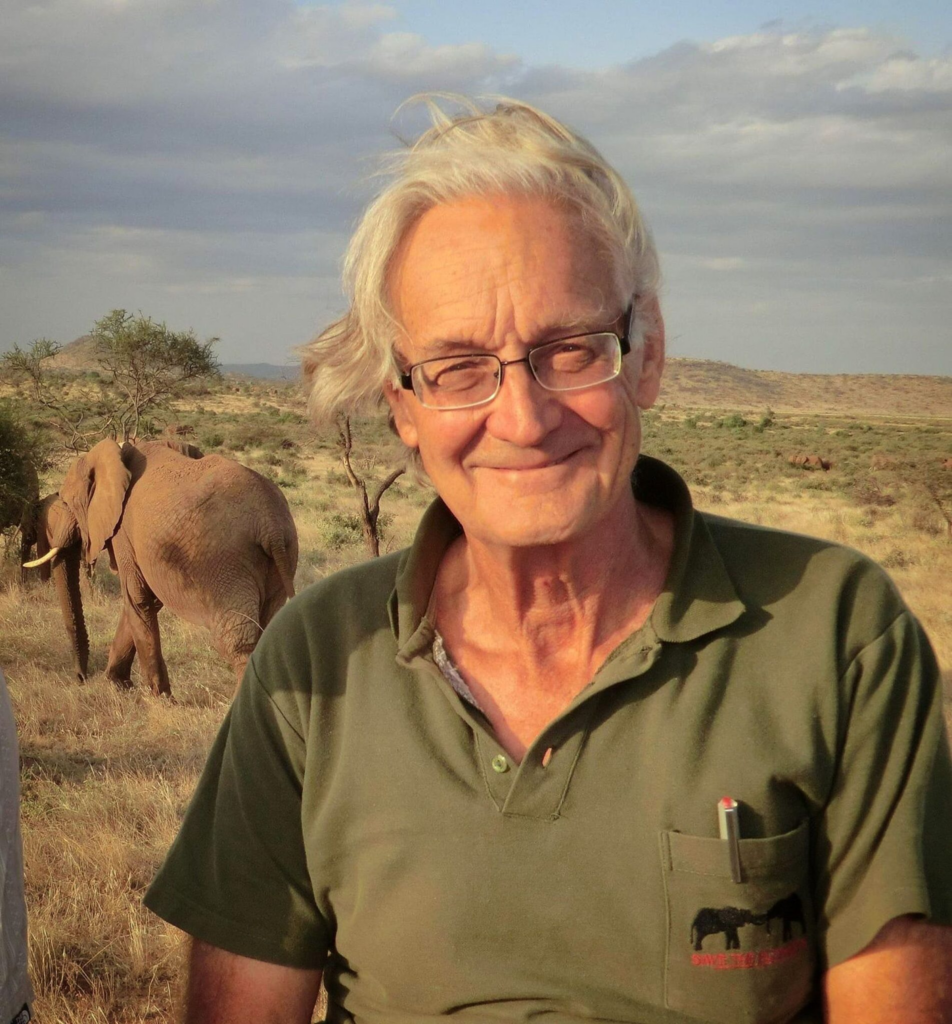
Iain Douglas-Hamilton, a pioneering figure in elephant conservation, has left an indelible mark on wildlife protection and the fight against the ivory trade. Born in Britain and later living in Africa, he devoted his life to understanding and safeguarding African elephants through innovative research and advocacy. His groundbreaking work not only highlighted the urgent plight of these magnificent creatures but also played a critical role in establishing bans against the international ivory trade. The Prince of Wales, recognizing Douglas-Hamilton’s invaluable contributions, noted how his conservation legacy will resonate in efforts to protect wildlife and promote ethical coexistence with these giants. With an unwavering commitment to elephant conservation, Douglas-Hamilton inspired countless individuals and organizations to join the cause of protecting wildlife for future generations.
Iain Douglas-Hamilton was a distinguished wildlife conservationist dedicated to the protection of elephants and their habitats. His extensive studies and campaigns centered on the pressing issues of poaching and habitat loss, making significant strides toward advocating for the rights of these animals. Through his efforts, he raised awareness about the detrimental effects of the ivory trade and worked tirelessly in developing initiatives aimed at wildlife preservation. The zoologist’s legacy is a testament to the importance of understanding animal behavior, which not only benefits elephant conservation but also inspires broader wildlife protection efforts. The impact of his work continues to inspire new generations of conservationists committed to ecological sustainability.
The Legacy of Iain Douglas-Hamilton in Elephant Conservation
Iain Douglas-Hamilton’s contributions to elephant conservation are monumental and extend far beyond his lifetime. As a pioneering figure, he dedicated over five decades to studying African elephants, bringing their plight into the global spotlight. His in-depth research and insights on elephant behavior have not only influenced wildlife protection policies but have also changed the narrative around the intelligent and emotional nature of these majestic animals. By founding Save the Elephants, Douglas-Hamilton created a lasting platform aimed at ensuring the safety of elephants in the wild, significantly impacting conservation efforts across Africa.
Moreover, Douglas-Hamilton’s work inspired a new generation of conservationists and brought together communities dedicated to wildlife protection. His efforts culminated in the international ban on the ivory trade, a crucial victory in the fight to preserve African elephants from poaching. As his friend Jane Goodall noted, he helped humanity understand the complexity and kinship of elephants with humans, fostering a greater appreciation for their conservation needs. His legacy is a beacon for animal rights, emphasizing the importance of ethical considerations in wildlife conservation.
Combatting the Ivory Trade: Iain Douglas-Hamilton’s Fight
Iain Douglas-Hamilton’s activism against the ivory trade was a defining aspect of his career. He was acutely aware of the tragic irony of how poaching devastated elephant populations, leading him to advocate tirelessly for an international ban on ivory trading. His bold declaration of the ivory crisis as an ‘elephant holocaust’ brought urgency to the issue, compelling governments and organizations to take action. Douglas-Hamilton’s relentless pressure on stakeholders was pivotal in achieving the signing of the Convention on International Trade in Endangered Species in 1989, a milestone that reflected his commitment to halting the destruction of these magnificent creatures.
Despite the challenges this legislation encountered, Douglas-Hamilton’s focus shifted to the burgeoning ivory markets in China and the United States. His strategic approach in these regions highlighted the need for worldwide cooperation in wildlife protection, culminating in the near-total ivory ban facilitated by President Xi Jinping and President Barack Obama in 2015. Douglas-Hamilton’s fight against the ivory trade was not just about saving elephants; it was a broader call to recognize wildlife as an integral part of our ecosystem and humanity’s moral responsibility to protect it.
Understanding Elephant Behavior Through Iain Douglas-Hamilton’s Eyes
Through decades of observation and research, Iain Douglas-Hamilton revealed profound insights into elephant behavior, underscoring their intelligence, social structures, and emotional depth. His work at Lake Manyara National Park not only cataloged individual elephants but also painted a broader picture of their social dynamics. Douglas-Hamilton’s ability to recognize elephants by their unique features showcased his dedication and deep relationship with these animals, marking an innovative approach in the field of wildlife research. These observations have been crucial in shaping policies aimed at enhancing human-elephant coexistence.
In numerous documentaries and discussions, Douglas-Hamilton eloquently conveyed how elephants share many social and emotional traits with humans, making them deserving of protection and understanding. His collaborations with fellow conservationists, such as Jane Goodall, emphasized the importance of empathy in conservation efforts. By highlighting these connections, Douglas-Hamilton not only advocated for wildlife protection but also promoted a more compassionate view of the natural world, compelling audiences to consider the broader impact of their actions on elephant conservation and the ecosystems they inhabit.
The Role of Education in Elephant Conservation Initiatives
Education plays a critical role in the effectiveness of elephant conservation initiatives. Iain Douglas-Hamilton understood that raising awareness about the plight of elephants was just as important as direct conservation efforts. He believed that informing local communities about the ecological significance of elephants and the threats they face from poaching and habitat loss could cultivate a sense of responsibility toward wildlife protection. Douglas-Hamilton’s educational outreach initiatives through Save the Elephants aimed to empower communities to coexist with these magnificent animals rather than view them as threats or competitors.
By fostering understanding among local populations, Douglas-Hamilton’s work helped reduce human-elephant conflicts, which often arise due to competition for resources. His educational programs encouraged sustainable practices that benefited both humans and elephants, promoting conservation as a shared responsibility. This holistic approach to conservation ensured that communities became active participants in protecting elephants, ultimately contributing to the preservation of African elephants for generations to come.
Iain Douglas-Hamilton: A Life Among Elephants
The documentary “A Life Among Elephants” beautifully encapsulates the essence of Iain Douglas-Hamilton’s work and dedication to the species he cherished so deeply. Through his own words and experiences, the film showcases the profound bond formed between Douglas-Hamilton and the elephants he studied, revealing not just their behavioral intricacies but also the emotional connections they share within their herds. This documentary serves as a pivotal educational resource, highlighting the need for continued conservation efforts while celebrating the lives of these gentle giants.
Throughout the film, Douglas-Hamilton is portrayed not only as a researcher but as a passionate advocate whose lifelong mission revolved around fostering an ethical relationship between humans and elephants. His reflections in the documentary inspire viewers to look beyond the statistics of poaching and extinction, urging a deeper appreciation for the sentient beings that share our planet. His legacy continues, urging everyone to engage in conservation initiatives actively and to carry forward the torch he lit for the next generation.
Challenges Faced by Iain Douglas-Hamilton During His Career
Iain Douglas-Hamilton’s journey in elephant conservation was fraught with challenges, both environmental and personal. He faced numerous hazards while conducting research in the wild, including aggressive encounters with elephants, weather emergencies, and threats from poachers. The flood that obliterated his research facility is a testament to the unpredictability of working in wildlife conservation arenas. Instead of deterring him, these hardships galvanized his resolve to advocate more fiercely for African elephants, showcasing his resilience and commitment to ensuring their survival despite daunting odds.
Conservation efforts often pit the well-being of wildlife against economic interests, and Douglas-Hamilton encountered significant resistance in his pursuits. Advocacy against ivory trading faced considerable hurdles, requiring not just empirical evidence of the devastation caused by poaching but also strategic lobbying of international bodies. Yet, through continuous dialogue and education, Douglas-Hamilton made strides in raising awareness and effecting change, proving that while challenges may be numerous, unwavering dedication and strategic action can lead to meaningful progress in conservation.
The Importance of International Collaboration in Elephant Protection
Iain Douglas-Hamilton demonstrated the urgency of international collaboration in combating the threat posed by the ivory trade to elephants. His work highlighted how the illegal poaching of elephants in Africa has both local and global ramifications, necessitating a unified response from nations around the world. By fostering partnerships between wildlife organizations, governments, and individuals, Douglas-Hamilton sought to create a comprehensive strategy for elephant protection that transcended borders. His efforts to engage with policymakers were crucial in establishing the Convention on International Trade in Endangered Species, underscoring the need for collaborative action against wildlife crime.
The fight against the ivory trade illustrates the interconnectedness of global conservation efforts. Douglas-Hamilton’s campaigns targeted the major markets for ivory, emphasizing the role that consumer awareness and responsible purchasing behaviors play in conservation. His collaborations with international leaders, bolstered by pivotal agreements such as the ban agreed upon by China and the USA, reflect a successful model for wildlife protection that hinges on cooperation and shared commitment to African elephants and biodiversity at large. This collaborative spirit is essential for building a sustainable future for wildlife.
Continuing Iain Douglas-Hamilton’s Work: The Future of Elephant Conservation
As we reflect on the life and legacy of Iain Douglas-Hamilton, the conversation inevitably shifts towards the future of elephant conservation. The challenges he faced persist today, with African elephants still under threat from poaching and habitat destruction. However, Douglas-Hamilton’s teachings continue to resonate, serving as a guiding principle for new conservationists who are inspired by his work. Organizations like Save the Elephants carry on his mission, employing innovative strategies to protect elephant populations while integrating science with local community engagement.
Looking forward, the continuation of Iain Douglas-Hamilton’s legacy compels us to advocate for a world where humans and elephants can coexist harmoniously. This includes not only tailored conservation strategies but also the broadening of educational initiatives that emphasize the moral imperative of protecting wildlife. Empowering future generations to recognize their role in conservation becomes paramount in ensuring the survival of elephants. The collective efforts of communities, governments, and organizations must echo Douglas-Hamilton’s message, fostering a global understanding and appreciation for the invaluable role elephants play in our ecosystems.
Frequently Asked Questions
What contributions did Iain Douglas-Hamilton make to elephant conservation?
Iain Douglas-Hamilton was a pioneering elephant conservationist who dedicated his life to the study and protection of African elephants. His groundbreaking research highlighted the impacts of poaching and was instrumental in advocating for a worldwide ban on the ivory trade. In 1993, he founded Save the Elephants, focusing on conserving the species and enhancing understanding of their behavior.
How did Iain Douglas-Hamilton influence the international ivory trade policy?
Iain Douglas-Hamilton played a crucial role in influencing policies against the ivory trade. Through his advocacy and research, he helped raise awareness about the elephant poaching crisis, leading to the signing of the Convention on International Trade in Endangered Species in 1989. He continued to work with key leaders, resulting in a significant ban on ivory trade in China and the US in 2015.
What was the legacy of Iain Douglas-Hamilton in wildlife protection?
The legacy of Iain Douglas-Hamilton is profound in wildlife protection, particularly for African elephants. His lifelong dedication to conservation helped transform public perception and policy regarding the ivory trade. His organization, Save the Elephants, continues his mission, fostering coexistence between humans and elephants and actively promoting wildlife protection initiatives.
How did Iain Douglas-Hamilton’s research change our understanding of elephant behavior?
Iain Douglas-Hamilton’s extensive research changed our understanding of elephant behavior by documenting their social interactions and emotional capacity. He recognized elephants’ families and individual characteristics, proving their complex social structures and emotional depth, thereby enhancing public appreciation and understanding of these majestic creatures.
What challenges did Iain Douglas-Hamilton face in his conservation efforts?
Throughout his career, Iain Douglas-Hamilton faced numerous challenges, including threats from poachers, dangerous wildlife encounters, and the destruction of his research facilities due to natural disasters. Despite these obstacles, he remained steadfast in his commitment to elephant conservation and raised awareness about the urgent need to combat poaching and the ivory trade.
How can Iain Douglas-Hamilton’s work inspire future conservationists?
Iain Douglas-Hamilton’s work serves as an inspirational model for future conservationists by demonstrating the importance of perseverance, courage, and innovation in the face of adversity. His belief in human-elephant coexistence and his efforts to educate the public about the challenges faced by African elephants encourage new generations to continue the fight for wildlife protection.
| Key Point | Details |
|---|---|
| Tributes | Prince William praised Douglas-Hamilton for his dedication to elephant conservation. |
| Legacy | Douglas-Hamilton was pivotal in banning the international ivory trade, influencing global policies. |
| Born and Education | Born in 1942 in England, he studied biology and zoology before conducting research in Tanzania. |
| Research Contributions | He documented elephant behavior and their emotional capacity, influenced public perception. |
| Challenges Faced | Faced poaching threats, natural disasters, and personal dangers while advocating for elephants. |
| Organizations Founded | Founded Save the Elephants in 1993 to protect elephant populations globally. |
| Survivors | He is survived by his wife Oria, his children Saba and Dudu, and six grandchildren. |
Summary
Iain Douglas-Hamilton, the pioneering elephant conservationist, leaves behind a remarkable legacy that has significantly shaped the future of wildlife conservation. His tireless efforts in studying and advocating for African elephants have raised global awareness about their plight and the urgent need to combat poaching. As we reflect on his life, it is clear that his dedication and passion for preserving these majestic creatures will inspire future generations to continue the fight for conservation.