Listen to this article
Hybrid warfare has emerged as a critical concern for global security, particularly in light of the growing Russia threat. In her inaugural speech, MI6 new chief Blaise Metreweli will underscore the acute dangers posed by this multifaceted approach to conflict, combining traditional military might with non-traditional tactics such as cyber attacks and information warfare. By leveraging technology and espionage, aggressors can destabilize nations without engaging in direct combat, exemplifying the realities faced by countries like the UK. Metreweli will highlight these challenges, emphasizing the importance of developing robust defense strategies to counteract such threats. As the audience will learn, the stakes are high, and the UK must remain vigilant against these evolving methods of aggression that threaten national security and global stability.
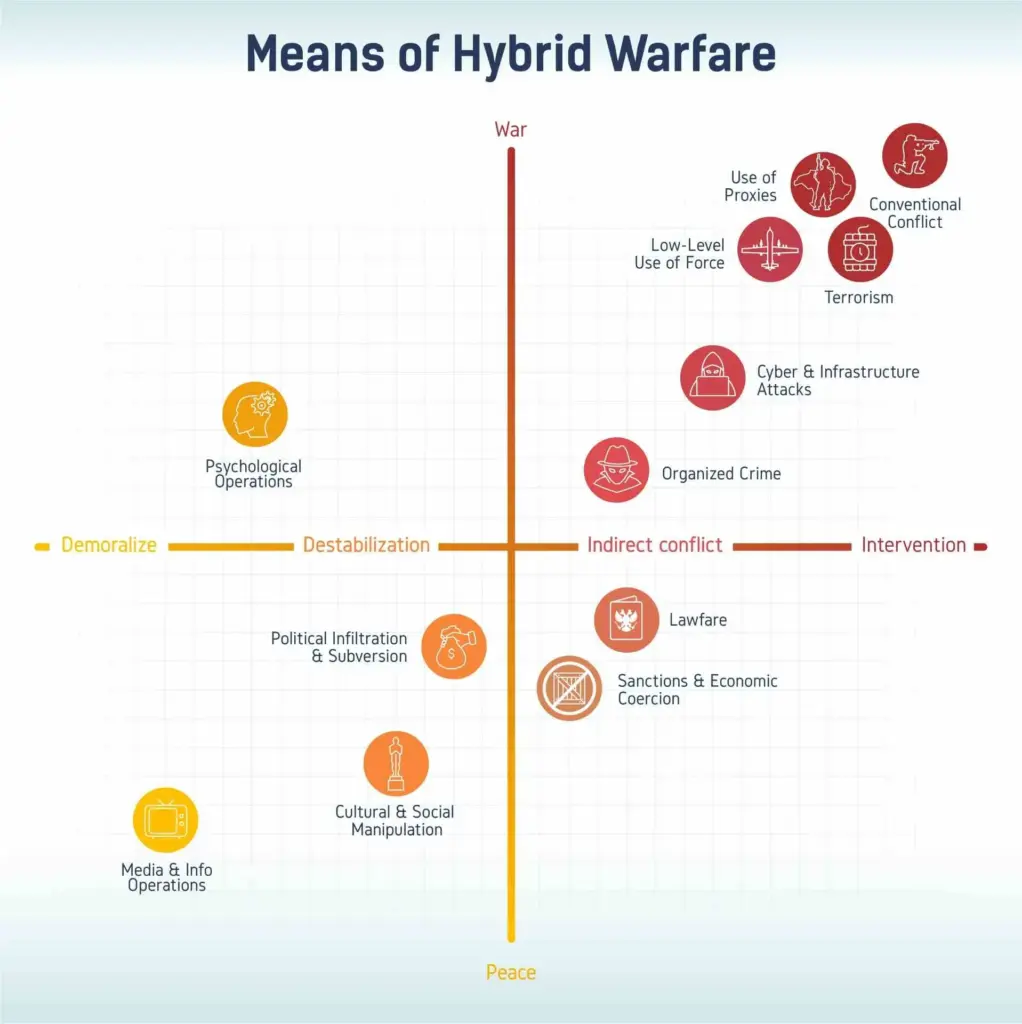
The term hybrid warfare refers to a strategic blend of conventional and unconventional tactics, which has gained prominence amid contemporary geopolitical tensions. This complex battlefield incorporates elements like cyber operations, psychological tactics, and disinformation campaigns, demanding advanced countermeasures from affected nations. As military and intelligence leaders, including MI6’s new chief Blaise Metreweli, navigate these challenges, they recognize that traditional defense strategies must evolve. The implications of this strategic evolution are particularly relevant in the context of heightened threats from nations like Russia, where aggressive posturing and cyber aggression are increasingly prevalent. Thus, understanding this modern warfare paradigm is essential for developing comprehensive security approaches that protect the UK’s interests and those of its allies.
The Rising Threats of Hybrid Warfare
Hybrid warfare is an evolving concept that poses significant challenges to national security across Europe, particularly as evidenced by the actions of Russia. The term refers to a blend of conventional military tactics and irregular methods, such as cyber attacks and disinformation campaigns, aimed at destabilizing nations without triggering direct confrontations. In her first public address, MI6’s new chief, Blaise Metreweli, will emphasize the acute threat posed by Russia’s aggressive strategies that involve not just military assets but also technology and cyber capabilities designed to exploit vulnerabilities in other nations’ infrastructures.
Metreweli’s focus on hybrid warfare underscores the need for comprehensive defense strategies in the UK. As Russia employs unwanted influence through cyber assaults and proxy operations, the UK must recalibrate its intelligence and defense approaches. This includes enhancing cybersecurity measures while collaborating with allies to mitigate risks. The ongoing conflict in Ukraine demonstrates that hybrid warfare can effectively undermine a nation’s sovereignty and agility, making it imperative for intelligence leaders to stay one step ahead of such threats.
Implications of Russian Threats on UK Defense Strategies
The bellicose behavior of Russia, as articulated in Metreweli’s insights, highlights the pressing need for the UK to reassess its defense strategies. The encroaching threats, not only from conventional military forces but also from nuanced strategies rooted in hybrid warfare, force leaders to rethink how best to defend national interests. Sanctioning Russian entities involved in cyber activities and information warfare exemplifies the UK’s proactive stance; however, ongoing scrutiny of these defense strategies is crucial as the geopolitical landscape continues to evolve.
With Russian tactics intending to compromise NATO unity, the UK must explore greater collaboration with global partners to bolster collective defense. Ensuring a robust response requires investment in both traditional military resources and emerging technologies, fostering a multi-faceted approach to defense strategies. As articulated by Sir Richard Knighton, a ‘whole of society approach’ is essential, indicating that all sectors of British society, not just the military, have a role to play in confronting and adapting to such diverse threats.
Technology’s Role in Modern Espionage
As MI6 transitions into a new era under Blaise Metreweli’s leadership, the emphasis on technology as an integral part of espionage cannot be overstated. The rapid advancements in technology have transformed the intelligence field, necessitating officers to be as proficient with digital tools as they are with traditional espionage techniques. Metreweli’s intent to equip agents with technological fluency—including programming languages like Python—reflects the changing nature of intelligence work that combines human insight with high-tech solutions to remain relevant and effective.
Moreover, the push for tech-savvy intelligence capabilities aligns with the need to counter increased cyber threats from state actors, like Russia. As hackers become an extension of military strategy, the intelligence community must adapt to protect against these sophisticated attacks. The capability to decode complex cyber operations will enhance the UK’s ability to anticipate and neutralize threats before they materialize, thus reinforcing national security in an era where information is both a weapon and a target.
Adapting to the New Normal of Geopolitical Competition
In the wake of evolving geopolitical dynamics, the UK’s diplomatic and military posture must adapt to confront the multifaceted challenges presented by aggressive states like Russia. Recent sanctions on Russian firms involved in cyber attacks serve as a critical component of a broader strategy aimed at undermining the financial and operational capacities of potential aggressors. The focus of MI6 under Metreweli emphasizes not just traditional intelligence gathering, but also active participation in the diplomatic, economic, and cyber arenas, showcasing a well-rounded approach to national security.
This evolving strategy must consider a range of factors, including public perception and societal readiness to engage with defense initiatives. The call for a national effort to bolster resilience against foreign threats necessitates an informed public discourse, where citizens understand and support the defense measures being proposed. As articulated by Sir Richard Knighton, fostering partnerships between military, industry, and the community will be vital as the UK navigates this complex geopolitical landscape—it is a concerted effort to secure a savvy response to the ongoing and future challenges posed by hybrid and traditional warfare.
The Importance of Partnerships in Defense Strategy
In an interconnected world, the effectiveness of a national defense strategy hinges on collaboration and partnerships across multiple sectors. The call by Sir Richard Knighton for a ‘whole of society approach’ underscores the need for comprehensive engagement, where industry leaders, academic institutions, and the military collaborate to build resilience against threats. With the increasing complexity of warfare—including the rise of hybrid tactics—the sharing of expertise and resources is crucial for developing robust mitigation strategies.
These partnerships extend beyond government and military spheres; they must engage the public as well. Initiatives aimed at educating citizens about the importance of resilience in the face of cyber threats and geopolitical challenges will create a more informed populace that can contribute to national security. The formulation of new defense technical excellence colleges, as announced by Sir Richard, signifies not only a government initiative but also an invitation to the private sector and educational institutions to partake in shaping a skilled workforce prepared to meet the challenges of 21st-century warfare.
The Role of MI6 in Counteracting Information Warfare
As part of her mandate, Blaise Metreweli will likely address the critical role MI6 plays in countering information warfare, an insidious tactic employed by state actors like Russia. These operations not only spread misinformation but also aim to sow discord among allies, creating an environment of confusion and distrust. By sanctioning entities involved in such practices, the UK signals its commitment to combating these threats, focusing on a narrative that promotes truth and transparency in information dissemination.
Information warfare highlights the importance of intelligence agencies developing countermeasures that utilize both technological tools and traditional intelligence. In her upcoming speech, Metreweli is expected to outline strategies for disinformation detection and response, emphasizing collaboration with social media companies and tech firms to swiftly respond to malicious content. Building public awareness regarding these tactics and fostering resilience against misinformation will be essential in bolstering societal defenses against adversarial narratives.
The Economic Impact of Sanctions on Russia
Sanctions against Russia have far-reaching implications, not only for the targeted entities but also for the global economy. The recent imposition of sanctions by Western governments, including the UK, aims to undermine Russia’s financial resources and limit its capabilities to engage in aggressive behaviors. Metreweli’s reference to economic sanctions in her speech will highlight the delicate balance Western nations must maintain in exerting pressure on Russia while avoiding backlash that could impact global markets and alliances.
Furthermore, as sanctions redirect Russian trade towards non-Western partners like China and India, it underscores the geopolitical shifts that are reshaping international relations. The need for innovative economic strategies becomes evident as Western nations come to grips with the reality of a potentially isolated Russia. MI6’s role will increasingly encompass understanding the economic landscape shaped by sanctions and countering any long-term effects on national security, demonstrating that economic intelligence is vital in today’s geopolitical environment.
Empowering the Next Generation of Intelligence Officers
The future of Britain’s intelligence capabilities will largely depend on mentoring and empowering the next generation of officers who will navigate increasingly complex landscapes. Metreweli’s push for technological proficiency reflects the understanding that these young recruits must possess an array of skills that encompasses not only espionage tactics but also advanced technical abilities. Reshaping training programs to emphasize technology will be essential to maintaining a competitive edge against adversaries who are innovating rapidly.
In addition, fostering a diverse and inclusive workforce within MI6 will ensure that a variety of perspectives contribute to intelligence solutions. This initiative aligns with broader societal trends of encouraging participation in national security efforts from all segments of the population. By investing in future talents and encouraging young people to explore careers in intelligence and defense, the UK signals its commitment to creating a resilient, responsive, and technologically adept intelligence community prepared to face the challenges of hybrid warfare and beyond.
The Challenging Landscape of Global Security
The global security environment is increasingly complex, shaped by new and enduring threats that require innovative responses. Metreweli’s insights into the acute threats posed by Russia elucidate the extensive challenges the UK faces from hybrid warfare to information terrorism. As adversaries leverage asymmetric tactics to achieve their goals, Britain must remain agile and responsive, continuously evaluating its defense strategies to address both the conventional and unconventional aspects of modern warfare.
As articulated by leaders like Sir Richard Knighton, addressing these challenges necessitates broad cooperation across government, industry, and civil society. By recognizing that security is a collective responsibility, the UK can enhance its national resilience against the multifaceted threats posed by rogue states. The dialogue initiated by MI6’s leadership is pivotal in shaping a coherent strategy that adequately prepares the nation for the turbulent times ahead while reinforcing the importance of unity in facing external aggressions.
Frequently Asked Questions
What is hybrid warfare and how does it relate to the Russia threat?
Hybrid warfare refers to a strategy that blends conventional military force with unconventional tactics, including cyberattacks and disinformation campaigns. In the context of the Russia threat, hybrid warfare tactics employed by Russia, particularly in Ukraine, have raised alarms about their aggressive expansionism and attempts to destabilize nations through such multifaceted approaches.
How does MI6’s new chief, Blaise Metreweli, view hybrid warfare in her speech?
In her upcoming speech, MI6’s new chief, Blaise Metreweli, will address the acute threat posed by Russia and highlight the importance of understanding hybrid warfare. She will emphasize the necessity for intelligence officers to master technology and adapt to hybrid tactics that combine cyber capabilities with traditional espionage.
What role do cyber attacks play in hybrid warfare strategies employed by Russia?
Cyber attacks are a crucial component of hybrid warfare, serving as tools to disrupt critical infrastructure, steal sensitive information, and influence public perception. Russia’s use of cyber capabilities, especially in conflicts like Ukraine, illustrates how these attacks can complement conventional military operations and contribute to broader hybrid warfare objectives.
What defense strategies is the UK implementing in response to hybrid warfare?
In response to hybrid warfare threats, the UK is focusing on a whole of society approach to enhance national resilience. This includes bolstering military capabilities, improving collaboration between defense sectors and industries, and addressing skills gaps necessary for countering hybrid threats, as highlighted by leaders such as Sir Richard Knighton and MI6’s Blaise Metreweli.
How are Western sanctions impacting Russia’s hybrid warfare capabilities?
Western sanctions targeting Russian entities involved in hybrid warfare, including cyber activities, aim to weaken Russia’s military and economic capabilities. However, while these sanctions have redirected Russian exports to countries like China and India, they have not significantly deterred President Putin from continuing aggressive policies towards Ukraine, underlining the complex interplay between sanctions and hybrid warfare.
What is the significance of technology in combating hybrid warfare as discussed by MI6?
Blaise Metreweli stresses the importance of technology for MI6 in countering hybrid warfare. By equipping intelligence officers with technological skills—including proficiency in programming languages like Python—MI6 aims to advance its capabilities in cyber intelligence and data analysis, essential for responding effectively to hybrid threats that blend technology and traditional tactics.
What implications does Sir Richard Knighton’s approach have on national defense against hybrid warfare?
Sir Richard Knighton’s call for a ‘whole of society approach’ reflects the recognition that hybrid warfare threats require collective effort beyond the military. By leveraging the strengths of industries, academia, and community involvement, the UK aims to build resilience against hybrid threats posed by Russia and other adversaries, ensuring a more comprehensive defense strategy.
| Key Point | Details |
|---|---|
| MI6 Leadership Change | Blaise Metreweli is the new head of MI6, marking the first time a woman leads Britain’s overseas spy agency. |
| Hybrid Warfare Threat | Ms. Metreweli will highlight the acute threat from Russia, focusing on hybrid warfare that includes cyber-attacks and drone incidents. |
| Response to Ukraine Conflict | Britain will continue to support Ukraine and exert pressure on President Putin regarding territorial demands. |
| Technology Focus | The new MI6 chief emphasizes the importance of technology in espionage, encouraging officers to be skilled in technical fields like programming. |
| National Resilience | Sir Richard Knighton stresses a ‘whole of society approach’ to enhancing national resilience against rising threats beyond military forces. |
| Defense Funding and Training | An announcement of £50 million for new defense technical excellence colleges to address skills gaps in the security and defense industry. |
Summary
Hybrid warfare has emerged as a critical topic in contemporary security discussions, particularly as articulated by MI6’s new head, Blaise Metreweli. In her upcoming speech, she plans to address the multifaceted threats posed by Russia, emphasizing the necessity for innovation and adaptability in intelligence work. As nations face evolving challenges, understanding the dynamics of hybrid warfare will be imperative, ensuring that countries remain resilient and responsive in an increasingly complex geopolitical landscape.