
Listen to this article
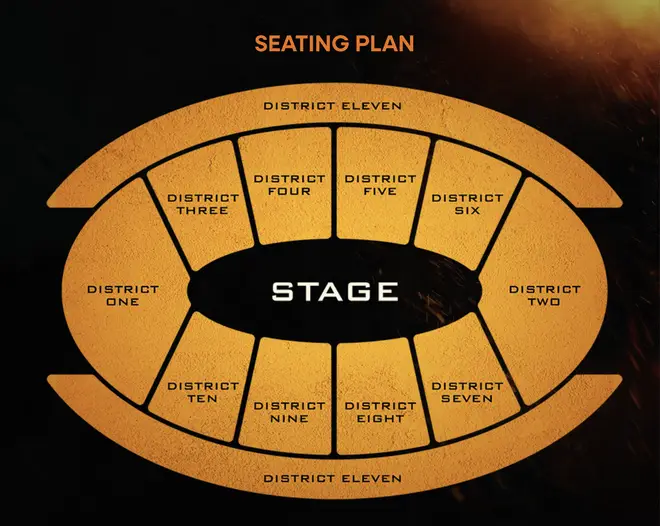
The Hunger Games stage adaptation has electrified audiences at the heart of London’s Canary Wharf, bringing Suzanne Collins’ gripping dystopian narrative to life in a spectacular live performance. This ambitious theatre production captivates the audience with its breathtaking visuals, immersive projections, and high-flying acrobatics that evoke the intense atmosphere of the beloved series. Set within a 1,200-seat arena, the show uniquely divides its spectators into different “districts,” enhancing the overall experience of the Hunger Games performance. With mixed but notable Hunger Games theatre reviews, the adaptation has sparked conversations among fans and critics alike about its emotional depth and technical execution. As audiences witness Katniss and Peeta’s perilous journey, they are transported into the explosive world of Panem, where survival is anything but assured.
The stage adaptation of the popular Hunger Games saga has taken over a prominent venue in London, marking a significant entry into the realm of dystopian theatre productions. Known for its vivid storytelling and intense themes, this live rendition reimagines the captivating tale of young fighters challenged to battle in a dystopian society. With an investment of £26 million poured into creating a bespoke theatre experience, the production seeks to immerse its audience in the chilling realities of survival and rebellion. Critics are weighing in, offering theatre reviews that highlight the impressive visuals and the challenges of conveying emotional resonance in this theatrical spectacle. As fans of the original series pour into the Canary Wharf theatre, they are curious to see how this vital story translates to the stage, engaging them in a new and dynamic way.
The Dystopian World of Theatre: Hunger Games Stage Adaptation
The Hunger Games: On Stage brilliantly brings to life the dystopian universe created by Suzanne Collins. Set in a specially designed 1,200-seat theatre located in Canary Wharf, the production offers an immersive experience akin to a live stage adaptation of the beloved novels. The arena-style seating allows viewers to feel they are part of the action, experiencing the tension and excitement of the Hunger Games first-hand. With its facility for sweeping visuals and aerial performances, the show promises a theatre experience that goes beyond traditional storytelling, utilizing technology to engender an emotional connection with the audience while navigating the dark themes of survival and sacrifice.
However, the adaptation has faced its share of criticism, particularly regarding whether it successfully conveys the emotional weight of the source material. Critics have noted that the production’s visual spectacle, while impressive, might overshadow the primary message of its narrative. This leads to mixed reviews within the realm of dystopian theatre production, as some emphasize the need for deeper emotional resonance over mere visual engagement. The tension between spectacle and substance is crucial in determining the effectiveness of this live stage adaptation.
Behind the Scenes: Challenges of Bringing Hunger Games to Life
The creation of The Hunger Games: On Stage has been marked by both triumphs and tribulations. Audience reports from early previews indicated a chaotic atmosphere, rife with operational issues such as long lines and technical challenges that underscored the risky nature of debuting such a grand theatre production. Producer Oliver Royds openly acknowledged the initial hurdles faced, explaining that the magnitude of the project—and the complex technical demands—made for a steep learning curve. Despite the initial chaos, it appears that the production team has worked diligently to refine and perfect the show, enhancing the viewing experience as it moves into full performances.
Actors Mia Carragher and Euan Garrett, who take on the pivotal roles of Katniss and Peeta, have voiced the intricacies involved in their performances, emphasizing the balance between technical precision and emotional delivery. As they navigate the physicality of their roles—marked by demanding combat scenes and stunt work—they also strive to capture the depth of their characters’ relationships. Carragher mentioned the need for constant engagement, where a misplaced element could jeopardize an entire sequence. Such behind-the-scenes insights highlight the meticulous craftsmanship that goes into mastering a live stage adaptation of such a beloved story.
Exploring Audience Reactions to the Hunger Games Theatre Production
Audience reactions to The Hunger Games: On Stage have been mixed, illustrating the challenge of adapting a globally recognized narrative for the stage. While some have praised the ambition and visual engagement of the production, others have lamented the emotional disconnect experienced throughout the performance. Critics from various theatre outlets, including The Stage and Financial Times, have provided varying perspectives, some describing it as an impressive spectacle, while others felt it failed to capture the essence of the story, ultimately resulting in a show that prioritizes visual stimulation over emotional depth. This dichotomy speaks volumes about the complexities involved in translating such a powerful narrative to a live performance.
As audiences continue to flock to the Troubadour Canary Wharf Theatre, the reception shapes the ongoing dialogue around the performance. With its range of reviews, viewers are left to weigh the importance of visual artistry against the storytelling impact that has made the Hunger Games franchise a modern classic. The discussion around whether the show has lived up to its potential as a faithful adaptation or if it has succumbed to the pitfalls of elaborate theatrics without substantive depth is indicative of the broader themes prevalent in contemporary theatre.
The Emotional Impact of Dystopian Narratives in Theatre
Dystopian narratives like The Hunger Games serve as more than just entertainment; they offer poignant reflections on societal issues that resonate with contemporary audiences. At their core, they examine themes of oppression, survival, and the human condition—a potent mix that adds layers of complexity to their theatrical representations. The stage adaptation attempts to tackle these heavy themes while providing a visually captivating experience. However, the challenge remains: how to maintain the emotional gravity of such narratives amidst the bold spectacle that defines modern theatre productions.
As noted in several reviews, the concern arises that the visual elements, while stunning, may detract from the emotional resonance intended in the original storyline. Critics have called for a balance that allows audiences to experience both the exhilarating excitement of the performance and the deeper, sobering themes that give the narrative its original impact. The ongoing conversation surrounding the emotional weight of the show illustrates the delicate interplay in crafting a performance that honors the source material while embracing the possibilities offered by live staging.
Technical Achievements of The Hunger Games Stage Performance
The technical prowess displayed within The Hunger Games: On Stage stands as a remarkable aspect of this adaptation. With over 42,000 pieces of steel used in the construction of the theatre, alongside unique seating arrangements that shift audience perspectives, the production emphasizes the significant advancements in stagecraft. The use of immersive projections and aerial sequences is designed not only to captivate the audience visually but to also lend an air of authenticity to the dystopian setting, reinforcing the show’s commitment to stunning presentation.
However, with great technical capability comes the responsibility to execute it flawlessly, and the show’s initial previews highlighted some growing pains. As the cast and crew navigated the complexities of stage mechanics intertwined with live performances, the necessity for synchronization between technical and artistic elements became evident. This dual focus underscores the importance of innovation and experimentation in theatre, as productions strive to push boundaries while delivering compelling storytelling.
Critical Perspectives on the Adaptation of Hunger Games
The critical response to The Hunger Games: On Stage has sparked dialogues around adaptation practices within theatre. Several reviews highlight a palpable divide between critics who enthuse over the ambitious visual storytelling and those who believe the emotional core has been neglected. This discourse invites a deeper examination into what makes a successful adaptation, particularly in a live stage context. While some argue that the artistry deserves accolades for its visceral spectacle, others urge that emotional engagement should remain at the forefront.
From early critiques suggesting that the adaptation lacks a ‘beating heart’ to more favorable reviews praising the impressive staging, each commentary enriches the landscape of understanding how adaptations can diverge from their source material. The challenge lies in balancing fan expectations with innovative interpretations, and the complex nature of theatrical adaptations continues to be a rich terrain for critical discussion.
Casting Choices: Bringing Katniss and Peeta to Life on Stage
The casting of Mia Carragher as Katniss Everdeen and Euan Garrett as Peeta Mellark has been pivotal to The Hunger Games: On Stage. Both necessitate not just strong acting abilities but also the physicality to convey the athletic demands of their roles. Reviews have highlighted Carragher’s stage presence and Garrett’s ability to evoke sympathy, emphasizing how casting choices play a critical role in shaping audience perceptions of the characters they embody. This necessity for chemistry between the leads is essential in creating a believable portrayal of their relationship, which forms the emotional heart of the story.
Despite some critical opinions about the on-stage chemistry between the two, others have celebrated their performances as they navigate the complex emotional terrain of their characters. The demands of both roles entail a significant commitment to not only the narrative but also to choreography and technical elements, working to harmonize action with emotional depth. Thus, the casting becomes a reflection of the broader inquiry into how effectively the characters resonate with audiences in a live theatre adaptation.
The Role of Technology in Modern Theatre Productions
In the age of modern theatre, technology has become an integral component of storytelling, and The Hunger Games: On Stage exemplifies this trend. The innovative use of projections and technical effects is designed to transport viewers into the dark, dystopian world of Panem seamlessly. This reliance on technology aims to enhance the experience, bringing the audience closer to the narrative’s life-and-death stakes through visual narratives that complement the dialogue and action on stage.
Yet, with this integration comes the responsibility to ensure that technology enhances rather than overshadows the emotional and thematic elements of storytelling. Critics have pointed out that while the spectacle is visually captivating, there are risks in prioritizing technicality over character development and depth. This conversation highlights an ongoing challenge in contemporary theatre to find the harmonious balance between cutting-edge effects and the poignant narratives that provide resonance amid the excitement.
Future Directions for Dystopian Adaptations in Theatre
As The Hunger Games: On Stage sets a precedent for adaptations of dystopian narratives, the future of theatre may witness an influx of similarly themed productions. The combination of visual engagement and thoughtful storytelling can offer audiences both entertainment and a critical lens through which to examine societal issues. By exploring new modes of presentation and interactivity, stage adaptations can foster deeper audience connections and provoke discussions about the narratives that reflect modern realities.
However, the challenge will remain to harness both the allure of spectacular staging and the necessity for genuine emotional connection that can elevate these narratives from mere entertainment to profound commentary. Adaptations will need to continue refining their approaches, learning from the successes and missteps of The Hunger Games: On Stage, as they endeavor to capture the essence of rich literary worlds that continue to resonate with audiences.
Frequently Asked Questions
What can I expect from the Hunger Games stage adaptation at Canary Wharf Theatre?
The Hunger Games stage adaptation at Canary Wharf Theatre offers an immersive experience in a purpose-built 1,200-seat arena. Expect thrilling visuals, dramatic aerial sequences, and an engaging performance that brings the dystopian world of Panem to life, all while you sit in a unique arena-style seating arrangement.
How is the live stage adaptation of The Hunger Games different from the films?
The live stage adaptation of The Hunger Games presents a reimagined version of the story, focusing on the intense physical performances of the cast and incorporating technical elements that differentiate it from the films. Producer Tristan Baker emphasizes that while it honors Suzanne Collins’ source material, it introduces new surprises and Easter eggs for fans.
Are there any notable reviews for the Hunger Games performance at Canary Wharf?
Yes, reviews for the Hunger Games performance have been mixed. Critics like Holly O’Mahony praised the ambitious and spectacular use of the theatrical space, while others, such as those from The Financial Times and The Times, pointed out a lack of emotional depth and questioned the chemistry between the leads.
Is the Hunger Games theatre production suitable for fans of the book series?
The Hunger Games theatre production aims to engage fans of the book series by staying true to the original story while also offering new elements and surprises. The adaptation includes familiar themes and characters, making it appealing for existing fans, although some feel it lacks the emotional resonance of the source material.
What challenges do the actors face in the Hunger Games stage adaptation?
Actors in the Hunger Games stage adaptation face significant challenges, including performing demanding combat sequences, coordinating complex technical elements, and maintaining emotional intensity. The physicality of the roles requires trust and precision among the cast to ensure seamless performances during fast-paced scenes.
Will there be any future performances for the Hunger Games theatre adaptation after previews?
Yes, after preliminarily rocky performances, the Hunger Games theatre adaptation has seen improvements, and additional performances are scheduled. The production team has addressed initial issues and is committed to enhancing the overall experience for audiences moving forward.
How does the seating arrangement at Canary Wharf Theatre enhance the Hunger Games experience?
The seating arrangement at Canary Wharf Theatre is designed as arena-style, allowing audiences to feel as if they are part of the different ‘districts’ of Panem. This immersive setup enhances the overall experience of the Hunger Games stage adaptation by creating a dynamic and engaging atmosphere.
What are the key themes explored in the Hunger Games theatre adaptation?
The key themes in the Hunger Games theatre adaptation include survival, sacrifice, and the moral complexities of war and media. While the stage production aims to capture the essence of these themes, some reviews suggest that the emotional impact may not resonate as strongly as in the original book series.
How has the audience’s reaction been to the Hunger Games stage production so far?
Audience reactions to the Hunger Games stage production have varied. While many appreciate the visual spectacle and performances, some have criticized its emotional depth. Overall, the initial audience feedback has included both praise for the ambitious staging and concerns over pacing and narrative impact.
What improvements have been made to the Hunger Games live stage adaptation since the previews?
Improvements to the Hunger Games live stage adaptation since previews include resolving logistical issues that caused chaos during early performances. The production team has implemented changes to ensure a smoother experience, addressing audience feedback regarding pacing and technical challenges.
| Aspect | Details |
|---|---|
| Location | Troubadour Canary Wharf Theatre, London. |
| Theater Capacity | 1,200 seats in an arena-style configuration. |
| Investment | £26 million on the production. |
| Adaptation | Based on Suzanne Collins’ books, capturing the essence of the Hunger Games. |
| Production Challenges | Early performances described as ‘chaotic’ with technical issues. |
| Critical Reception | Mixed reviews, with some praising visuals while others criticize emotional depth. |
| Cast Highlights | Mia Carragher (Katniss) and Euan Garrett (Peeta) received attention for their performances. |
| Audience Experience | Dynamic stage with immersive projections and aerial action. |
Summary
The Hunger Games stage adaptation brings the exhilarating and harrowing world of Panem to life in a thrilling theatrical experience. Set in a specially designed arena, the show captures the essence of Suzanne Collins’ dystopian narrative while blending immersive visuals with a live performance atmosphere. Though it has garnered varied reviews regarding its emotional impact and technical execution, the adaptation showcases the intense physicality and dramatic moments expected from the beloved series. The cast delivers compelling performances, promising an engaging experience for fans as they navigate the formidable challenges of translating the books to the stage.