
Listen to this article
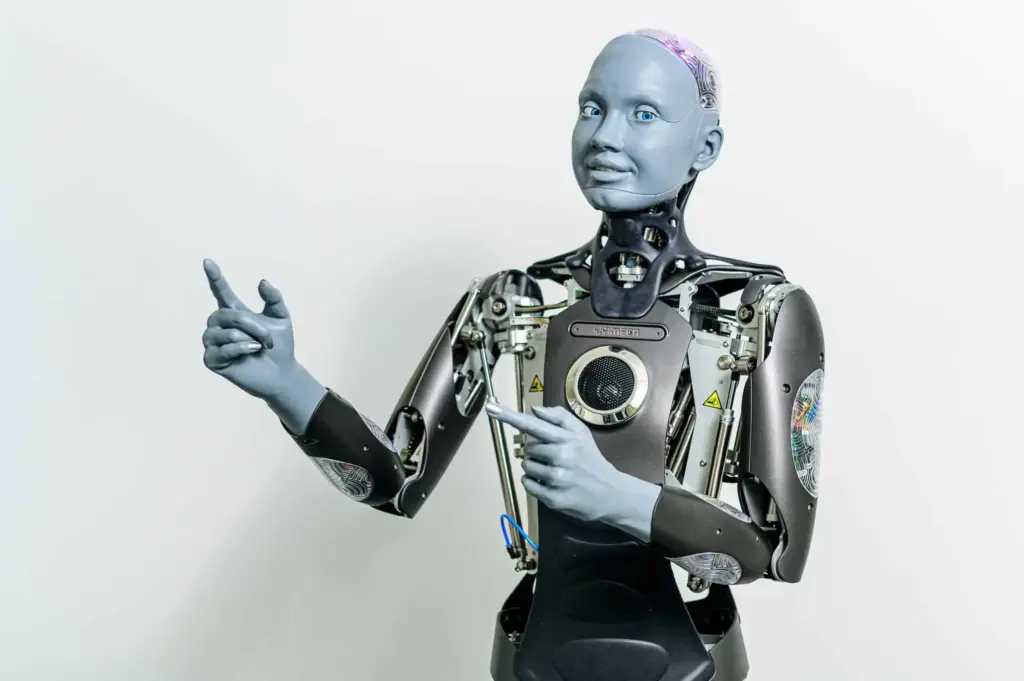
Humanoid robots are set to revolutionize the way industries operate, with Hyundai Motor Group planning to incorporate these advanced machines into its factories beginning in 2028. This move signifies the South Korean giant’s commitment to enhancing manufacturing efficiency through the integration of automation in the auto industry. Featuring remarkable technology like Boston Dynamics’ Atlas robot showcased at CES, Hyundai aims to deploy these humanoid robots across its global network, including facilities in the United States. The rise of Hyundai humanoid robots marks a fascinating shift, as companies like Tesla and Amazon also explore the potential of robots in manufacturing. By employing robots designed to assist human workers while taking on hazardous tasks, Hyundai believes this innovation will reduce physical strain and lead to a broader acceptance of advanced factory technology in modern manufacturing processes.
Human-like machines, often referred to as humanoid automatons, are making significant strides within the industrial sphere as major manufacturers adopt cutting-edge robotic solutions. These advanced robotics, akin to the renowned Atlas model by Boston Dynamics, are engineered to replicate human movements and behaviors, fostering collaboration with human workers in diverse manufacturing settings. Much like the trend seen with automation in the auto industry, companies are eager to integrate these sophisticated devices to enhance efficiency and productivity in their operations. The incorporation of humanoid robots also aims to address labor challenges, making it easier to manage physically demanding or dangerous tasks. As industries worldwide evolve, the role of these anthropomorphic technologies will become increasingly prominent, guiding the future toward smarter, more capable manufacturing environments.
The Rise of Humanoid Robots in the Automotive Industry
The introduction of humanoid robots in the automotive sector marks a transformative era for manufacturing processes. Companies like Hyundai Motor Group are at the forefront of this trend, making bold strides to integrate advanced robotics technologies. By 2028, Hyundai plans to deploy Atlas, a sophisticated humanoid robot from Boston Dynamics, across its factories. This shift not only emphasizes the increasing reliance on automation in the auto industry but also the potential for these robots to enhance productivity by performing complex tasks alongside human workers.
Humanoid robots such as Atlas are designed to mimic human dexterity and mobility, allowing them to engage in various manufacturing functions. These robots can alleviate physical strain on workers by taking over repetitive and potentially hazardous tasks. In a competitive market, companies embracing these technologies position themselves for success and innovation, paving the way for smarter factories and streamlined operations.
Hyundai’s Vision for Automation and Factory Technology
Hyundai’s commitment to automation reflects a broader trend within the automotive sector, where factory technology is being revolutionized by artificial intelligence and machine learning. Investing over $20 billion in the U.S. to modernize manufacturing facilities signifies Hyundai’s belief in a future where robots, such as those developed by Boston Dynamics, play a crucial role in day-to-day operations. This strategic move not only aligns with President Trump’s initiative to enhance domestic manufacturing but underscores the need for automakers to incorporate cutting-edge technology to remain competitive.
As the automotive industry evolves, Hyundai’s integration of humanoid robots exemplifies a positive shift towards technology that augments human labor rather than completely replacing it. Maintaining a workforce that collaborates with robots allows for the retention of jobs, provided that workers are trained to manage advanced technologies. Therefore, by prioritizing education and adaptation in the face of technology, Hyundai aims to foster an environment where automation complements human effort in the ever-changing landscape of manufacturing.
Addressing Job Security Concerns in the Age of Automation
As Hyundai Motor Group embraces humanoid robotics, the implications for the workforce have raised valid concerns about job security. Many fear that the introduction of robots like Atlas might lead to significant job losses within the automotive sector. Hyundai’s vice-chair, Jaehoon Chang, acknowledged these sentiments during the Consumer Electronics Show (CES), emphasizing the importance of maintaining a collaborative model where both robots and humans can coexist. The key lies in recognizing that while robots may take on specific roles, the demand for skilled labor to train and oversee these machines will persist.
Education and retraining initiatives are essential to preparing the existing workforce for this impending technological shift. By investing in the upskilling of workers, companies can ensure that employees remain integral to the manufacturing process, adapting their roles to focus on oversight and innovation. In this transitional period, promoting a culture of continuous learning will bridge the gap between traditional manufacturing practices and futuristic robotics-driven production.
Impacts of Humanoid Robots on Manufacturing Efficiency
The utilization of humanoid robots in manufacturing settings is anticipated to significantly enhance operational efficiency. Tasks that were once time-consuming can now be executed with precision and speed by robots like Atlas, allowing human workers to focus on more strategic aspects of production. This advancement in factory technology not only results in increased throughput but also minimizes errors caused by fatigue and physical strain on human employees, ultimately leading to higher quality outputs from automotive manufacturers.
Moreover, the deployment of humanoid robots in the assembly line could facilitate a transition to agile manufacturing practices. By utilizing robots that can quickly adapt to various tasks, manufacturers can respond faster to market demands and customer preferences, driving innovation within the industry. This flexibility is crucial as companies race to develop high-quality products efficiently while integrating sustainable practices into their operations.
The Future of Humanoid Robots in Global Manufacturing
The global landscape of manufacturing is changing dramatically with the introduction of humanoid robots. Hyundai’s proactive approach to integrating Atlas across its factories signals a future where automation is commonplace. As competitors like Amazon and Tesla also move toward similar technologies, the race for leadership in robotics within the automotive industry is intensifying. This trend points to an inevitable shift where companies that prioritize humanoid robotics in their operations may gain significant competitive advantages.
The future of manufacturing will likely encompass collaborative workplaces where robots and humans operate side by side. This synergy between advanced technology and human capabilities will redefine the labor market dynamics, creating new opportunities that cater to the strengths of both robots and workers. As Hyundai and others invest further in automation, the vision for a seamless integration of smart robots will become a reality in factories worldwide.
Hyundai’s Strategic Partnerships in Robotics Development
Hyundai’s acquisition of a majority stake in Boston Dynamics reflects its commitment to pioneering robotics innovation. By partnering with a leader in robotic development, Hyundai positions itself to leverage advanced technologies that will transform traditional manufacturing methodologies. The collaboration paves the way for enhanced research and development, propelling Hyundai further into the realm of automation in the auto industry.
This strategic relationship not only benefits Hyundai but also sets a precedent for the industry, encouraging other automakers to explore similar partnerships. As the demand for sophisticated machinery grows, companies must recognize the importance of collaboration with robotics experts to keep pace with technological advancements. The integration of such partnerships will drive innovation and facilitate the development of humanoid robots that can operate efficiently in complex manufacturing environments.
Integrating AI and Robotics for a Smarter Future
The combination of artificial intelligence (AI) and humanoid robots presents unprecedented opportunities for the automotive industry. Hyundai’s investment in AI technologies complements its efforts to deploy Atlas across factories, creating a robust ecosystem where intelligent machines can perform autonomously while learning from human counterparts. This synergy promises not just improved efficiency, but also the adaptability necessary for thriving in a dynamic market.
As AI continues to evolve, the capabilities of humanoid robots like Atlas will expand, leading to smarter manufacturing processes. In the context of automation in the auto industry, these advancements will allow manufacturers to optimize production cycles, reduce waste, and respond more quickly to changing consumer demands. Ultimately, the integration of AI with robotics heralds a new chapter for manufacturing, one that prioritizes innovation and sustainability.
Challenges in Implementing Humanoid Robotics
While the vision of integrating humanoid robots into factories is promising, several challenges accompany this technological leap. Companies like Hyundai must navigate issues related to initial investment, training personnel, and ensuring that the existing workforce adapts efficiently to new roles. The transition from traditional manufacturing techniques to a robotics-driven approach requires careful planning and resources, particularly in developing training programs for employees to work alongside advanced technologies.
Moreover, ethical considerations regarding job displacement and worker safety must be addressed. As robots take over tasks deemed hazardous or physically demanding, companies have a responsibility to ensure that displaced workers are supported through retraining initiatives. Ultimately, the success of integrating humanoid robots in the workforce hinges on a balanced approach that recognizes the potential for technological advancement while safeguarding the interests of employees.
Enhancing Worker Safety with Humanoid Robots
One of the most significant advantages of incorporating humanoid robots into manufacturing is the enhancement of workplace safety. Robots like Atlas can be deployed in environments where high-risk tasks are commonplace, effectively reducing the likelihood of workplace injuries. This shift not only protects workers but also proves beneficial for companies by lowering accident-related costs and increasing overall productivity.
By utilizing robots for potentially dangerous jobs, Hyundai can ensure that human employees focus on safer, more cognitively engaging roles in the manufacturing process. This dual approach serves to maximize safety while simultaneously enhancing job satisfaction, as workers are less exposed to hazardous conditions. As technology evolves, the role of humanoid robots will become increasingly pivotal in establishing safer work environments across various industries.
Frequently Asked Questions
What are Hyundai humanoid robots and how will they impact the manufacturing industry?
Hyundai humanoid robots, specifically the Atlas model developed by Boston Dynamics, are designed to work alongside human workers in factories. These robots will automate various tasks, helping to reduce physical strain on employees and manage potentially hazardous operations, ultimately enhancing efficiency in the manufacturing process.
How does Boston Dynamics Atlas enhance automation in the auto industry?
Boston Dynamics’ Atlas robot enhances automation in the auto industry by providing advanced capabilities for collaboration with human workers. This humanoid robot is equipped to handle complex tasks autonomously and efficiently, making it an essential tool for improving productivity and safety in automotive manufacturing environments.
What role do robots in manufacturing play at Hyundai factories?
At Hyundai factories, robots in manufacturing, particularly humanoid robots, will play a critical role in streamlining operations and augmenting human labor. They will assist with repetitive tasks, allow for more efficient workflow, and ensure that hazardous materials are managed safely, thus improving overall workplace conditions.
When is Hyundai Motor Group expected to integrate humanoid robots into their factories?
Hyundai Motor Group plans to integrate humanoid robots into their factories starting in 2028, reflecting the company’s commitment to adopting advanced automation technologies to improve manufacturing efficiency.
What benefits do Hyundai humanoid robots offer to workers in the auto industry?
Hyundai humanoid robots offer numerous benefits to workers in the auto industry, including reducing physical strain, managing dangerous tasks, and allowing human employees to focus on more complex and value-added activities. This integration is intended to enhance workplace safety and operational productivity.
How will automation in the auto industry change with the introduction of humanoid robots?
The introduction of humanoid robots like those from Hyundai will significantly change automation in the auto industry by increasing efficiency and precision. These robots are expected to collaborate with human workers, take over repetitive tasks, and adapt to various manufacturing environments, leading to improved production rates and reduced operational risks.
Will the use of humanoid robots in Hyundai factories impact job opportunities?
While there are concerns regarding job displacement due to the use of humanoid robots in Hyundai factories, the company acknowledges that there will remain a necessity for human workers to train, oversee, and collaborate with these robots. This partnership aims to create new roles that focus on managing and optimizing robotic functions.
What are the expected capabilities of Hyundai’s Atlas humanoid robots?
Hyundai’s Atlas humanoid robots are expected to have a range of capabilities, including operating machinery autonomously, performing various manual tasks, and collaborating with human employees. Their design focuses on enhancing industrial applications, making them valuable assets in the manufacturing sector.
| Key Points | Details |
|---|---|
| Hyundai’s Introduction of Humanoid Robots | Starting in 2028, Hyundai will introduce humanoid robots, specifically Atlas, into its factories. |
| Collaboration with Boston Dynamics | Hyundai owns a majority stake in Boston Dynamics and plans to integrate Atlas robots across its global network. |
| Role of Humanoid Robots | Atlas robots will work alongside humans, alleviating physical strains and managing hazardous tasks. |
| Concerns Raised | Concerns regarding job losses were highlighted, but the need for human roles in training robots was also acknowledged. |
| Significant Investments | Hyundai plans to invest over $20 billion in US manufacturing, enhancing production and AI technologies. |
| Impact of Immigration Raid | A recent immigration raid at a Hyundai facility raised concerns about foreign investment. |
Summary
Humanoid robots are set to revolutionize the automobile manufacturing industry, as showcased by Hyundai’s announcement to deploy Atlas robots in its factories by 2028. This innovative move aims to integrate advanced robotics that support human workers, ultimately leading to improved efficiency and reduced physical strain. As other major companies like Tesla and Amazon also venture into the realm of humanoid robots, this trend marks a significant shift in how industries operate. The growing presence of humanoid robots will not only enhance productivity but will also prompt discussions on the future role of human workers in a technology-driven environment.

