
Listen to this article
HS2 tunnel boring is making headlines as the colossal machine named Madeleine commences its groundbreaking journey beneath London. This 1,600-ton engineering marvel is set to create a vital link for the HS2 high-speed rail project, extending over 4.5 miles from Old Oak Common to the revamped Euston station. As we closely monitor the HS2 project update, reports of Madeleine’s progress offer a glimpse into the ambitious tunnel construction news shaping the future of rail travel in Britain. Despite the challenges surrounding design and cost, the excavation marks a significant leap towards realizing a modern transportation infrastructure that promises to enhance connectivity across the nation. With plans for affordable housing and commercial development integrated into the Euston station development, HS2 aims to unlock the economic potential of this transformative rail network.
The term HS2 tunnel boring refers to the intricate process of creating subterranean passages for the high-speed rail initiative aimed at connecting major cities across the UK. Often referred to as tunnel excavation or underground construction, this endeavor involves powerful machinery like Madeleine designed to shift vast amounts of earth while simultaneously installing robust concrete structures. The HS2 venture, which includes updates on the Euston station expansion and affordable transport hubs, embodies the future of rail as it seeks to rejuvenate urban landscapes. As tunnel construction continues, the focus remains on ensuring that this ambitious high-speed rail project benefits not only commuters but also local communities through job creation and infrastructure enhancements.
Introduction to HS2 Tunnel Boring with Madeleine
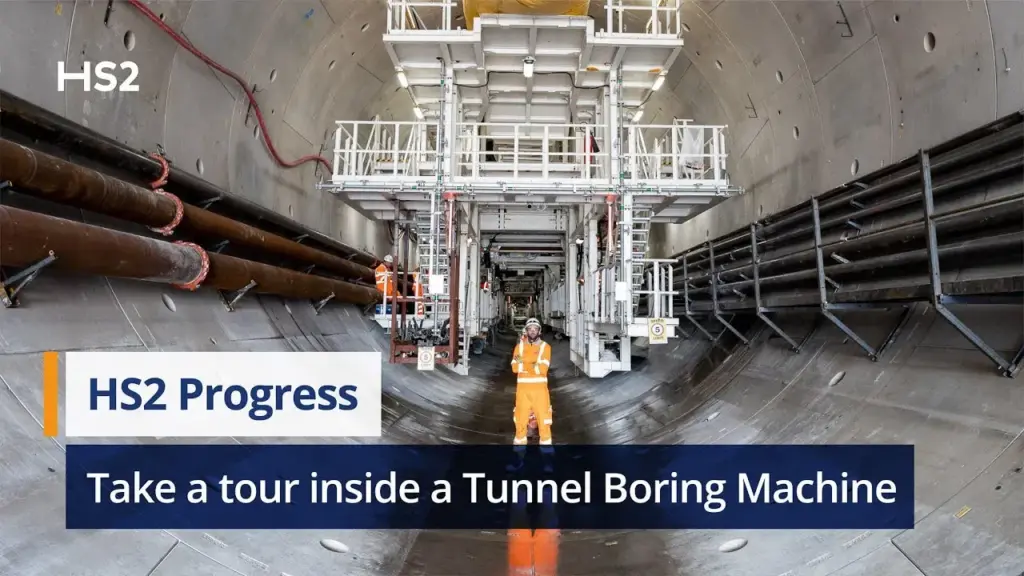
The HS2 (High-Speed 2) project has taken a significant leap forward with the activation of the tunnel boring machine named Madeleine. This colossal machine, weighing 1,600 tons and measuring 190 meters in length, is designed to carve a tunnel for HS2 trains traveling into central London. It is tasked with creating a crucial 4.5-mile link between Old Oak Common and the expanded Euston station. By utilizing advanced technology and engineering techniques, Madeleine will help facilitate the UK’s ambitious high-speed rail project, aimed at enhancing connectivity and reducing travel times across major cities.
Madeleine’s activation symbolizes a monumental step towards realizing the HS2 project’s objectives, despite ongoing discussions about the station’s design and funding. The HS2 tunnel boring initiative aligns with the government’s goal of establishing an efficient transport hub that complements both current infrastructure and future needs. However, the timeline for reaching the new Euston station remains uncertain, as public officials have committed to providing updates later this year to clarify the project’s direction.
Frequently Asked Questions
What is the role of the Madeleine boring machine in the HS2 tunnel construction?
The Madeleine boring machine is a crucial part of the HS2 tunnel boring process. Weighing 1,600 tons, it has been activated to dig a 4.5-mile tunnel linking Old Oak Common in west London to the future Euston station. This machine, named after a pioneering female engineer, enhances the project’s goal of connecting cities through high-speed rail.
How does the HS2 project update impact the timeline for the Euston station development?
The HS2 project update indicates that while tunneling progresses with machines like Madeleine, the timeline for Euston station construction is still uncertain. A redesigned, more affordable plan is in development, with a government announcement expected soon, aiming to address previous design and cost issues.
What challenges has the HS2 tunnel construction faced regarding cost and design?
The HS2 tunnel construction has encountered significant challenges, including escalating costs and design issues deemed ‘infeasible’ or ‘too expensive.’ The project is now overseen by Mark Wild, who is working on a reset plan to provide a clearer timeline and cost estimate, with predictions suggesting the project’s costs may exceed £100 billion.
When can we expect the completion of the HS2 tunnel boring with the Madeleine and Karen machines?
The combined tunnel boring efforts of the Madeleine and Karen machines are expected to take around 18 months. Both machines will excavate the tunnel while simultaneously constructing and fitting concrete segments, allowing for efficient progress toward the HS2 project’s goals.
What are the environmental considerations for HS2 tunnel construction?
The HS2 project, particularly its tunnel construction, faces environmental scrutiny as it must balance the need for straight routes for high speeds with the preservation of natural beauty in areas along the route. Tunnel boring can help mitigate the impact on surface landscapes.
How is the Euston Delivery Company involved in the HS2 project?
The Euston Delivery Company will play a vital role in overseeing the construction of the new Euston station as part of the HS2 project. The company aims to develop an ‘affordable and integrated transport hub’ that combines public and private investment for successful completion.
What economic benefits does the HS2 project aim to deliver through its tunnel construction?
The HS2 project’s tunnel construction is expected to unlock significant economic potential, enhancing connectivity between major cities, fostering trade, and creating job opportunities. Officials emphasize the importance of the Euston station in realizing these benefits, as expressed by Rail Minister Lord Hendy.
How does the presence of the Madeleine boring machine highlight the advancements in tunnel engineering for HS2?
The Madeleine boring machine symbolizes significant advancements in tunnel engineering for HS2. As described by officials, it embodies engineering innovation and showcases efforts to enhance connections between cities. Its activation marks a critical step toward making the high-speed rail project a reality.
| Key Point | Details |
|---|---|
| Madeleine Machine Activation | A 1,600-ton tunneling machine named Madeleine has been activated to bore a tunnel for HS2, spanning 4.5 miles from Old Oak Common to Euston. |
| Euston Station Plans | Design and cost details for the new Euston station are undisclosed, and a new affordable design is in development. |
| Initial Operations | HS2 will initially link Birmingham to Old Oak Common; however, this is delayed past the target date of 2033. |
| Funding Issues | Funding for the Euston station should come from private firms according to former PM Rishi Sunak, moving away from taxpayer reliance. |
| Start of Tunnel Excavation | The official excavation process began in an underground box at Old Oak Common, with the focus on public-private investment. |
| Project Oversight | The Euston Delivery Company will oversee construction, but it has not yet been established. |
| Timeline and Cost Estimates | Mark Wild is leading a reset plan for HS2, indicating that costs could surpass £100 billion, with a new timeline expected soon. |
| Tunneling Process | Two machines, including a second named Karen, are set to excavate and fit concrete segments while tunneling. |
| Challenges | The HS2 project is facing delays and cost increases, with community opposition to tunneling routes affecting plans. |
Summary
HS2 tunnel boring is a significant phase of the HS2 project, with the activation of the Madeleine machine marking a crucial step towards enhancing rail connectivity. Despite facing numerous challenges, including ballooning costs and project delays, HS2 continues to be positioned as an essential element in unlocking economic potential through improved transport links. The project’s focus on combining public and private investments underlines its commitment to creating a forward-thinking, integrated transportation hub for the UK.