
Listen to this article
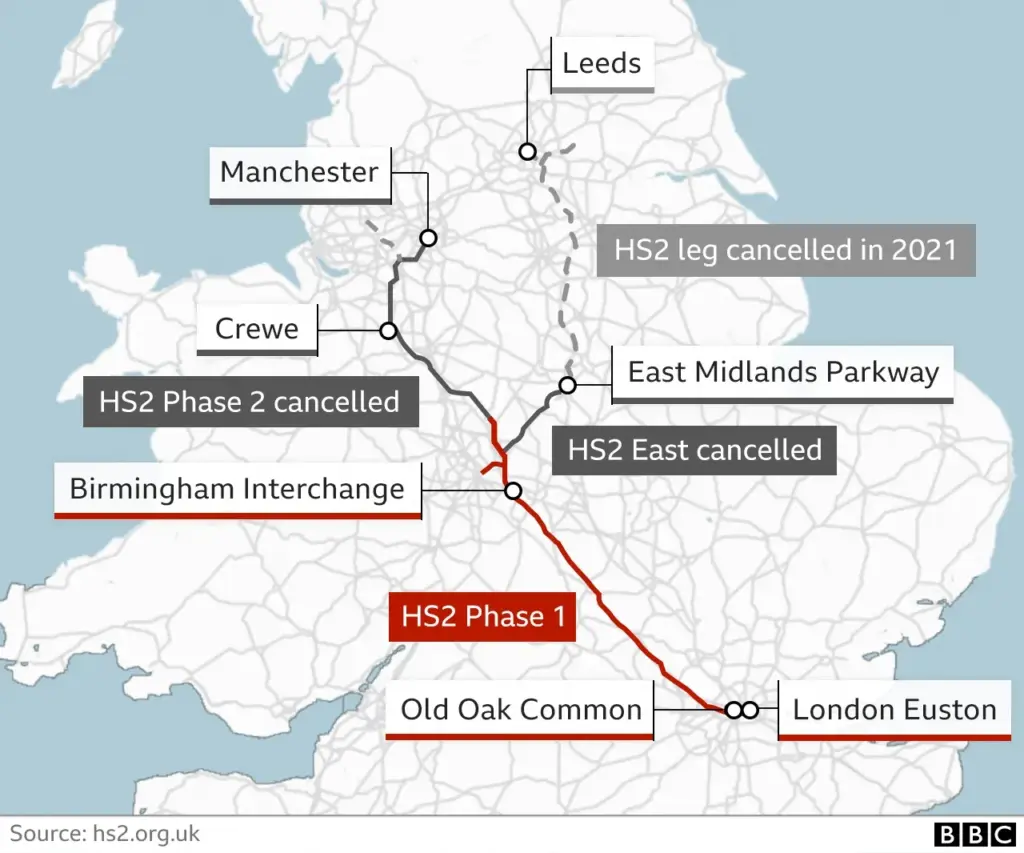
The impact of the HS2 railway extends far beyond mere construction; it is a complex tapestry of community disruptions, environmental changes, and economic consequences. As the UK embarks on this ambitious journey to improve connectivity, the HS2 project effects become evident in the lives of those living along its route. From the dissection of farmlands to the blight on residential properties, the environmental impact of HS2 raises pressing questions about sustainability and ecological preservation. Moreover, many residents voice their HS2 community concerns, citing inadequate compensation and insufficient support for businesses affected by the railway’s construction. This juxtaposition of progress against the backdrop of high-speed rail drawbacks paints a poignant picture of what truly lies at stake in this transformative endeavor.
Exploring the ramifications of the high-speed rail initiative offers a vital lens through which to understand its consequences on various communities. As this ambitious railway project unfolds, discussions surrounding the repercussions for local ecosystems and social fabric intensify, drawing attention to the environmental disruptions linked to its development. Residents express mounting anxieties over compensation issues and the perceived disregard for their livelihoods amidst the rapid expansion of transportation infrastructure. The ongoing debate also highlights the complexity woven into the journey toward modern connectivity, instigating a deeper look into the delicate balance between progress and preservation. Thus, the ongoing narrative surrounding HS2 serves as a critical case study on the broader implications of mega-infrastructure projects in contemporary society.
The Environmental Impact of HS2: A Closer Look
The environmental impact of HS2 has been a significant point of contention among local communities and environmentalists alike. As construction gets underway, concerns have escalated regarding the destruction of habitats and natural ecosystems. The project involves extensive tunneling and the construction of viaducts, which disrupt wildlife corridors and can lead to long-term ecological imbalances. The ecological footprint left by HS2 raises questions about the trade-off between improved transport connectivity and the preservation of the environment.
Moreover, various environmental assessments have highlighted potential threats to biodiversity, particularly in areas where the line directly affects wildlife habitats. Species such as otters, which HS2 Ltd claims to protect by creating holts, still face the risk of displacement. Critics argue that the short-term ecological benefits do not outweigh the long-term damage inflicted by the construction process itself, leading to a growing discourse on the sustainable planning of major infrastructure projects.
HS2 Community Concerns: A Disrupted Way of Life
For many communities situated along the HS2 route, the realities of life amidst construction are devastating. Residents have voiced their fears about losing their homes, their livelihoods, and the very fabric of their communities. With properties blighted and farms split in half, the psychological toll is significant. Reports of angry homeowners whose appeals to HS2 for fair compensation have gone unheard add to the narrative of discontent. Community cohesion is shattered, leaving many feeling isolated and betrayed.
Residents express frustration over HS2 Ltd’s perceived lack of empathy in addressing their grievances. The ongoing delays in compensation payments have exacerbated fears about financial security, triggering a wave of anxiety and uncertainty about the future. This narrative of abandonment highlights the stark contrast between the ambitious vision of HS2 as a national project and the localized suffering it inflicts on those directly in its path.
HS2 Compensation Issues: Navigating Complex Solutions
HS2 compensation issues form a crucial aspect of the conversation around the project’s fairness to affected residents. Although the government has outlined compensation schemes intended to alleviate the impact on local communities, many contend that the measures are inadequate or poorly implemented. Homeowners affected by the construction have reported difficulties in receiving timely compensation, leading to significant financial strain and, in some cases, legal battles against HS2 Ltd.
Additionally, small businesses reliant on local clientele have found themselves overlooked in the compensation framework, which primarily focuses on homeowners. The complexity of these compensation systems creates confusion and distrust among affected parties, further fueling resentment towards HS2. As residents grapple with the financial implications of dislocation, the larger question of equitable treatment looms over the project, casting doubt on its purported benefits.
High-Speed Rail Drawbacks: A Glimpse into the Future
Although HS2 promises to revolutionize travel between major cities, there are notable drawbacks that merit consideration. Critics argue that the exorbitant costs associated with the project could have been allocated to improving existing transport infrastructure across the board. Many express concerns that prioritizing high-speed rail detracts from investments in local transit systems, leaving smaller towns without adequate support. This disparity jeopardizes a truly inclusive national transport strategy.
Furthermore, the anticipated reductions in travel time may not yield the societal benefits envisioned by proponents. The project could exacerbate urban congestion as cities become more accessible, ultimately creating new challenges such as overcrowding and increased demand on local resources. Thus, while HS2 may enhance connectivity, its potential drawbacks warrant vigilance and a comprehensive approach to urban and regional planning.
Economic Implications of HS2: Financial Considerations
The economic implications of HS2 are under intense scrutiny, particularly regarding the massive investment required to complete the project. Proponents argue that the railway will generate significant economic growth, creating jobs in construction and ultimately in industries benefiting from improved transportation. However, skepticism surrounds the estimated returns on investment, as analysis indicates that some projected benefits may be over-optimistic. The question remains: will HS2 truly serve as an economic catalyst or simply be a financial sinkhole?
In contrast, detractors emphasize the opportunity cost of such an ambitious project, suggesting that resources could have instead been allocated to upgrading rail services across the country, providing wider benefits to communities that may be left behind as the focus shifts to high-speed rail. This debate continues to fuel discussions about the economic priorities of government investments and the potential for more sustainable and equitable alternatives.
HS2: Bridging Communities or Dividing Them?
The construction of HS2 raises the complex issue of whether it bridges communities or creates divisions. While the project aims to connect major urban centers and enhance accessibility, the reality on the ground suggests a divide between the communities directly impacted and those that will benefit economically. For residents whose lives are disrupted, HS2 often feels like a symbol of neglect and powerlessness in the face of governmental ambitions.
Moreover, as the project progresses, the conversation has shifted from mere connectivity to social equity, highlighting the importance of addressing the needs and rights of impacted communities. In search of a balanced approach, stakeholders argue for greater engagement with local communities to ensure that the benefits of HS2 are distributed fairly and equitably, ultimately fostering an inclusive dialogue about the future of transport.
Balancing Progress and Preservation: The HS2 Dilemma
The HS2 project epitomizes the ongoing dilemma of balancing progress with environmental preservation. On one hand, high-speed rail promises to reduce travel times and, ideally, carbon emissions compared to car or air travel. On the other hand, the inherent environmental impact raises critical questions about the cost of such advancements. The challenge lies in finding a compromise that allows for infrastructure development while protecting biodiversity and local ecosystems.
As the planning and construction phases unfold, it is imperative for stakeholders to prioritize sustainable practices and minimize disruptions to the environment. Engaging environmental specialists and community advocates can ensure that the vision of high-speed rail aligns with the preservation of natural resources. This ongoing conversation about progress and preservation will undoubtedly shape the future of similar projects across the country.
Public Sentiment on HS2: A Divided Opinion
Public sentiment regarding the HS2 project remains overwhelmingly divided, as seen during various public consultations and local meetings. Surveys suggest that a substantial proportion of the public has consistently expressed disapproval or indifference to the project, primarily due to perceived inadequacies in communication and the broad scope of local disruptions. Voter apprehension amplifies calls for a reevaluation of the project’s necessity and scope.
This lack of trust in project leaders can hinder effective dialogue between HS2 Ltd and local communities, making it difficult to foster a narrative of unity. Perhaps what is most telling is the polarization of opinions along the HS2 route, where those directly affected often hold starkly different views compared to residents in non-affected areas. Addressing public sentiment and fostering trust will be essential for assuaging community concerns moving forward.
The Future of High-Speed Rail: Lessons to Learn from HS2
As the HS2 project approaches various phases of completion, it presents an opportunity to learn valuable lessons for future high-speed rail endeavors. One major takeaway revolves around community engagement; ensuring that local voices play a role in decision-making can mitigate opposition and foster a sense of ownership over the development. Understanding the needs and concerns of residents can lead to more thoughtful planning and execution.
Additionally, the HS2 experience highlights the necessity of thorough environmental assessments and transparent compensation frameworks. Future projects should incorporate robust ecological considerations and empathetic strategies for compensation, ensuring that economic goals do not overshadow community welfare. By applying these lessons, future initiatives can enhance connectivity without incurring significant social and environmental costs.
Frequently Asked Questions
What are the environmental impacts of HS2 railway construction?
The environmental impact of HS2 is significant, with concerns about habitat destruction, noise pollution, and emissions during the construction phase. The project has faced criticism for disrupting local ecosystems and wildlife habitats, particularly due to the need for extensive tree felling and alteration of landscapes.
How does the HS2 project affect local communities?
HS2 community concerns have been substantial, as many residents report that their homes and businesses are negatively impacted or even destroyed. People living near the construction sites often experience increased noise, traffic disruption, and a perceived decline in property values due to the project’s presence.
What compensation issues are associated with the HS2 project?
HS2 compensation issues are a hot topic among those affected. Many claim that the compensation offered by HS2 Ltd. does not reflect the true market value of their properties and is inadequate for the disruption caused. There are ongoing complaints about delays and unresponsive negotiations regarding compensation claims.
What are some drawbacks of high-speed rail like HS2?
The drawbacks of high-speed rail, such as HS2, include substantial financial costs, environmental degradation, and significant community upheaval. While the intention is to improve transport efficiency, the human and ecological costs raise critical questions about its sustainability and ethical implications.
Have pollution concerns been raised regarding the HS2 project?
Yes, pollution concerns related to the HS2 project include not only emissions from construction vehicles but also long-term impacts from increased train traffic. Critics highlight that while high-speed rail may reduce car usage, the immediate construction phase contributes to considerable air quality issues in surrounding areas.
How is HS2 expected to improve connectivity?
HS2 is designed to enhance connectivity by significantly reducing travel times between major cities, such as London and Birmingham, potentially making public transport more attractive. However, the anticipated benefits have been met with skepticism due to the considerable sacrifices imposed on affected communities.
| Key Point | Details |
|---|---|
| Community Impact | HS2 has caused significant disruption to local communities, with homes and farms being directly affected, leading to a negative perception among residents. |
| Public Perception | Despite political support for HS2, public opinion has been largely negative, with residents expressing feelings of anger and betrayal. |
| Environmental Concerns | Construction of HS2 has raised ecological questions, with significant impacts on local wildlife and landscapes. |
| Economic Factors | The cost of building HS2 has been soaring, with reports of poor compensation for affected homeowners and businesses. |
| Engineering Feats | HS2 includes complex construction projects like major viaducts and tunnels, which add to the project’s overall expense. |
Summary
The HS2 railway impact has elicited widespread controversy as construction continues. While it aims to enhance connectivity between cities, the human and ecological costs are considerable. Local communities bear the brunt of this project, facing disruptions and enduring negative consequences that overshadow the anticipated benefits of faster travel times. The complex narrative surrounding HS2 highlights the imperative for balancing infrastructure development with community needs and environmental protection.