Listen to this article
The recent UK State Pension changes are setting the stage for a significant shift in how individuals plan for their retirement. For those nearing retirement age or reviewing their financial strategies, understanding these adjustments is essential to navigate the evolving landscape of retirement plans. Amidst rising life expectancy and an aging population, modifications such as the gradual increase in state pension age and discussions around the future of the triple lock pension challenge traditional expectations. These alterations not only influence financial planning but also provoke important conversations about pension increases and their sustainability. As we explore the implications of these UK State Pension changes, it’s crucial to consider how they may affect your future financial security.
In light of recent adjustments within the retirement funding framework in the UK, the intricacies surrounding pensions have gained renewed focus. The pension system, which is intended to support those in their retirement years, is undergoing transformations that could impact the timing and amount of funds disbursed to retirees. With the age at which one can access their pension set to rise, and varying debates surrounding the effectiveness of the triple lock system, individuals must reassess their retirement strategies. Understanding the nuances of these changes is critical, especially for those planning their financial futures in anticipation of potential pension increases. As we delve deeper into the shifts in this essential social safety net, it’s important to stay informed and adapt your plans accordingly.
The Importance of Understanding UK State Pension Changes
Awareness of the changes to the UK state pension is crucial for effective retirement planning. Many individuals may not fully grasp the implications of these adjustments, particularly how they affect the timing and amount of pension payouts. As more people approach retirement, a deep understanding of the new regulations can mean the difference between a comfortable retirement and financial struggles. The state pension system, designed to provide a solid foundation for retirement income, is undergoing significant changes, and it is imperative to stay informed.
Changes to the state pension can alter not only when individuals can retire but also how much they can expect to receive. With the gradual increase of the state pension age and potential modifications to the triple lock policy, retirees must adapt their financial strategies. Staying informed about these legal and economic shifts allows retirees to make necessary adjustments to their retirement plans, potentially considering additional savings or investments.
Navigating Retirement Plans Amid State Pension Changes
As the state pension evolves, so too must personal retirement plans. It is essential for individuals to assess their current financial situations and timelines in light of the latest pension reforms. For example, those anticipating a pension payout at age 66 need to reevaluate their savings strategies, possibly deferring retirement to enhance their financial security during retirement years.
Incorporating flexibility into your retirement plan can be extremely beneficial. Building a financial portfolio that considers various income sources, such as private pensions alongside the state pension, can offer a more secure retirement. Additionally, consulting financial advisors to navigate these complex changes can help individuals align their retirement savings with the evolving state pension framework.
The Future of the State Pension Age
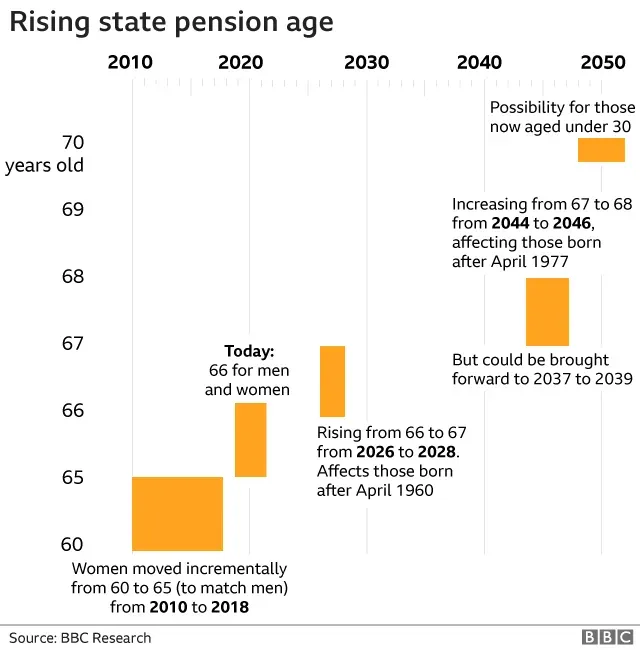
The rising state pension age signifies a broader trend of increasing longevity and healthier living among older adults. While this change is beneficial in many ways, it may also come with challenges for those who have planned around existing pension age structures. Understanding the implications of these adjustments is vital for individuals nearing retirement and requires an evaluation of their expectations regarding pension payouts.
Moreover, the adjustment in pension age not only affects current retirees but also those in their 40s and 50s, who must plan their retirement funds accordingly. As the state pension age continues to trend upwards, individuals will need to account for this delay in receiving state funds when planning their retirement investment strategies and adjusting their savings goals.
Assessing the Triple Lock Pension Policy
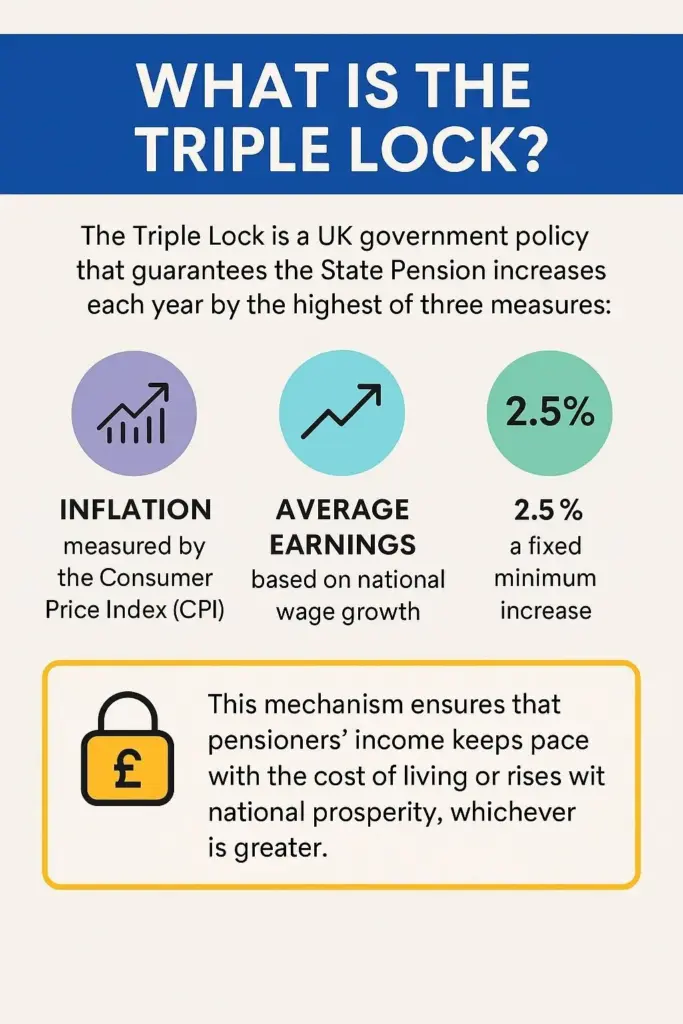
The triple lock pension policy serves as a safety net for pensioners, ensuring that their income keeps pace with inflation and earnings. The assurance provided by this policy has laid a foundation for many retirement plans; however, ongoing economic pressures have put this safety net at risk. As individuals plan for their retirement, it’s essential to monitor discussions surrounding the future of the triple lock and consider the potential impact on their future income.
Should the government alter or abolish the triple lock system, retirees may find themselves with less purchasing power than they anticipated. This potential change necessitates proactive steps on the part of future retirees, such as increasing personal savings or exploring additional income sources to supplement their pensions, providing a buffer against the uncertainties of political and economic circumstances.
The Impact of Inflation on Pension Increases
Inflation plays a critical role in determining the adequacy of the state pension, directly affecting the purchasing power of pensioners. With rising living costs, any adjustments to the pension payout amount need to align with inflation rates to maintain a stable standard of living for retirees. Individuals must stay alert to economic conditions and consider incorporating inflation hedging strategies into their investments to safeguard against diminished purchasing power.
Understanding how inflation influences pension increases is fundamental to effective financial planning. As prices rise, the actual value of pension income may decrease, impacting retirees’ abilities to meet their financial obligations. Therefore, proactive measures, such as diversifying investments and enhancing retirement savings, become crucial for preserving financial stability in an inflationary environment.
Preparing for Future Changes in the Pension Landscape
Retirement planning is an ongoing process that requires adaptability in the face of changing pension laws and economic trends. As the UK state pension undergoes modifications, individuals must remain vigilant and proactive in adjusting their retirement strategies. This calls for regular assessments of one’s financial situation, seeking advice from pension specialists, and potentially altering investment tactics to accommodate for a less predictable pension landscape.
Moreover, future retirees are encouraged to participate in discussions and feedback concerning pension reforms, ensuring that their voices are heard. Being informed and engaged can help shape the future of the state pension system, ultimately benefiting both current and upcoming retirees. Embracing continuous learning about financial regulations and market trends will also enable individuals to make the most informed decisions for their retirement.
Frequently Asked Questions
What are the recent UK State Pension changes and how do they affect my retirement plans?
Recent UK State Pension changes include the gradual increase in the State Pension Age (SPA), which is now moving towards 66 and potentially 68. These changes mean you may need to adjust your retirement plans accordingly to accommodate a later pension start date.
How will the increase in the State Pension Age impact future retirees in the UK?
The increase in the State Pension Age will significantly affect future retirees by delaying when they can start receiving pension payments. As the SPA rises from 65 towards 68, it’s crucial for individuals to reassess their retirement timelines and savings strategy.
What is the triple lock pension mechanism and how might it change?
The triple lock pension mechanism ensures that the UK State Pension increases annually based on inflation, average earnings, or 2.5%, whichever is highest. Due to economic pressures, the future of the triple lock is under review, which could impact the amount of pension increases you receive.
What factors could affect the future of pension increases under the UK State Pension system?
Factors affecting future pension increases include inflation rates and the government’s financial obligations. If inflation remains high, it could lead to significant adjustments under the triple lock, while economic strain may force modifications or the discontinuation of the policy.
How can I prepare for potential changes in the UK state pension system?
To prepare for potential UK state pension changes, consider consulting a financial advisor to revise your retirement plans. It’s essential to plan for a later state pension age and account for varying pension increase scenarios based on the triple lock system.
What is the importance of understanding UK State Pension changes when planning retirement?
Understanding UK State Pension changes is crucial for effective retirement planning as these alterations can significantly impact your financial security and timing of income. Awareness of the state pension age adjustments and potential pension increases helps in creating a robust retirement strategy.
| Key Point | Details |
|---|---|
| Types of State Pension | Basic state pension and new state pension with different eligibility criteria and payment structures. |
| State Pension Age Changes | SPA is gradually increasing from 65 to potentially up to 68, impacting retirement planning timelines. |
| Impact of the Triple Lock | The triple lock system guarantees annual pension increases based on inflation, average earnings, or 2.5% but may face changes due to economic pressures. |
Summary
UK State Pension Changes are set to significantly shape retirement plans for many individuals. The recent alterations, including the gradual increase in the state pension age and the uncertain future of the triple lock system, underscore the need for effective retirement strategies. As the state pension age rises, particularly for women, it becomes increasingly important for individuals to reassess their retirement timelines. Furthermore, the potential alterations to the triple lock could impact pension adjustments, highlighting the necessity for enhanced personal savings and financial planning. By understanding these changes to the UK state pension system, individuals can better prepare for a financially secure retirement.