Listen to this article
Training changes your body in remarkable ways, enabling you to unlock a new level of fitness and health. As you engage in regular exercise, your body undergoes various physiological adaptations, including muscle hypertrophy and significant cardiovascular adaptations. These changes are supported by the principles of exercise physiology, which highlight the importance of understanding how your body responds to physical stress. From metabolic changes that enhance your energy efficiency to improved stamina that allows you to push through workouts, the benefits are comprehensive. Embracing these transformations not only optimizes athletic performance but also boosts your overall wellbeing.
When we discuss the impact of physical training on the human body, we are examining the profound effects of exercise on health and wellness. This encompasses a wide arena of changes, from the increase in muscle size and strength through resistance training to enhanced endurance from aerobic workouts. Furthermore, engaging in regular activity leads to beneficial alterations in metabolism and hormonal balance, enriching both physical and mental health. By integrating key concepts like hypertrophy, cardiovascular fitness, and metabolic enhancement into our understanding, we can appreciate the full scope of how our bodies evolve through training. Ultimately, this knowledge empowers individuals to make informed choices in their fitness journeys.
Understanding Muscle Hypertrophy and Its Importance
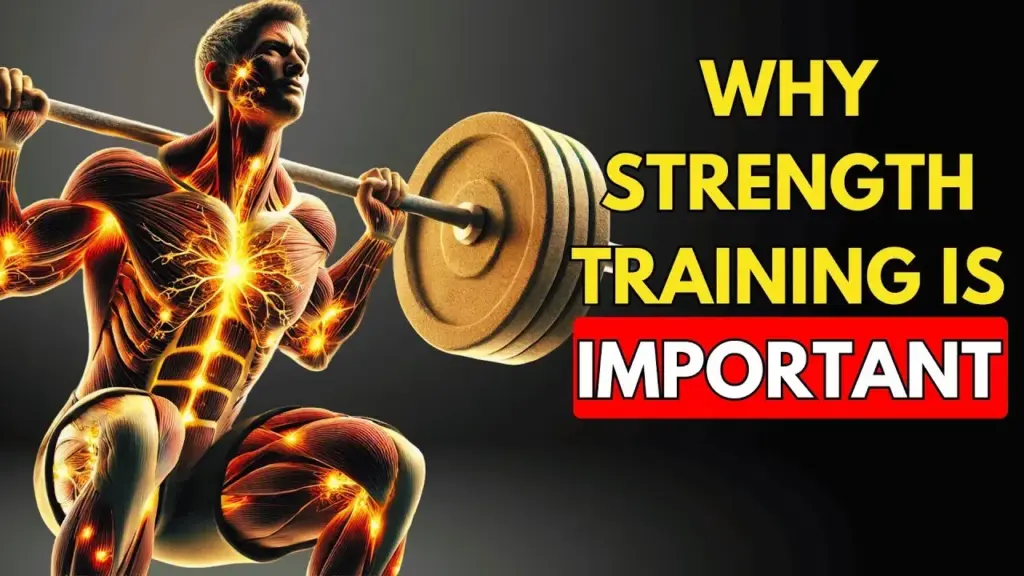
Muscle hypertrophy is a key concept in exercise physiology, referring to the increase in muscle fiber size resulting from strength training. This physiological adaptation is crucial for anyone looking to enhance their strength and overall performance. When resistance training is performed, the body responds by repairing and reinforcing muscle fibers, leading to increased size and strength. Factors such as progressive overload, proper nutrition, and recovery play pivotal roles in optimizing this process.
Moreover, muscle hypertrophy not only contributes to physical appearance but also significantly impacts metabolism. Increased muscle mass elevates the basal metabolic rate (BMR), allowing the body to burn more calories at rest. This metabolic change is beneficial for those aiming to lose fat or maintain a healthy weight, as it creates a calorie deficit more effortlessly. Thus, understanding how training changes your body through hypertrophy is essential for effective fitness strategies.
The Role of Cardio in Your Fitness Journey
Aerobic exercise, commonly referred to as cardio, plays an instrumental role in enhancing cardiovascular health. Through activities such as running, cycling, or swimming, individuals experience significant cardiovascular adaptations. These adaptations include improvements in heart efficiency, increased stroke volume, and lower resting heart rates. As these changes occur, they enhance overall stamina and endurance, allowing individuals to engage in high-intensity activities for longer periods.
Furthermore, engaging in regular cardio workouts leads to improved oxygen utilization by muscles, an important factor for endurance athletes. As the cardiovascular system becomes more efficient, the body can sustain prolonged activities, increasing performance levels. These adaptations, alongside muscle hypertrophy achieved through strength training, create a comprehensive fitness regimen that addresses both aerobic and anaerobic components of exercise.
Metabolic Changes: The Engine of Your Body
The body’s metabolism undergoes profound changes with regular exercise. Understanding these metabolic changes is essential for anyone seeking to maximize their fitness and health outcomes. Exercise, particularly resistance training, has been shown to enhance the basal metabolic rate (BMR) by increasing muscle mass. This is critical since muscle tissue is metabolically active, meaning it burns more calories at rest compared to fat tissue.
Additionally, engaging in consistent physical activity improves insulin sensitivity, which is vital for managing blood sugar levels. Enhanced insulin sensitivity reduces the risk of metabolic disorders like type 2 diabetes, underscoring the importance of exercise in promoting long-term health. Thus, the metabolic changes resulting from training not only aid in weight management but also contribute to overall wellness.
The Hormonal Impact of Training
Training significantly influences hormone levels within the body, which can drastically affect performance, mood, and recovery. During exercise, several key hormones are released, including endorphins, which promote a sense of well-being, and cortisol, a stress hormone that, when managed well, can aid in recovery. Additionally, testosterone plays a crucial role in muscle growth for both men and women and can be positively impacted by structured strength training.
Understanding how to balance exercise intensity and recovery can help regulate these hormones effectively. This balance not only optimizes performance but also aids mental health and mood stability. It’s essential, therefore, for athletes and fitness enthusiasts to recognize the importance of hormone regulation in relation to their training programs.
Psychological Benefits of Regular Training
Engaging in a consistent training routine extends beyond physical improvements; it brings a plethora of psychological benefits that greatly enhance overall quality of life. Regular physical activity is shown to promote the release of neurotransmitters, such as serotonin and dopamine, which are associated with improved mood and reduced feelings of anxiety and depression. This biochemical response often leads to what many refer to as the ‘runner’s high’—a euphoric feeling after intense workouts.
Furthermore, achieving fitness milestones fosters a sense of accomplishment and boosts self-efficacy. As individuals meet their personal goals within their fitness journeys, their confidence grows, positively influencing other areas of life. These psychological benefits highlight the multifaceted impact of training, reinforcing the notion that fitness is not solely a physical endeavor but a pathway to improved mental health.
Implementing Effective Strength Training Strategies
To maximize the benefits of strength training and ensure ongoing muscle hypertrophy, it’s essential to implement effective training strategies. A primary principle is progressive overload, which involves gradually increasing the weight, number of repetitions, or training intensity over time. This approach stimulates muscle adaptation and growth, helping to prevent plateaus in performance.
Additionally, incorporating a balanced diet rich in protein is crucial for muscle repair and growth after resistance training sessions. Adequate rest and recovery days also play a vital role in the training schedule, as they allow the muscles to recuperate and grow stronger. By focusing on these components, individuals can create an effective training regimen that fosters continuous improvement and aids in achieving fitness goals.
Balancing Aerobic and Anaerobic Training
A well-rounded fitness program includes a harmonious blend of aerobic and anaerobic training. Aerobic activities, such as running and cycling, are vital for cardiovascular health and endurance, while anaerobic training, including weightlifting and sprinting, builds muscle strength and power. Striking the right balance between these two types of exercise is integral for overall fitness and health.
Incorporating both forms of training not only enhances muscle hypertrophy and cardiovascular adaptations but also aids metabolic changes, allowing for effective weight management. Tailoring a workout that includes both aerobic and strength training will provide comprehensive benefits, ensuring that all aspects of physical fitness are addressed and optimized.
Progressive Overload: The Secret to Continuous Improvement
Progressive overload is fundamental to effective strength training and muscle growth. By continuously challenging the muscles, whether through increased weight, repetitions, or changes in exercise intensity, individuals are more likely to experience muscle hypertrophy. This principle is rooted in the physiological adaptations that occur as the body responds to increased demands.
Understanding the importance of progressive overload enables fitness enthusiasts to push their limits safely, paving the way for ongoing improvements in strength and overall fitness. As muscles adapt and grow stronger, it’s essential to periodically reassess and modify training programs to keep progressing toward fitness goals.
Nutritional Synergy: Fueling Your Fitness Journey
Nutrition plays a crucial role in supporting a well-functioning body during training. Proper dietary practices, particularly those that include sufficient protein intake, are vital for facilitating muscle recovery and growth. Alongside macronutrients, micronutrients are equally important as they support various metabolic processes and recovery from exercise.
Moreover, timing meals and snacks around training sessions, often referred to as nutrient timing, can significantly enhance performance and recovery. Understanding how to optimally fuel the body is key to making the most out of training efforts and achieving desired fitness outcomes.
Frequently Asked Questions
How does training lead to muscle hypertrophy?
Training induces muscle hypertrophy, which is the growth of muscle fibers, primarily through resistance exercises. When you lift weights, small tears occur in muscle tissues. The body repairs these tears, resulting in larger and stronger muscles. Consistent training combined with adequate nutrition and rest is essential for maximizing muscle hypertrophy.
What cardiovascular adaptations occur as a result of regular training?
Regular training, especially aerobic exercise, enhances cardiovascular adaptations. These include improved stroke volume, a lower resting heart rate, and increased oxygen utilization. Over time, these adaptations lead to better stamina and endurance, allowing for sustained physical activity.
How does exercise physiology explain the body’s response to training?
Exercise physiology studies how physical activity impacts bodily functions. When you train, your body undergoes various adaptations at the cellular level, including enhanced muscle strength, cardiovascular efficiency, and metabolic changes to manage energy expenditure.
In what ways do metabolic changes occur from training?
Training significantly alters your metabolism, increasing your Basal Metabolic Rate (BMR) and energy expenditure. Resistance training adds muscle mass, which burns more calories at rest, while regular exercise enhances insulin sensitivity, aiding in better sugar and fat processing.
What role does nutrition play in muscle hypertrophy during training?
Nutrition is critical for muscle hypertrophy during training. Adequate protein intake provides the necessary amino acids for muscle repair and growth. A balanced diet supports overall health and enhances recovery, ensuring your muscles can adapt effectively to training.
How can I effectively measure my cardiovascular adaptations from training?
You can measure cardiovascular adaptations through several indicators, such as monitoring your resting heart rate, tracking your performance in aerobic activities (distance or time improvements), and assessing changes in your perceived exertion levels during workouts.
What is the relationship between resistance training and metabolic changes?
Resistance training positively influences metabolic changes by increasing muscle mass, which boosts Basal Metabolic Rate (BMR). Higher BMR means your body burns more calories even at rest, and regular strength training enhances metabolic flexibility, improving how your body uses energy.
How do hormonal changes from training impact fitness and health?
Training affects hormone levels significantly, with high-intensity exercise releasing endorphins that improve mood and reduce stress. Additionally, strength training increases testosterone levels, beneficial for muscle growth, while maintaining an appropriate training regimen helps manage cortisol, the stress hormone.
What psychological benefits arise from how training changes your body?
Training induces several psychological benefits, including improved mood due to endorphin release, reduced anxiety and depression, and increased self-efficacy. Achieving fitness goals boosts confidence, positively affecting multiple life areas.
How can I leverage the science of how training changes my body to optimize my workout?
To optimize your workout, understand the science behind training effects. Set SMART goals, integrate both strength and aerobic exercises, and prioritize recovery strategies like hydration and rest. This tailored approach enhances overall fitness and health outcomes.
| Key Points | Explanation |
|---|---|
| Exercise Physiology | Study of the body’s response to physical activity including adaptations at cellular level. |
| Muscle Hypertrophy | Increased muscle size due to resistance training which causes microscopic tears in muscle fibers. |
| Cardiovascular Adaptations | Strengthened heart and lungs, leading to better efficiency, reduced resting heart rate, and enhanced oxygen utilization. |
| Metabolic Changes | Changes in metabolism improving energy conversion and reducing insulin resistance. |
| Hormonal Changes | Training influences hormone levels, such as endorphins and testosterone, which aid in performance and recovery. |
| Psychological Benefits | Regular exercise improves mood, reduces anxiety and depression, and increases self-efficacy. |
| Practical Application | Incorporating SMART goals, diversifying training, and focusing on recovery to enhance training outcomes. |
Summary
How training changes your body is a multifaceted process that involves a range of physiological and psychological adaptations. Through regular exercise, particularly strength training and aerobic activities, the body undergoes significant transformations, including muscle growth, improved cardiovascular efficiency, enhanced metabolism, and beneficial hormonal adjustments. These changes not only improve physical performance but also foster better mental health and well-being. Understanding these principles enables individuals to optimize their training regimens, making fitness more effective and enjoyable. Embracing the science behind training empowers everyone to make informed decisions that can lead to lasting health and fitness outcomes.