Listen to this article
Understanding how to spot OCD signs can be crucial in identifying this often-misunderstood mental health disorder. Those who experience obsessive-compulsive disorder (OCD) may find themselves grappling with disruptive thoughts known as intrusive thoughts, leading to compulsive behaviors aimed at alleviating their anxiety. The symptoms of OCD can range from mild to severe, affecting daily life significantly. In particular, adolescent OCD can emerge during puberty, creating challenges for both teens and their caregivers in recognizing and managing these symptoms effectively. By being aware of the signs and understanding how they manifest, individuals can seek appropriate help and employ strategies for managing OCD, ultimately improving their quality of life.
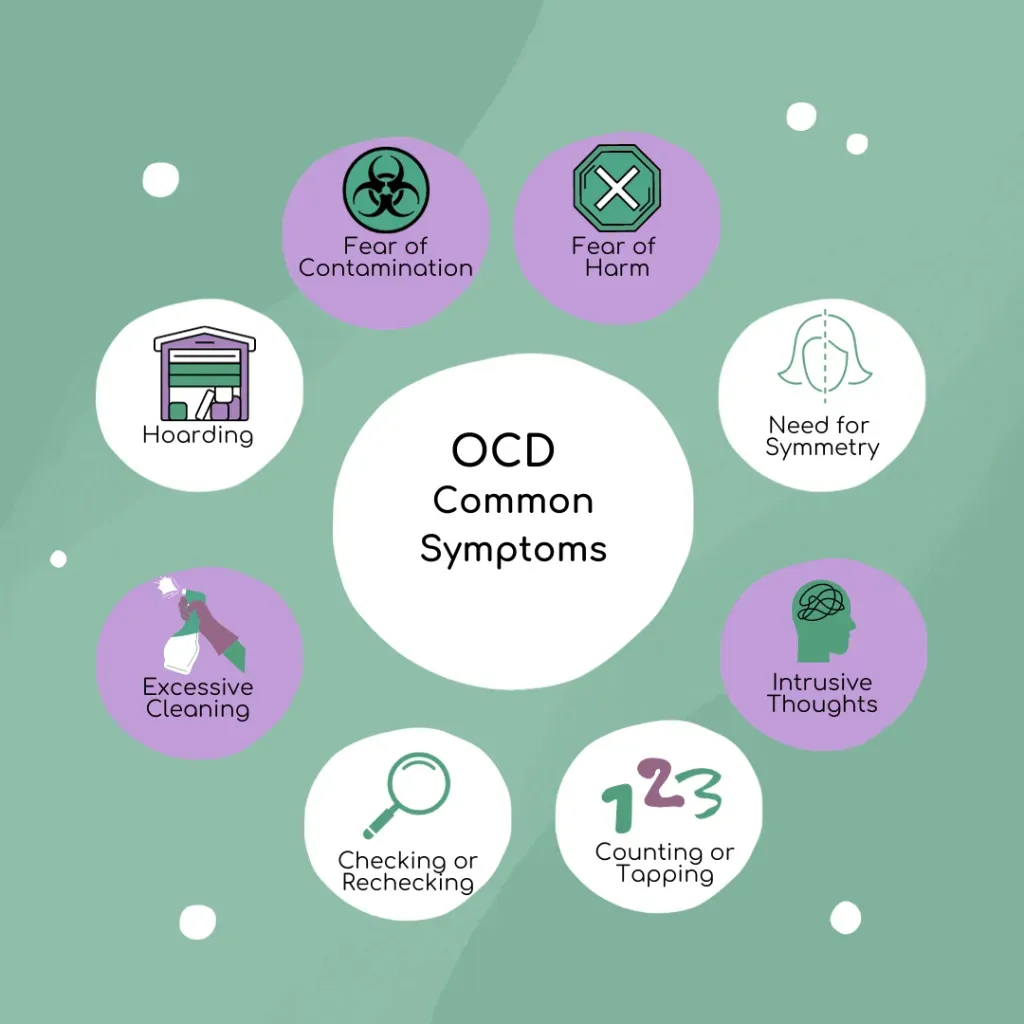
When it comes to recognizing signs of obsessive-compulsive traits, it’s important to be aware of certain behavioral patterns that can signal deeper issues related to compulsive thoughts and rituals. These behaviors may include excessive checking, counting, or cleaning that seem disproportionate to the situation at hand. Furthermore, many individuals might struggle with persistent, unwanted thoughts that lead to significant discomfort or fear. Recognizing the nature of these issues is key to addressing them effectively. Through awareness and understanding, individuals can take actionable steps towards managing their mental health and mitigating the impact of these compulsive behaviors.
Understanding OCD Signs and Symptoms
Obsessive-Compulsive Disorder (OCD) presents a range of distressing symptoms, many of which stem from intrusive thoughts that disrupt daily life. Individuals may grapple with repeated fears about harm befalling themselves or their loved ones, leading to compulsive actions such as excessive checking or counting. It’s essential to differentiate between normal, fleeting intrusive thoughts and those that escalate into obsessive thinking patterns that consume one’s attention and energy. These compulsive behaviors serve to temporarily alleviate the anxiety generated by these thoughts but ultimately perpetuate the cycle of distress.
Awareness of the signs of OCD involves recognizing not just the obsessional thoughts but also their impact on mental health and daily functioning. For instance, a person may find themselves unable to leave the house without ensuring that they have checked the locks multiple times. These actions are direct manifestations of OCD symptoms and signify a deeper struggle with anxiety management. Understanding these signs can be the first step toward seeking professional help and implementing strategies to cope with the disorder.
How to Spot OCD Signs
Identifying OCD in oneself or others requires vigilance regarding specific signs and behaviors that reflect the disorder’s nature. Those with OCD often exhibit compulsions in response to intrusive thoughts, leading to an overwhelming need to perform certain tasks repeatedly. This could present as excessive handwashing due to fears of contamination or repeated reassurance-seeking regarding intrusive thoughts about personal safety. Taking note of these patterns is critical, as they reveal the underlying anxiety driving these behaviors.
Moreover, OCD can manifest in various forms across different populations, particularly during adolescence. As many as 1-4% of the population is estimated to be affected by OCD, with rates potentially higher among teenagers. During this critical period, adolescents may grapple with fears regarding their identity, such as concerns about sexual orientation or harm coming to others. Recognizing these signs in adolescents, especially when they significantly disrupt daily activities, is essential for timely intervention and supportive care.
The Impact of Intrusive Thoughts on Daily Life
Intrusive thoughts are a hallmark of OCD and can significantly interfere with a person’s daily functioning. These thoughts often provoke distressing emotions, leading individuals to engage in compulsive behaviors to soothe their anxiety. For example, someone may constantly worry about harming someone unintentionally, which can result in obsessive checking behaviors, disrupting their routine and overall quality of life. The constant cycle of intrusive thinking followed by compulsive action can drain emotional resources and create a sense of hopelessness.
Understanding the nuances of intrusive thoughts is crucial for both individuals experiencing them and those around them. Most people have occasional unwanted thoughts, but for someone with OCD, these thoughts become persistent and distressing, often revolving around themes that conflict with their values or beliefs. Recognition and validation of these experiences as part of a mental health disorder can foster empathy and reduce stigma, allowing for more supportive conversations around OCD.
Managing OCD: Techniques and Strategies
Management of OCD requires a multifaceted approach tailored to individual needs. Professional intervention is often crucial, involving therapy modalities such as Cognitive Behavioral Therapy (CBT) which focuses on reshaping thought patterns and breaking the cycle of obsession and compulsion. Alongside therapy, individuals are encouraged to adopt practical strategies to manage their symptoms effectively. One common technique is to acknowledge intrusive thoughts without allowing them to control one’s actions, developing a mindful distance from these feelings.
In addition to structured therapies, self-management techniques like journaling or routine exercise can be beneficial. Such practices allow individuals to process their feelings outside of compulsive behavior and help reduce overall anxiety levels. Furthermore, maintaining a balanced lifestyle—ensuring adequate nutrition and sleep—can play a significant role in managing OCD. By recognizing personal limits and potential stressors, individuals can proactively support their mental health while navigating the complexities of OCD.
The Role of Professional Help in Managing OCD
Engaging with mental health professionals is vital for those struggling with OCD, providing access to validated treatments and interventions. Therapists and psychologists specializing in anxiety disorders can offer insight into effective coping mechanisms tailored to an individual’s unique experience. This professional guidance not only aids in symptom management but also empowers individuals by giving them tools to confront and cope with intrusive thoughts in healthier ways.
Moreover, professionals can facilitate group therapy sessions where individuals with OCD can share their experiences and strategies in a supportive environment. The camaraderie found in these settings helps normalize one’s experiences and reduces feelings of isolation. This community support can be a powerful motivator for many, solidifying the understanding that they are not alone in their struggle with OCD.
The Effects of Adolescent OCD and Recognition
Adolescents battling OCD grapple with heightened pressure from peer interactions, academic responsibilities, and identity formation. These stressors can exacerbate OCD symptoms, making it imperative for parents and educators to be attuned to signs of the disorder. Recognizing the symptoms in adolescents is increasingly important as early interventions can lead to better long-term outcomes. Often, adolescents fear being labeled or misunderstood, which can delay seeking help.
It is essential for parents and caregivers to maintain open lines of communication, allowing adolescents to share thoughts without fear of judgment. Educating oneself on OCD and its symptoms can create a supportive environment, facilitating conversations that remind teens they’re not alone. Early recognition and intervention can pave the way for effective treatment strategies that significantly lessen the impact of OCD on adolescent lives.
Coping with OCD: Daily Practices
Incorporating daily practices into one’s life can dramatically improve the management of OCD symptoms. Mindfulness and meditation have shown positive effects, helping individuals to detach from their intrusive thoughts and observe them without immediate reaction. Specific practices such as deep breathing exercises or grounding techniques can help alleviate anxiety during moments of distress, providing brief relief to that overwhelming urge to perform compulsive behaviors.
Developing a daily routine where one schedules time for self-care and relaxation can also make a difference. Prioritizing activities that bring joy or relaxation, like art, reading, or even exercising, contributes to a healthier mental state and diminishes the potency of intrusive thoughts. Finding balance and maintaining consistency in self-care habits not only aids in coping with OCD but also enhances overall psychological well-being.
Building a Supportive Network for OCD
Support systems play a critical role in the management of OCD, providing individuals with the encouragement they need to navigate their challenges. Family members and friends can benefit from understanding the nature of OCD, becoming allies in recognizing intrusive thoughts and their potential triggers. Educating loved ones about the disorder fosters empathy and offers them the necessary tools to support their journey without judgement.
Additionally, engaging with OCD support groups can lead to shared experiences and coping strategies that empower individuals. These networks serve as safe spaces where members can discuss their struggles and victories, reducing feelings of isolation. The sense of community found within these groups can be invaluable for those managing OCD, reinforcing the message that recovery is a journey best taken together.
Recognizing the Need for Constant Vigilance with OCD
Living with OCD necessitates an ongoing awareness of one’s symptoms and the potential for recurrence. As stress levels rise or life changes occur, former coping mechanisms may falter, and intrusive thoughts can resurface. Individuals must remain vigilant to notice when their symptoms intensify and to take proactive measures to manage them effectively. Regular reflection on one’s mental health state and consistent engagement with therapeutic practices are essential for maintaining stability.
It’s crucial to understand that OCD is not a ‘curable’ condition but rather a manageable one, where individuals can learn to live alongside their symptoms. This ongoing vigilance fosters a proactive approach that empowers individuals, allowing them to implement timely strategies for managing intrusive thoughts before they escalate into more significant issues. This mindset can lead to a healthier perspective on their condition, reinforcing the notion that they can lead fulfilling lives despite their challenges.
Frequently Asked Questions
What are common signs of OCD symptoms to look for?
Common signs of OCD symptoms include persistent intrusive thoughts that are disturbing and unwanted, compulsive behaviors aimed at alleviating anxiety, and an excessive need for order or symmetry. Individuals may repeatedly check items, engage in ritualistic actions, or experience severe distress when unable to perform these compulsions.
How can intrusive thoughts indicate the presence of OCD?
Intrusive thoughts can indicate the presence of OCD when they are persistent, distressing, and interfere with daily activities. Unlike typical fleeting thoughts, individuals with OCD often struggle to dismiss these thoughts, leading to compulsive actions aimed at countering the anxiety created by these obsessions.
How do I know if my child is experiencing adolescent OCD symptoms?
To determine if your child is experiencing adolescent OCD symptoms, observe for signs such as excessive worries, compulsive rituals, avoidance of certain situations, or noticeable changes in their behavior. If they frequently express distress over intrusive thoughts or feel compelled to perform specific actions repeatedly, these may be indicators of OCD.
What should I do if I suspect I have OCD based on my signs and symptoms?
If you suspect you have OCD, it is essential to seek professional help. A mental health specialist can provide a proper diagnosis and collaborate with you on managing OCD effectively. They may suggest therapy, such as cognitive-behavioral therapy (CBT), which is effective in treating OCD symptoms.
Can managing OCD symptoms improve my overall mental health?
Yes, managing OCD symptoms can significantly improve your overall mental health. Effective strategies, including therapy, daily coping mechanisms, and self-care, can reduce the intensity of intrusive thoughts and compulsions, leading to a better quality of life and emotional well-being.
What are effective strategies for managing OCD and its symptoms?
Effective strategies for managing OCD and its symptoms include recognizing and labeling intrusive thoughts, developing self-soothing techniques, engaging in mindfulness practices, and maintaining a healthy lifestyle. Additionally, professional therapy can offer tailored methods like exposure and response prevention (ERP) to help reduce compulsive behavior.
Is it common for OCD symptoms to start during adolescence?
Yes, it is common for OCD symptoms to start during adolescence. Research indicates that OCD often develops during puberty or early teenage years, and many individuals may not receive a diagnosis until later due to the tendency to mask or cope with their distress.
How can I distinguish between normal intrusive thoughts and OCD?
You can distinguish between normal intrusive thoughts and OCD by the persistence and impact of the thoughts. Normal intrusive thoughts are typically fleeting and dismissed easily, while OCD-related thoughts are recurrent, distressing, and lead to compulsive behaviors that disrupt daily life.
| Key Point | Explanation |
|---|---|
| Definition of OCD | Obsessive-Compulsive Disorder (OCD) is characterized by persistent, intrusive thoughts (obsessions) and repetitive behaviors (compulsions) that individuals feel driven to perform. |
| Intrusive Thoughts | Thoughts that are distressing and contradict a person’s values. Common themes include harm to loved ones, questioning sexual orientation, and fears of contamination. |
| Prevalence | Approximately 1-4% of the population suffers from OCD, with the condition on the rise, particularly among young adults. |
| Symptoms | Symptoms include uncontrollable intrusive thoughts and compulsive behaviors aimed at reducing anxiety associated with these thoughts. |
| Management Strategies | Effective strategies include seeking professional help, self-labeling intrusive thoughts to create distance, and maintaining overall well-being through self-care. |
Summary
Learning how to spot OCD signs is essential for recognizing when intrusive thoughts and compulsions become unmanageable. These signs often manifest as persistent, distressing thoughts that contradict one’s values, prompting compulsive behaviors to alleviate anxiety. If you or someone you know experiences these symptoms consistently, it is important to seek help from a professional to develop effective management strategies. Understanding and addressing these signs early can lead to better outcomes and improved mental health.