Listen to this article
Reducing PFAS levels in our bodies is a vital step towards safeguarding our health, especially as awareness around forever chemicals grows. These substances, known for their persistence in the environment and human body, pose significant health risks that cannot be ignored. To effectively reduce PFAS exposure, we must take proactive measures in our homes and daily routines. This includes identifying PFAS sources, from contaminated water to non-stick cookware, and replacing them with safer alternatives. Additionally, following PFAS health advice, such as increasing fiber intake and using eco-friendly cleaning products, can help in cleaning PFAS from home and ultimately lowering these harmful chemicals in our blood.
When tackling the challenge of forever chemicals, or PFAS, understanding their presence in our lives is key. These man-made substances have infiltrated our homes, water supplies, and even food systems, leading to widespread concern about their long-term effects. To effectively manage and minimize exposure to these persistent pollutants, it is essential to adopt a multifaceted approach. This might include switching to alternative materials in cookware, investing in quality water filtration systems, and opting for personal care products free of harmful chemicals. Engaging in these practices not only lowers health risks associated with PFAS but also empowers individuals to take charge of their environmental impact.
Understanding the Health Risks of PFAS
PFAS, commonly known as forever chemicals, pose significant health risks that have raised alarms among scientists and health professionals alike. These synthetic chemicals have been associated with various health concerns, including infertility, cancer, and thyroid dysfunction. Exposure to elevated levels of PFAS can lead to severe long-term health effects, making understanding their impact crucial for everyone, especially for families with young children who might be more vulnerable to these toxins. Experts like Dr. Sabine Donnai emphasize that any level of PFAS above 2 nanograms per milliliter in blood can present health risks, warranting immediate attention and preventive measures to reduce exposure.
Furthermore, ongoing studies continue to uncover the extensive and often insidious effects of PFAS on human health. Some research indicates a correlation between PFAS exposure and increased risks for certain types of cancer, including liver and kidney cancer, as well as reproductive issues. With PFAS found in many household items, from non-stick cookware to water-resistant clothing, understanding these health risks is the first step in mitigating exposure. Public health officials urge individuals to remain vigilant and informed about the sources of PFAS and the potential health repercussions they entail.
How to Reduce PFAS Levels in Your Home
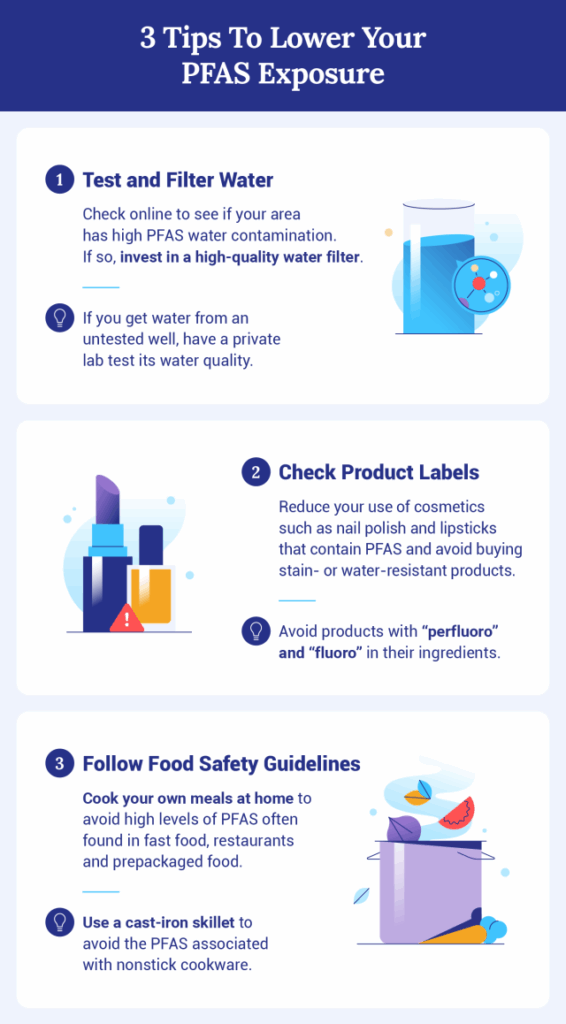
Reducing the levels of PFAS in our homes and daily lives is a proactive measure that can promote long-term health and well-being. One effective strategy includes identifying and replacing common household items that may contain these harmful chemicals. For instance, switching from non-stick cookware to safer alternatives like stainless steel or ceramic can significantly lower PFAS exposure. Additionally, using PFAS-free cleaning products and personal care items can further ensure a healthier home environment. Experts recommend opting for products that clearly state they are free of PFAS, as the lack of transparency in labeling can often lead consumers to unintentionally introduce these substances into their homes.
Incorporating dietary changes is another impactful way to reduce PFAS levels. Increasing fiber in your diet, through foods like oats, beans, and nuts, can assist in eliminating PFAS from your body. This approach aligns with expert advice, suggesting that fiber acts as a natural binder to toxins and aids their removal from the bloodstream. At the same time, filtering your drinking water is crucial, as agua-quality can vary widely depending on location. Investing in a high-quality water filtration system can significantly lessen your exposure to these chemicals found in tap water.
Minimizing PFAS Exposure in Food Sources
Food consumption is a significant pathway for PFAS exposure, with certain food items being more susceptible to contamination than others. For example, fish, meat, and fruits, particularly those treated with PFAS-infused pesticides, may contain elevated levels of these chemicals. Learning about the origins of these foods can help consumers make informed choices about what they put on their plates. Choosing organic produce when possible, and carefully washing fruits and vegetables can help reduce some of the PFAS that may cling to their surfaces.
It’s essential to remain aware of which foods carry the highest risk of PFAS. Studies suggest that processed foods, including takeout items and packaged snacks, often contain higher levels of these persistent pollutants. Whenever feasible, preparing meals from fresh ingredients can enhance not only health but also decrease potential exposure to PFAS. Educating oneself about food sources and advocating for stricter regulations on PFAS in the food supply chain are vital steps towards minimizing exposure and protecting public health.
The Role of Healthcare in PFAS Awareness
Healthcare providers play a critical role in raising awareness about PFAS and their associated health risks. Regular testing and discussions around potential exposure can help patients understand their risks and take necessary preventative measures. Doctors such as Dr. Sabine Donnai highlight the importance of routine examinations and blood tests that can identify PFAS levels, allowing individuals to take informed actions based on their results. This proactive approach enables patients to work collaboratively with health professionals in managing exposure and reducing health risks.
Moreover, empowering patients with knowledge about PFAS can significantly influence public health initiatives. Awareness campaigns led by healthcare systems can educate communities about the sources and dangers of PFAS, prompting individuals to adopt healthier lifestyles and advocate for safer products. When healthcare providers emphasize the impacts of PFAS on health, it can catalyze a broader societal movement towards reducing exposure through policy changes and industrial modifications.
Living a PFAS-Free Lifestyle
Transitioning to a PFAS-free lifestyle involves making conscious choices about the products we use daily. This includes selecting furniture, clothing, and household items that do not contain these chemicals. Advocating for transparency in product labeling is essential, as many manufacturers may not disclose the presence of PFAS in their items. By actively seeking out brands that prioritize safety and environmental responsibility, individuals can contribute to reducing the overall demand for PFAS-laden products.
In addition to consumer choices, fostering a PFAS-free lifestyle can also involve community action. Engaging in local initiatives focused on environmental health and discussing PFAS issues within communities can create a collective impetus for change. From local clean-up efforts to petitioning for stricter regulations on chemical usage, these community activities not only raise awareness but also serve as powerful platforms for urging manufacturers and policymakers to prioritize public health and safety.
The Environmental Impact of PFAS
The environmental persistence of PFAS presents significant challenges as these substances accumulate in the ecosystem, contaminating water sources and wildlife. With an estimated 10,000 different types of PFAS in existence, understanding their environmental implications is vital for sustainability and public health. Studies have revealed alarming concentrations of PFAS in drinking water supplies, leading some regions to take proactive measures to mitigate their presence.
Efforts to control and reduce PFAS pollution are being increasingly recognized as essential for safeguarding human and environmental health. Advocacy for stricter regulations and a comprehensive ban on unnecessary PFAS applications is vital. Collective actions at local, national, and international levels can help in establishing policies that minimize PFAS emissions and promote the development of safer alternatives. Environmental scientists and policymakers must cooperate to tackle this pressing issue, ensuring the well-being of current and future generations.
Current Regulations and Future Directions for PFAS Control
Regulations surrounding PFAS are rapidly evolving as awareness of their health and environmental impacts increases. In many jurisdictions, governments are beginning to implement stricter controls on the production and use of PFAS. The European Commission’s move towards potentially banning around 10,000 PFAS highlights a significant shift in recognizing the dangers these chemicals pose. Simultaneously, the UK government is assessing PFAS levels in various environments to inform their future policies, emphasizing a commitment to reduce risks associated with these ‘forever chemicals.’
Looking ahead, the conversation around PFAS regulation must expand to include robust scientific research and public engagement. It is crucial for communities to advocate for their health by demanding transparency from manufacturers regarding the use of PFAS in their products. Furthermore, policy-makers need to provide resources, education, and incentives to promote the development of safer alternatives to PFAS. As more people become informed about the risks associated with these chemicals, the push for comprehensive regulatory frameworks will only strengthen.
The Importance of Public Education on PFAS
Public education on PFAS is vital for fostering a greater understanding of these chemicals and their potential impacts on health. Informative campaigns can provide essential knowledge about how PFAS are used in everyday products, ways to minimize exposure, and the importance of personal and community health. Educational initiatives can not only empower individuals but also drive demand for safer products and stronger regulations from manufacturers.
Schools, healthcare facilities, and community organizations have pivotal roles in disseminating information about PFAS, encouraging proactive measures to reduce exposure. Workshops and seminars can serve as platforms for raising awareness, where experts can share insights and experiences regarding PFAS. By equipping the public with knowledge, we strengthen collective action towards achieving safer living environments and enhancing overall public health.
Navigating the Market for PFAS-Free Products
As consumers become more aware of the dangers of PFAS, the demand for PFAS-free products is steadily increasing. Companies are beginning to respond by developing and marketing alternatives that do not contain these harmful chemicals. This trend signifies a pivotal moment for product safety and consumer health, where individuals can make informed purchasing decisions that prioritize their well-being. Looking for certifications or labels that explicitly indicate a product is PFAS-free can help consumers navigate this landscape.
However, it is crucial for consumers to remain vigilant when it comes to product labels, as greenwashing can sometimes occur. Manufacturers may claim to be PFAS-free without providing the necessary transparency or evidence. Engaging in research and supporting brands that exhibit a genuine commitment to eliminating PFAS is essential for encouraging wider industry change. As the movement towards safer, PFAS-free products gains momentum, consumers can significantly impact market trends, ultimately promoting a healthier environment for everyone.
Frequently Asked Questions
How can I reduce PFAS exposure in my home?
To reduce PFAS exposure in your home, consider replacing non-stick cookware with safe alternatives, such as stainless steel or cast iron. Use PFAS-free cleaning products and check for PFAS-free labels on personal care items. Installing a water filter can also help mitigate PFAS levels in drinking water, thereby reducing overall exposure.
What are the health risks of PFAS that I should be aware of?
The health risks of PFAS include potential links to thyroid issues, cancer (especially kidney and liver), and fertility problems. Keeping PFAS levels low is important to reduce these health risks, and you can do this through dietary changes and minimizing exposure from household items.
What are forever chemicals in blood and how can I lower them?
Forever chemicals, or PFAS, can accumulate in the body over time. To lower PFAS levels in your blood, increase your dietary fiber intake by consuming foods like oats and beans, which may help your body eliminate these substances. It’s also important to identify and reduce sources of PFAS exposure in your environment.
What PFAS health advice should I follow to minimize risk?
To minimize your risk from PFAS, focus on consuming a healthy diet that is high in fiber, avoid using non-stick cookware, and opt for eco-friendly domestic products. Regularly filtering your water and choosing organic produce can also help reduce the health risks associated with PFAS.
How can I effectively clean PFAS from my home environment?
To clean PFAS from your home environment, start by replacing contaminated products such as non-stick cookware and certain cleaning supplies. Use a vacuum with a HEPA filter to clean carpets and surfaces where dust may accumulate. Ensure adequate ventilation while cleaning and consider using water filters to purify tap water.
Are there specific foods to avoid due to PFAS contamination?
Yes, avoid foods that have been linked to PFAS contamination, such as fish, meat, and fruits that may have been treated with PFAS-containing pesticides. Always wash fruits and vegetables thoroughly, and consider organic options to lower your risk.
| Key Point | Details |
|---|---|
| PFAS Overview | PFAS (per-and polyfluoroalkyl substances) are a group of about 10,000 chemicals used in various products for their waterproof and stain-resistant properties. |
| Health Risks | PFAS are linked to serious health issues, including infertility and cancer, with any level above 2ng/ml considered risky. |
| Reducing PFAS Levels | Adopt a high-fiber diet and identify household sources of PFAS to reduce exposure, such as using PFAS-free products. |
| Water Safety | Using water filters can help minimize exposure from tap water, which may contain varying levels of PFAS. |
| Food Sources | Certain foods, especially fish, can contain PFAS due to pesticide use, so it’s essential to be vigilant about food sources. |
| Chemical Regulation | Regulatory bodies are assessing the risks of PFAS and considering bans or restrictions, but safe substitutes are not yet fully available. |
Summary
To reduce PFAS levels in your body, it’s important to follow a proactive strategy that includes understanding exposure sources and making dietary changes. Increasing your fiber intake and replacing non-stick cookware with safer options can significantly help in lowering PFAS concentrations in your bloodstream. Regularly drinking filtered water and opting for PFAS-free personal care products will also minimize your exposure. Awareness and action are essential components in the journey to reduce PFAS levels and protect your health.