Listen to this article
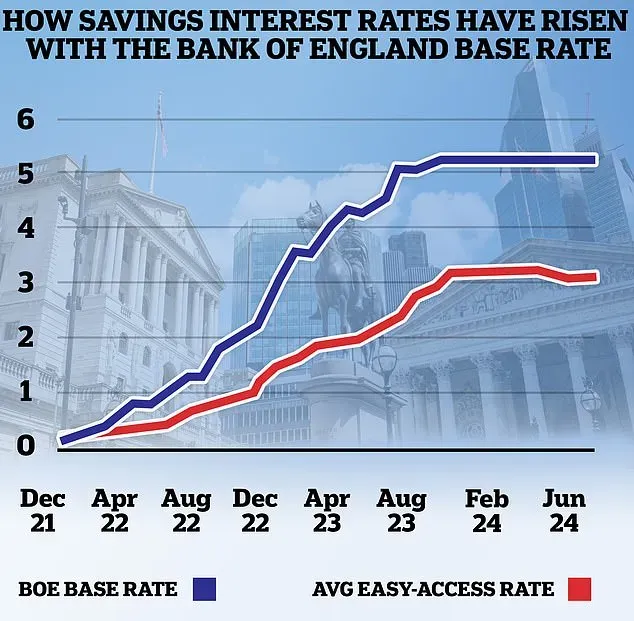
The Bank of England interest rates are poised to affect not just the financial markets, but also the everyday lives of homeowners and prospective buyers in the UK. As inflationary pressures mount, the potential for rising interest rates can significantly impact mortgage costs, leading to higher monthly payments and altered financial planning. For those navigating the mortgage landscape, understanding this dynamic is crucial; whether you have a fixed-rate mortgage or a variable rate mortgage, the implications could be vast. With the right UK mortgage advice, consumers can better prepare for these changes and explore strategies to mitigate the effects on their financial wellness. In this evolving scenario, it’s essential to evaluate your options early and make informed decisions to secure your investment in property amidst rising interest rates.
As homeowners and potential buyers face the reality of changing borrowing costs, the interest rate decisions made by the central bank take on heightened importance. This monetary factor not only shapes the environment for obtaining mortgages but also influences broader financial planning strategies. Navigating these rising borrowing costs requires astute consideration, particularly regarding the distinctions between fixed and variable-rate loans. Homeowners might seek guidance tailored to the evolving market to help them adjust their financial strategies in light of potential interest hikes. Understanding these factors will be critical in making informed decisions moving forward.
The Impact of Rising Interest Rates on UK Mortgages
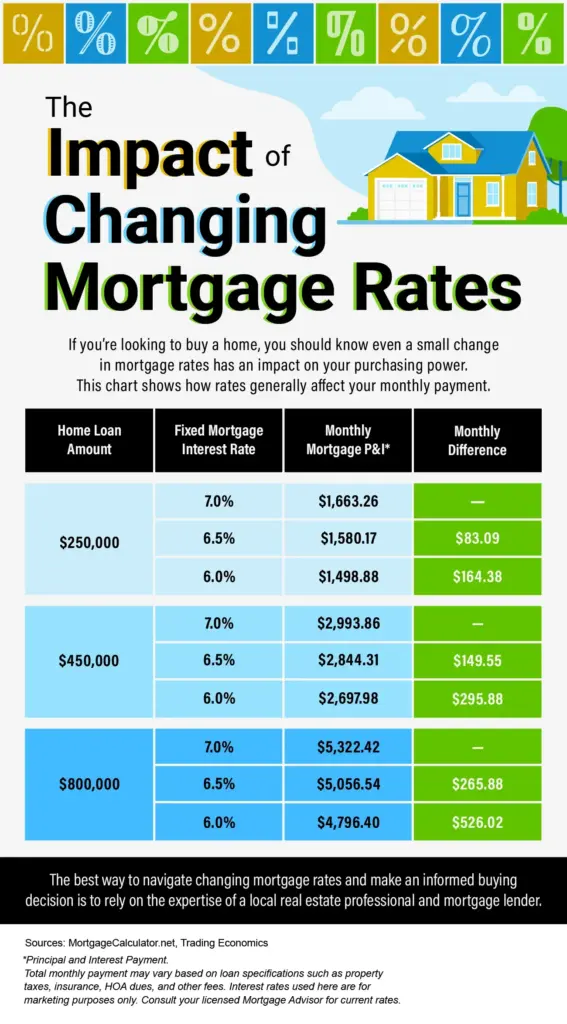
As the Bank of England raises interest rates, immediate implications for homeowners and prospective mortgage borrowers become evident. The relationship between interest rates and mortgage costs can directly impact how much one pays monthly or overall for a home. When rates increase, lenders typically adjust their offerings to reflect this change, which can lead to heightened mortgage payments that put strain on household finances. Homebuyers may find themselves in a precarious situation where the monthly repayments exceed their budgets, leading to important decisions regarding home purchases.
Additionally, rising interest rates can discourage potential buyers from entering the housing market. The anxiety surrounding increased borrowing costs may lead many to delay their purchases, which can ultimately slow down the housing market. Existing homeowners with variable-rate mortgages are particularly vulnerable, as they may face sudden spikes in their monthly payments. Thus, understanding the correlation between interest rates and mortgage dynamics is crucial for anyone navigating the property landscape in the current economic climate.
Strategies for Managing Your Mortgage in a Rising Rate Environment
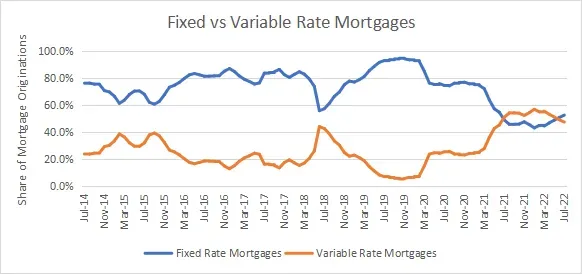
When faced with the prospect of rising interest rates, homeowners must actively manage their mortgage options to alleviate potential financial strain. One effective method includes refinancing to a fixed-rate mortgage. A fixed-rate mortgage locks in an interest rate for the entirety of the loan term, shielding homeowners from the unpredictability of market fluctuations. This stability can ease financial planning and budgeting, allowing homeowners to maintain a consistent monthly payment, even in times of economic uncertainty.
Moreover, evaluating your current financial situation is paramount before making changes to your mortgage. By carefully assessing your income, expenses, and future financial plans, homeowners can make informed decisions about their mortgage strategy. For example, increasing your down payment can reduce your loan principal, leading to lower monthly repayments and interest over time. By being proactive and adjusting their financial strategies now, homeowners can navigate the challenges posed by rising interest rates with greater confidence.
Benefits of Fixed-Rate Mortgages During Economic Uncertainty
In an environment where fluctuations in the economy are prevalent, switching to a fixed-rate mortgage can be particularly advantageous. Fixed-rate mortgages provide a reliable payment structure, which can help homeowners budget effectively amidst rising interest rates. When inflation drives borrowing costs higher, those with fixed-rate mortgages won’t experience any additional strain, as their payment amounts remain unchanged. This predictability is a significant benefit that many should consider when evaluating their mortgage options.
Another advantage of fixed-rate mortgages is the potential for long-term savings. By locking in a lower interest rate before the market changes, homeowners can save thousands over the life of the loan. It’s a hedge against inflation and unpredictable economic shifts, making it a necessary consideration for anyone looking to safeguard their financial future. As homeowners weigh their options, the fixed-rate mortgage can serve as a robust strategy to maintain fiscal stability.
Navigating the Mortgage Market: Finding Competitive Rates
As interest rates rise, taking the time to shop around for competitive mortgage rates becomes increasingly vital. Different lenders provide various terms and interest rates that significantly affect the cost of borrowing. It’s essential to compare offers from banks, credit unions, and online mortgage brokers to find the most favorable terms. In an environment of rising rates, securing even a slight difference in interest can lead to substantial savings over the loan duration.
Additionally, staying informed about the market trends can help homebuyers make better decisions. Understanding how changes in the Bank of England’s interest rate policies influence overall mortgage rates will empower consumers. For example, if they anticipate rate increases, taking action sooner rather than later and getting pre-approved for a mortgage can secure desirable terms before lenders raise their rates. Being proactive in this process is critical, especially in an unpredictable economic climate.
The Role of Emergency Funds in Financial Stability
Establishing an emergency fund is a crucial financial strategy that can greatly help homeowners navigate the uncertainties of rising interest rates. By saving three to six months’ worth of expenses, homeowners create a safety net, providing peace of mind in the wake of possible increases in mortgage payments. This fund allows homeowners to manage unforeseen difficulties without resorting to high-interest credit options, especially during challenging financial times.
Emergency funds also enable homeowners to weather short-term financial dips due to rising costs, whether from mortgage repayments or other living expenses. By prioritizing this safety net, individuals enhance their financial planning and resilience against economic fluctuations, allowing them to keep long-term homeownership goals intact even in turbulent conditions.
Consulting with Financial Advisors for Tailored Mortgage Solutions
Navigating the complexities of mortgage options in a changing interest rate environment can be overwhelming. Consulting with financial advisors or mortgage brokers can provide tailored advice suited to individual circumstances. These professionals harness extensive market knowledge to help clients understand their options—whether to opt for a fixed-rate mortgage, refinance, or adjust financial strategies in line with changing rates.
By leveraging the expertise of these professionals, homeowners can make informed decisions that align with their long-term financial goals. Advisors can help identify opportunities for savings and risk mitigation strategies, ensuring that homeowners and buyers are prepared for any economic shifts. Engaging with expert guidance is a vital aspect of effective financial planning in today’s rising interest rate landscape.
Frequently Asked Questions
How do rising interest rates set by the Bank of England affect my mortgage payments?
Rising interest rates directly influence the cost of borrowing, which can lead to increased mortgage payments, especially for those with variable-rate mortgages. When the Bank of England raises its rates, lenders often follow suit, resulting in potentially costlier monthly payments that can strain household budgets.
What should I consider when switching to a fixed-rate mortgage in response to Bank of England interest rates?
Switching to a fixed-rate mortgage can provide stability in your monthly payments, protecting you from rising Bank of England interest rates. Evaluate your financial situation, compare current fixed-rate options, and consider locking in a rate that fits your long-term plans and budget.
Can I lower the impact of rising interest rates on my mortgage by increasing my down payment?
Yes, increasing your down payment can significantly lower the principal amount of the mortgage, thereby reducing monthly payments and the overall interest paid. This strategy not only helps in managing the effects of rising interest rates but can also improve your mortgage approval chances.
How can I prepare financially for the impact of rising Bank of England interest rates on my mortgage?
To prepare, assess your budget, savings, and future income projections. Understanding your financial health will help you determine how rising interest rates may impact your mortgage affordability and overall financial planning.
What are the advantages of refinancing my mortgage considering Bank of England interest rates might rise?
Refinancing your mortgage can provide the opportunity to lock in a lower fixed rate before potential increases by the Bank of England. However, evaluate closing costs and ensure that the savings from refinancing outweigh these costs for your financial benefit.
Is it advisable to consult UK mortgage advice when facing rising Bank of England interest rates?
Yes, consulting UK mortgage advice can be beneficial when interest rates rise. A professional can guide you through your options, helping you make informed decisions based on your financial goals and the current market conditions.
| Key Point | Explanation |
|---|---|
| Impact of Bank of England Interest Rates | Interest rates set by the Bank of England affect borrowing costs across the economy, influencing mortgage rates. |
| Higher Monthly Payments | Rising interest rates can lead to increased monthly mortgage payments. |
| Evaluate Current Mortgage | Homeowners with variable-rate mortgages should consider switching to fixed rates for stability. |
| Assess Financial Situation | Review household budgets to understand the impact of possible rate increases. |
| Shop for Best Rates | Comparing mortgage rates from different lenders can lead to better financial options. |
| Increase Down Payment | A larger down payment can help reduce the overall loan amount and monthly payments. |
| Consider Future Plans | Your long-term plans will inform whether a fixed or variable-rate mortgage is best. |
| Refinance Mortgage | Existing homeowners might want to refinance to capture lower fixed rates. |
| Build an Emergency Fund | Saving for unexpected expenses can help buffer against rising costs. |
| Consider the Economic Context | Rising rates may reflect inflation and economic growth, affecting consumers differently. |
Summary
The Bank of England interest rates are pivotal in influencing mortgage costs, which in turn significantly affect homeowners and potential buyers. With anticipated increases in these rates, it is crucial for individuals to prepare effectively to manage their financial health. This can be achieved through evaluating current mortgages, assessing budgets, and exploring various financing options. By implementing proactive strategies now, individuals can better navigate the shifting landscape of interest rates, allowing for a more secure financial outlook.