
Listen to this article
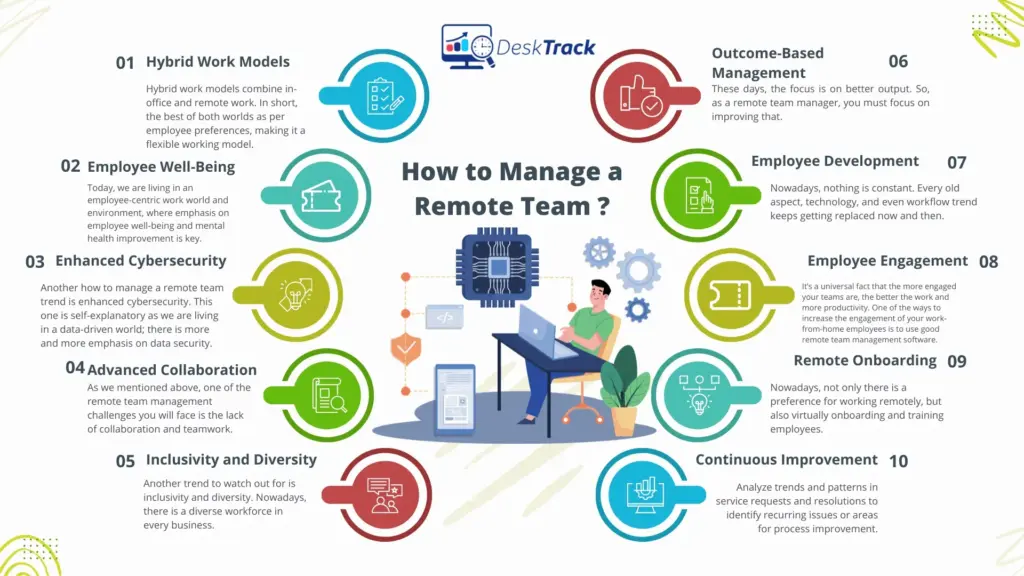
In the modern business environment, the ability to manage a remote business team is essential for continued success and adaptability. As companies increasingly transition to virtual formats, understanding the nuances of remote team management becomes critical. Implementing remote work best practices can help overcome common challenges, such as communication barriers and team dynamics. Effective communication in a remote setting not only increases productivity but also enhances team morale by fostering strong relationships. In this guide, we will delve into actionable strategies to optimize your remote team’s performance, ensuring that everyone stays engaged and aligned with the business’s goals.
When exploring the intricacies of leading a dispersed workforce, it’s crucial to consider the concept of virtual team management. This alternative term encapsulates the broader spectrum of directing a group from different geographical locations, emphasizing the importance of seamless coordination. As the landscape of employment shifts towards remote work, the focus on best practices tailored to remote settings becomes increasingly important. Leaders must cultivate effective communication channels that transcend time zones and ensure that every member feels connected, engaged, and empowered. By embracing innovative techniques, organizations can maximize their remote teams’ potential and drive collective success.
The Importance of Clear Communication in Remote Teams
Clear communication is key to ensuring a remote team operates smoothly and efficiently. With team members often working in different time zones and locations, miscommunication can easily occur if not managed properly. Therefore, it is essential to establish communication protocols that provide structure. This can include regular updates, setting specific channels for different types of communication, and reminding team members about the importance of clarity in their messages.
Moreover, effective communication helps in building trust within the team. Encouraging an environment where everyone feels comfortable expressing their thoughts and concerns fosters a healthy team dynamic. Through consistent and open communication, remote teams can not only stay updated but also collaborate effectively, resulting in improved performance and job satisfaction.
Setting Expectations for Remote Team Success
Setting clear expectations is vital for remote team management. By defining roles, responsibilities, and desired outcomes, teams can align their efforts toward a common goal. This clarity not only helps team members understand what is expected of them but also minimizes confusion, reducing the likelihood of errors and miscommunication. Regularly revisiting these expectations can help reinforce accountability.
Additionally, it’s important to integrate tools that facilitate clarity in project timelines and individual tasks. Utilizing project management platforms can help track assignments and deadlines effectively. This structured approach not only keeps the team accountable but also promotes a sense of accomplishment as milestones are met.
Harnessing Technology for Efficient Remote Management
In the realm of remote work, adopting the right technology is crucial for facilitating collaboration. Tools like cloud storage and communication platforms are indispensable in maintaining workflow. They enable access to necessary documents and real-time communication, which are essential when managing a dispersed team. The right technological solutions can streamline operations, thus enhancing overall productivity.
Furthermore, investing in training for these technologies is equally important. Ensure that all team members are equipped with the skills needed to utilize these tools effectively. This not only optimizes efficiency but also fosters a culture of continuous learning and adaptation, which is essential in a rapidly changing remote work environment.
Prioritizing Employee Well-Being in Remote Work
Promoting work-life balance is increasingly important in remote settings, where the lines between work and home can blur. Encouraging flexible working hours allows employees to tailor their schedules to their personal needs, which can enhance job satisfaction and productivity. Managers should recognize that a happy employee is a productive employee, and flexibility can be a significant factor in retaining talent.
On top of flexibility, providing mental health resources demonstrates a company’s commitment to employee well-being. Offering workshops or access to professional help can equip team members with essential coping strategies to manage stress. Such initiatives show employees that their health is a priority, creating a positive and supportive remote work culture.
Recognizing Contributions to Boost Team Morale
Celebrating achievements within a remote team helps build morale and encourages further engagement. When team members feel that their hard work is recognized, it promotes a sense of belonging and encourages continued effort towards shared goals. Simple gestures, such as shout-outs in meetings or recognition emails, can significantly impact team dynamics.
In addition, implementing a formal rewards system can provide extra motivation. Offering incentives for outstanding performance can drive team members to strive for excellence. These rewards could be as simple as gift cards or extra days off, and they are instrumental in creating a positive competitive spirit within the team.
The Role of Continuous Improvement in Remote Teams
Continuously evaluating management practices plays a critical role in ensuring the effectiveness of a remote business team. Gathering feedback through surveys allows for understanding team members’ perspectives and needs. This information can help shape management strategies that better align with team goals and promote efficiency.
Moreover, flexibility in adapting to changes is crucial for success in a remote environment. As team dynamics evolve, managers must be willing to adjust their approaches to meet new challenges. This proactive stance not only helps in enhancing team performance but also empowers team members to embrace change actively.
Frequently Asked Questions
What are the best practices for manage a remote business team?
Effective remote business team management involves clear communication, setting expectations, leveraging technology, promoting work-life balance, recognizing efforts, and continuously evaluating practices. Using tools like Slack or Zoom and scheduling regular check-ins helps ensure everyone is aligned and engaged.
How can I improve communication while manage a remote business team?
To enhance communication in a remote team, utilize platforms such as Slack or Microsoft Teams for real-time interaction and set up regular meetings to discuss progress. Encouraging open dialogue and feedback will create a more cohesive remote work environment.
What technology should I use to manage a remote business team?
For effective remote team management, consider using project management tools like Trello or Asana to track tasks and deadlines, and cloud storage solutions such as Google Drive for document sharing. Implementing these technologies increases collaboration and organization among team members.
What strategies can I implement to promote work-life balance while manage a remote business team?
Encouraging flexible working hours and offering mental health resources are key strategies for promoting work-life balance in a remote team. Additionally, setting clear boundaries for availability helps prevent burnout and maintains team morale.
How can I recognize and reward efforts within my remote business team?
Recognizing efforts in a remote team can be achieved by celebrating milestones during meetings and implementing a rewards system for outstanding performance. Virtual team-building activities also enhance camaraderie and motivation among team members.
What should I consider when setting expectations in a remote team management environment?
When managing a remote team, it’s crucial to clearly define roles, responsibilities, and goals for each member. Establishing realistic deadlines and using project management tools help ensure that all team members understand their contributions to projects.
How often should I evaluate my remote management practices?
Regularly evaluating your management practices, ideally through quarterly surveys, is vital in a remote work setting. This allows you to identify areas for improvement and adapt strategies based on team feedback, ensuring effective remote team management.
| Topic | Key Points |
|---|---|
| Foster Clear Communication | Utilize communication tools, set regular check-ins, and encourage open dialogue. |
| Set Clear Expectations | Define roles, establish deadlines, and create a collaborative culture. |
| Leverage Technology | Implement project management software, utilize cloud storage, and invest in cybersecurity. |
| Promote Work-Life Balance | Encourage flexible schedules, offer mental health resources, and set availability boundaries. |
| Recognize and Reward Efforts | Celebrate milestones, implement rewards systems, and foster team bonding activities. |
| Continuously Evaluate and Improve | Conduct surveys, adapt to changes, and encourage professional development. |
Summary
To effectively manage a remote business team, it’s crucial to establish strong communication practices. Engaging team members through regular check-ins, and using the right tools fosters a collaborative spirit. Clear expectations and defined roles are instrumental in aligning goals, while leveraging technology can enhance productivity. Moreover, promoting a work-life balance ensures team satisfaction. Recognizing efforts keeps morale high, and continuous evaluation helps in refining management strategies. By nurturing these practices, you can create a successful remote team that thrives.

