
Listen to this article
In today’s marketplace, a sustainable business model is pivotal for companies aiming to thrive amidst growing environmental concerns and consumer demand for eco-friendly practices. These models focus on long-term viability by intertwining profitability with sustainability, allowing businesses to not only perform well financially but also contribute positively to the environment and society. As more organizations incorporate sustainability in business strategies, they pave the way for innovation and active participation in the fight against climate change. This guide will lead you through the necessary steps to integrate sustainable practices that can elevate your business while promoting responsible stewardship of our planet. By embracing green business strategies, companies can attract a conscientious consumer base and ensure a resilient future for all stakeholders involved.
Welcome to the realm of eco-conscious entrepreneurship, where integrating principles of sustainability into business frameworks is reshaping industries worldwide. The concept of a sustainable business model includes eco-friendly practices that enhance a company’s efficiency and ethical standing, ensuring both economic and environmental balance. As we delve into this discussion, we will explore how embracing sustainability in business not only drives innovation but also satisfies the growing consumer base that prioritizes green initiatives. Following established guidelines in business model innovation allows companies to align their operations with societal values, fostering a culture of responsibility and resilience. Join us on this journey to discover the transformative power of sustainable practices and how they can redefine your approach to business.
Understanding Sustainability in Business
Sustainability in business is more than just a buzzword—it’s the foundation on which the future of commerce is being built. By understanding what sustainability means within your specific business context, you position yourself to make informed decisions that align with both environmental stewardship and economic viability. Businesses today must consider not just their financial bottom line, but also the social and environmental implications of their operations.
For instance, a company in the fashion industry may define sustainability by committing to ethical labor practices and environmentally friendly materials, whereas a technology firm may focus on energy-efficient products and recycling programs. By adopting a clear definition of sustainability tailored to your business, you can drive strategic goals that resonate with stakeholders and enhance your brand’s reputation.
Researching Industry-Specific Sustainable Practices
When embarking on the journey towards a sustainable business model, it’s crucial to research best practices within your industry. This involves identifying competitors that are successfully implementing eco-friendly strategies, and analyzing their approaches to sustainability. Businesses can look to industry leaders who have effectively transformed their operations, utilizing renewable energy, innovative materials, or sustainable logistics.
By observing these successful models, you can glean insights on effective business model innovation and how they engage consumers through sustainable practices. Finding inspiration while assessing what works well in your sector not only offers inspiration but also sparks creative new strategies that align with both your brand’s mission and the expectations of eco-conscious consumers.
Developing a Comprehensive Sustainable Business Strategy
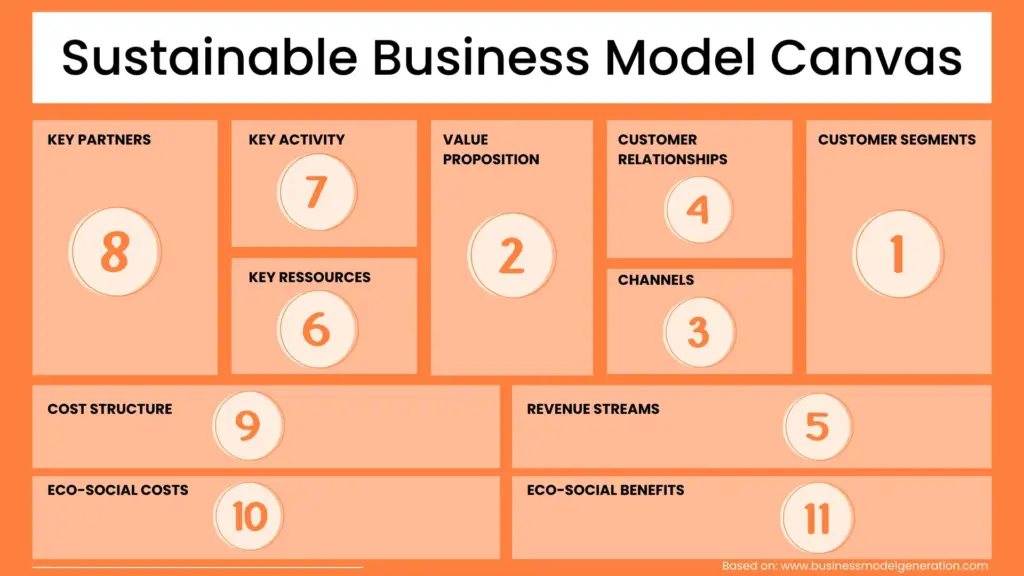
A well-crafted sustainable business strategy lays the groundwork for integrating eco-friendly practices into your organization’s core. Utilize tools like the Business Model Canvas to outline how you can create and deliver value responsibly. Additionally, by clearly identifying your value proposition, you can effectively communicate how your sustainable initiatives will address specific environmental and social issues.
In this phase, recognizing your customer segments is vital. Consider targeting eco-conscious consumers who seek products and services aligned with their values. By establishing diverse revenue streams that capitalize on ethical practices—like recycling initiatives or sustainable product lines—you not only fulfill market demand but position your business as a leader in green business strategies.
Implementing Sustainable Operations Effectively
With a strategy in place, the next important step is implementation. This requires a total commitment from every level of your business. Training and development programs are critical, as they ensure that every employee is equipped with the knowledge and skills to support your sustainability goals. Regular workshops on best practices and updates on sustainability efforts can foster a culture of accountability and innovation.
Sustainability reporting is another critical component of operation. Establishing a framework for measuring and reviewing sustainability initiatives ensures transparent communication with stakeholders while holding the company accountable for its commitments. Reporting on key metrics such as waste reduction, energy consumption, and employee engagement supports continuous improvement and alignment with sustainability targets.
Monitoring and Optimizing Sustainability Efforts
Monitoring key performance indicators (KPIs) is essential for evaluating the effectiveness of your sustainable practices. By setting measurable goals, such as achieving a 30% reduction in carbon emissions or increasing the percentage of recycled materials in your supply chain, you can track your progress and make data-driven adjustments. This ongoing evaluation is critical to ensure that your business remains on course toward achieving its sustainability objectives.
Additionally, gathering feedback from stakeholders—whether through surveys, focus groups, or informal discussions—provides valuable insights into the effectiveness of your sustainability initiatives. Implementing changes based on this feedback will enhance your organization’s ability to adapt and evolve in an ever-changing market landscape.
Communicating Your Sustainability Commitment
Successful companies not only implement sustainable practices but also communicate them effectively to their stakeholders. Marketing strategies should clearly reflect your commitments to sustainability. Transparency in your operations engenders trust among customers who appreciate brands that align with their values. Highlighting your efforts on various platforms builds credibility and strengthens customer loyalty.
Storytelling can be a powerful tool in illustrating your sustainability journey. Share case studies and narratives about your sustainable initiatives on your website and social media channels. These stories resonate with consumers and foster a strong community of like-minded individuals who support your mission to create a greener future.
The Future of Sustainable Business Practices
As we look to the future, the integration of sustainable practices in business models is not just a competitive advantage; it’s essential for survival. Economies and societies are shifting toward recognizing the importance of environmental conservation, social responsibility, and economic equity. Companies that proactively engage in sustainable business practices are likely to thrive in this evolving landscape.
The notion of sustainability in business is becoming a standard expectation rather than an exception. As customers continue to demand more transparency and ethical practices, businesses must stay ahead of the curve by innovating and adapting their strategies. Embracing this change not only benefits humanity and the planet but also positions your business as a frontrunner in the new sustainable economy.
Frequently Asked Questions
What does a sustainable business model entail?
A sustainable business model focuses on economic viability, social equity, and environmental protection. It integrates practices that contribute positively to both profit and planet, ensuring long-term sustainability in business operations.
How can businesses implement sustainable practices effectively?
Businesses can implement sustainable practices by conducting impact audits, setting SMART goals, collaborating with eco-conscious suppliers, and educating staff on sustainability initiatives. This strategic integration of sustainability leads to a more resilient business model.
What role does business model innovation play in sustainability?
Business model innovation plays a crucial role in sustainability by enabling companies to adapt and implement new eco-friendly strategies. This might include creating value propositions that focus on reducing environmental impacts or developing products made from sustainable materials.
What are some examples of green business strategies?
Examples of green business strategies include adopting renewable energy sources, reducing waste through recycling programs, offering eco-friendly products, and engaging in fair trade practices. These strategies help improve the overall sustainability of the business.
How can sustainability in business improve profitability?
Sustainability in business can improve profitability through cost savings from reduced energy consumption, enhanced brand reputation leading to customer loyalty, and access to new markets for sustainable products. Businesses that prioritize sustainability often experience long-term financial gains.
What is the significance of stakeholder engagement in sustainable business models?
Stakeholder engagement is vital in sustainable business models as it ensures that the perspectives of employees, customers, and communities are considered. This collaboration helps shape effective sustainability goals and initiatives that resonate with key audiences.
How can I communicate my business’s sustainability efforts to consumers?
You can effectively communicate your sustainability efforts through marketing and storytelling. Highlight your eco-friendly practices, share success stories via social media, and transparently report on progress to build trust and engage with environmentally-conscious consumers.
| Step | Key Actions | Outcome |
|---|---|---|
| 1. Define Sustainability | – Assess current impact – Set SMART goals – Engage stakeholders |
Clear understanding of sustainability and established goals |
| 2. Research Industry Practices | – Identify innovative practices – Learn about certifications |
Awareness of successful sustainability strategies in the industry |
| 3. Develop Business Strategy | – Create a business model canvas – Focus on sustainable value propositions and supply chains |
Integrated sustainability within the business model |
| 4. Implement Operations | – Train staff on sustainability – Establish sustainability reporting |
Operational readiness for sustainability practices |
| 5. Evaluate and Optimize | – Monitor KPIs – Gather stakeholder feedback |
Continuous improvement towards sustainability goals |
| 6. Communicate Your Story | – Effective marketing – Share success stories |
Strong brand credibility and customer trust |
Summary
A sustainable business model is essential in today’s landscape, combining profitability with responsibility. By following the steps outlined, businesses can define their sustainability goals, research best practices, implement effective operations, and communicate their efforts clearly. Ultimately, the journey towards a sustainable business model not only addresses contemporary environmental and social challenges but also positions businesses as leaders in their markets.

