Listen to this article
In the realm of home buying, understanding UK mortgage rates is essential for making informed financial decisions. With a fluctuating market and numerous lenders vying for your business, it’s crucial to compare mortgage rates effectively to secure the best deal. By evaluating different UK home loan options, you can find a mortgage that not only fits your budget but also aligns with your long-term financial goals. Online tools for mortgage comparison are invaluable in this search, allowing potential homeowners to swiftly assess various offers. Consulting a mortgage broker in the UK can further enhance your experience, providing personalized advice and access to exclusive rates that could save you money in the long run.
When navigating the landscape of property financing, exploring the dynamics of mortgage interest rates in the UK becomes vital. Prospective homeowners often seek to compare various loan products to ensure they select the most beneficial terms for their purchase. Understanding the nuances of home loans, including the distinction between fixed and variable rates, can dramatically impact your financial trajectory. Furthermore, utilizing comparison services for mortgages enables individuals to swiftly evaluate their options and connect with suitable financial institutions. Engaging a trusted mortgage adviser can provide additional insights into the best offerings currently available, helping to streamline the purchasing process and secure optimal lending terms.
The Importance of Understanding Mortgage Rates
In the landscape of UK home loans, having a comprehensive knowledge of mortgage rates is crucial for any potential homeowner. Mortgage rates represent the interest charged on the borrowing amount, significantly impacting your monthly payments and the total amount paid over the duration of the loan. Understanding these rates can help you make informed decisions, enabling you to navigate the complex market of mortgage products.
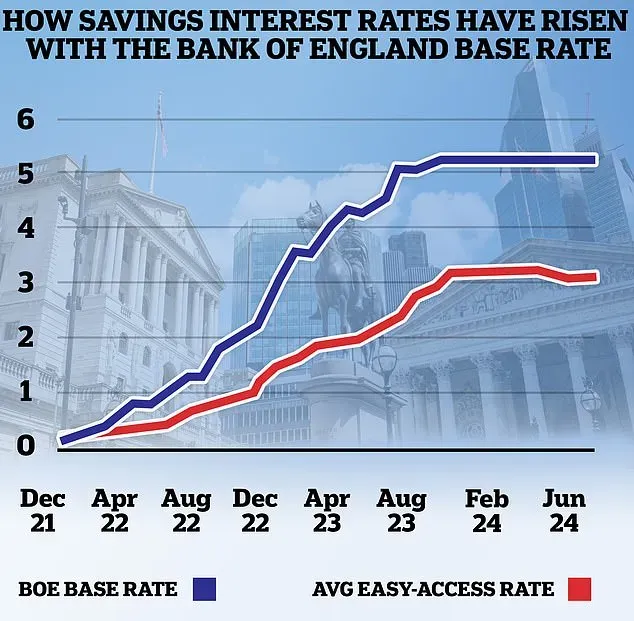
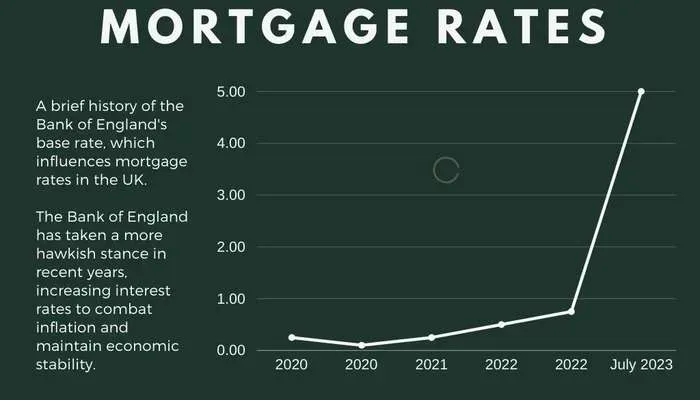
Furthermore, mortgage rates fluctuate due to various economic factors, including inflation, the Bank of England’s base rate, and overall market competition. These changes emphasize the importance of being aware of current trends in mortgage rates to secure the best mortgage rates in the UK. By understanding these elements, you can strategically plan your entry into the property market, ensuring that you choose a loan that aligns with your financial situation.
Steps to Prepare for a Mortgage Comparison
To embark on a mortgage comparison journey, it is crucial to start by assessing your financial condition meticulously. Calculate your budget to determine how much you can afford monthly, which includes not only mortgage repayments but also other financial obligations. Additionally, ensure that your credit score is in a healthy range, as lenders tend to offer more competitive rates to those with higher credit ratings. This preparation not only expedites the application process but also positions you favorably when negotiating for better terms.
Gathering all necessary financial documentation is another critical step in your preparation. Lenders require comprehensive information for an accurate assessment, including pay slips, tax returns, and bank statements. Having these documents organized and ready will not only streamline your mortgage application but will also enhance your confidence when discussing terms with potential lenders during the comparison process.
Researching Different Mortgage Types
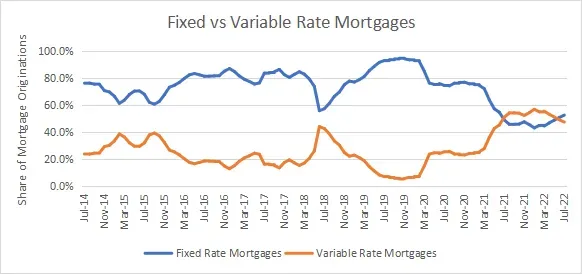
In the UK, various types of mortgages cater to different financial situations and preferences, which necessitates thorough research. Fixed-rate mortgages are foundational, offering stability through a set interest rate over several years, which can be particularly beneficial in a fluctuating economy. On the other hand, variable-rate mortgages may appeal to those who are comfortable with potential rate adjustments, as they can offer lower initial interest rates.
For those with significant savings, offset mortgages can present unique advantages by linking savings accounts to the borrowing, potentially reducing the interest charged on the mortgage. Understanding the nuances of these different types will allow you to better compare products and choose a mortgage that truly fits your financial landscape and lifestyle.
Utilising Effective Comparison Tools and Services
In today’s digital age, numerous online platforms facilitate the comparison of UK mortgage rates effortlessly. Websites like MoneySuperMarket and Comparethemarket are invaluable resources, allowing you to input specific details about your loan needs and filter through various mortgage products. This enables you to quickly identify which lenders offer the most competitive interest rates and terms, aiding in your research process.
However, while these tools provide a good starting point, consulting a mortgage broker can enhance your comparison efforts significantly. Brokers possess expert knowledge of the market and can access exclusive deals that might not be available through online comparisons. They can also guide you through the complexities of mortgage terms, ensuring you fully understand what you’re committing to.
Evaluating Mortgage Offers: What to Look For
Once you’ve gathered a range of potential mortgage offers, it’s vital to evaluate them thoroughly. Begin by comparing interest rates, but don’t overlook other key factors such as the total cost of the loan over its lifetime, including associated fees. This evaluation should also consider the specific features of each mortgage, like options for overpayments or penalties for early repayment, as these can have a significant impact on your payment flexibility.
Additionally, look for transparency in the terms provided by the lenders. Understanding the implications of different mortgage types and conditions will allow you to make a more informed choice. Remember that the lowest interest rate is not always the best deal if it comes with high fees or inflexible repayment terms.
The Role of Decision in Principle in the Mortgage Process
Obtaining a Decision in Principle (DIP) is a crucial step in the mortgage process that signals to sellers your seriousness as a buyer. This pre-approval stage helps you understand how much you can borrow based on your financial circumstances, making it easier to identify properties within your budget. A DIP not only streamlines the buying process but also places you in a stronger negotiation position when making offers.
Furthermore, a Decision in Principle reflects well on you as a buyer, providing reassurance to sellers and potentially making your offer more attractive in a competitive market. Ensuring that you have a DIP can be a vital factor in successfully securing your desired property in today’s fast-paced housing environment.
Frequently Asked Questions
How can I compare UK mortgage rates effectively?
To compare UK mortgage rates effectively, start by assessing your financial situation, including your budget and credit score. Familiarize yourself with different mortgage types such as fixed-rate, variable-rate, and interest-only mortgages. Then, use online comparison tools like MoneySuperMarket and MSE’s Mortgage Calculator to filter results based on your preferences, and consult a mortgage broker for expert advice.
What are the best mortgage rates UK currently available?
The best mortgage rates in the UK vary based on multiple factors such as the type of mortgage, the lender, and your individual financial profile. To find the best rates, utilize comparison websites that aggregate offers from various lenders, and consider consulting a mortgage broker who can guide you to exclusive deals and tailored options.
What impacts UK mortgage rates and how can I improve them?
UK mortgage rates are influenced by factors such as your credit score, the Bank of England’s base rate, and the overall economy. To improve your mortgage rates, aim to enhance your credit score by paying bills on time, reducing debt, and correcting any inaccuracies in your credit report before applying for a mortgage.
Should I use a mortgage broker UK when comparing mortgage rates?
Using a mortgage broker in the UK can be beneficial when comparing mortgage rates, as they have access to a wider range of lenders and exclusive products. Brokers can provide personalized advice based on your financial situation, saving you time and potentially helping you secure a better deal.
What is the difference between fixed-rate and variable-rate UK home loans?
Fixed-rate UK home loans have a constant interest rate for a predetermined period, ensuring stable monthly payments. In contrast, variable-rate loans may fluctuate based on market conditions, which can lead to changes in your payment amounts. Choosing between these options depends on your risk tolerance and financial situation.
How do I get a Decision in Principle for my UK mortgage?
To obtain a Decision in Principle (DIP) for your UK mortgage, contact a lender or mortgage broker, providing them with necessary details about your financial status, such as income, credit history, and the desired loan amount. A DIP indicates the amount a lender is willing to lend you, aiding your home search.
| Step | Key Points |
|---|---|
| 1. Assess Your Financial Situation | Calculate your budget, check your credit score, and gather financial documents before applying. |
| 2. Research Mortgage Types | Understand different mortgage types: Fixed, Variable, Offset, and Interest-Only. |
| 3. Use Comparison Tools | Utilise online tools to compare rates from various lenders efficiently. |
| 4. Consult a Mortgage Broker | Brokers can provide access to exclusive deals and assist with applications. |
| 5. Evaluate Offers | Look at interest rates, total cost, and mortgage features before deciding. |
| 6. Get a Decision in Principle (DIP) | DIP confirms potential loan amount and makes you more appealing to sellers. |
| 7. Make Your Application | Submit your application and all required documents promptly. |
| 8. Keep Communication Open | Maintain communication with your lender/broker to resolve any issues. |
Summary
UK mortgage rates are crucial to the home buying process, and comparing them effectively can seem overwhelming. By assessing your financial position, understanding available mortgage types, and utilizing online comparison tools, you can make informed decisions. Consulting a mortgage broker can provide expert insights and exclusive deals worth considering. Evaluating the entire cost of loans, including fees and flexibility features, ensures you choose a deal that best suits your needs. Finally, maintaining communication with your lender during the application process keeps everything on track and maximizes your chances of success.