Listen to this article
Sustainable business models are becoming essential for companies aiming for long-term success in today’s eco-conscious marketplace. Integrating sustainability into a business strategy not only protects our planet but also drives significant business growth. By adopting eco-friendly practices and committing to a circular economy, organizations can enhance their brand reputation while optimizing resources. A sustainable supply chain fosters resilience and ethical operations, ensuring that businesses meet consumer demands for transparency and accountability. In this blog post, we’ll explore key strategies to develop a sustainable business model that contributes to both environmental stewardship and profitability.
Introducing eco-conscious frameworks and innovative strategies in your enterprise is vital in the modern business landscape. Pursuing green initiatives, emphasizing responsible consumption, and embracing sustainable practices are critical elements of establishing a thriving enterprise. These approaches not only resonate with environmentally aware consumers but also promote efficiency and longevity within businesses. Terms like ‘green business strategies’ and ‘socially responsible enterprises’ encapsulate the essence of transitioning towards better practices that benefit both society and the environment. As businesses navigate this evolving climate, understanding how to implement these practices becomes paramount to achieving sustainable growth.
Understanding the Essentials of Sustainable Business Models
Incorporating sustainability into a business model goes beyond merely adopting green practices; it involves a fundamental restructuring of how businesses operate. Sustainable business models embody a philosophy that connects profitability with ecosystem preservation and social equity. Companies must distinguish themselves by aligning their operations with sustainability principles—this not only enhances their brand but also leads to long-term business growth. For instance, firms engaging in eco-friendly practices often find improved customer loyalty as consumers increasingly prefer brands that demonstrate a commitment to sustainability.
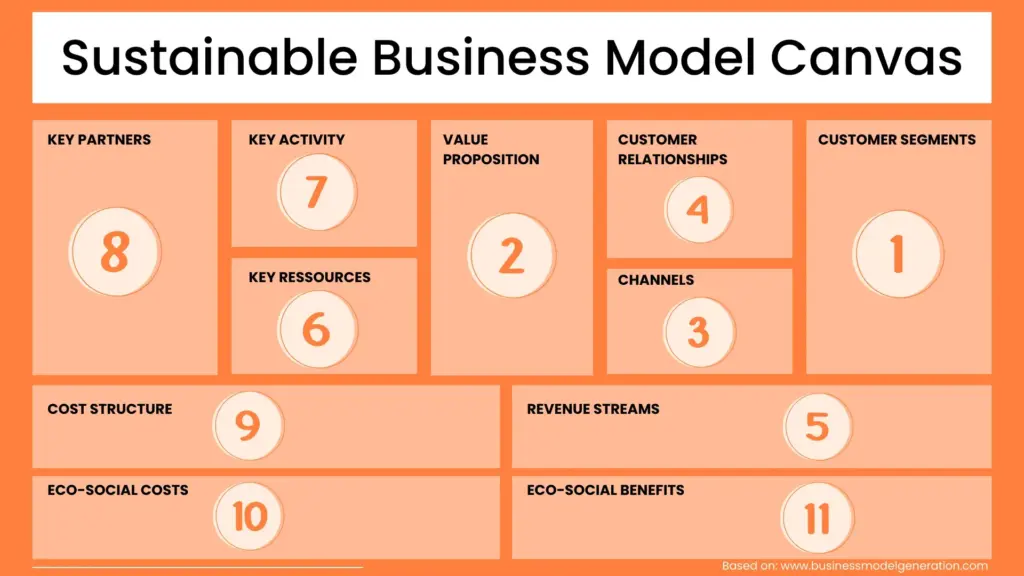
Moreover, knowing your audience is critical for a sustainable business model. Research indicates that a growing segment of consumers is willing to pay a premium for products and services that are environmentally responsible. Therefore, understanding the relationship between sustainability and consumer behavior can help businesses identify new market opportunities. By focusing on sustainable practices, companies can unlock potential revenue streams while reinforcing their dedication to creating positive impacts on the community and the environment.
Frequently Asked Questions
What is a sustainable business model and why is it important?
A sustainable business model integrates environmental, social, and economic practices that ensure long-term success. It is important because it helps companies meet consumer demand for eco-friendly practices while also reducing operational costs and environmental impacts.
How can a business integrate circular economy principles into their sustainable business model?
A business can integrate circular economy principles by designing products for longevity, implementing take-back programs for recycling, and investing in technologies that facilitate material recovery, thereby minimizing waste and promoting resource efficiency.
What role does sustainability play in business growth?
Sustainability plays a crucial role in business growth by opening new market opportunities, improving brand reputation, and enhancing customer loyalty. Businesses that prioritize sustainable practices often attract eco-conscious consumers, leading to increased sales and market share.
How can companies foster a culture of sustainability among employees?
Companies can foster a culture of sustainability by providing training on eco-friendly practices, implementing sustainability initiatives, and recognizing and rewarding employees for their efforts in contributing to sustainability goals.
Why is transparency critical for a sustainable business model?
Transparency is critical as it builds trust with consumers and stakeholders. Sharing information about sustainability initiatives and impacts demonstrates accountability and strengthens a company’s commitment to eco-friendly practices.
What are best practices for managing a sustainable supply chain?
Best practices for managing a sustainable supply chain include evaluating suppliers based on ethical production, prioritizing environmentally friendly materials, and establishing long-term partnerships to ensure sustainability and reduce the carbon footprint.
How can businesses measure the effectiveness of their sustainable practices?
Businesses can measure the effectiveness of their sustainable practices by establishing key performance indicators (KPIs) such as waste reduction metrics, energy consumption rates, community engagement levels, and employee satisfaction scores to track progress and inform strategies.
| Key Point | Description |
|---|---|
| Understanding Sustainable Business Models | Integrates economic success with environmental and social responsibilities—prioritizing long-term gains. |
| Define Your Mission and Values | A clear mission and values guide decision-making and attract like-minded customers and employees. |
| Embrace Circular Economy Principles | Shift from a linear to a circular approach, focusing on reusability and waste minimization. |
| Prioritize Sustainable Supply Chain Management | Choose suppliers that practice ethical production and sustainable sourcing. |
| Be Transparent and Accountable | Building trust through transparency regarding sustainability practices and impacts. |
| Innovate Constantly | Regularly improve products and practices to stay competitive and enhance sustainability. |
| Foster a Company Culture of Sustainability | Encourage a work environment prioritize sustainability at all levels. |
| Engage with Your Community | Build relationships to identify community needs and strengthen business reputation. |
| Measure Your Impact | Use KPIs to systematically track and improve sustainability efforts. |
Summary
The Sustainable Business Model is essential in today’s economy. It requires a careful balance of profitability and responsibility to the environment and society. By understanding the core principles, such as defining a clear mission, embracing circular economy practices, and fostering innovation, businesses can not only succeed financially but also contribute positively to the world. Engaging with the community and maintaining transparency are crucial steps in building trust and securing a loyal customer base. Ultimately, adopting these practices is about creating a business that thrives in harmony with the environment.